
How to Start a Vinyl Record Collection: A Beginner's Guide
“My record collection probably tells the story of my life better than I could in words.”
If you've been thinking about starting a record collection but have no idea where to begin, you're definitely not the only one. Between turntables, speakers, different record pressings, and all the advice you'll find online, it can feel surprisingly overwhelming when you're just getting started.
The good news? It really doesn't have to be. You don't need the most expensive setup or hundreds of records to enjoy collecting vinyl. Most collections start with a single album and slowly grow from there.
In this beginner's guide to record collecting, I'll walk you through everything you need to know, from a quick look at the history of vinyl to choosing your first turntable, buying your first records, and taking care of your collection so it lasts for years to come.
Let’s break down how to start record collecting, choose the right gear, and build your vinyl setup:
Why Vinyl? What Makes It Special
Vinyl collecting has made a major comeback, and it's easy to see why. There’s something about holding a record in your hands, the excitement of dropping the needle, and hearing that warm, rich sound fill the room. It’s different from just hitting play on your phone.
Sure, digital music is more convenient, but vinyl takes you back to when you had to commit to the music. There’s no skipping tracks or shuffling playlists; you sit down, put the record on, and listen to it from start to finish. It’s all about appreciating the album as a whole, and that’s something you can’t get from streaming.
Vinyl has been around for over a century, and its history is pretty fascinating. The first records appeared in the late 1800s, but it wasn’t until the 1950s and 60s that vinyl really took off, thanks to the 33 RPM LP (long play) and the 45 RPM single. These records revolutionized how people listened to music, offering a richer, fuller sound compared to earlier formats like the phonograph cylinder.
Fast-forward a few decades, and vinyl was the king of music formats. But by the late 1980s, the rise of CDs and digital music saw vinyl pushed to the sidelines. Yet, it never really disappeared. Vinyl continued to be loved by collectors, offering a distinct sound quality that digital formats couldn’t match.
In the 2000s, vinyl began to make a comeback. A lot of this resurgence is thanks to younger generations discovering the magic of records. And it’s not just about the music but about owning a piece of history and having something physical to hold onto in the digital age. Plus, the artwork on album covers is a whole experience in itself.
Whether it’s the nostalgia, the superior sound, or the joy of collecting, vinyl’s popularity is stronger than ever. It’s not just about listening to music — it’s about truly experiencing it. And that’s what makes it so special.
Ready to Start Collecting? Here’s the Gear You Need
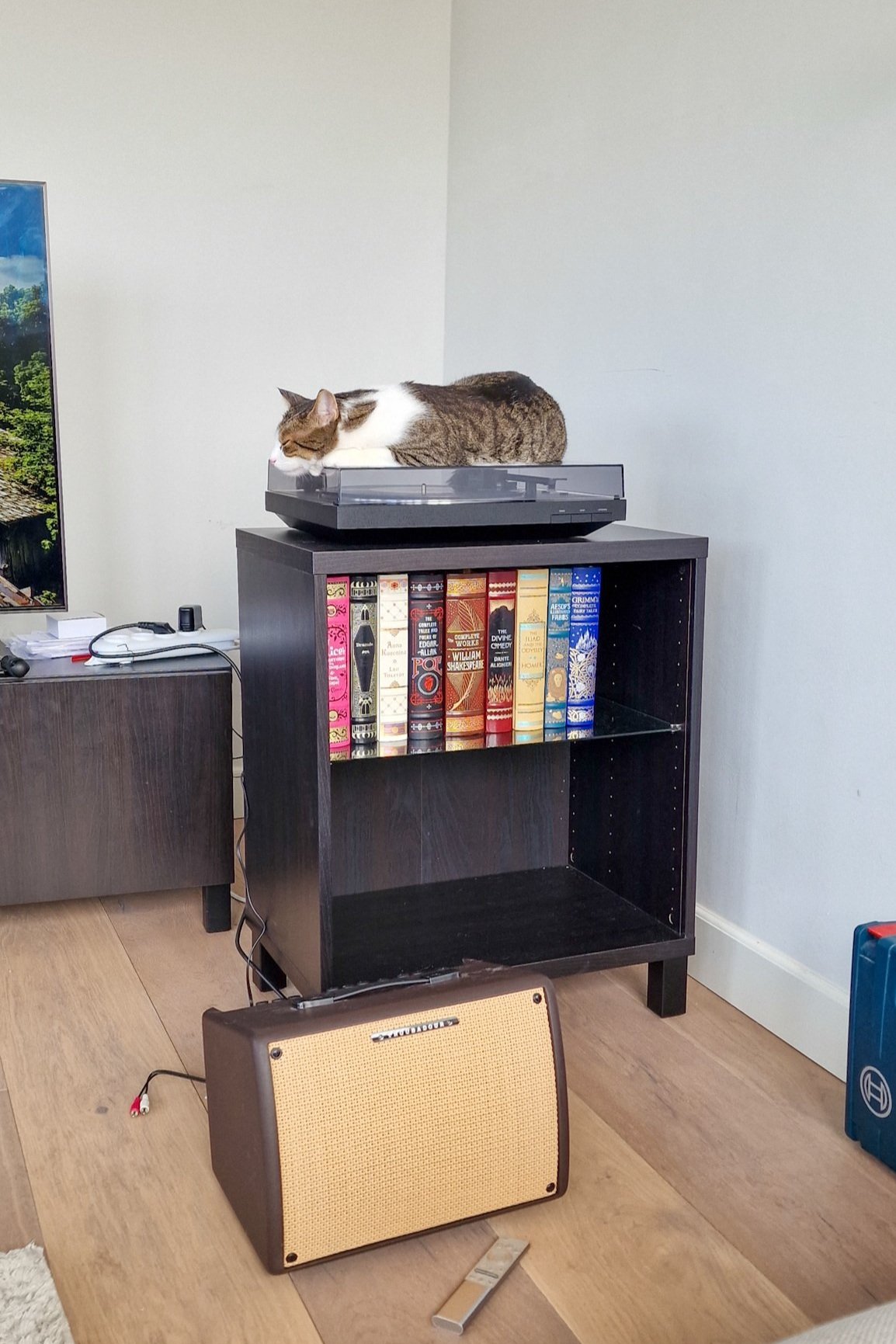
If you're ready to jump into the world of vinyl, the first thing you’ll need is the right setup — and don’t worry, it’s less complicated than it sounds. At the core, you’ll need three things: a turntable, a pair of speakers, and, of course, some records. When shopping for a turntable, make sure it has adjustable speed settings (33 1/3 and 45 RPM) so you can play both albums and singles. If you already own Bluetooth speakers, it’s worth looking into a Bluetooth-enabled turntable so you can keep your setup simple and wireless.
My tip? Don’t go for the cheapest option out there, but you also don’t need to splurge on something ultra high-end. In my experience, the turntables that look the cutest, like those foldable suitcase-style ones from Urban Outfitters, often fall short when it comes to sound. I’d skip those and go a tier up. After a lot of research, I personally chose the Sony PS-LX310BT. It’s been three years, and I’m still super happy with it. The sound is great, it pairs easily with Bluetooth when I want to listen in another room, and it actually looks good with the rest of my living room.
Some turntables have built-in speakers, but external speakers make a big difference if you really want to enjoy that warm vinyl sound. Choose something that fits your space—compact if you're tight on space, or more powerful if you want a richer sound.
And finally, records! Start with music you love and build from there. There’s no right or wrong way to create a collection — it’s all about what brings you joy when the needle drops.
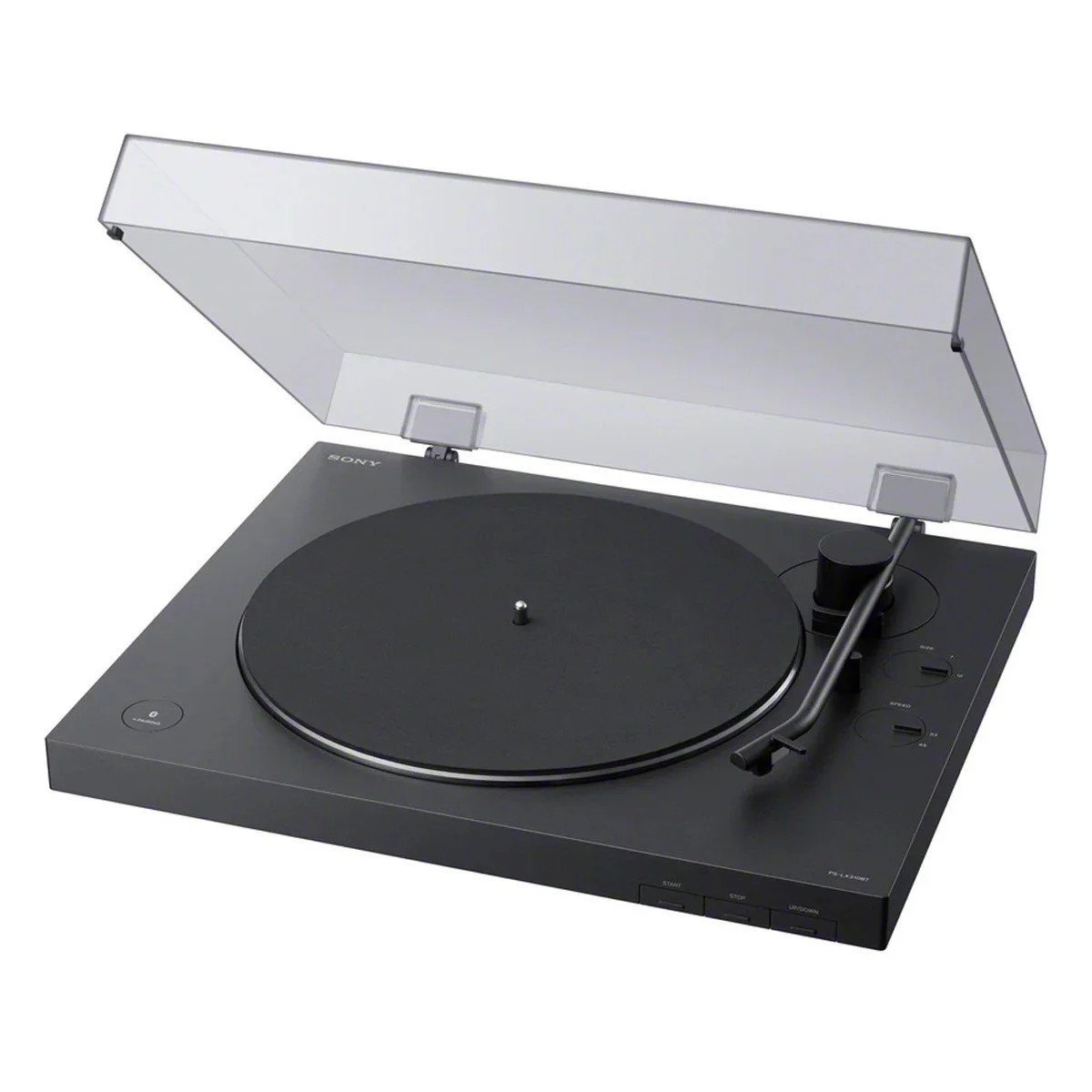
Sony PS-LX310BT
Enjoy the best albums from your private collection

Marshall STANMORE III B
Listen to all your favorite records in style.
Where to Dig: Finding Records You’ll Actually Love
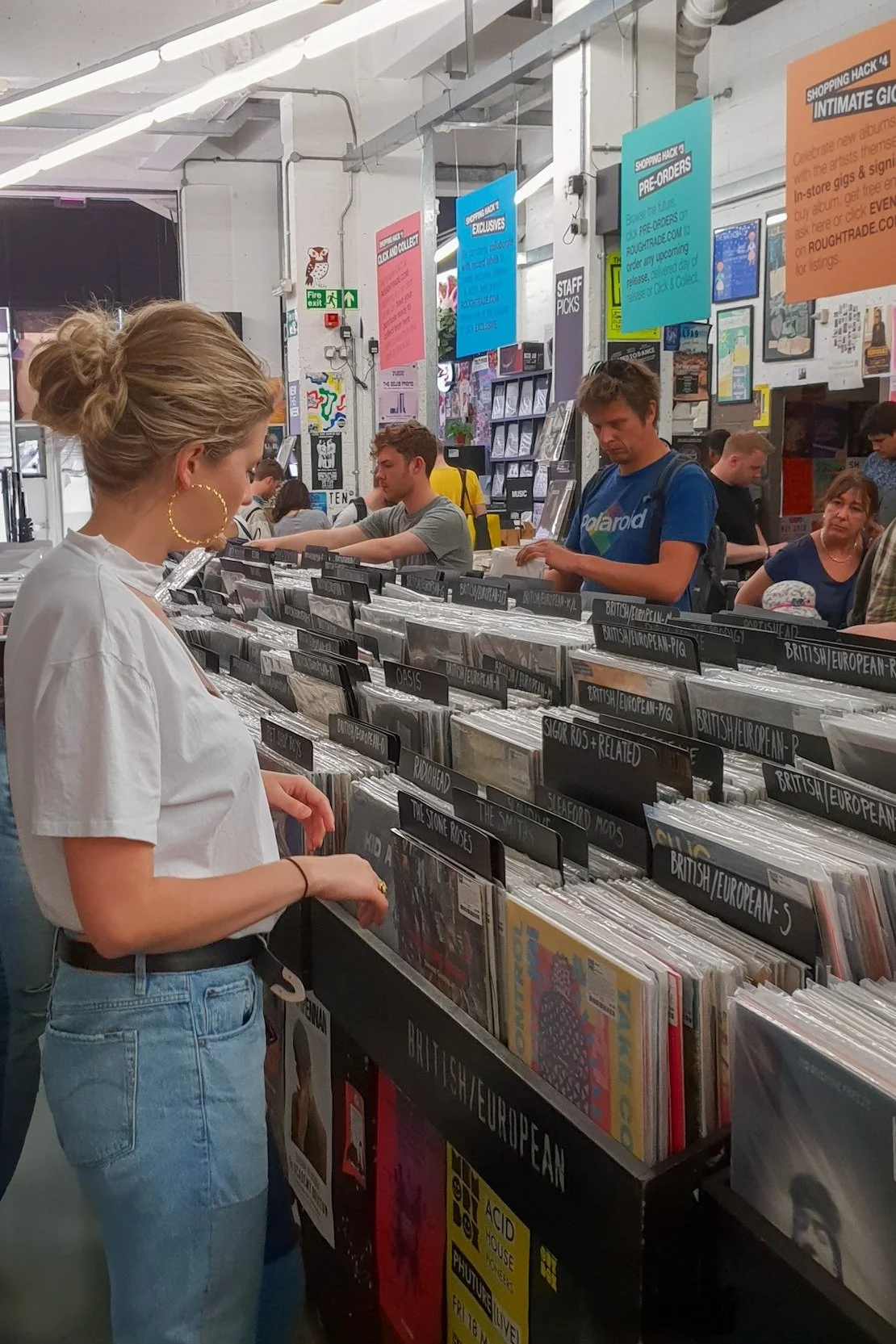
Once you've got your setup sorted, it's time for the fun part — hunting for records. You can find vinyl just about anywhere these days, from independent record stores to online marketplaces and even secondhand shops. Local record stores are a great place to start: you get to flip through bins, discover artists you’ve never heard of, and chat with staff who really know their stuff. If you’re around during Record Store Day (usually in April), don’t miss it, stores across the world drop exclusive releases and throw in-store events, making it one of the most exciting days of the year for collectors.
If you’re into the thrill of the hunt, try flea markets, thrift shops, or garage sales; sometimes you’ll score absolute gems for just a few bucks. And if convenience is more your thing, sites like Discogs, eBay, and Bandcamp make it easy to browse and buy from the couch. Whether you’re after a classic you grew up with or a limited-edition reissue, there’s something incredibly satisfying about tracking down the perfect record.
That said, keep in mind that this is a process. Don’t go overboard right away — especially if you’re anything like me and end up with a new record in the mail every week. Most records these days aren’t cheap (especially the popular ones), so my advice? Take it slow. Set a budget, enjoy browsing your local shops, and maybe even make record store visits part of your travels. Half the fun is in the search.
Vinyl Hunting? Here’s How to Tell If a Record’s Worth It
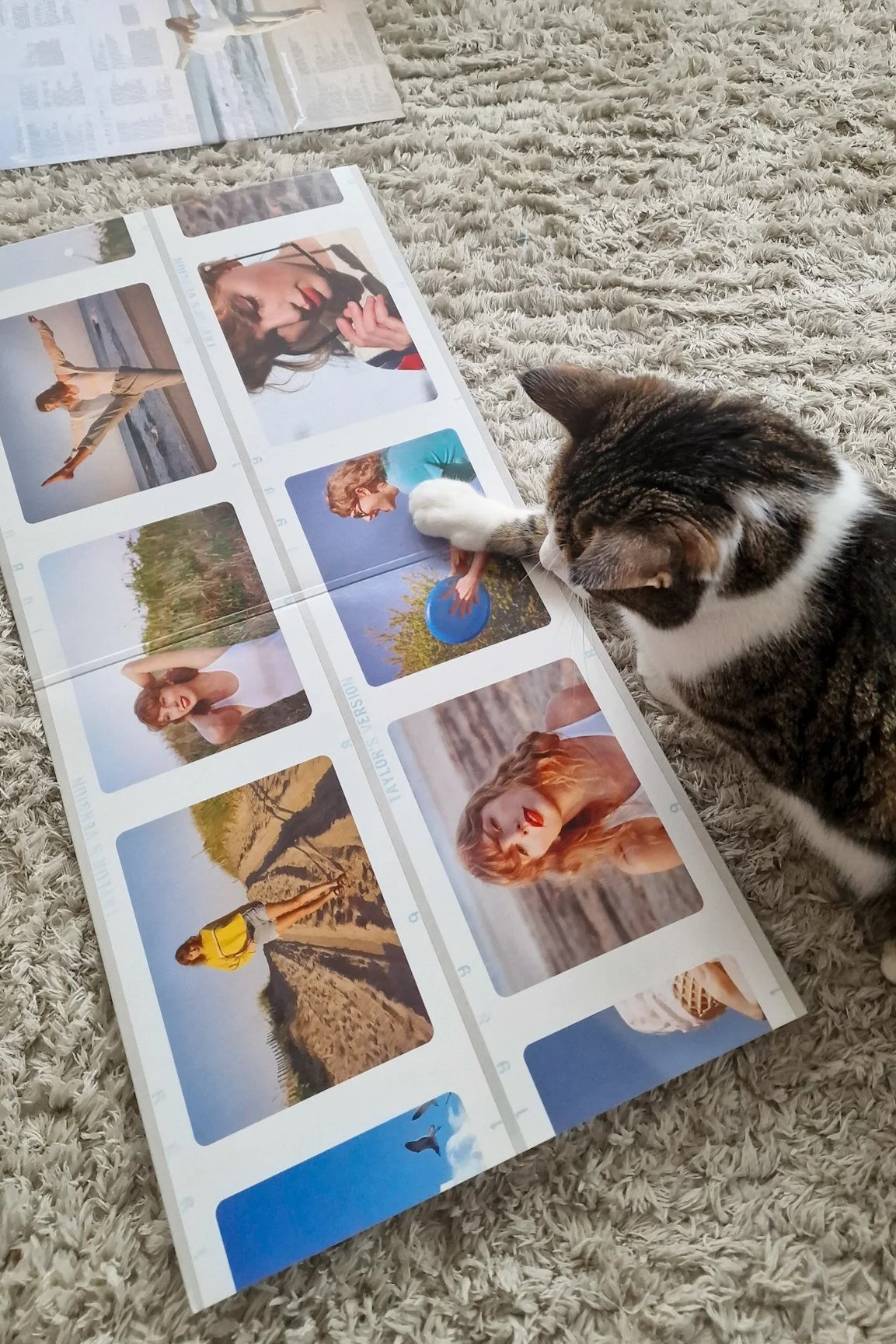
Digging through crates is part of the fun, but how do you know if a record’s actually worth taking home? If you’re buying secondhand, the first thing to check is the condition of the vinyl itself. Hold it up to the light and look for scratches, warping, or cloudy patches. A few light surface marks are usually okay, but deep scratches? Probably a skip-fest waiting to happen. Then, check the sleeve. While a worn cover doesn’t always mean a damaged record, it can give you a clue about how it was stored. If it’s been kept clean and flat, that’s a good sign.
You can also look at the label and pressing. Certain editions (like first pressings or limited runs) tend to have better sound quality and can be more valuable too. And if you’re not sure, a quick search on Discogs can tell you more about what you’ve found. At the end of the day, though, trust your gut. If the album excites you and it’s in decent shape, go for it. Worst case? You’ve added some character to your collection.
Keep It Clean: Caring for Your Vinyl (It’s Easier Than You Think)
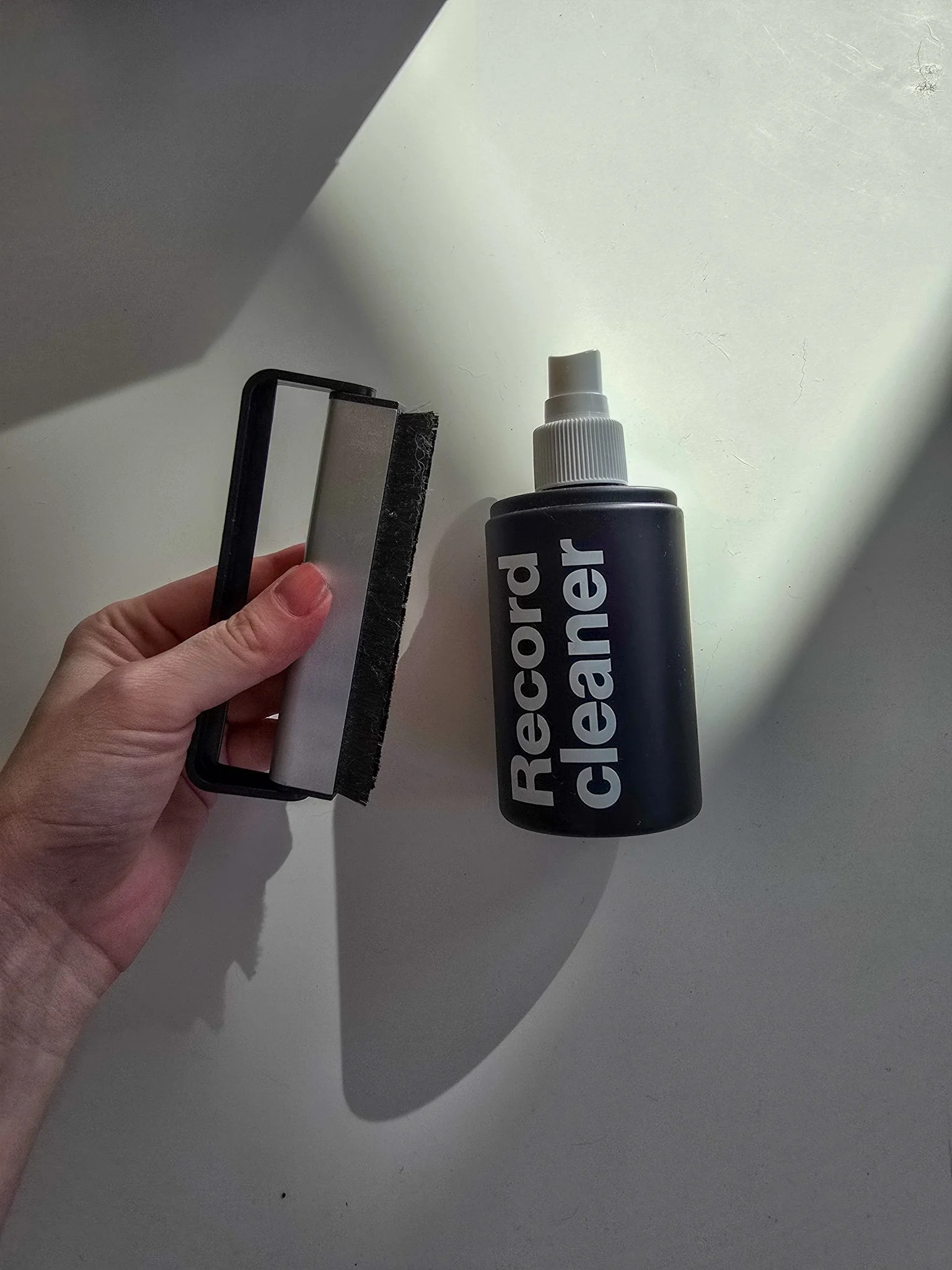
Vinyl might look tough, but it actually needs a little care to keep sounding great. Dust, fingerprints, and static can mess with your sound or even damage your records over time — but the good news is, cleaning them is easier than it looks. Use a soft anti-static brush before and after playing to sweep away dust, and give them a deeper clean every so often with a proper vinyl cleaning solution or kit (no, your kitchen sponge won’t do the trick).
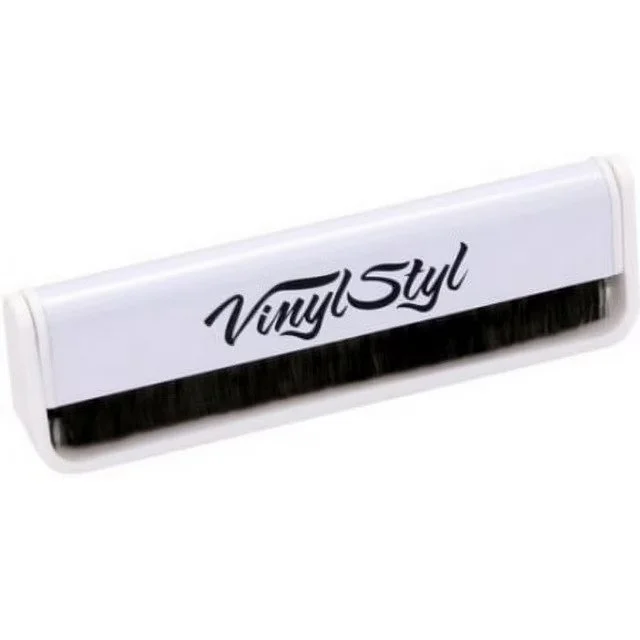
Anti-static Brush
Remove any dust
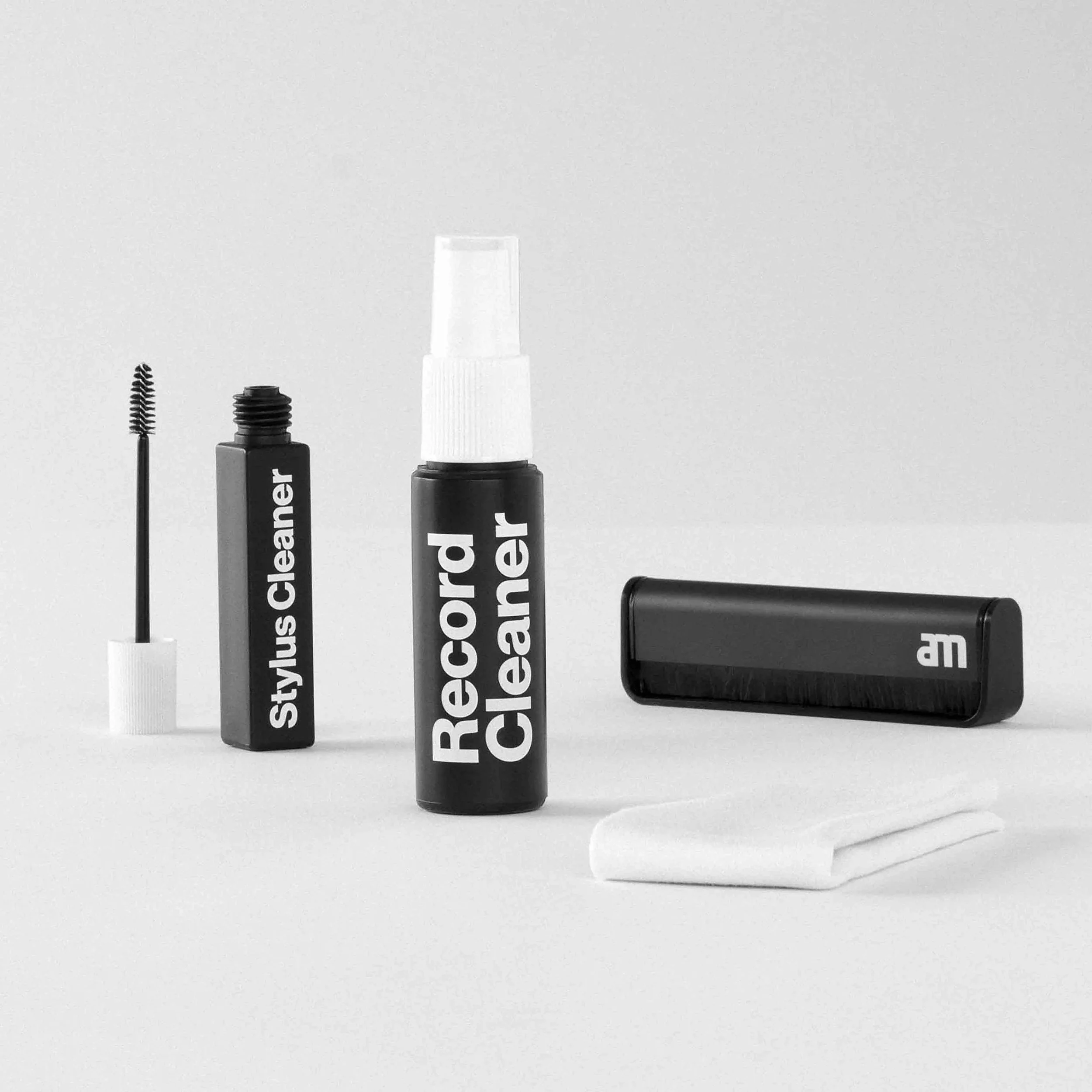
Vinyl Cleaning Kit
Deep clean your Vinyls
Storage matters too. Once your records are clean, keep them that way by storing them in high-quality inner sleeves — go for anti-static, non-scratching ones (poly-lined or rice paper are great options). Replace any paper sleeves that came with the record if they feel cheap or rough. For extra protection, use outer plastic sleeves to keep the album covers from getting worn or scuffed. And don’t forget about your gear — keep your stylus clean and your turntable dust-free to avoid those unwanted crackles and pops.
A few small habits go a long way toward keeping your collection in top shape and sounding its best.
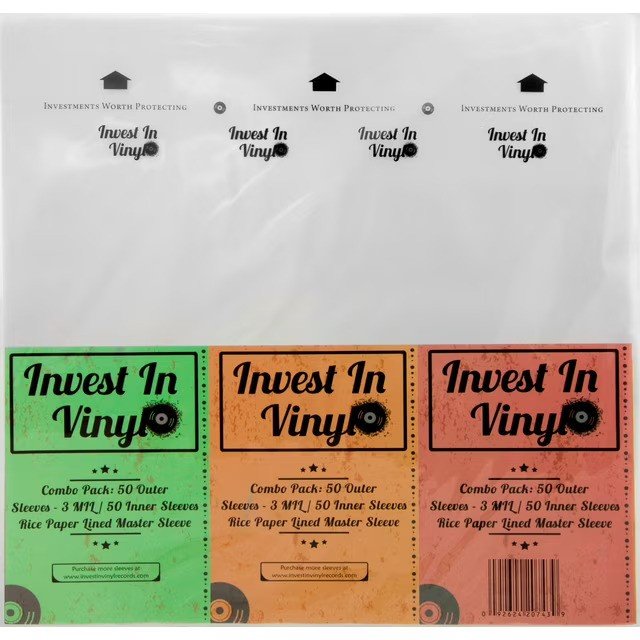
Inner Sleeves
Store your records for extra protection
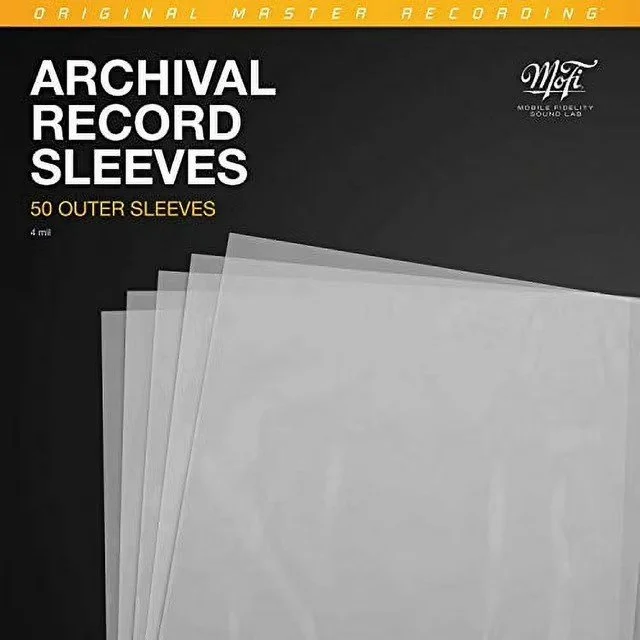
Outer Sleeves
Keep your vinyl covers in top shape
Beginner Mistakes to Avoid in Your Vinyl Journey
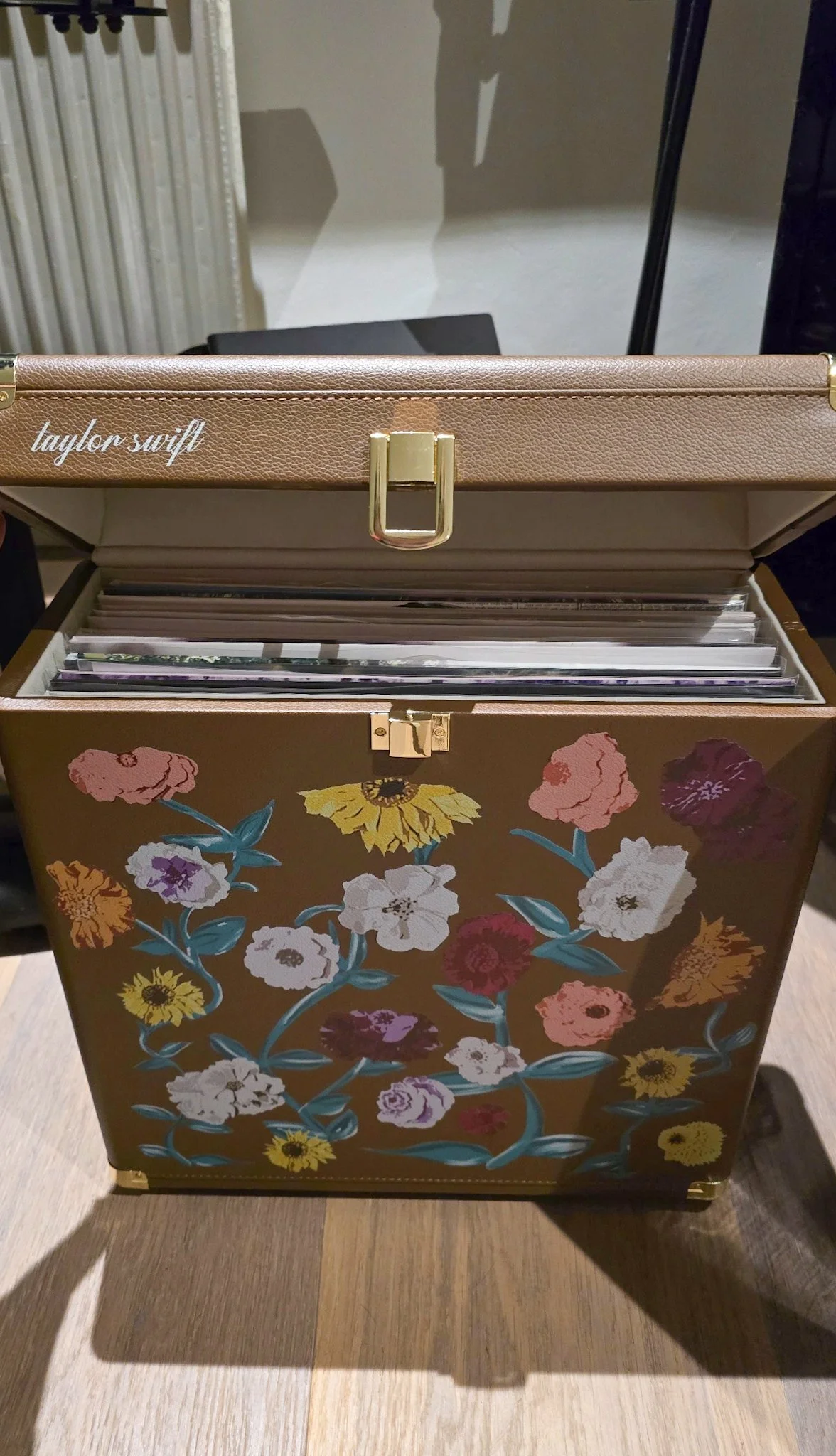
When you’re new to vinyl, it’s easy to get swept up in the excitement of building your collection. Trust me, I’ve been there! But there are a few common mistakes that can really put a damper on your vinyl experience — and luckily, they’re easy to avoid.
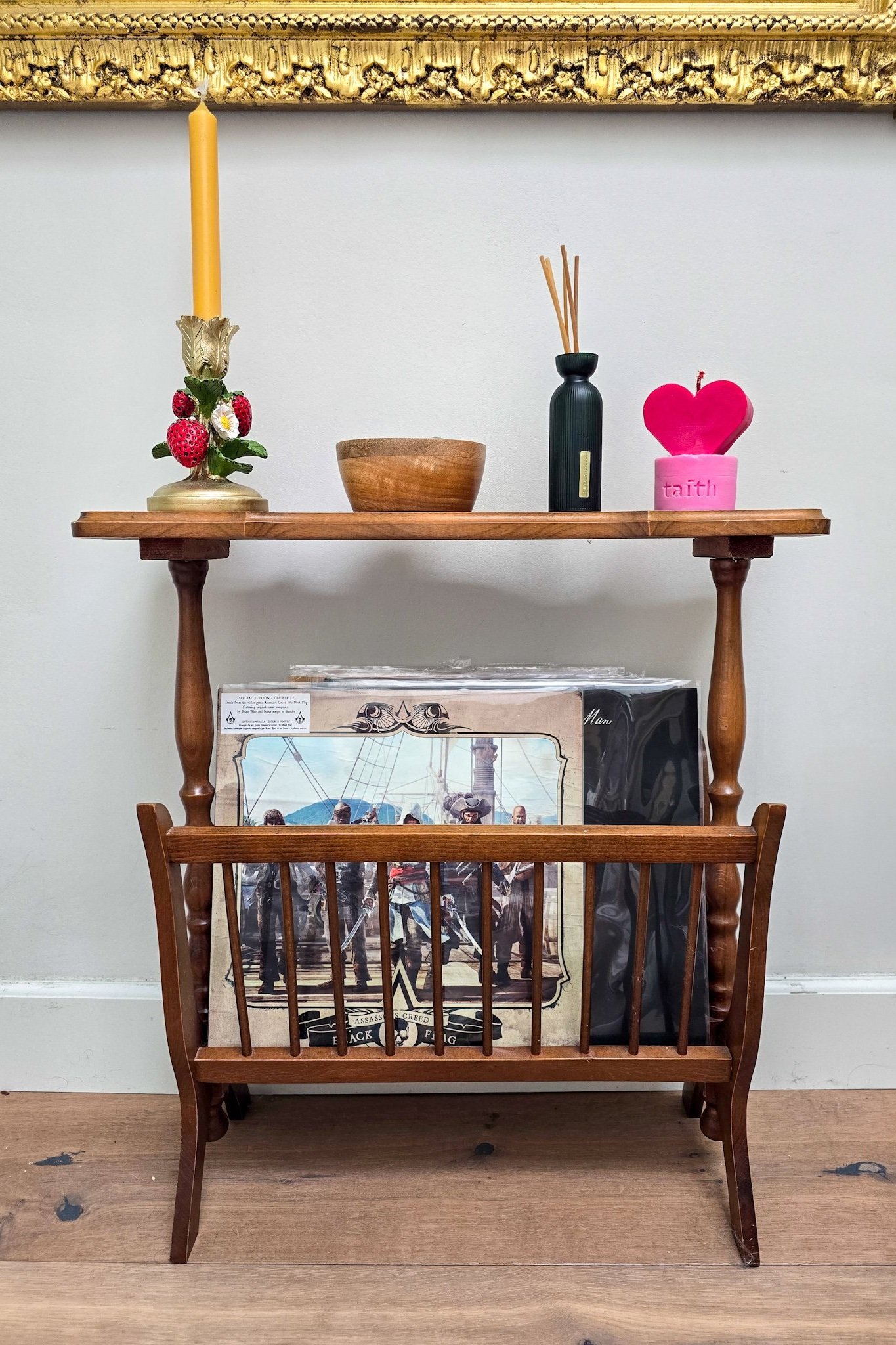
One big mistake beginners make is stacking their records. It might seem like a simple way to store them, but it can actually cause warping over time, especially if you’re putting pressure on them. Instead, make sure you’re storing your records vertically, like books on a shelf. This keeps them safe from any unnecessary damage and lets you keep them organized for easy access.
Another mistake is skipping the cleaning process. It’s easy to overlook, but even new records can have dust, fingerprints, or static that’ll affect the sound quality. Take the time to clean your records regularly. It’ll make a huge difference in the long run. You don’t need anything fancy, just a soft anti-static brush and the occasional deeper clean with a vinyl cleaning solution.
And while the cute suitcase-style turntables may look appealing, they often don’t deliver great sound quality. Worse yet, they can actually damage your records. Opt for a turntable with a better reputation for sound and durability — trust me, your records will thank you!
At the end of the day, don’t rush the process. Take your time, learn as you go, and don’t be afraid to make a few mistakes along the way. It’s all part of the journey. Just keep these tips in mind, and your vinyl experience will be a lot more enjoyable and long-lasting.
Starting a vinyl collection is a journey, and with the right gear and a little know-how, you can really collect a legacy that lasts. Whether you’re drawn in by the nostalgia, the sound, or the process of collecting itself, vinyl offers something unique. What makes this journey even more special is the community that comes with it—whether you’re swapping recommendations, sharing your latest finds, or discovering new genres, it’s all part of the experience.
Your collection will reflect your taste, and with time, each record you add will tell its own story. If you have any questions or need more advice on starting your vinyl collection, don’t hesitate to reach out—I’m always happy to help!
More Music


Curious to see London through Taylor Swift’s eyes? Then London Boy is the perfect place to start. From Hampstead Heath to Camden Market, Soho to the West End, Taylor name-drops some of London’s most iconic spots. In this guide, I’ll take you through each location, share tips on what to do there, and help you explore London from a Swiftie’s perspective.