
If He Drops My Name: The Women Taylor Swift References in Songs
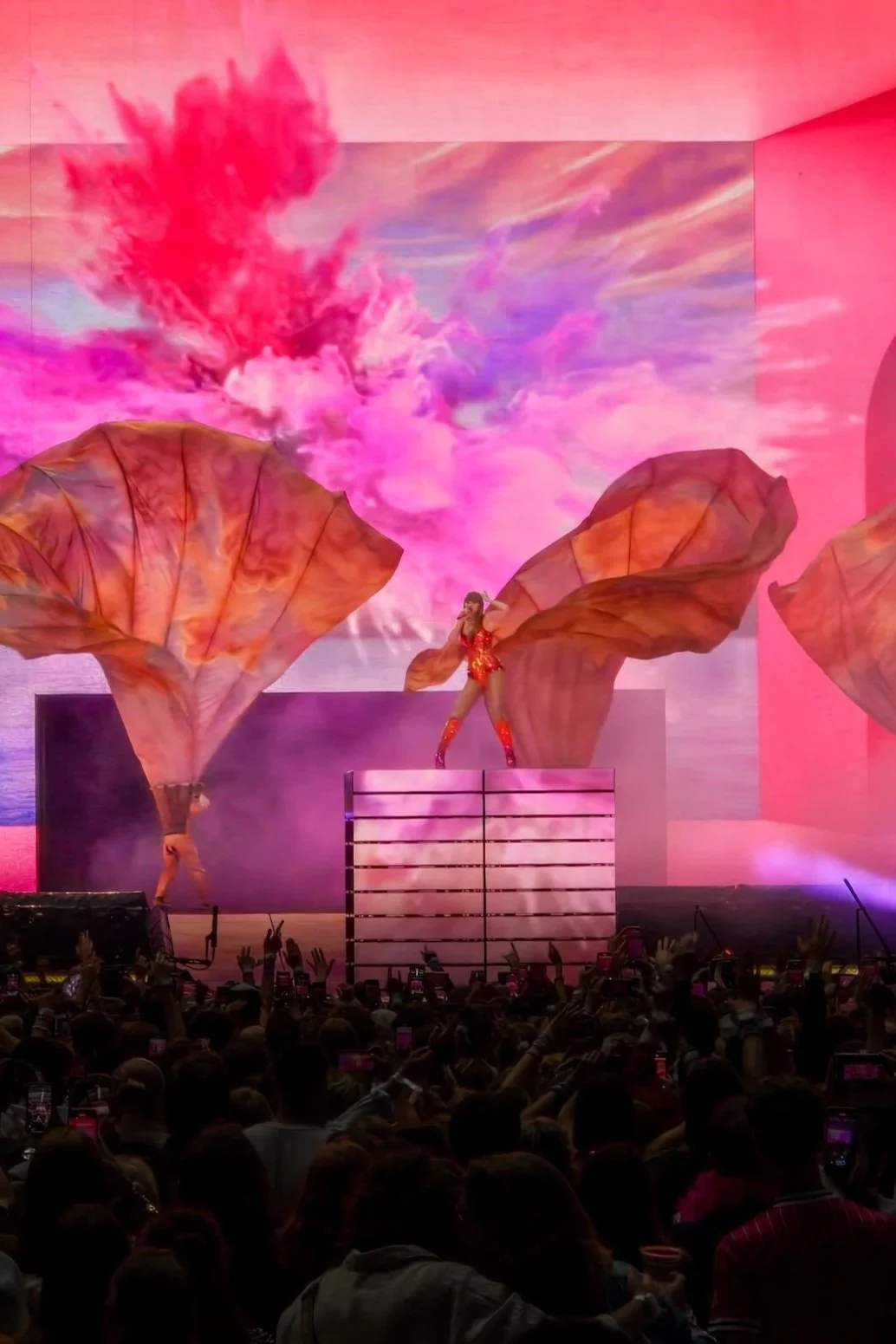
Ever wondered which women Taylor Swift has immortalized in her songs? Her lyrics are full of Easter eggs, references, and name-drops. Sometimes she’s singing about places we can add to our travel bucket list, sometimes it’s people who’ve made headlines, and other times it’s characters straight out of literature or history.
In The Lucky One, Taylor said, “’Cause now my name is up in lights”—and she’s not the only one. The women on this list aren’t exactly unknown either. From screen legends like Elizabeth Taylor to literary figures like Ophelia and Cassandra, every reference adds a layer of story, emotion, or a wink for listeners paying close attention.
And now, after the release of The Life of a Showgirl, I thought it would be interesting to list all the “showgirls” who have come before Taylor—or who are still here—that she’s put in the spotlight through her songs. Some are real, some fictional, and some somewhere in between, but all show how Taylor blends pop culture, history, and storytelling into her lyrics.
So, in this article, I’m breaking down every woman Taylor Swift has mentioned in her songs, who they are, where they appear, and what the mention means.
Okay, let’s get into it! Here are all the fictional and famous women Taylor Swift references in her songs:
1. Cassandra
Which song can we find this reference in?
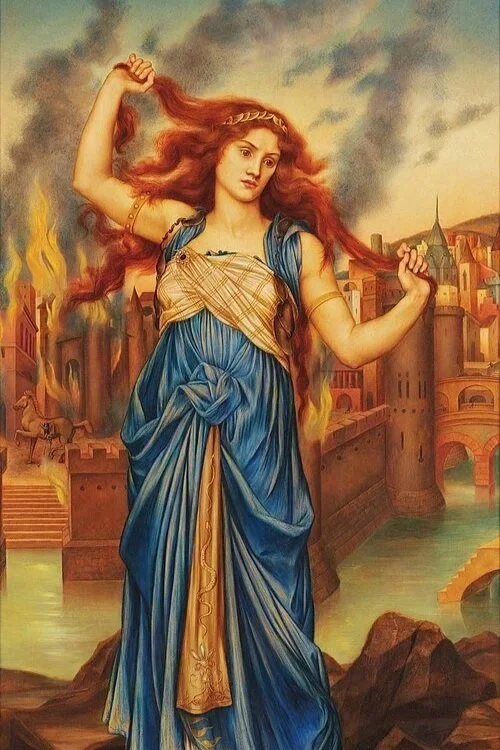
Cassandra—track 27 on The Tortured Poets Department: The Anthology.
Who is she?
In Greek mythology, Cassandra was a princess of Troy blessed with the power of prophecy but cursed so that no one would ever believe her. She foresaw the city’s fall, but her warnings were ignored, leaving her name to symbolize women who speak the truth and are dismissed for it.
Why does Taylor reference her?
Taylor references Cassandra because, like her, she wasn’t believed when she spoke out. The song channels that feeling of being right while everyone else looks the other way. Especially with lines like “the family, the pure greed, the Christian chorus line,” it’s hard not to think about the Kardashians—a situation she warned about long before anyone listened.
The connection with her own life became even stronger when she performed a “Cassandra” x “Mad Woman” mashup during the Eras Tour. Both songs explore how women are often labelled crazy for speaking their truth. By combining them, Taylor doubles down on that theme, reclaiming her story and making sure her voice is heard.
Honorable Mention:
The lyric about “filled my cells with snakes” in Cassandra is likely a nod to Medusa. Medusa was a mortal woman in Greek mythology punished by Athena: her hair was turned into snakes, and anyone who looked at her would turn to stone. Like Cassandra, Medusa’s story is about being wronged and powerless in the face of forces beyond her control. It also echoes a real-life nod: the same snakes reference connects to the time the Kardashians called Taylor a “snake” just before the Reputation era, turning the insult into a symbol of power and survival.
2. Ophelia
Which song can we find this reference in?
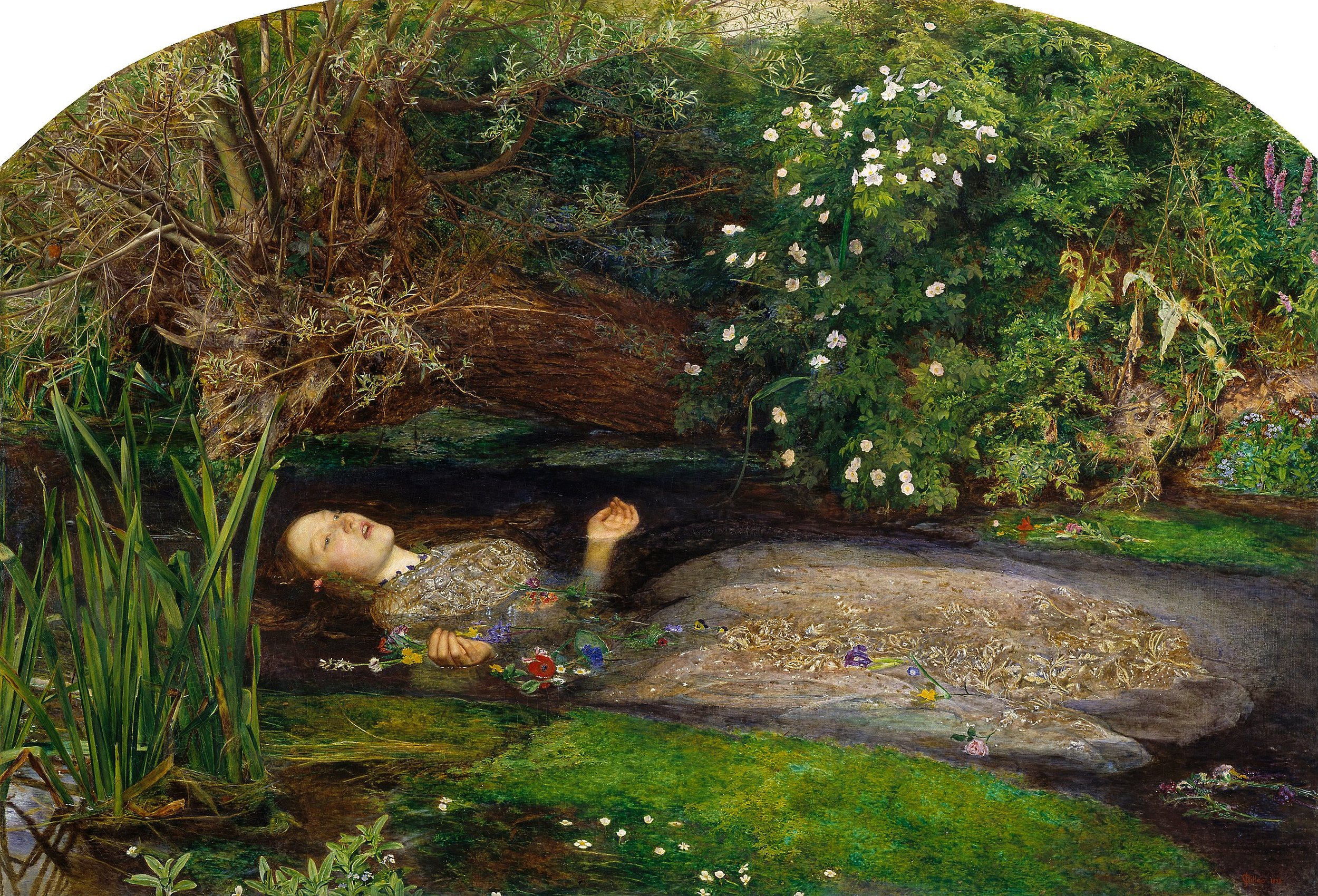
The Fate of Ophelia—the opening track and main single from her latest album, The Life of a Showgirl.
Who is she?
Ophelia is a character from Shakespeare’s play, Hamlet. She’s young, gentle, and caught in the middle of deadly political and familial intrigue. After her father’s death, she goes insane and ultimately drowns. Some see Ophelia's death as an accident; others see it as a suicide resulting from the accumulation of a series of unfortunate events. Over the years, her story became a symbol of tragic vulnerability, innocence lost, and the consequences of being powerless in a world dominated by others’ agendas.
Why does Taylor reference her?
The main point of the song is that Taylor was “saved her from the fate of Ophelia.” In Shakespeare’s Hamlet, Ophelia’s troubled relationship with Hamlet drives her into a spiral that ends in her death. Taylor draws a parallel to her own love life, placing herself in a world of doomed heroines—but instead of drowning in despair, she is “dug out of her grave”.
Taylor’s lyrics like:
’Tis locked inside my memory
And only you possess the key
echo Hamlet’s original line:
’Tis in my memory locked,
And you yourself shall keep the key of it.
The song is full of Shakespeare-inspired imagery. The “tower” suggests isolation, while the “chain, crown, and vine” nod to Ophelia’s floral garlands and the willow branch involved in her death. Even the contrast of fire versus water shows Taylor being pulled from a metaphorical drowning into life and love. The Fate of Ophelia is about survival, resurrection, and being saved. It turns one of Shakespeare’s darkest archetypes into a modern story of love, resilience, and revival.
3. Elizabeth Taylor
Which song can we find this reference in?
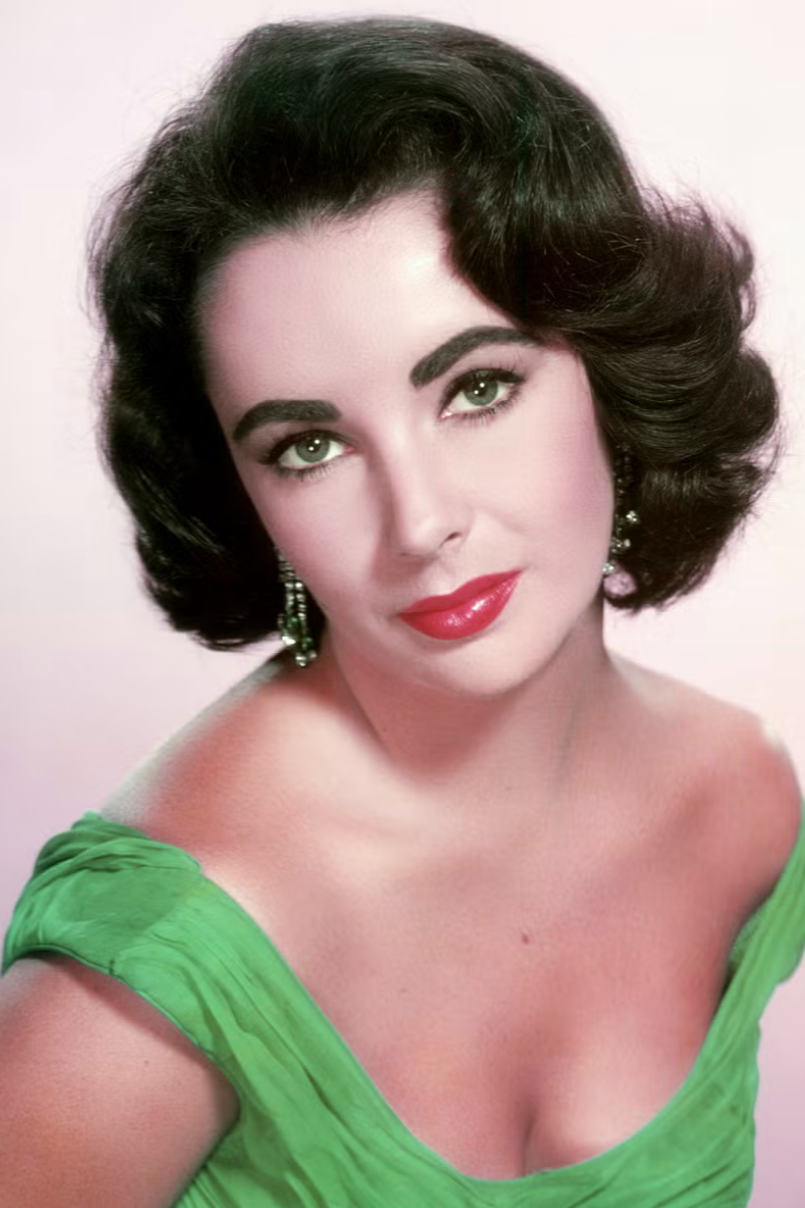
Elizabeth Taylor—track 2 on The Life of a Showgirl.
Who is she?
Elizabeth Taylor was a legendary Hollywood actress known for her beauty, talent, and larger-than-life personality. She was famous for her multiple high-profile marriages, her courage, and her philanthropy, especially her work advocating for HIV/AIDS awareness. Over time, she became an icon of resilience, drama, and unapologetic femininity.
Why does Taylor reference her?
Overall, like Elizabeth Taylor, Swift has had to endure intense media focus on her love life, often overshadowing her career.
In the song, Taylor uses Elizabeth Taylor as a way to explore her own struggles with love, fame, and trust. In the lyrics:
“I’d cry my eyes violet, Elizabeth Taylor
Tell me for real, do you think it’s forever?”
she references Elizabeth’s famous violet eyes (which were actually deep blue but appeared violet under certain lighting) and links them to her own blue eyes—when they turn red from crying, they would literally shift to violet.
The line also touches on Taylor’s ongoing question about love: can it really last? Just as Elizabeth’s multiple marriages made “forever” feel fleeting, Taylor reflects on the challenge of finding lasting love under the glare of fame.
The song also nods to Elizabeth’s glamorous life and travels. Portofino, Italy—where Elizabeth spent four honeymoons and was proposed to by Richard Burton at the Hotel Splendido (where I also stayed!)—and the Hotel Plaza Athénée in Paris, where the couple stayed for six months, highlight romance, luxury, and dramatic high-profile moments. By referencing these places, Taylor links her own experiences under the spotlight to Elizabeth’s life.
This song blends Elizabeth’s glamour and drama with Taylor’s personal story, creating a narrative of longing, survival, and the search for love that lasts.
Honorable Mention
This isn’t the first time Taylor references Elizabeth Taylor. Back in …Ready for It? from Reputation, she sang “Burton to his Taylor”—a nod to Elizabeth and Richard Burton.
For context, Elizabeth and Richard Burton had a famously intense love story. They met on the set of Cleopatra, married in 1964, divorced in 1974, remarried in 1975, and divorced again in 1976. Their on-again, off-again romance became a Hollywood legend—full of passion, drama, and glamour. By referencing Elizabeth, Taylor links her own search for love and permanence to a legendary, larger-than-life romance.
4. Clara Bow

Which song can we find this reference in?
Clara Bow — track 16 on The Tortured Poets Department
Who is she?
Clara Bow was a 1920s Hollywood actress and the original “It Girl.” She became famous for her charisma, charm, and modern, flapper-style persona that captured the spirit of the Jazz Age. Bow was known for her vivacious energy, independent attitude, and her ability to define what it meant to be glamorous, playful, and unapologetically herself in Hollywood’s golden age. She was also speculated to have been struggling with mental health issues due to the pressures and stress of fame.
Why does Taylor reference her?
Taylor brings up Clara Bow to reflect on the excitement and anxiety of stepping into the spotlight. The song flashes back to the start of her career, when industry executives compared her to previous stars, implying she was “better” because she was younger, newer, and shinier.
This idea plays out throughout the song:
Early on, Taylor is thrilled by the opportunity, saying she might “die” if she actually makes it.
Later, the lyrics hint at the fleeting nature of fame—like a picked flower, someone who rises will eventually fade.
The song explores the tension Taylor has often written about: being a small-town girl suddenly exposed to the bright lights of Hollywood or New York, while trying to stay true to herself.
Clara Bow represents the “first original It Girl,” and by the end of the song, Taylor even mentions her own name, acknowledging that one day she too could be replaced by someone “better.” The reference ties Taylor’s story to a lineage of bold, iconic women navigating fame, glamour, and the pressure to perform.
5. Stevie Nicks
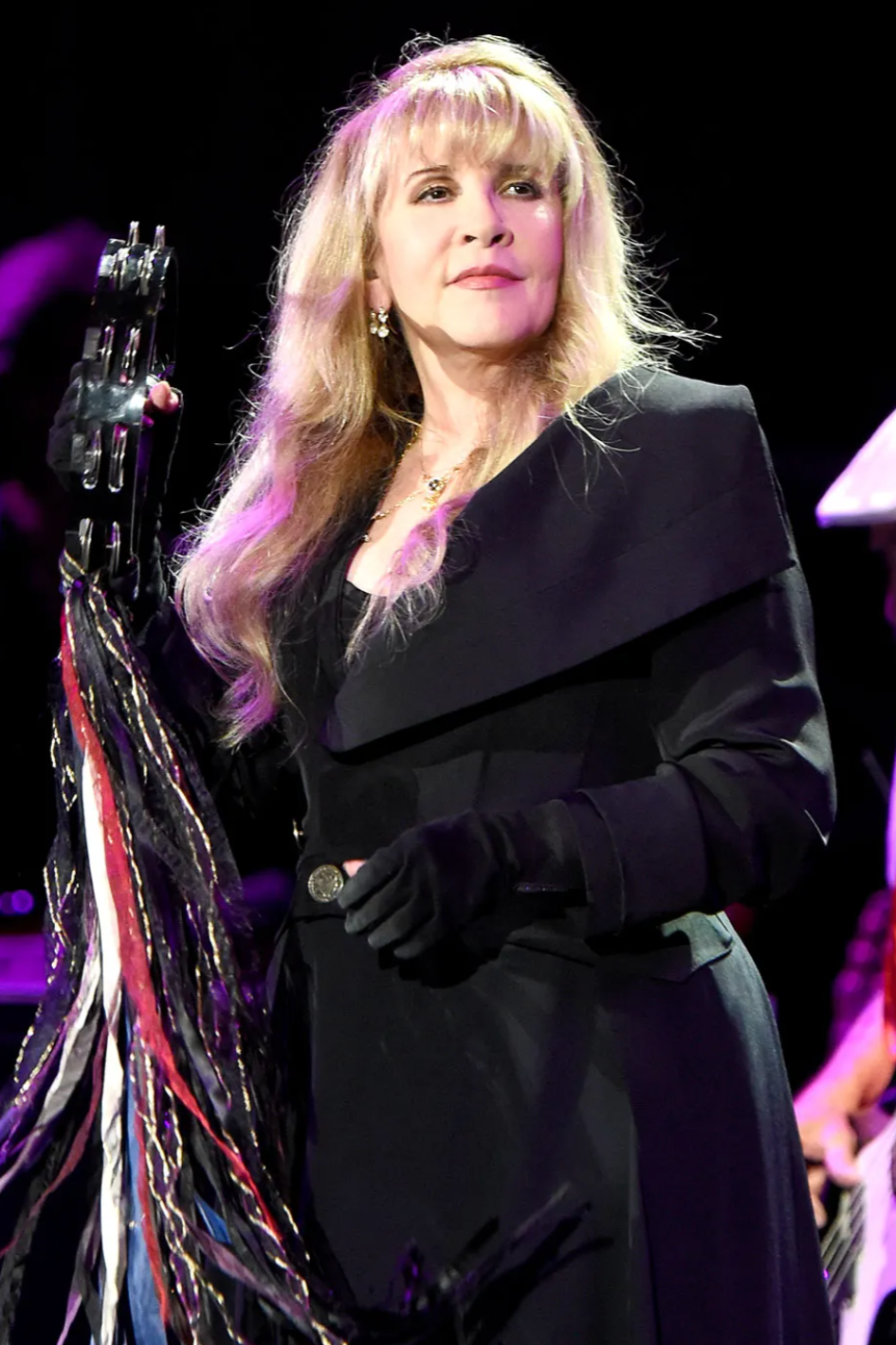
Which song can we find this reference in?
Stevie Nicks is mentioned in the song Clara Bow—track 16 on The Tortured Poets Department
Who is she?
Stevie Nicks is a legendary singer-songwriter and a member of Fleetwood Mac. She’s famous for her mystical, poetic lyrics, her signature voice, and her iconic stage presence, often wearing flowing dresses and shawls that became her trademark. She’s known as the “Queen of Rock and Roll” and a symbol of female independence and artistry in the music world.
Why does Taylor reference her?
Stevie Nicks is the second name Taylor mentions in Clara Bow, and she brings her up to channel a similar aura of confidence, mystique, and artistic power. Nicks represents a fearless, enduring female artist who has navigated fame and personal struggles while staying true to her voice and style—something Taylor also identifies with.
By referencing Stevie Nicks alongside Clara Bow, Taylor aligns herself with a lineage of strong, independent women in music and entertainment who have inspired generations of performers.
A little fun fact / extra context
Taylor Swift and Stevie Nicks have a long-standing friendship. They first performed together at the 2010 Grammys, doing a mashup of Today Was a Fairytale, Rhiannon, and You Belong With Me, after which Nicks praised Swift as a rising force in music.
Stevie also contributed a poem to the CD and vinyl editions of The Tortured Poets Department. During the final night of Swift’s 2024 Eras Tour in Dublin, Taylor dedicated a live performance of Clara Bow to Nicks, calling her a “hero” and mentor.
6. Rebekah Harkness
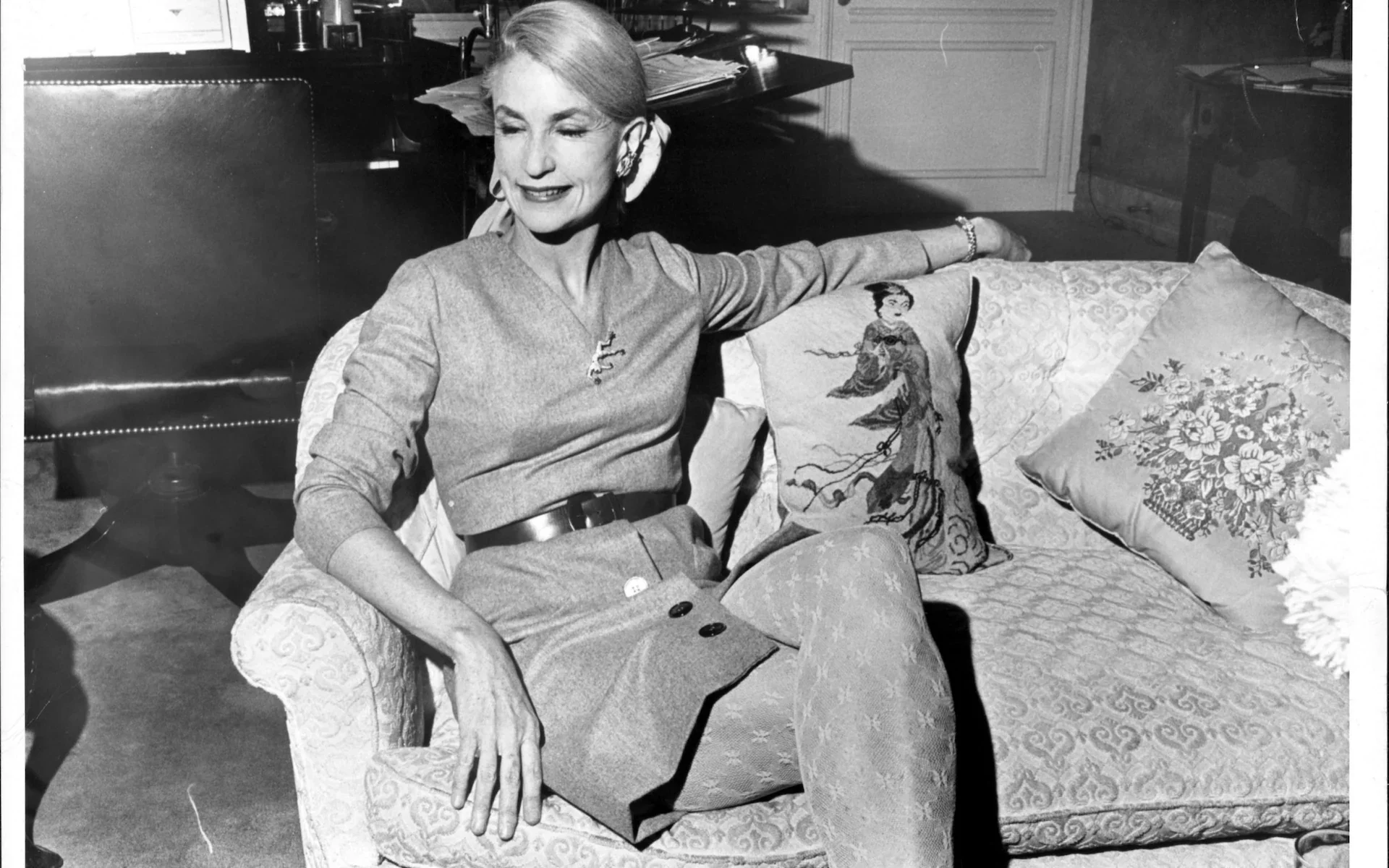
Which song can we find this reference in?
Rebekah Harkness is referenced in The Last Great American Dynasty—track 3 on Folklore.
Who is she?
Rebekah Harkness (1915–1982) was an American socialite, philanthropist, and patron of the arts. She inherited a fortune from Standard Oil and became known for her extravagant lifestyle, high-profile relationships, and support of dance and ballet. Harkness was a bold, ambitious woman who pushed boundaries and cultivated a reputation for glamour, drama, and influence in elite circles.
Why does Taylor reference her?
Taylor’s famous Rhode Island house, Holiday House, was once owned by Rebekah. Just like Taylor, Rebekah didn’t quite “fit in” with her small-town surroundings, and both faced gossip and judgment for living freely.
Rebekah became one of the richest women in the U.S., yet society blamed her for her husband’s problems, painting her as “mad” or “shameless.” Taylor draws a parallel to her own experiences with media scrutiny, shaming, and criticism for enjoying life on her own terms.
Taylor bought Holiday House in 2013 for $17.75 million and embraced the property’s history, and the shared story of women judged unfairly. On the song Taylor reimagines Rebekah’s life, showing how her actions, once seen as scandalous, were simply her chasing happiness, just as she does. The song becomes a celebration of freedom, rebellion, and reclaiming narratives that were once used to shame women.
7. Wendy
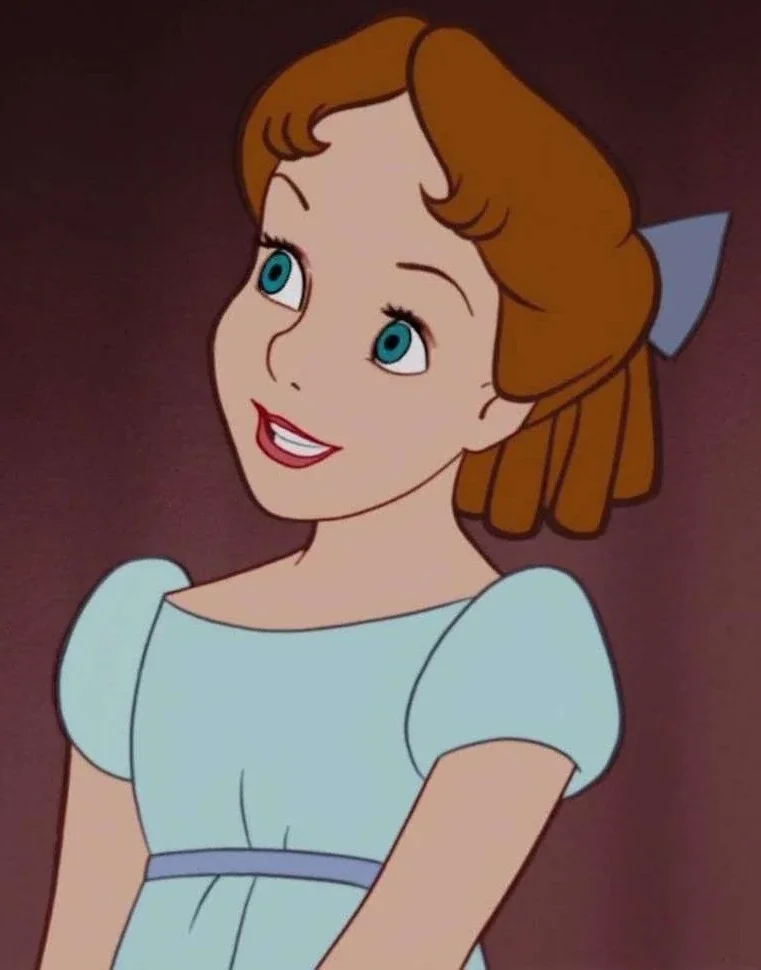
Which song can we find this reference in?
Wendy is referenced in Cardigan—track 2 on Folklore.
Who is she?
Wendy is a reference to the character Wendy Darling from J.M. Barrie’s Peter Pan. Wendy is known for her nurturing, responsible, and compassionate nature, often acting as a caretaker to Peter Pan, her little brothers, and the Lost Boys. She embodies loyalty, maturity, and emotional grounding, serving as a stabilizing presence in a chaotic world.
Why does Taylor reference her?
Taylor references Wendy to draw on themes of love, nostalgia, and memory. In Barrie’s 1904 tale, Peter visits Wendy several times before ever taking her to Neverland, but he always leaves. Eventually, Wendy goes with him to Neverland, where time moves slowly, and he wants her to stay forever as his “mother.” Wendy ultimately returns to the real world and grows up—though she never forgets Peter or the adventures she had.
In Cardigan, Taylor channels that same feeling: the song reflects on youthful romance that is magical but must end, while still leaving a lasting mark. The music video reinforces this with fairy-like greenery reminiscent of Kensington Gardens, the original setting for Peter Pan, and gold dust from the piano that mirrors pixie dust from the Disney movies.
It’s also worth noting the Peter Pan references throughout the song, most prominently with “Peter losing Wendy.” In the 1953 animated Disney version, Wendy even says a similar line:
“Peter Pan! Oh, Peter! I knew you’d come back.”
By invoking Wendy, Taylor captures the bittersweet nature of love and memory—how some experiences shape you long after they’re over.
Oh, if you’re ever heading to London: here’s a Taylor-inspired itinerary you might like!
Honorable Mention
Taylor continues the Peter Pan metaphor in Peter from The Tortured Poets Department: The Anthology. Here, she takes Wendy’s perspective, knowing she’s “lost Peter” because he never truly grew up. The line about being “preserved from when we were just kids” reflects holding onto the simplicity and magic of youth. It’s a bittersweet look at promises unkept and love that lingers even after growing up.
Oh, and by the way—if you’ve noticed the name of my site, it shouldn’t come as a surprise that Peter is one of my favorite Taylor songs. Here’s a video of me live recording it (as the happiest woman on the planet while bawling my eyes out) during the Eras Tour in Stockholm!
8. Juliet
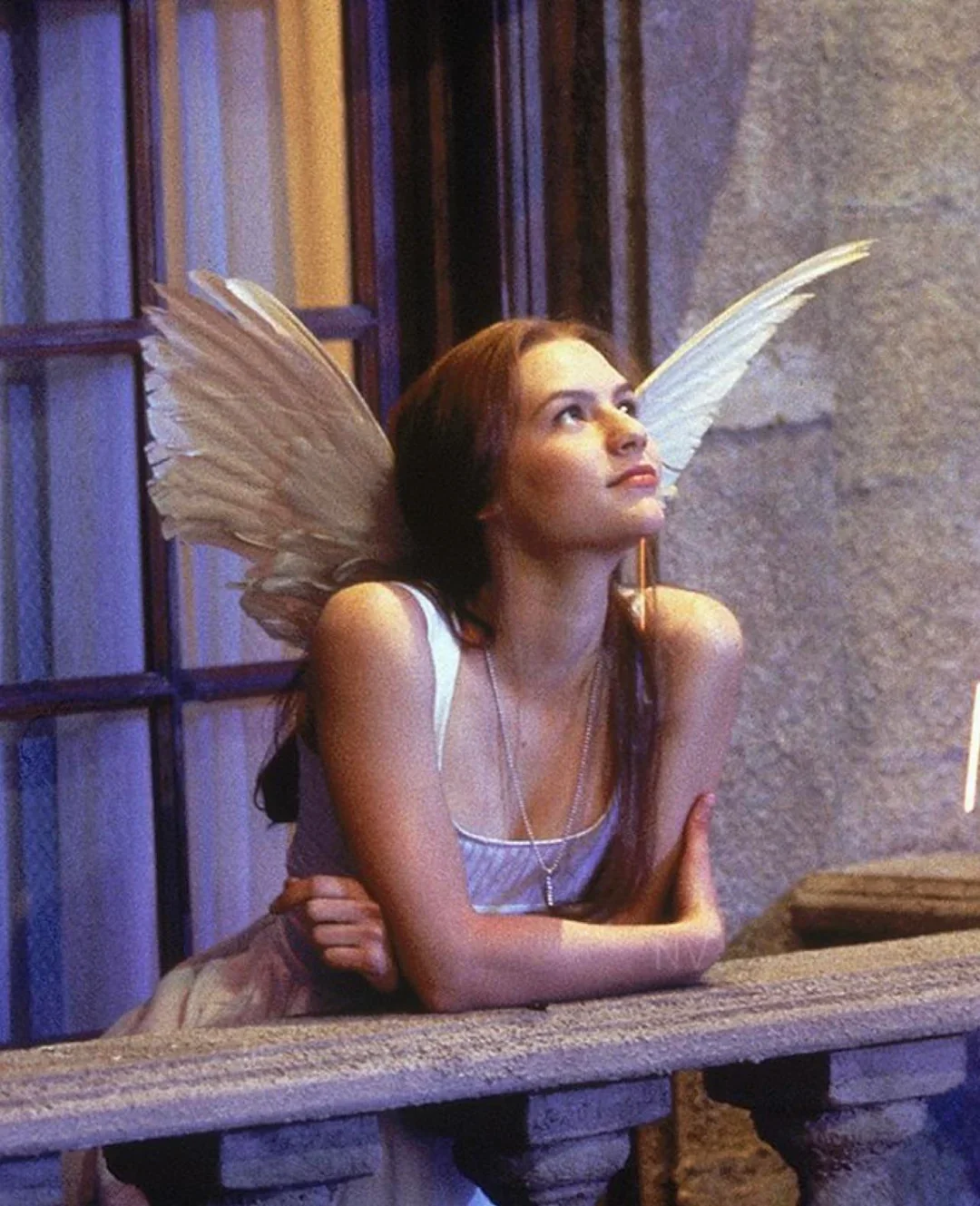
Which song can we find this reference in?
Juliet is referenced in Love Story—track 3 on Fearless.
Who is she?
Juliet is the iconic character from Shakespeare’s Romeo and Juliet. She’s young, passionate, and willing to defy her family for love. Her story is a classic tale of romance, risk, and the intensity of first love.
Why does Taylor reference her?
Taylor references Juliet to frame Love Story as a tale of forbidden love and the thrill of risk. In Shakespeare’s play, Juliet must navigate family expectations and societal pressure while pursuing her love for Romeo. Similarly, Taylor’s song channels that feeling of urgency, secrecy, and devotion—making us feel the intensity of young, all-consuming love.
By invoking Juliet, Taylor casts the narrator as a fearless lover who is ready to take risks for the sake of love, turning a personal story into a universal anthem for anyone who’s ever loved boldly.
9. Bonnie
Which song can we find this reference in?
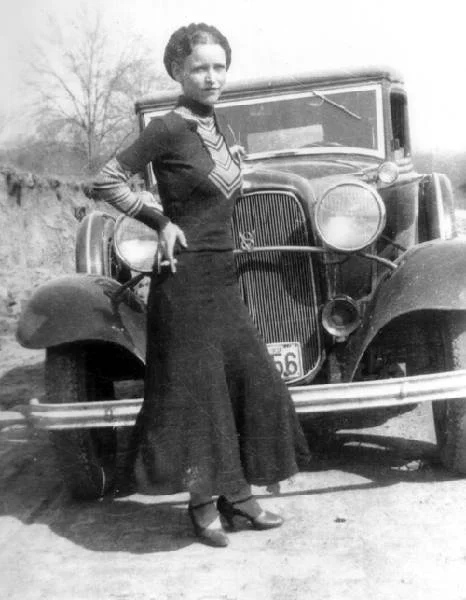
Bonnie is referenced in Getaway Car — track 9 on Reputation.
Who is she?
Bonnie Parker is the infamous half of the outlaw duo Bonnie and Clyde. During the Great Depression, they traveled across the central U.S., robbing banks, small stores, and petrol stations, and were responsible for the deaths of at least nine police officers and several civilians. Their story has become legendary in American folklore for their romantic involvement and criminal exploits. They were eventually shot and killed in a police standoff in 1934.
Why does Taylor reference her?
Taylor references Bonnie to illustrate a relationship that’s exciting, intense, and doomed. In Getaway Car, the Bonnie and Clyde imagery shows a love that feels thrilling and unstoppable…until reality catches up. The “getaway car” can only take them so far before the inevitable demise, reflecting the highs and lows of fast-moving, all-consuming romance.
10. Stella McCartney

Which song can we find this reference in?
Stella McCartney is referenced in London Boy — track 11 on Lover.
Who is she?
Stella McCartney is a British fashion designer known for her stylish, modern, and sustainable designs. She is the daughter of Beatles legend Paul McCartney and Linda McCartney. Stella has built a reputation for creating stylish, eco-friendly fashion that aligns with her values.
Why does Taylor reference her?
Taylor references Stella McCartney in London Boy to highlight the glamorous, fashionable side of London life. The mention of Stella nods to Taylor's admiration for iconic London figures and brands, connecting her own style and persona to the city's culture. In the song, the reference adds a playful, aspirational vibe, showing the narrator enjoying the perks of love and lifestyle in the city.
A little fun fact / extra context
Taylor Swift and Stella McCartney have been friends for years and collaborated on a fashion collection inspired by Taylor's Lover album. The "Stella x Taylor Swift" capsule collection, released in 2019, featured sustainable pieces like tie-dye t-shirts, hoodies, and jackets adorned with pastel colors and heart motifs, reflecting the dreamy aspects of the album (you can still find some pieces on Ebay). The collection was available at select Stella McCartney stores and online, offering swifties a chance to wear pieces that echoed the aesthetics of Lover.
12. Patti Smith
Which song can we find this reference in?
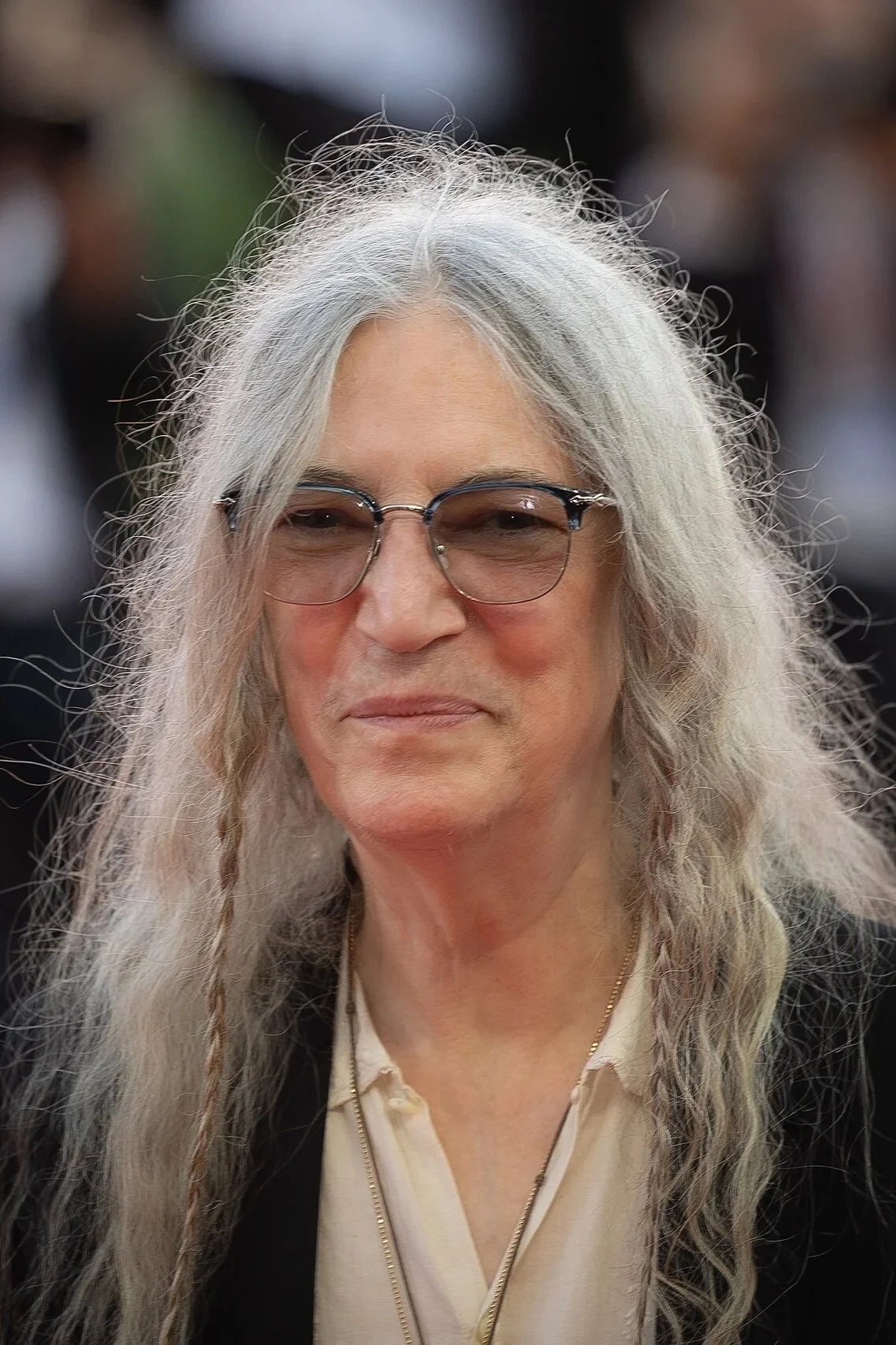
Patti Smith is referenced in the song The Tortured Poets Department—track 2 on The Tortured Poets Department.
Who is she?
Patti Smith is an American singer-songwriter, poet, and visual artist, often called the "punk poet laureate." She is known for blending rock and poetry, inspiring generations of musicians and writers with her rebellious, creative character.
Why does Taylor reference her?
In the song, Taylor says:
"You're not Dylan Thomas, I'm not Patti Smith / This ain't the Chelsea Hotel, we’re modern idiots"
Here, she’s playfully self-deprecating. Taylor acknowledges that neither she nor her lover are literary or cultural legends like Patti Smith or Dylan Thomas. Their romance, unlike the famous Chelsea Hotel (a spot both Dylan Thomas and Patti Smith frequently visited), is not legendary—it’s ordinary and fleeting.
By invoking Patti Smith, Taylor contrasts epic creative personas with the humbler reality of her own love life, calling herself and her partner “modern idiots” navigating a short-lasting romance.
Honorable Mentions
Abigail—Taylor’s best friend from High School. Mentioned in “Fifteen” and “Ruin the Friendship”.
Inez, James, Betty—Blake Lively’s and Ryan Reynolds’ children. Mentioned in the song “Betty”. James is also featured on the song “Gorgeous”.
Este—one of the Haim sisters. Mentioned in the song “no body, no crime”.
Marjorie—Taylor’s grandmother. Mentioned in the song “Marjorie’”.
I hope this was helpful in understanding some of the references and backstories of these fascinating women from Taylor Swift’s songs.
If I missed something or you have another interpretation of a reference, let me know—I’d be happy to add it!
More Taylor Swift


Curious to see London through Taylor Swift’s eyes? Then London Boy is the perfect place to start. From Hampstead Heath to Camden Market, Soho to the West End, Taylor name-drops some of London’s most iconic spots. In this guide, I’ll take you through each location, share tips on what to do there, and help you explore London from a Swiftie’s perspective.