Planning a European Road Trip? Here’s What You Need to Know
“All he needed was a wheel in his hand and four on the road.”

One of the best things about traveling around Europe is how easy it is to turn your vacation into a road trip. Within a few hours, you can cross a border, discover a completely different culture, and stumble upon places you never would have found by train or plane. That said, driving in Europe isn't the same everywhere. Every country has its own rules, toll systems, and road regulations, so it's worth doing a little homework before you leave.
The good news? Once you've got the basics covered, driving around Europe is surprisingly straightforward. Whether you're planning a scenic road trip through the Alps, hopping between charming villages in France, or exploring multiple countries in one vacation, having your own car gives you the freedom to stop whenever something catches your eye.
This guide covers everything you need to know before setting off, from the documents you'll need and country-specific driving rules to practical tips that will make your trip a whole lot smoother.
Let’s go - Here are some things to consider before you go on your European Road Trip:
Documentation
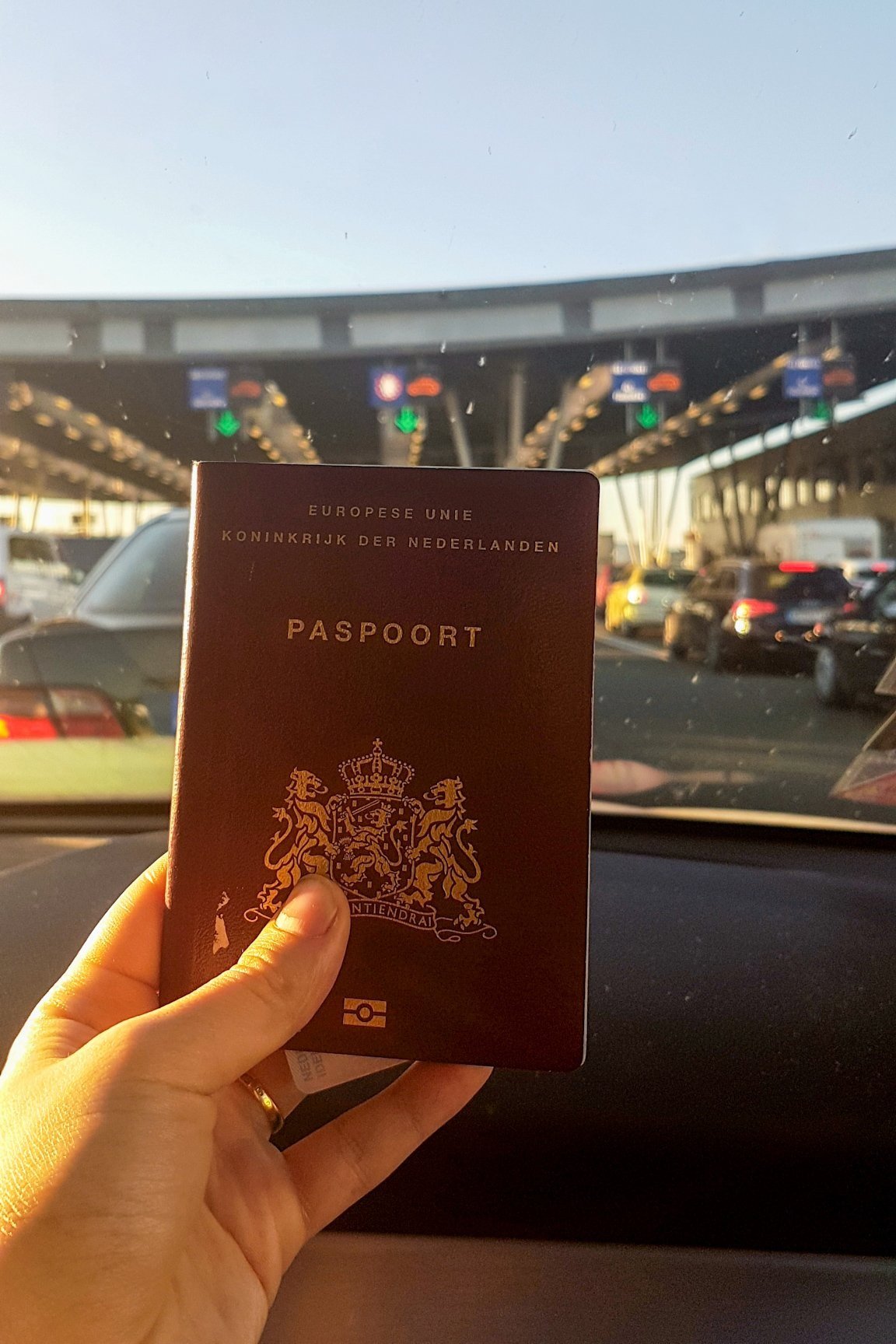
Before you hit the road, make sure you have all the necessary documents with you. At a minimum, you'll want to bring your valid driver's license, passport or ID card (depending on where you're traveling), and your vehicle registration. If you're renting a car, keep a copy of your rental agreement handy as well.
It's also worth checking whether you'll need an International Driving Permit (IDP). Depending on your destination and the country where your driver's license was issued, some countries require you to carry one alongside your regular license.
If your route takes you outside the European Union or into countries with different entry requirements, make sure you've checked whether you need any additional documents. Depending on where you're traveling, this could include a visa, proof of insurance such as a Green Card, or other paperwork for your vehicle.
I'd also recommend keeping digital copies of your most important documents on your phone or in cloud storage. Hopefully you'll never need them, but they can be a real lifesaver if something gets lost or stolen during your trip.
2. Car rental
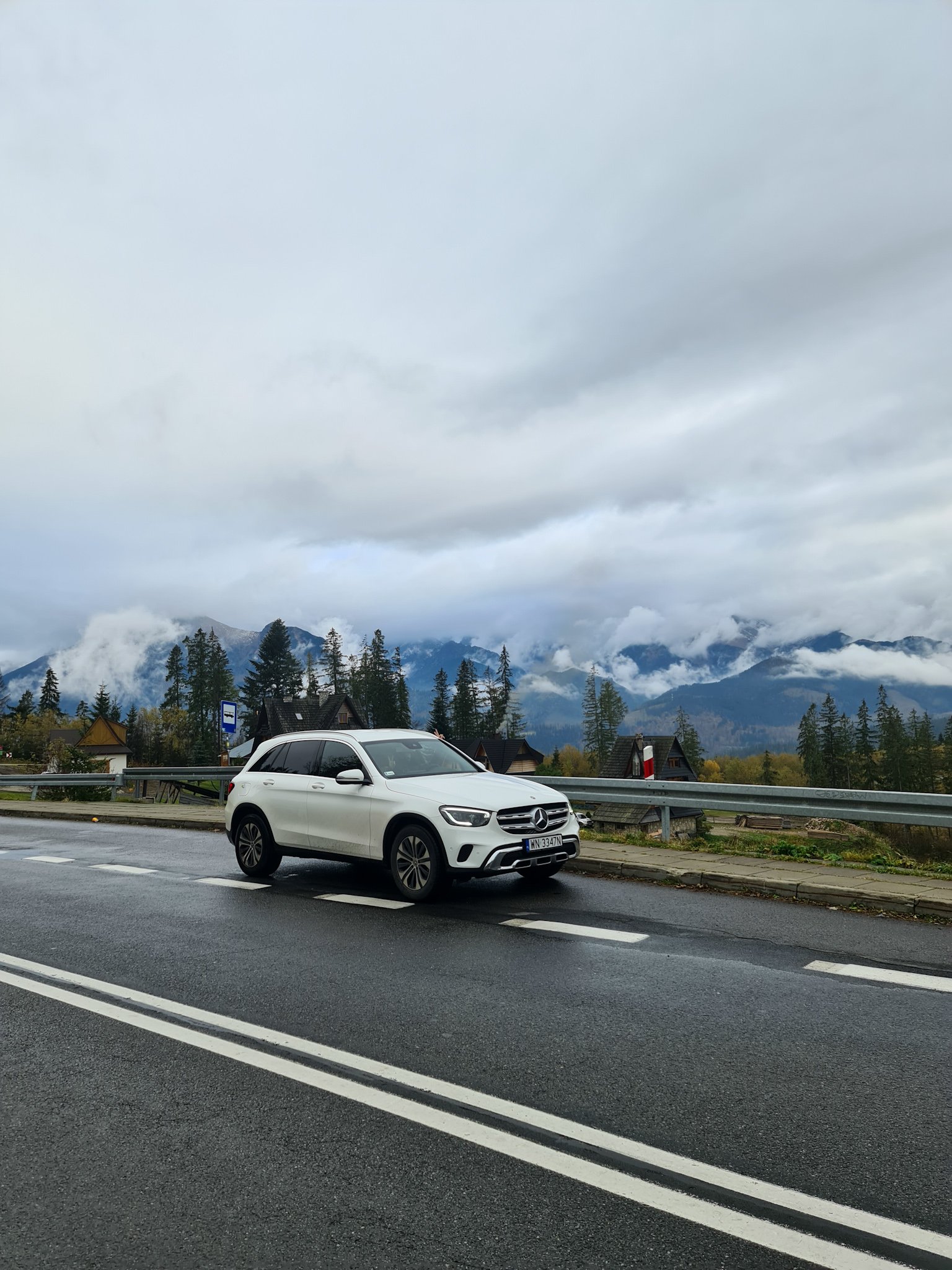
If you're renting a car for your European road trip and plan to visit multiple countries, there are a few essential factors to consider. First, choose a reputable car rental company that allows cross-border travel and flexible drop-off options in different countries. I would advise using one of these three:
Europcar: Europcar is one of Europe's largest car rental companies, with a vast network of branches across multiple countries. They offer various vehicles, flexible rental options, and comprehensive coverage options.
Hertz: Hertz is another well-known car rental company with a solid European presence. They have numerous rental locations throughout the continent, providing a wide selection of vehicles and convenient services for road trippers.
Avis: Avis is a globally recognized car rental brand with a strong foothold in Europe. They offer many rental cars, including luxury and specialty vehicles. With numerous locations across Europe, Avis provides reliable services for travelers exploring the continent by road.
Make sure the rental agreement includes appropriate insurance coverage for the countries you'll visit. Ideally, I usually book rental cars with an American Express card because of the included insurance. Before you book a car, please check what type of insurance/coverage is already included in your credit card, so you don’t end up paying double. This happened to me once in Italy, and I ended up paying €200 extra for no reason at all. Learn from my mistakes and be informed before you hit the road.
3. Parking and Overnight Accommodations

Parking in European cities can be challenging, especially in popular tourist areas. Research parking options in advance, such as public parking garages or designated parking zones, and familiarize yourself with local parking regulations. In some instances, consider leaving your car outside the city and using public transportation to get to your accommodation. For example, I had the brilliant idea of driving to my hotel in Sicily in the center of Taormina. The roads are uphill, narrow, and packed with tourists who will not move. When I finally arrived at the hotel, I was so happy that I hugged the doorman. Never, ever again.
If you plan to stay overnight in your vehicle or camp along the way, you can research dedicated campgrounds or designated areas where overnight parking is permitted. In some countries, spending the night in your vehicle is not allowed, so please check the laws of each country beforehand. Additionally, don’t forget to consider that some hotels may charge you for parking and require a reservation in advance.
4. Toll Roads and Vignettes
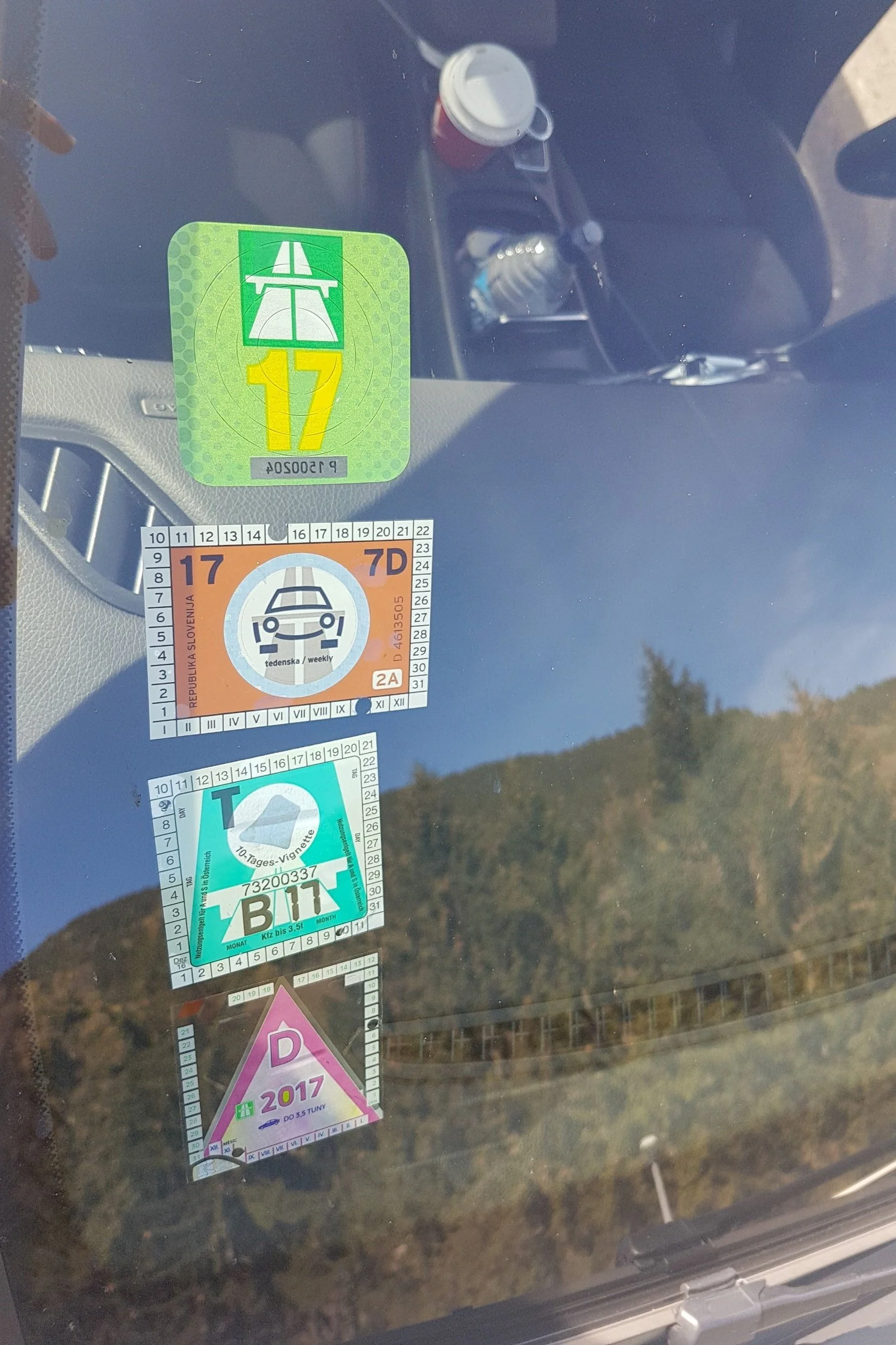
Many European countries charge tolls for using certain highways, while others require you to purchase a vignette before you can drive on motorways. The system varies from country to country, so it’s worth checking the rules before your trip. In France, for example, you generally pay tolls as you drive, while Switzerland requires a motorway vignette.
You can now buy the Swiss e-vignette online before (or even during) your trip, which is what I did the last time we drove there. It’s linked to your license plate, so you don’t need to stop at the border or attach a sticker to your windshield.
I’d always recommend checking the requirements for every country on your itinerary and budgeting for these additional costs in advance. Buying any necessary vignettes ahead of time also means one less thing to think about once you’re on the road.
5. Route Planning and Navigation

Proper route planning is crucial for a successful road trip. Research and map out your desired destinations, considering factors like distance, travel time, and attractions along the way. Utilize reliable navigation tools such as GPS devices or smartphone apps to assist you during the journey. Familiarize yourself with local road signs and traffic rules for each country you'll be driving through.
Navigating roundabouts can be one of the most significant differences and challenges you'll encounter when driving through Europe. Each country has its own traffic rules and roundabout regulations, which may vary from what you're accustomed to. It's essential to familiarize yourself with the specific rules of the countries you'll be visiting and understand how to approach, enter, and exit roundabouts safely and confidently.
6. Packing Essentials
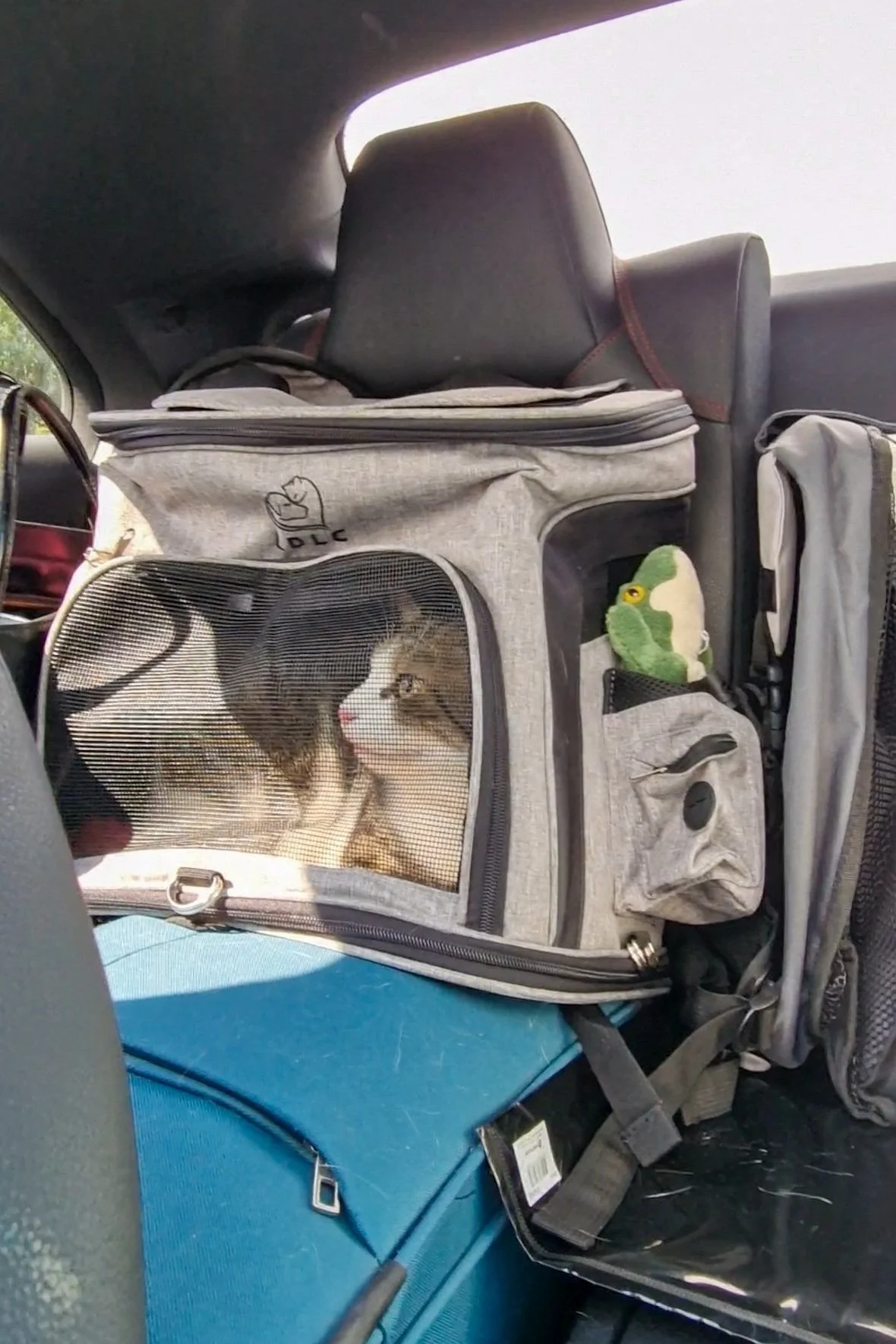
When preparing for a European road trip, pack lightweight and versatile clothing that can easily adapt to different weather conditions. Opt for layers like lightweight jackets and cardigans, suitable for both warm and cool temperatures. It's also essential to have a well-stocked first aid kit, including band-aids, antiseptic ointment, pain relievers, and any necessary prescription medications.
Remember to secure comprehensive travel insurance that covers medical emergencies, trip interruptions, and rental vehicle damages. Additionally, bring a universal power adapter for European electrical outlets and a portable phone charger to ensure a reliable power source during long drives.
Would you like a more detailed list of what to bring? Here are some packing essentials you might want to bring on your trip to Europe.
7. Cultural Considerations

One of the fun parts of a European road trip is how quickly everything can change once you cross a border. The language, food, road signs, and even driving habits can feel completely different within just a few hours.
You don’t need to study every country in detail before you leave, but learning a few basic words such as “hello,” “please,” and “thank you” is always useful. Even when people speak English, making a small effort in the local language is usually appreciated.
It’s even more important to check the local driving rules. Speed limits, priority rules, headlight requirements, and what you’re expected to carry in the car can all vary between countries. Driving styles can also take a little getting used to, so pay attention to how traffic moves and don’t assume the rules are exactly the same as they are at home.
A little research before crossing each border can save you from fines, confusion, and some very stressful moments behind the wheel.
Preparing for your European road trip requires careful planning and attention to detail. By ensuring you have the necessary documentation, conducting thorough route planning, properly preparing your vehicle, packing smartly, and being aware of cultural considerations, you'll be well-equipped to embark on a memorable journey. So, buckle up, embrace the adventure, and get ready to create unforgettable memories on your next road trip.
If you have any additional questions, feel free to reach out. Happy Travels!
More Travel Essentials & Tips