Summer Packing List for Europe: What to Bring & What to Wear
“The story starts when it was hot and it was summer.”
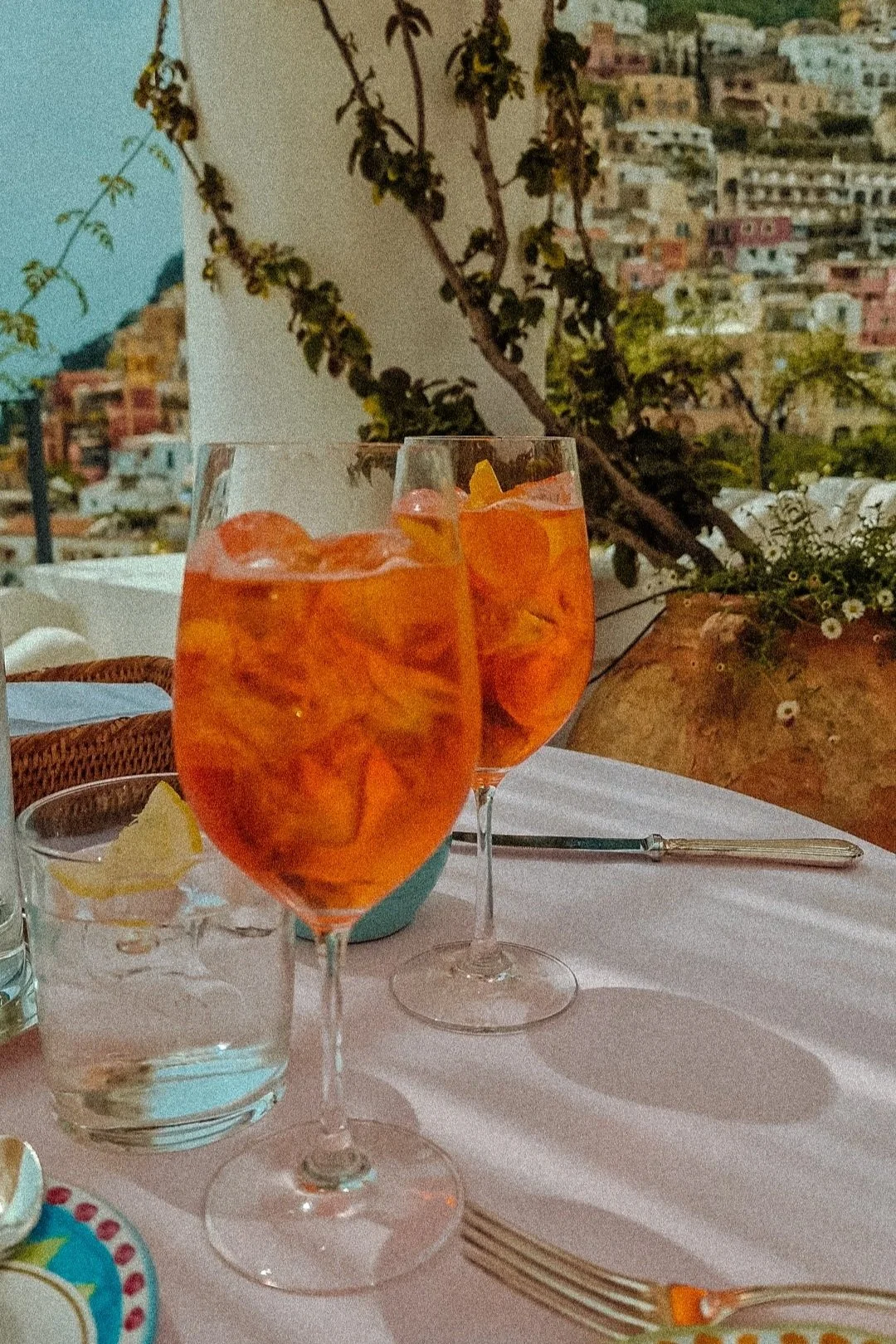
It’s almost time! Finally, you’re taking that trip to Europe you’ve always dreamed of. Whether your itinerary takes you to the picturesque towns in the Tuscan countryside or the enchanting cobblestone streets of Prague - there are a couple of things any type of traveler should pack.
As you navigate your way through this diverse continent, remember that every country has its cultural customs and trends. Make sure to pack light and versatile clothing that can be mixed and matched, depending on your needs and location. Also, consider the type of activities you plan to do and pack accordingly.
I know it might seem overwhelming if your trip takes you to multiple countries. Don’t worry, I’m here to help you. If you’re planning a European road trip, check out my detailed guide for tips. By following this packing list, you'll be well-prepared for your summer adventure in Europe.
Let’s go - Here are some packing essentials + tips for your next summer in Europe:
Easy To Carry Luggage
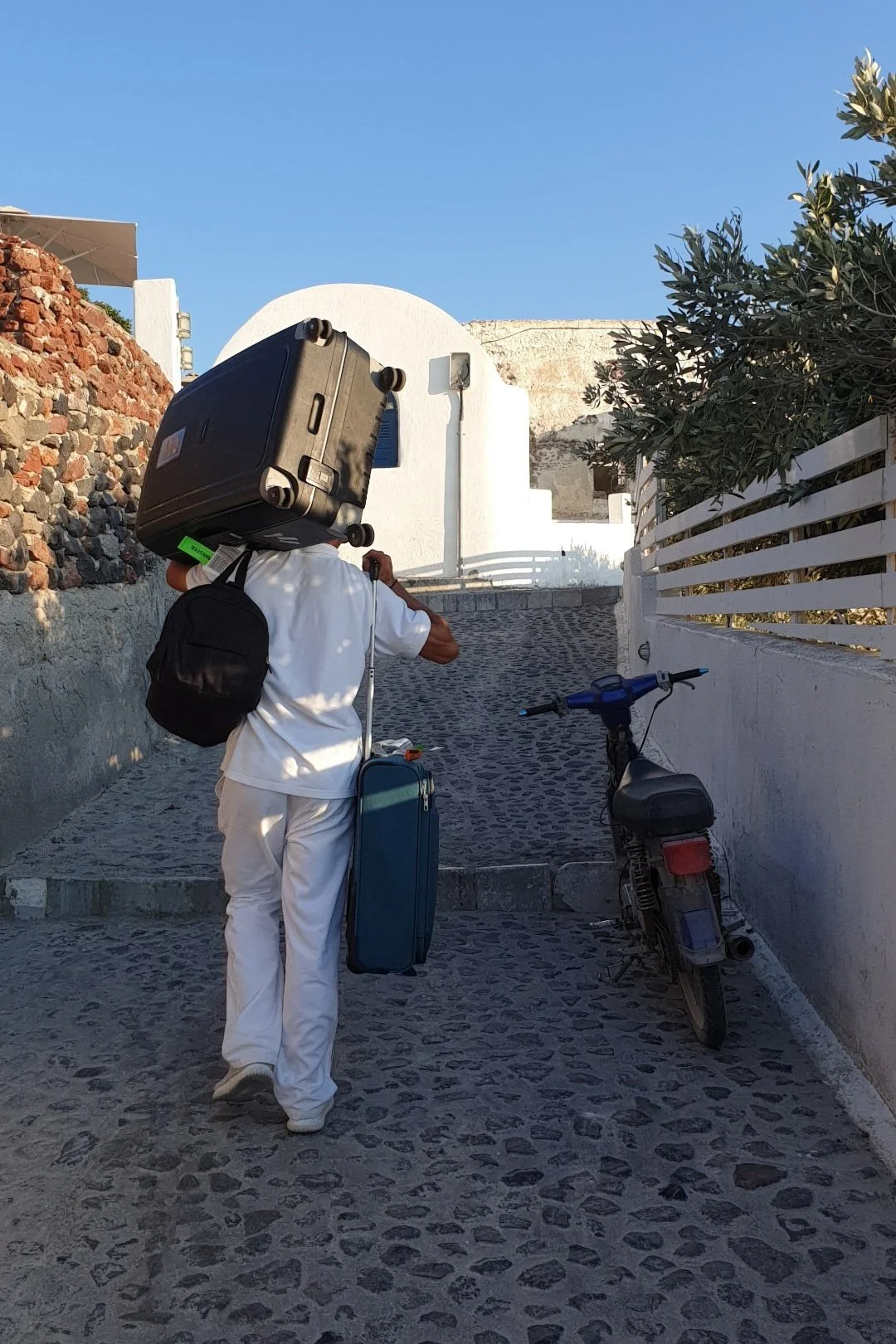
If you’re planning on visiting multiple locations, I think it’s safe to say you’ll need luggage you can easily carry. Just imagine yourself going up and down those stairs you’ve seen in those beautiful pictures of the Amalfi Coast… doesn't look pretty, right? Depending on how you plan to travel (if you’re on a roadtrip by car, this won’t be an issue, and you can easily take your monster of a suitcase with you), you might want to consider bringing a backpack with multiple compartments. I’m saying this because most European cities will have narrow streets of cobblestones and/or many stairs. A backpack is the way to go, especially if you plan to take trains.
If you don’t want to take a backpack, ensure your suitcase isn’t too heavy to carry up and down stairs or onto a train. One more thing — not every subway station will have an elevator/escalator, so be prepared to do some heavy lifting.
2. Comfortable Walking Shoes

Yes, Europe isn’t just one country, but in my personal (European) opinion, sneakers are a universal fashion staple across most cities and towns. You’ll probably do a lot of walking while sightseeing — from cobblestone streets to sprawling parks — so comfortable shoes aren’t just a nice-to-have, they’re an absolute must. Trust me, sore feet can quickly put a damper on your trip.
Sure, you’ll want to wear nice ballerinas or sandals with your summer dresses, but this is really the time to pull out the classic “Who says I can’t wear my Converse with my dress?” Look stylish and stay comfortable as you explore. Want to blend in seamlessly with the locals? A classic pair of Nikes will do the trick. If you’re looking to mix comfort with a bit more style, consider trending brands like New Balance, Hoka, or On sneakers — they balance fashion and function perfectly. Whatever you choose, make sure they’re broken in before your trip, so you can explore all day without any foot pain slowing you down. And if you do get blisters, carrying a blister stick can be a lifesaver to soothe and protect your skin on the go.
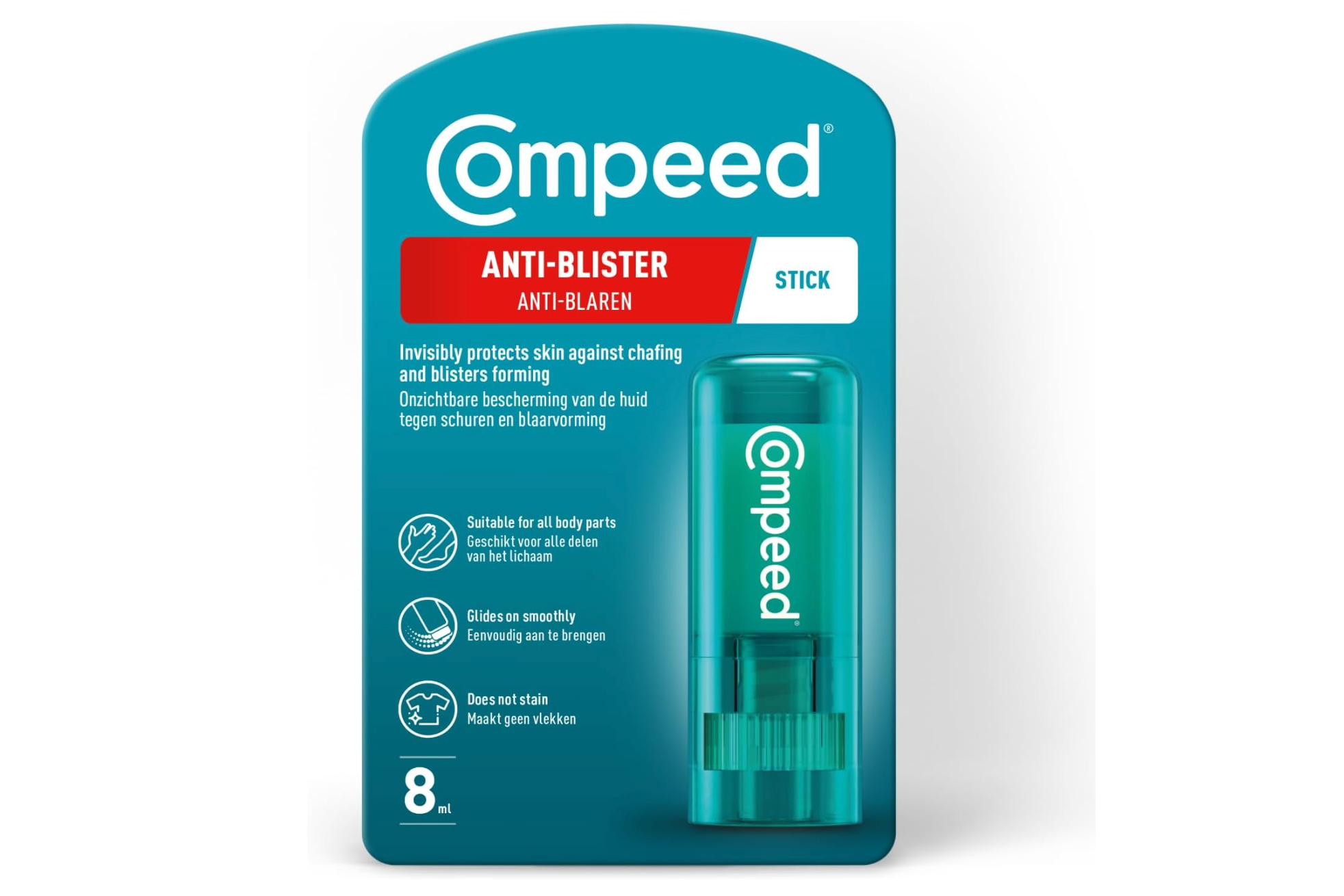
No uncomfortable walks here
Your new best friend for all that walking you’ll be doing.
3. Travel Adapter

When traveling to Europe, bringing a travel adapter is essential to keep your devices charged and ready to use. European power outlets are designed for different plug shapes and voltages than other places in the world, so bringing a travel adapter will ensure that you can use your electronics without worrying about compatibility issues. Keep in mind that the UK uses a different socket type than mainland Europe, and even within Europe, older buildings — like many in Italy — sometimes have plugs that differ from the standard you might expect.
Without the right adapter, you may be unable to charge your phone, camera, or other devices, which can be a major inconvenience while traveling. Be sure to research ahead of time to determine what type of adapter you'll need for the countries you'll be visiting, and consider bringing a universal adapter that can be used in multiple locations to make things even easier.
Most importantly, before you decide to carry your own hairdryer or Dyson around Europe, please make sure the voltage matches. Otherwise, you can damage your device severely, and it’s very likely it won’t even work.
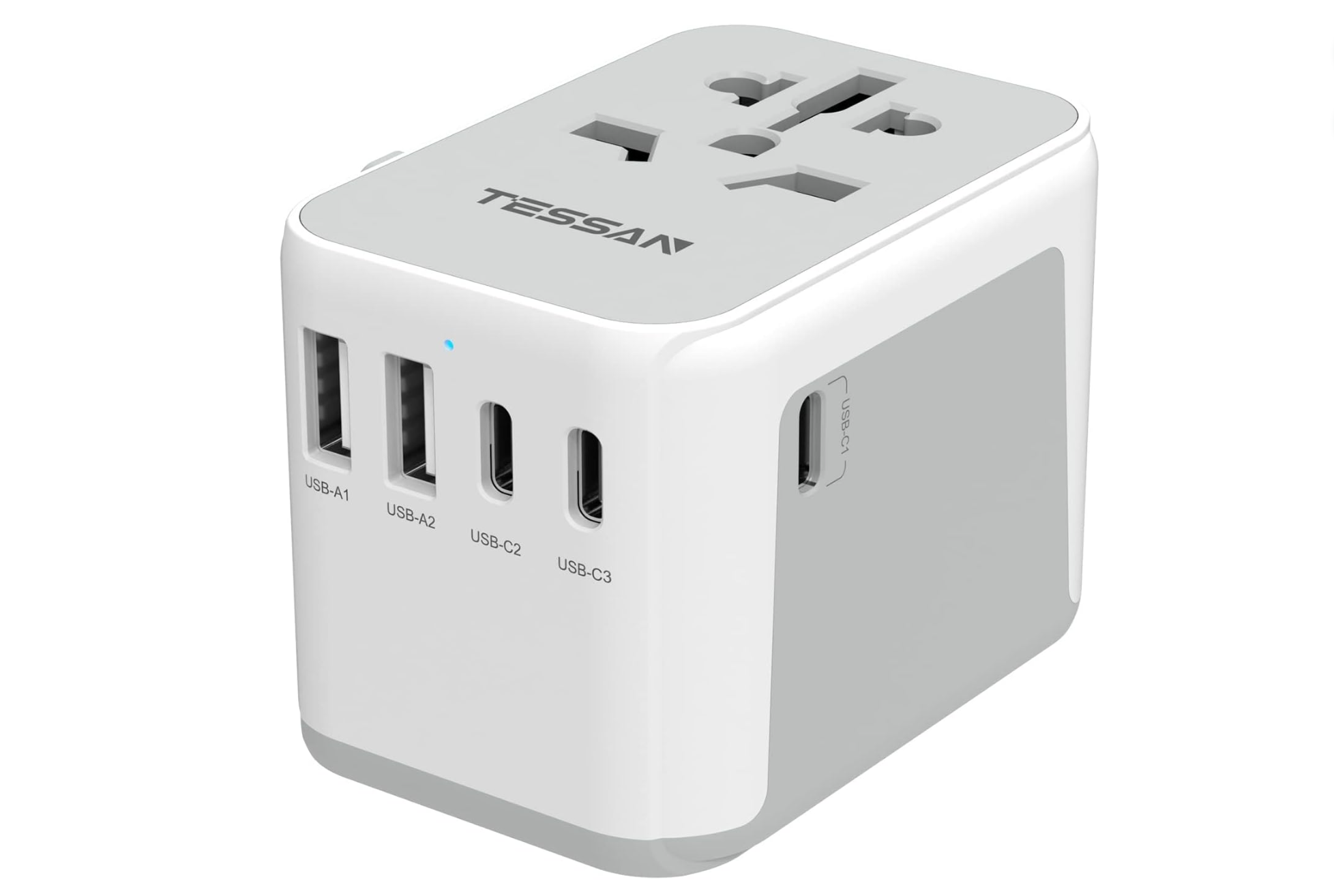
Universal Travel Adapter
Charged and ready to go.
4. Light Layers & Cover-ups

As we’ve established before, every country in Europe is different. However, the odds are that if you’re traveling in summer, it will be warm in most places you go (assuming you’re not going to the northernmost part of Norway, that is). Depending on your destination, it is advisable to bring layers so you can dress your outfit up or down without too much effort. Linen is a great, lightweight, and versatile fabric that is both on-trend and easy to style. Cover-ups are also a great option to carry around in your backpack without taking up too much space in your luggage. That way, you’re always prepared for whatever the day brings.
Are you planning on visiting religious sites such as churches? While many churches and cathedrals don't have strict dress codes, it's still respectful to cover up your shoulders and legs. Bringing a scarf or shawl to wrap around your shoulders or drape over your dress or pants is a good idea. Please keep in mind that the same applies to men. There are some locations, such as the Vatican, that do not allow anyone to enter in shorts.
Small Note: Even if you’re planning on staying on the beach all day, some restaurants by the beach still require you to wear a cover-up over your swimsuit or a t-shirt for men. This isn’t always the case, but it's probably a good thing to keep in mind when heading to the sea.
5. Small Backpack
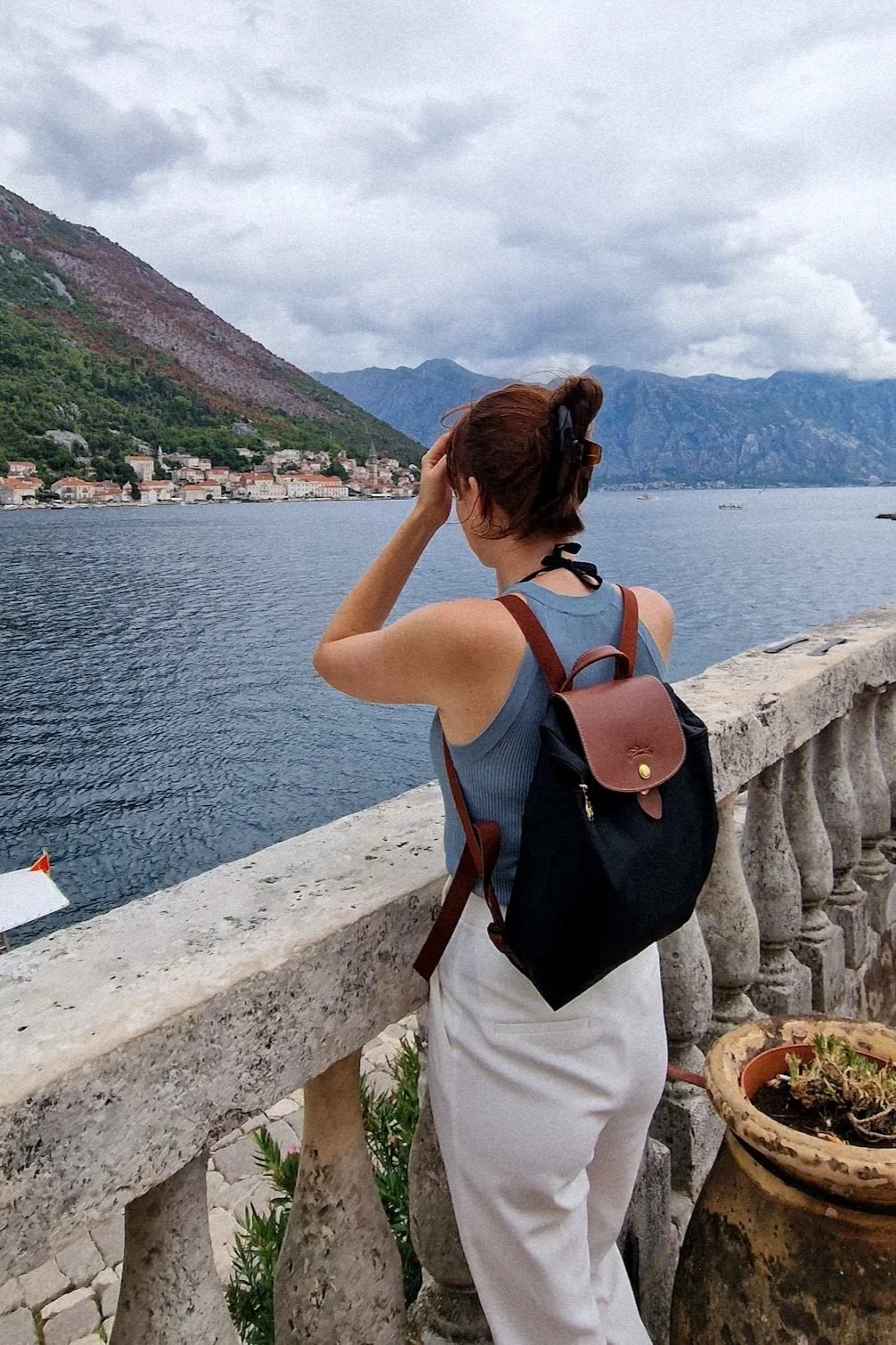
So you’re going sightseeing all day, great! Don’t forget your backpack, though. From sunscreen to water and from cover-ups to power banks, you will need a place for all of your essentials. My personal favorite is the Longchamp Le Pliage Backpack. It’s not really a travel backpack, but if you’re looking for a way to look less touristy, this one is a good option. Also, I call it my little Mary Poppins bag because even though it’s small, many things magically fit in there. No joke.
Also, in most European countries, drinking water from the tap is safe. That’s why you don’t need to carry that huge water bottle around. Bring a small water bottle that can fit easily in a backpack, and you’ll be good to go. Especially in countries such as Italy, you’ll find water fountains everywhere on the street so that you can refill your water bottle anytime.
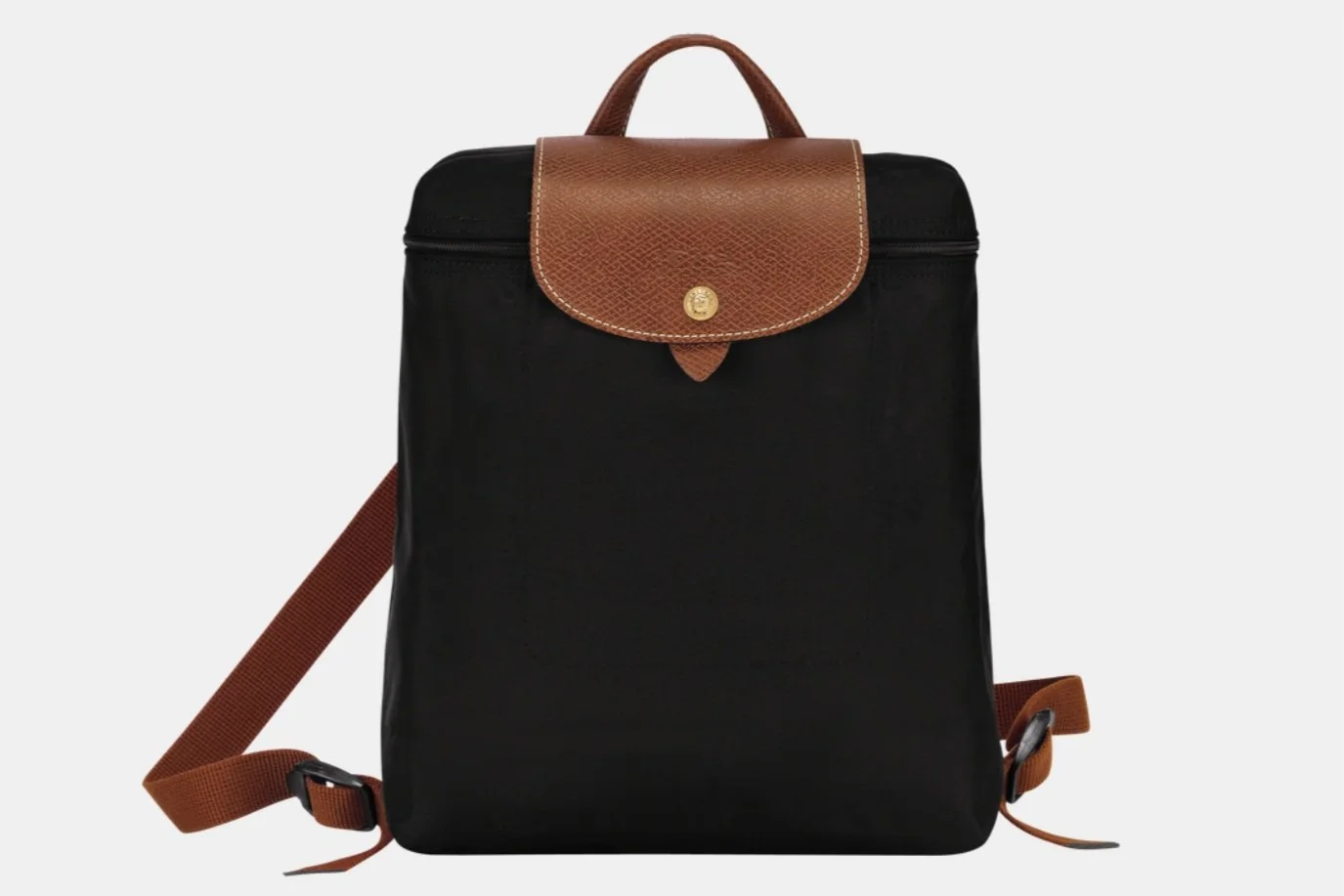
Longchamp Le Pliage Original M Backpack
Fits everything you need. That’s a promise.
6. Carry different types of payment methods
When traveling across Europe, you must consider that every country has its preferred payment method. While lots of shops/cafes in the Netherlands, for example, don’t accept cash, cash is preferred in its neighboring country, Germany. Also, to make things even more complicated, not every country accepts credit cards, and when they do, they might accept only certain credit cards (the most widely accepted card across Europe is Master Card). However, please note that most places will still need a form of identification when you use your card (preferably a passport), and you might sometimes have to insert a PIN to pay.
If you want to stay up to date on the current exchange rates, XE is a helpful app to have on your phone.
One more piece of advice: If the payment terminal or cashier/waitress asks you which currency you want to pay, always select your own, NOT the local currency. The exchange rates of the terminal are way higher than the rates your bank will charge.
7. Toiletries
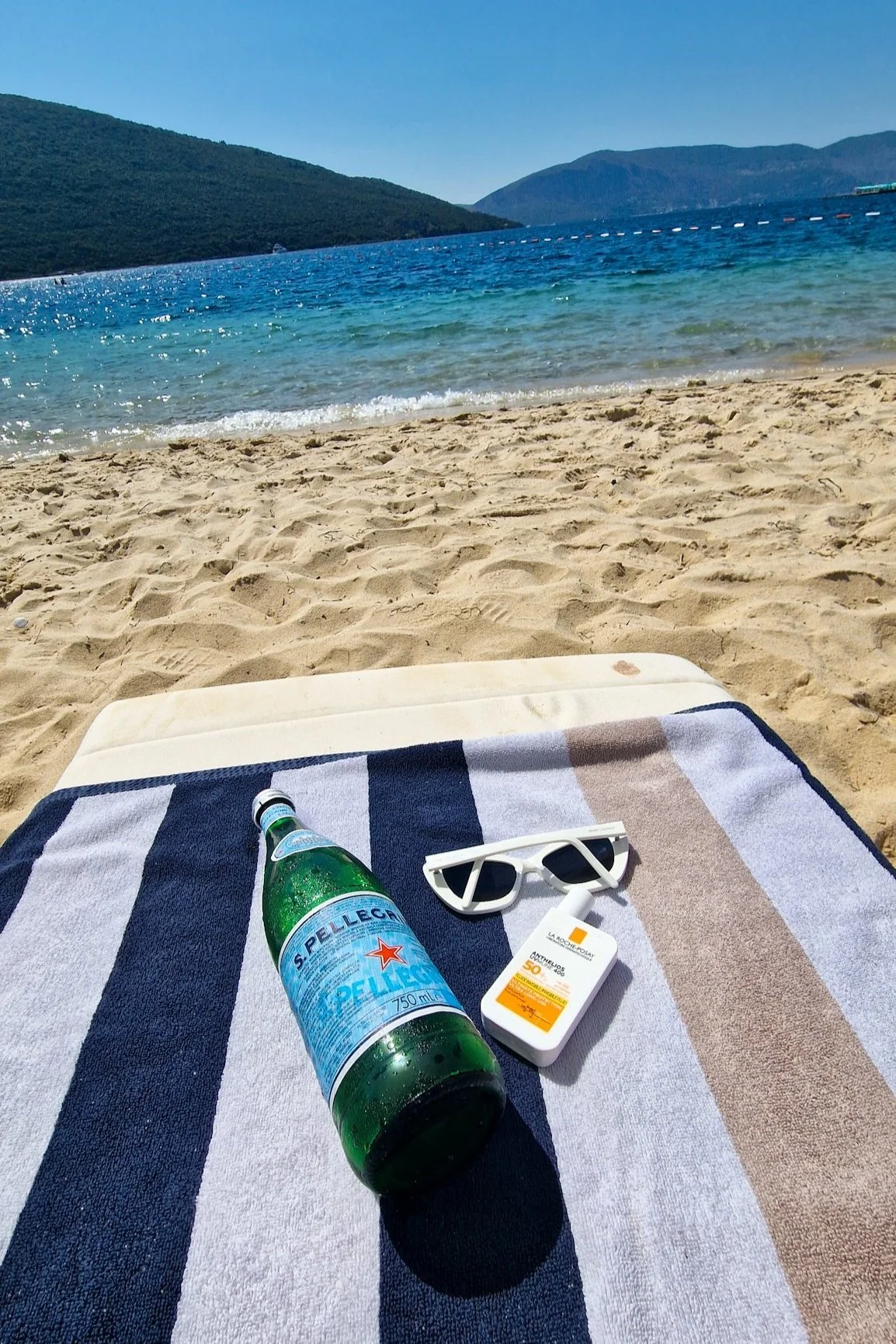
I get it. You’re conflicted about whether you should take your favorite beauty items and carry them around all summer or buy them at your destination. One thing to remember is that even the same items can contain different ingredients in other countries. An excellent example of this is skincare, more precisely — sunscreen. If you’re used to a specific brand/product, it might be wise to take those items with you but in a travel bottle.
The same goes for medication. Many over-the-counter medicines in other countries require a prescription in some European countries. Depending on your needs, consider bringing some daily essentials with you when you travel.
There you have it—packing essentials and tips for your next summer trip around Europe. Have you considered any of these before? If you have any questions, feel free to reach out. Happy Travels!
More Travel Essentials