
How to Clean a Suitcase: The Ultimate Guide to Fresh, Travel-Ready Luggage
“Everything that’s heavy, I check it at the door. Kind of feel like I don’t need it anymore”
Your suitcase has probably seen it all: airport floors, rainy cobblestones, dusty train stations, sandy beaches, hotel carpets, and maybe even a luggage carousel mishap or two. Mine definitely has—it’s been dragged across half of Europe, rolled through puddles, and picked up its fair share of mystery scuffs along the way. And yet, once I’m home and unpacked, I usually shove it straight into the closet and pretend it doesn’t exist until the next trip.
Sound familiar?
I always toss my clothes straight into the laundry after traveling; it’s just part of the routine. But my suitcase? I used to ignore it completely. The truth is, after a few trips, it starts to look (and smell) like it’s been through a lot… because it has. I’ve learned that giving it a quick clean every now and then not only helps it last longer but also keeps my clothes fresher for the next getaway. So whether you’re gearing up for another adventure or finally showing your luggage some long-overdue love, here’s how to get your suitcase looking and smelling fresh again.
Let’s go - Here is a step-by-step guide on how to clean your suitcase before your next vacay:
Step 1: Empty It Completely
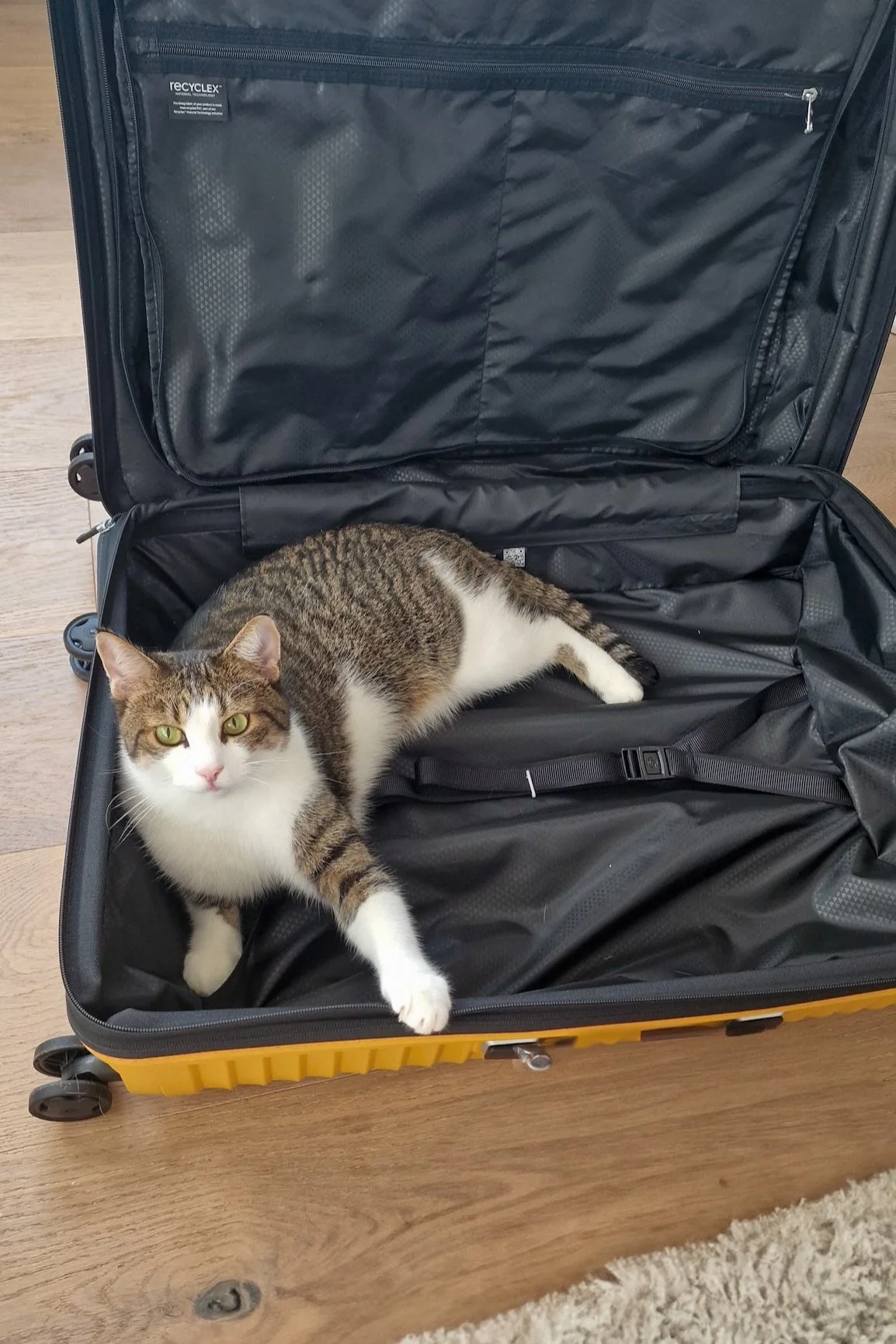
Yes, this might sound obvious—but it’s surprising how often we forget just how much stuff gets stashed away in our suitcases. Open every zipper, flap, and hidden compartment to make sure there’s nothing left behind. Dig through every pocket—those tiny side pockets, mesh compartments, and even the lining seams, because you never know what might be lurking there. Old receipts, crumpled boarding passes, stray coins, snacks that didn’t survive the last trip, or that charger you thought you left behind but actually didn’t.
Step 2: Vacuum the Inside
Once your suitcase is completely empty, it’s time to tackle the dust, dirt, and crumbs that tend to build up inside. Using a vacuum cleaner with a brush attachment is the easiest way to reach every corner, pocket, and seam. Gently run the vacuum over the lining to suck up any loose debris, dust, or even those tiny bits of sand that love to hide after a beach trip.
If your suitcase has removable liners or inserts, take those out and vacuum them separately for a deeper clean. For stubborn dirt stuck in tight spaces, a soft brush or even an old toothbrush can help loosen things up before vacuuming. This step not only freshens up your suitcase but also helps prevent unwanted smells and keeps the fabric looking neat for your next adventure.
Tip: If you want to go the extra mile, sprinkle a little baking soda over the lining before vacuuming—it helps absorb odors and leaves your suitcase feeling extra fresh. Just let it sit for about 10–15 minutes, then vacuum it all up thoroughly.
Step 3: Properly clean the Interior
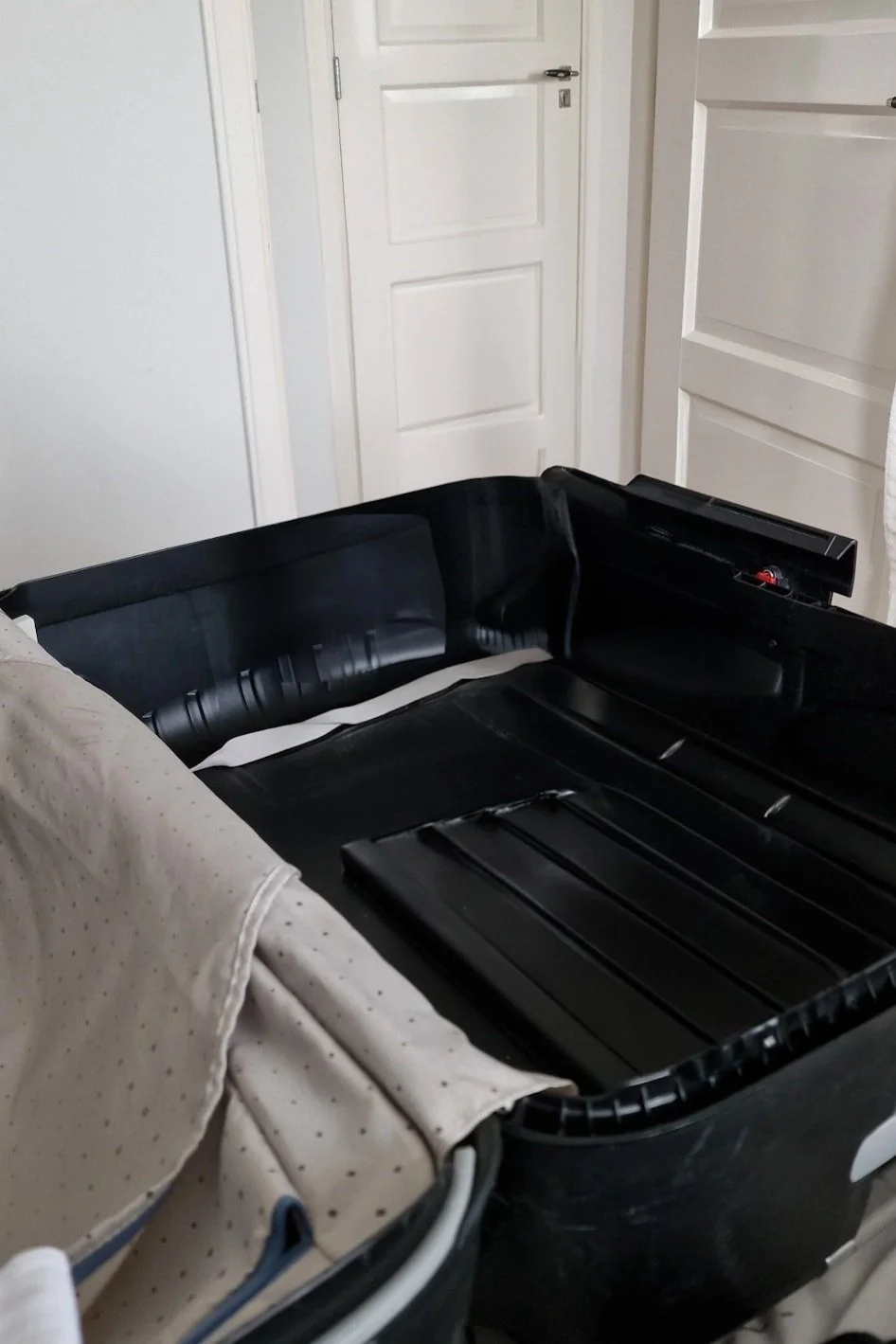
Vacuuming takes care of the loose bits, but now it’s time to give the inside of your suitcase a proper refresh. This step helps get rid of any lingering smells, marks, or spills—especially if your luggage has been through a few rough trips. Before you start, it’s important not to soak the lining. Most suitcases aren’t designed to handle a lot of moisture, and if water seeps into the padding or structure underneath, it can lead to mildew, mold, or long-lasting odors.
That said, if your suitcase has a removable interior lining (like many newer Samsonite models) you’re in luck. These are often made to be hand-washed or even machine-washed (just check the care label or the brand’s website to be sure). If it’s machine-safe, pop it into the wash on a gentle cycle with cold water and mild detergent, then let it air dry fully before reattaching. For hand washing, soak the liner in warm soapy water, gently scrub any spots, and rinse well.
If the lining isn’t removable, mix a little mild soap with warm water, dampen a soft cloth or sponge (not soaking wet), and wipe down the entire interior—including the base, walls, pockets, and seams. For any stuck-on dirt or stains, a soft toothbrush works great for gently lifting grime. Once everything’s clean, go over it again with a clean damp cloth to remove soap residue, then leave the suitcase open in a well-ventilated space until it’s completely dry.
Step 4: Take on the Exterior
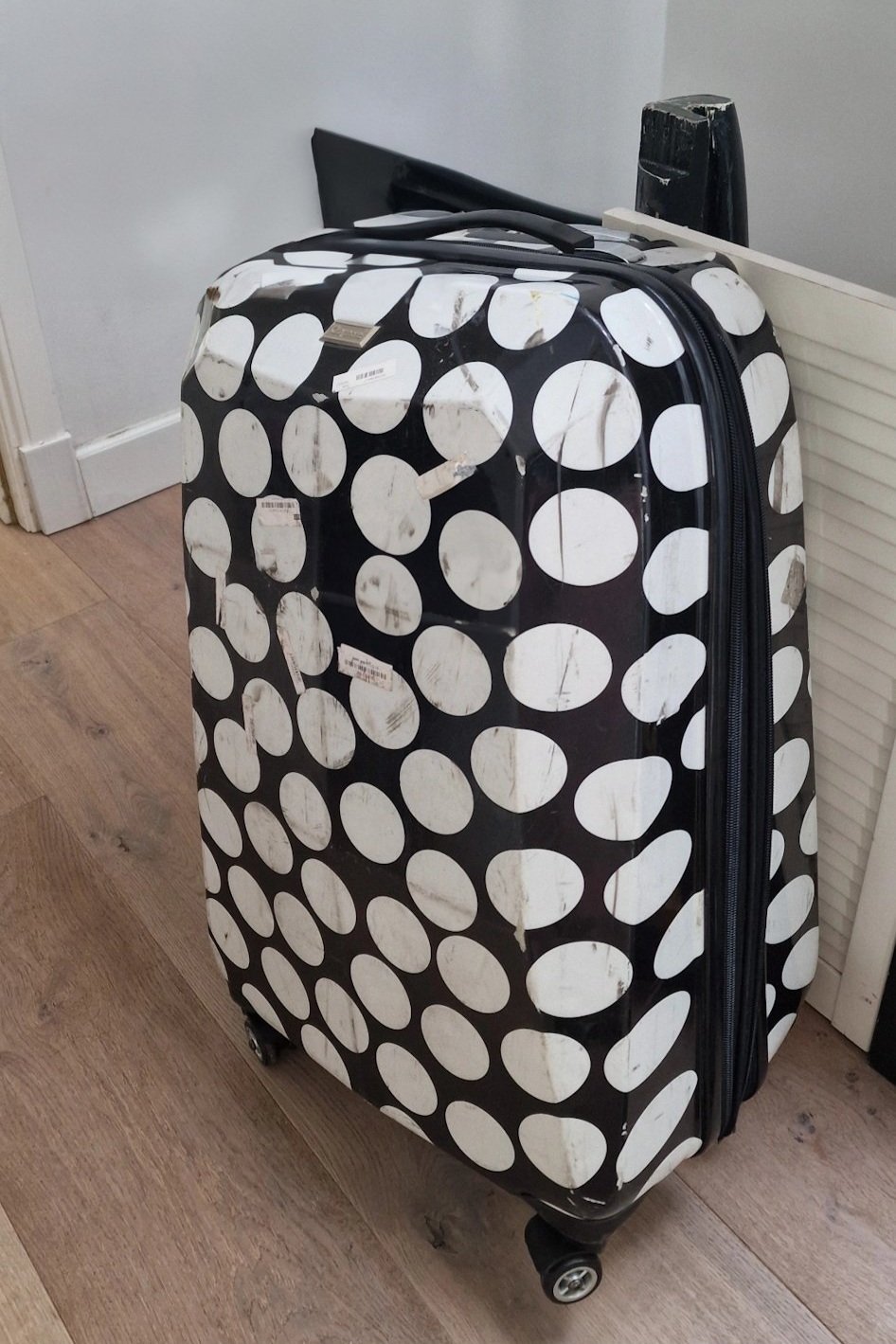
The outside of your suitcase goes through a lot: baggage belts, taxi trunks, rainy sidewalks, and pretty much every questionable airport floor imaginable. I’ve pulled mine through mud in the French countryside, sand in the Maldives, and once even over cobblestones so rough one of the wheels almost gave up. So trust me when I say, the outside needs just as much love as the inside.
Start by wiping off any loose dirt or dust with a dry cloth or soft brush. Then, depending on the material, you can move on to a deeper clean that suits your luggage.
For hard-shell suitcases:
Mix a small amount of mild soap (like Dr. Bronner’s Pure-Castile Liquid Soap or Dawn Dish Soap) with warm water and use a soft cloth or sponge to wipe down the surface. Rinse and wring the cloth often to avoid streaking. For stubborn marks or scuffs, start with The Pink Stuff paste—it’s gentle yet effective at lifting grime without harsh chemicals. Apply a small amount with a soft cloth, rub gently, and wipe clean. If marks persist and your suitcase has a hard, glossy finish, you can carefully try a Mr. Clean Magic Eraser, but always test it on a small hidden area first to avoid dulling the surface, especially on matte or colored finishes.
For soft-shell suitcases:
Use a damp cloth with a bit of mild detergent or fabric-safe cleaner like The Laundress Stain Solution (I also really recommend using The Laundress Detergent for fabrics like silk and wool, but that’s a story for another time) to spot clean dirty patches. Avoid soaking the fabric—just dab gently. For stubborn spots, a soft-bristled brush (like an old toothbrush or OXO’s Deep Clean Brush Set) works well to lift dirt without damaging the material.
For leather details:
Wipe down with a lightly damp cloth or use a leather-safe cleaner like Chamberlain’s Leather Milk (I also use this for my leather furniture) or Weiman Leather Wipes, dry with a soft towel and condition if needed to keep the leather smooth and crack-free.
After cleaning, let your suitcase air dry fully—ideally upright, with zippers open—before putting it away. This helps prevent any lingering moisture from causing mold or mildew.
Step 5: Clean the Wheels and Handles
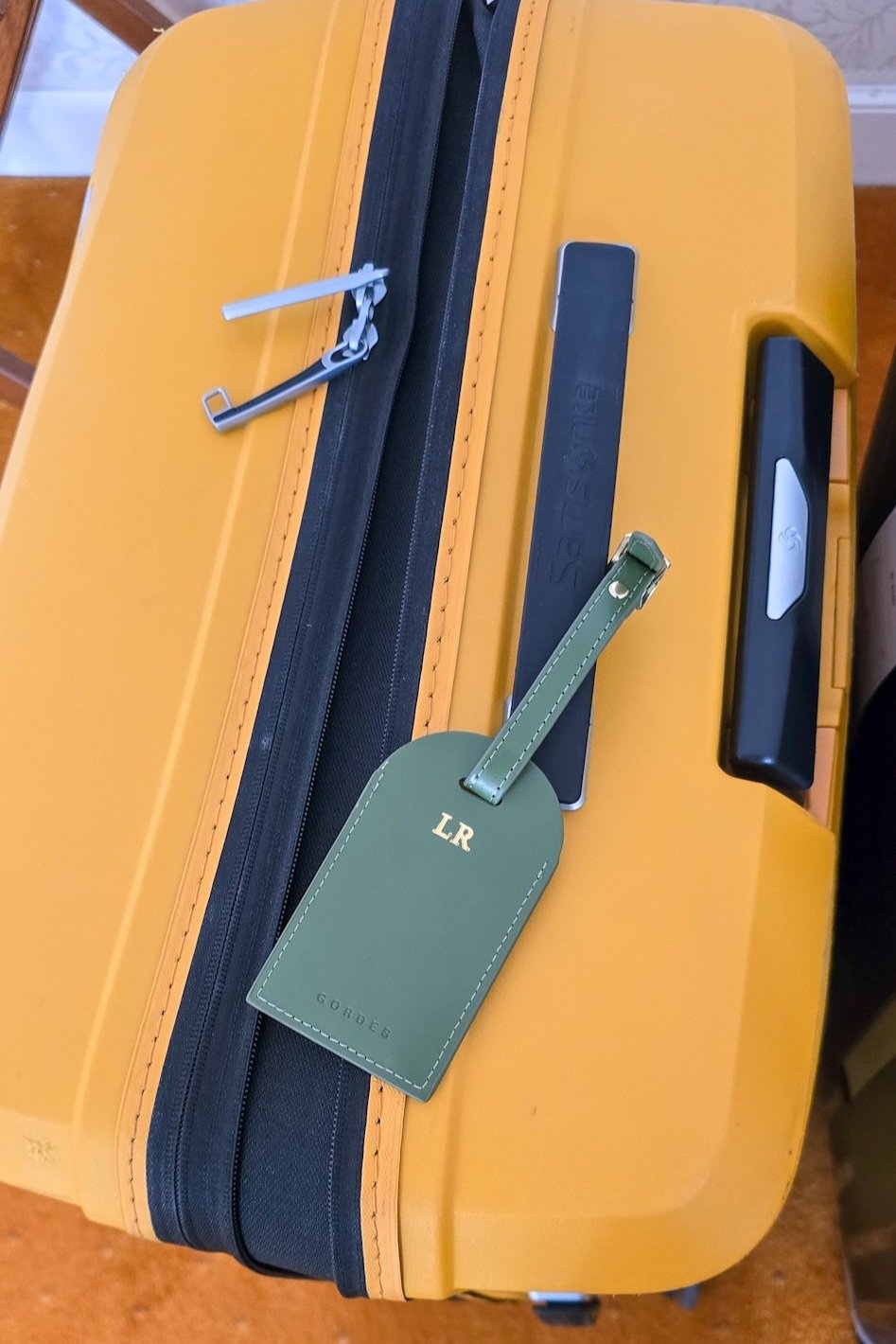
Wheels and handles often get overlooked, but they’re some of the dirtiest parts of your suitcase thanks to constant contact with various surfaces and hands. To start, wipe down the handles with disinfectant wipes or a cloth dampened with mild soap and water to remove oils and grime from frequent use.
For the wheels, use a damp cloth to remove surface dirt and dust. If dirt is lodged in the wheel grooves or around the axles, a soft brush or an old toothbrush will help loosen it. For tougher buildup, a cotton swab dipped in rubbing alcohol can clean tight spots while disinfecting. Be sure everything is dry before your next trip to keep your suitcase rolling smoothly.
Step 6: Disinfect
After cleaning, it’s a good idea to disinfect your suitcase to kill any lingering germs and keep it smelling fresh. Use a gentle disinfectant spray or wipes that are safe for the materials of your luggage. Lightly spray or wipe down both the interior and exterior surfaces, paying special attention to high-touch areas like handles, zippers, and wheels.
If you prefer a natural option, a mixture of water and a few drops of tea tree or lavender essential oil can also work as a mild disinfectant and leave a nice scent.
Step 7: Let It Air Out
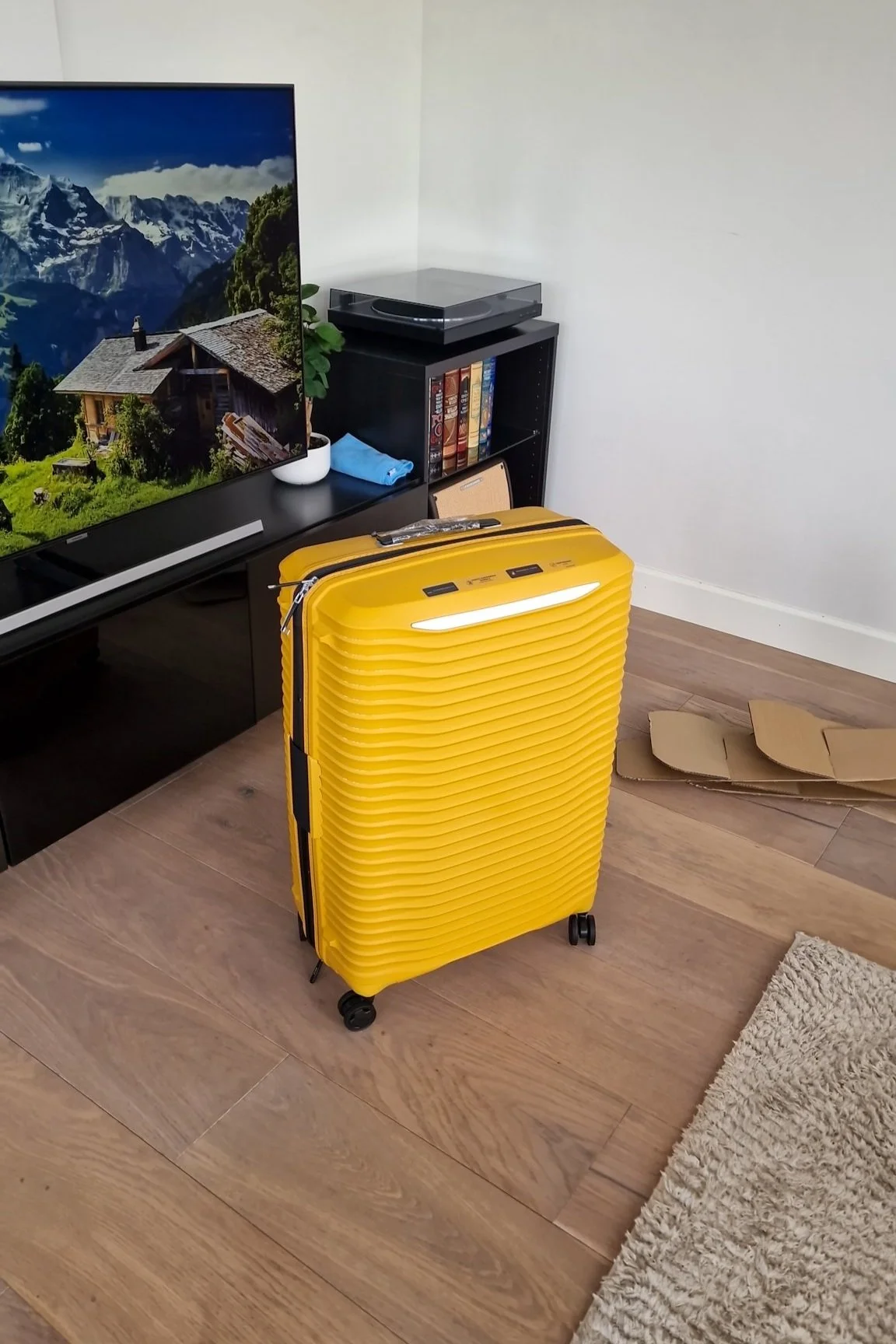
Once your suitcase is clean and disinfected, the final step is to let it air out completely. Leave the suitcase open in a well-ventilated room or, if the weather allows, outside in the shade to avoid direct sunlight that could fade colors or damage materials. This helps any remaining moisture evaporate fully, preventing musty smells and mold from developing.
Make sure all compartments and pockets are unzipped so air can circulate freely throughout. Only store your suitcase once it’s completely dry to keep it fresh for your next trip.
Bonus Tip: Storing Your Suitcase
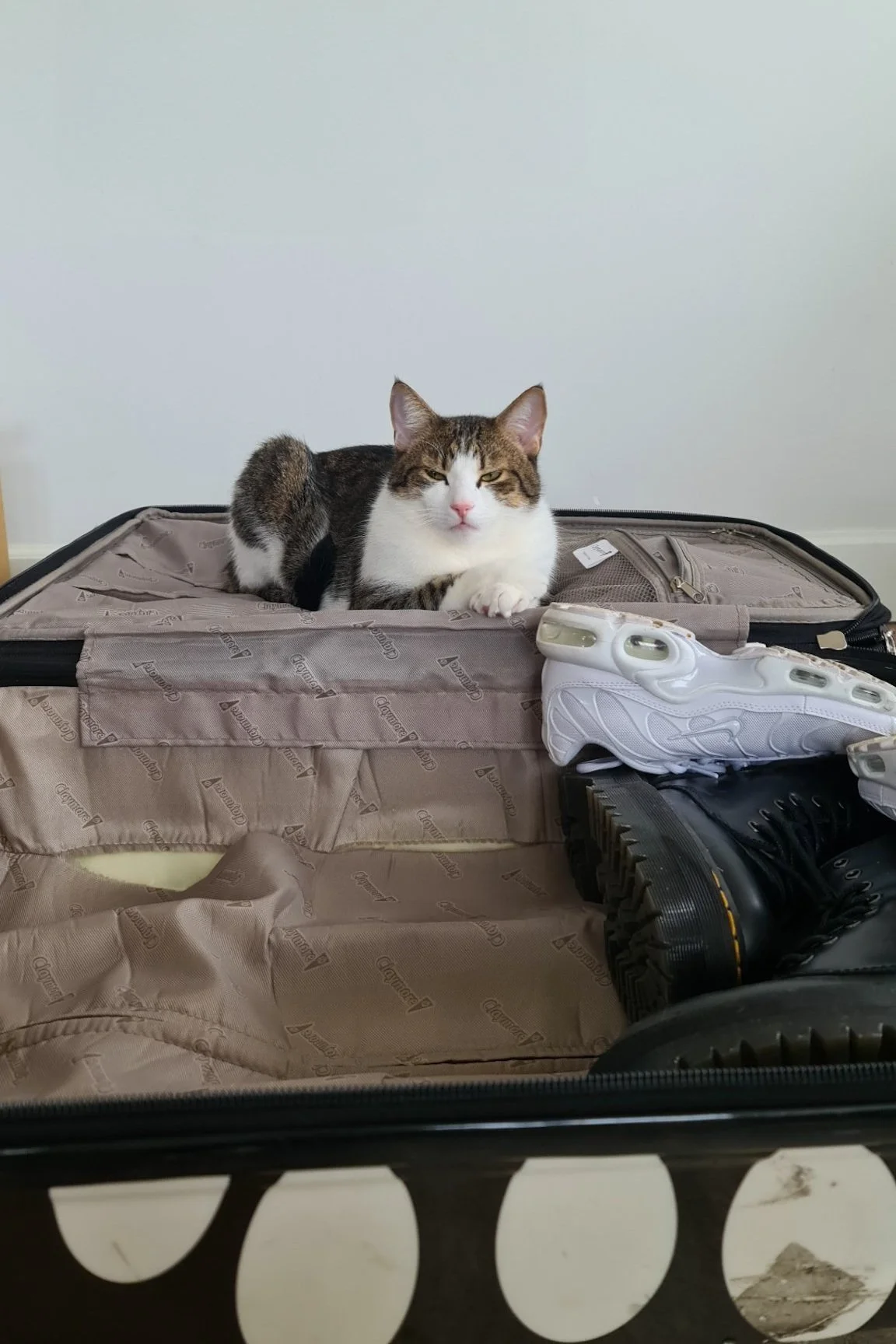
To keep your suitcase in top shape between trips, find a cool, dry spot for storage—somewhere away from direct sunlight and humidity. Protect it further by slipping it into a dust cover or a breathable cotton bag to guard against dust and scratches. For a little extra freshness, place a dryer sheet or a silica gel packet inside; these help keep unpleasant odors at bay and absorb any lingering moisture.
With these simple steps, your luggage will stay clean, fresh, and ready for your next adventure. If you have any questions, feel free to reach out. Happy Travels!
More Everyday Tips & Tricks


It’s completely normal to feel nervous before your first spa visit, especially when you’re paying good money to relax and aren’t sure how it all works. Whether you’re headed to a fancy resort, a local day spa, or even a clothing-free wellness spa, here’s what to expect, what to bring, and the etiquette rules nobody tells you.