
Getting a Cat for the First Time? Here's How to Prepare and What You’ll Need
“Everyone is picking up on that feline beat. ‘Cause everything else is obsolete.”
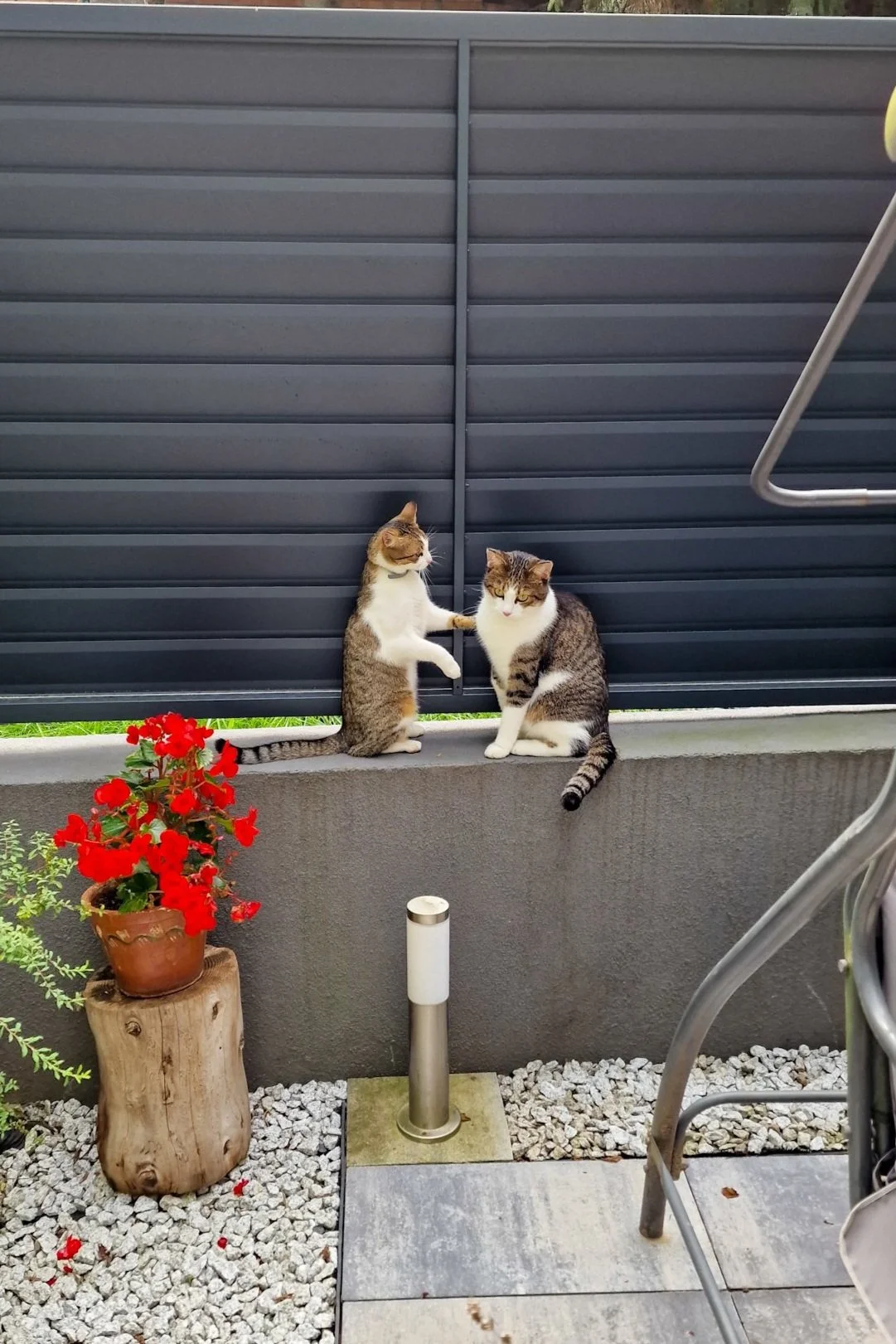
Thinking about getting a cat for the first time? You’re about to bring home a whole lot of personality, along with the purring, playtime, and occasional dramatic stares. Cats are independent, curious, and full of quirks, but they still need the right setup to feel safe and settle in. The good news? Preparing for your new cat doesn’t have to be overwhelming.
Whether you’re adopting a kitten or welcoming an adult cat, a little planning goes a long way. From cozy essentials to simple tips that make the transition easier, here’s exactly how to get your home (and yourself) ready for your new family member.
Ok, let’s get started! Here’s what you need to know, how to prepare, and a list of essentials to have ready before your cat arrives:
1. What to Know Before You Bring A Cat Home
Getting a cat is exciting—and honestly, life with a cat is full of funny, unexpected moments. But before your new furry sidekick arrives, it’s good to know what you’re signing up for. Yes, cats are generally more independent than dogs. You don’t have to take them out for walks, and they can be left alone for longer. But that doesn’t mean they’re completely low-maintenance.
Cats still need love, attention, and your patience—sometimes lots of it. If you’re adopting a cat, especially one that’s not a tiny kitten, be prepared to give them space. Cats need to feel safe before they can warm up to you. So don’t get offended or frustrated if they spend the first few days hiding under the bed or roaming around the house without paying much attention to you. It’s totally normal—they’ll come around when they’re ready.
Also, be prepared for the reality that your furniture might take a hit—scratched couch corners? It’s pretty much a rite of passage. And accidents happen, too. Speaking from experience… if your suitcase becomes a target, try not to take it personally. You can stock up on sprays, scratching posts, and all the tricks in the book, but sometimes cats just do their thing.
The good news? All that comes with a lot of love in return. You’ll have a new friend who keeps you entertained, curls up beside you, and adds so much personality to your home. Just go into it knowing they’re cute, curious, and a little chaotic—and you’ll be ready for your first-time cat adventure.
2. First-Time Cat Owner Essentials: What to Buy
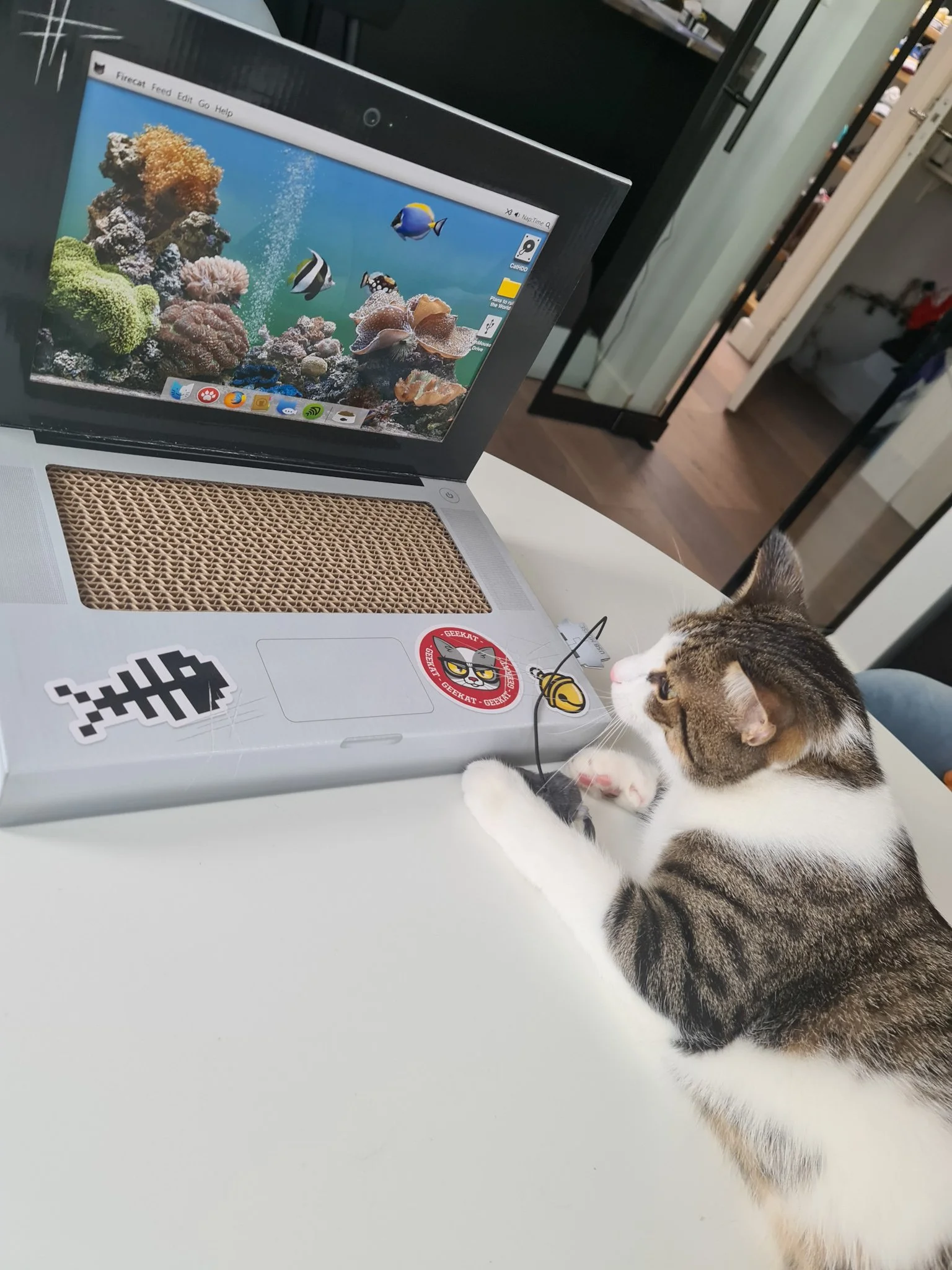
Before your new cat moves in, you’ll want to have a few essentials ready to go. You don’t need to turn your place into a pet store overnight, but having the basics sorted will make those first few months easier for both of you. Think of it like prepping for a new roommate, just one with fur, whiskers, and a whole lot of opinions.
When it comes to food, toys, or even beds, be prepared for a little trial and error. Every cat has their own personality—some love fancy toys, others prefer the cardboard box it came in. You might pick out what seems like the perfect toy or top-rated food, only for your cat to completely ignore it. It happens. Cats are picky, and sometimes there’s just no convincing them otherwise.
That said, starting with the right essentials gives your cat a cozy, safe space to explore and helps make their transition smoother. Here are a couple of essentials to get you started:
Litter Box + Litter

First things first: your cat needs a place to do their business. You don’t need to splurge on the fanciest litter box out there (unless you want to), but what you choose really depends on your budget—and how much time you want to spend cleaning it.
If you go for a regular litter box, just know it needs to be cleaned daily. Yep, every single day. Otherwise, the smell builds up fast, and your cat might even refuse to use it. If you know you’re busy, forgetful, or just not into scooping every day, I highly recommend investing in an automatic litter box. I personally use the PetSafe ScoopFree self-cleaning litter box, and I love it. I only have to clean it once every two weeks, and both my cat and I are big fans. It’s definitely more expensive upfront, and the litter refills aren’t exactly cheap either, but the convenience is worth it.
No matter which litter box setup you go for, expect some trial and error when it comes to litter types. Cats have super-sensitive paws, and what works for one might not work for another. Some cats love soft, clumping litter, while others can’t stand the texture or smell, especially the silicon gel ones, which can be a little rough on their paws if not chosen carefully. The scent of the litter can also make a difference. If your cat isn’t using the box properly or seems hesitant, try switching up the litter and giving them time to adjust.
Bottom line: keeping their litter box clean and comfortable is key to avoiding accidents—and keeping both you and your cat happy.
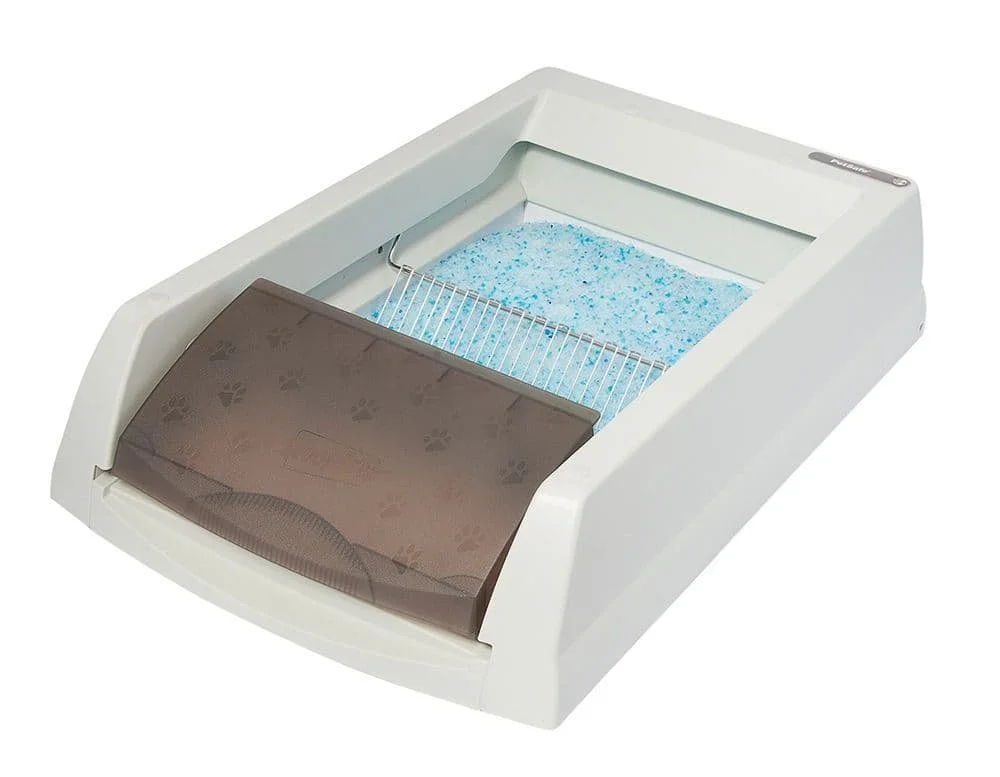
Petsafe Scoopfree Self-Cleaning Litter Box
Effortless cleanup for busy cat parents.
Food & Water Bowls
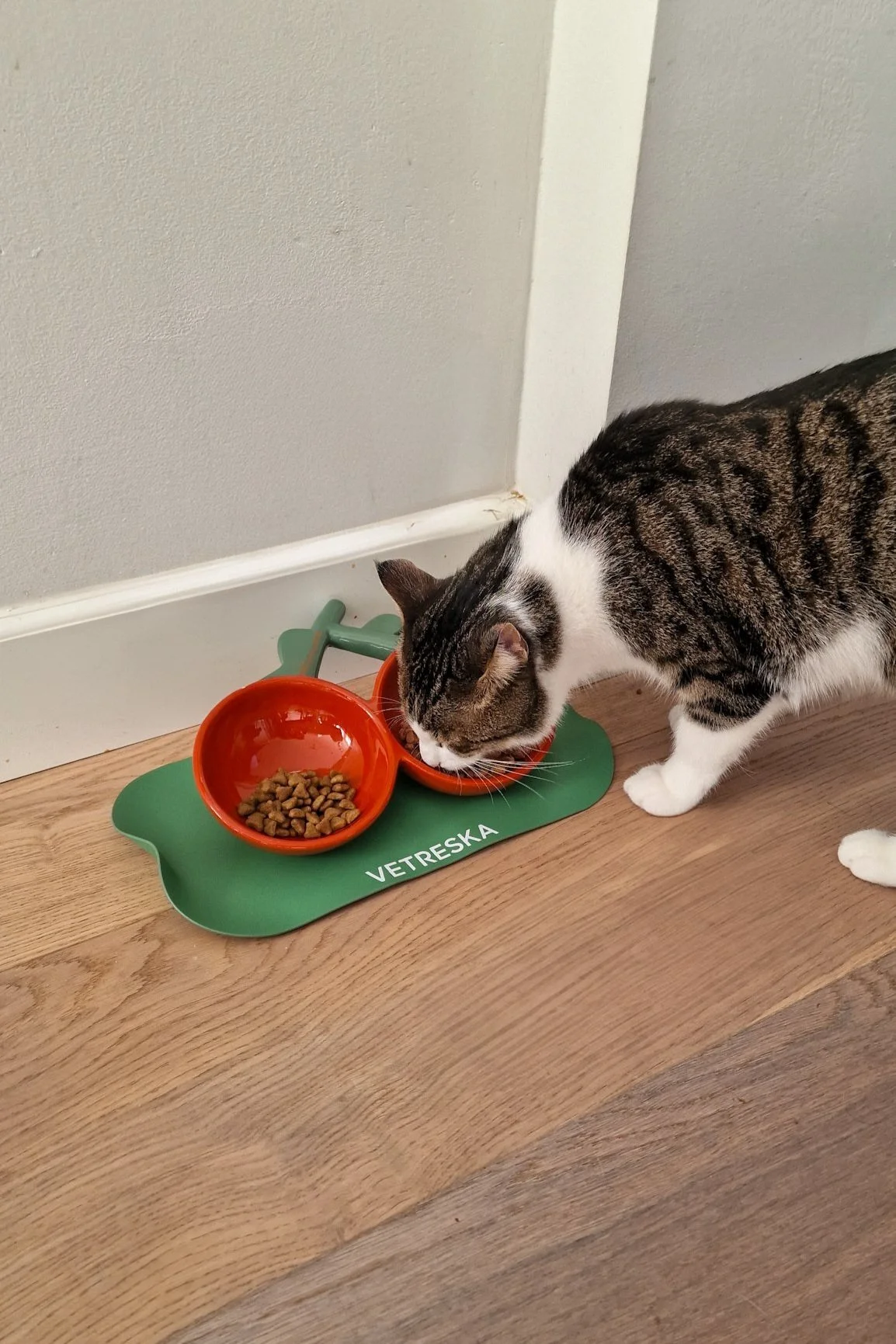
This is probably the part where you’re pretty much guaranteed some trial and error. Cats have opinions, and when it comes to their food and water bowls, those opinions run deep. I went through the full lineup: ceramic bowls, fancy bowls, plastic bowls — you name it, I probably tried it. My cat? Completely unimpressed with most of them.
For a while, he loved this cute cherry-printed bowl we got him, which felt like a win… until he developed cat acne on his chin because, apparently, he wasn’t grooming himself properly after meals. Yep, cat acne is a thing. So we had to switch things up again, and after more testing (and a few eye-rolls), we landed on serving his wet food on our porcelain teacup plates. Because, of course, my little alley-cat decided he has expensive taste.
Another fun surprise? He decided 4 a.m. was the ideal breakfast time. We eventually caved and got an automatic cat feeder with a timer, which has been a lifesaver. It’s definitely more of an investment, but so is your sleep.
When it comes to water, same story. We bought one of those fancy water fountains everyone recommends. My cat refused to go near it. So, he drinks out of a regular glass. Moral of the story? Start small, don’t overspend at first, and test things out to see what works for your cat. They’ll let you know what they like, whether you agree or not.

Philips Pet Series Smart Feeder
for ultimate convience.

Vetreska Cherry Pet Bowl
for a touch of sweetness.
Cat Food

Choosing cat food can feel like a maze. There are endless brands, colorful bags, big promises—and sorting through it all isn’t exactly straightforward. Some foods are packed with fillers, others come with a hefty price tag but aren’t always necessary, and then there are the genuinely good-quality options hidden in the mix.
It’s always smart to check with your vet about what’s best for your cat, especially if they’re young, older, or have any health issues. To give you a head start, Royal Canin and Hill’s Science Plan are often recommended by vets, especially for things like sensitive stomachs or urinary support. Purina Pro Plan is another solid option that includes both regular and prescription formulas.
For example, my cat has been dealing with some urinary issues recently, so he’s now on Purina Pro Plan Urinary, and he really likes it, way more than he ever liked the Hill’s urinary food. But again, it really depends on your cat. What works for one might get completely snubbed by another.
If you want to lean more premium or higher meat content, Orijen and Applaws are great, but they can be pricey, and not every cat is into the super high-protein options.
One thing you’ll want to figure out early on is what mix of wet and dry food works best for your cat. Generally, wet food is great for keeping your cat hydrated, especially if they’re the type who doesn’t drink lots of water. It’s softer, comes in tons of flavors, and most cats love it. Dry food, on the other hand, tends to be easier to store, lasts longer, and is good for their teeth in moderation. Many people do a combo of wet food for meals and dry food left out for snacking (that’s what I do as well), but it depends on your cat’s preferences.
Also, watch out with human food, especially when leaving it unattended. You’d think cats wouldn’t care about plain boiled potatoes, but I once left a pot of freshly boiled potatoes on the kitchen counter and came back to find my cat had eaten three whole potatoes. The same thing happened with broccoli… So yeah, be extra careful with food lying around, even if it’s not something you’d expect them to go for.
That said, most non-breed cats tend to have decent instincts about what they shouldn’t eat, but it’s always better to play it safe. A lot of human food can be harmful to cats, especially onions, garlic, chocolate, and certain dairy products.
On the flip side, I’d avoid the super cheap supermarket brands—the ones with cartoon fish on the bag that cost next to nothing. They usually have low-quality ingredients and loads of fillers, which aren’t ideal for keeping your cat healthy long term.
Moral of the story? Check the ingredients, talk to your vet, and try some brands out. Most importantly, don’t be offended if your cat acts like they’re the world’s pickiest food critic. They kind of are.
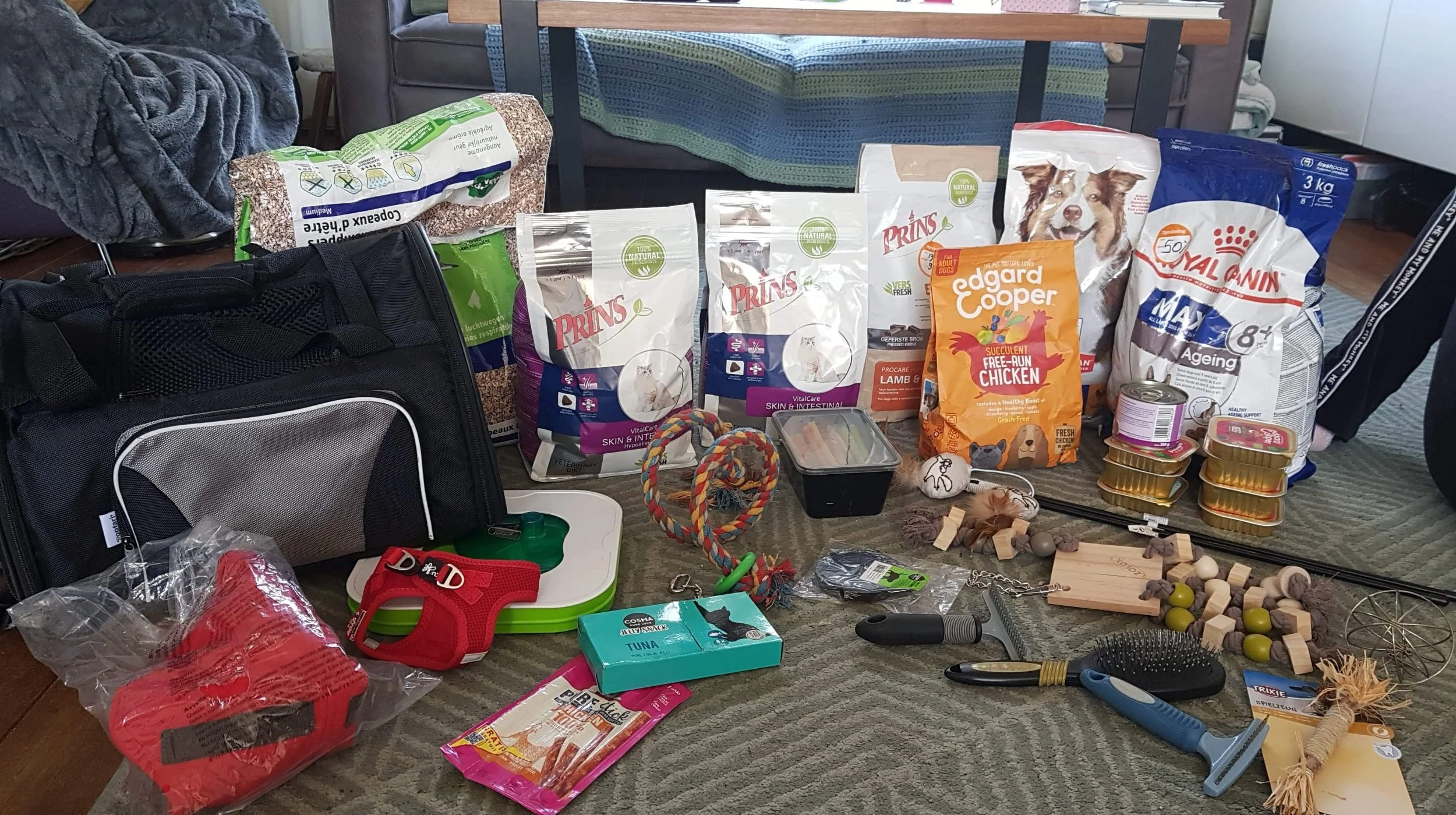
Cat Food Basics
From Nutritious Dry Food to Tasty Wet Meals.
Scratching Posts or Pads
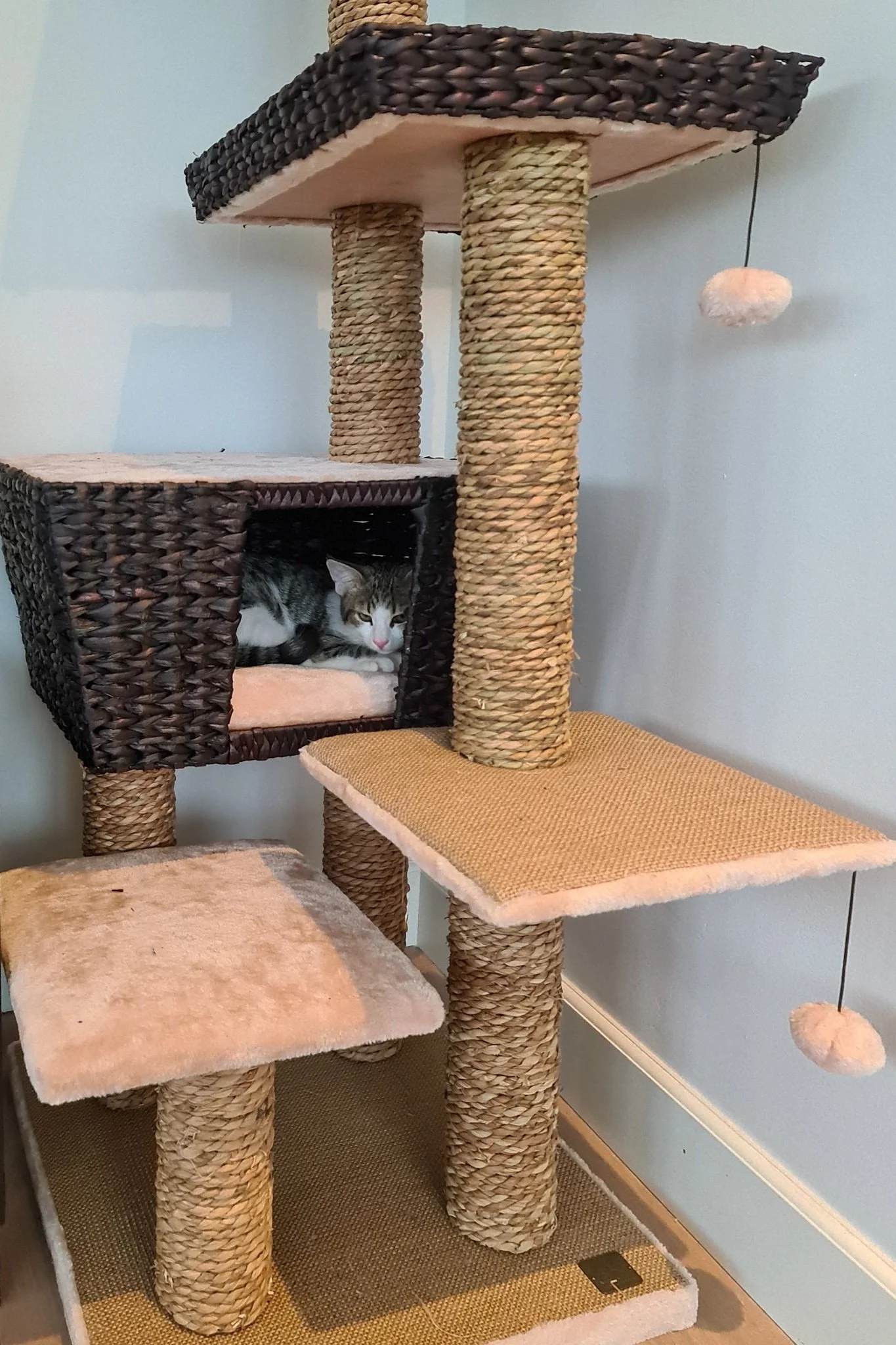
Every cat needs a place to scratch — it’s just how they keep their claws healthy and mark their territory. You don’t have to splurge on something fancy, but having a sturdy scratching post or pad is a must. Some cats prefer tall towers they can climb and lounge on, while others just want a simple cardboard scratcher on the floor.
It’s all about discovering what your cat likes, and yes, there might be a bit of experimenting involved. Plus, investing in a good scratching post can save your furniture (well, most of it) from those infamous claw marks.

Best Scratching Posts
From functional towers to stylish eye-catchers.
Cat Bed or Safe Hiding Spot
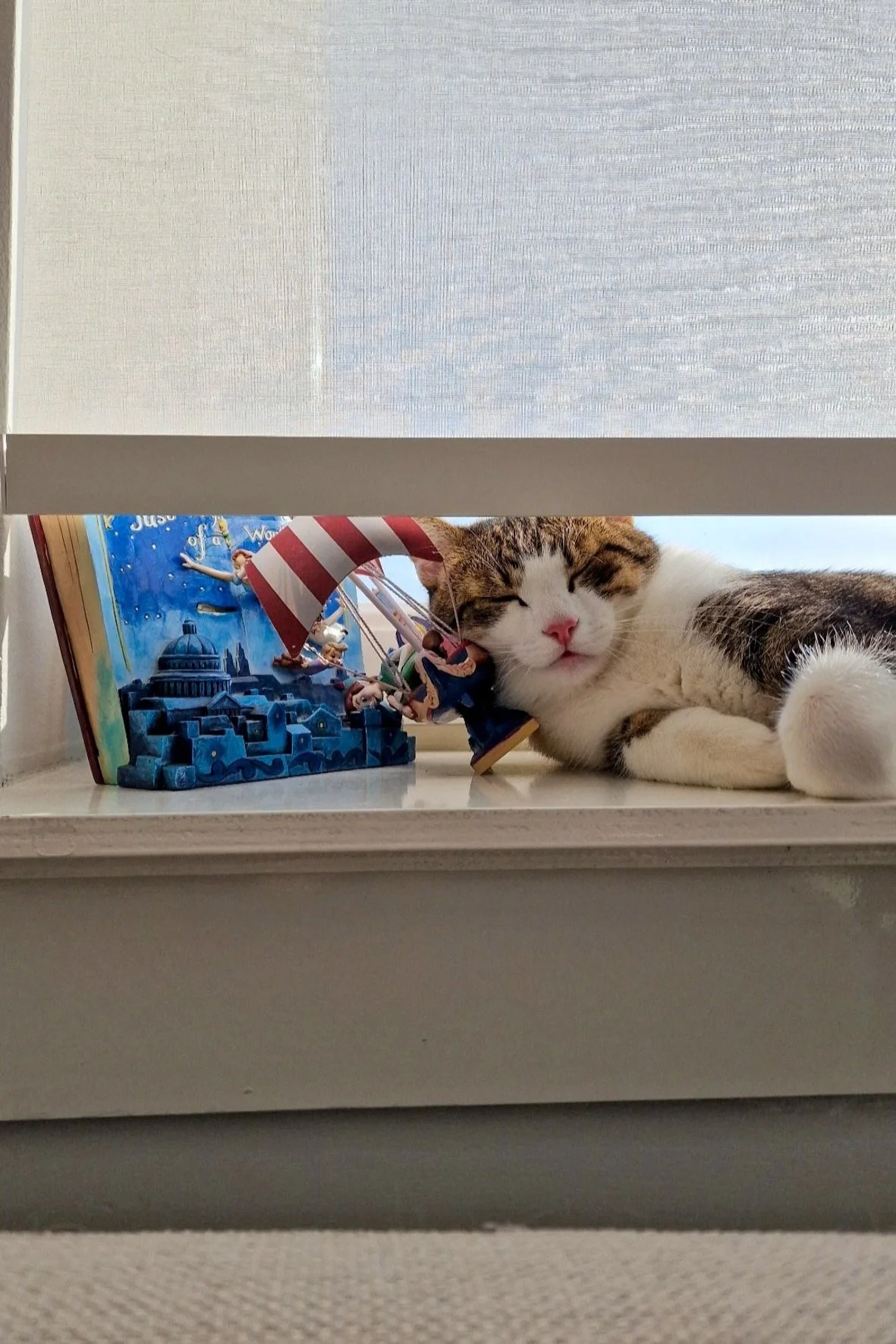
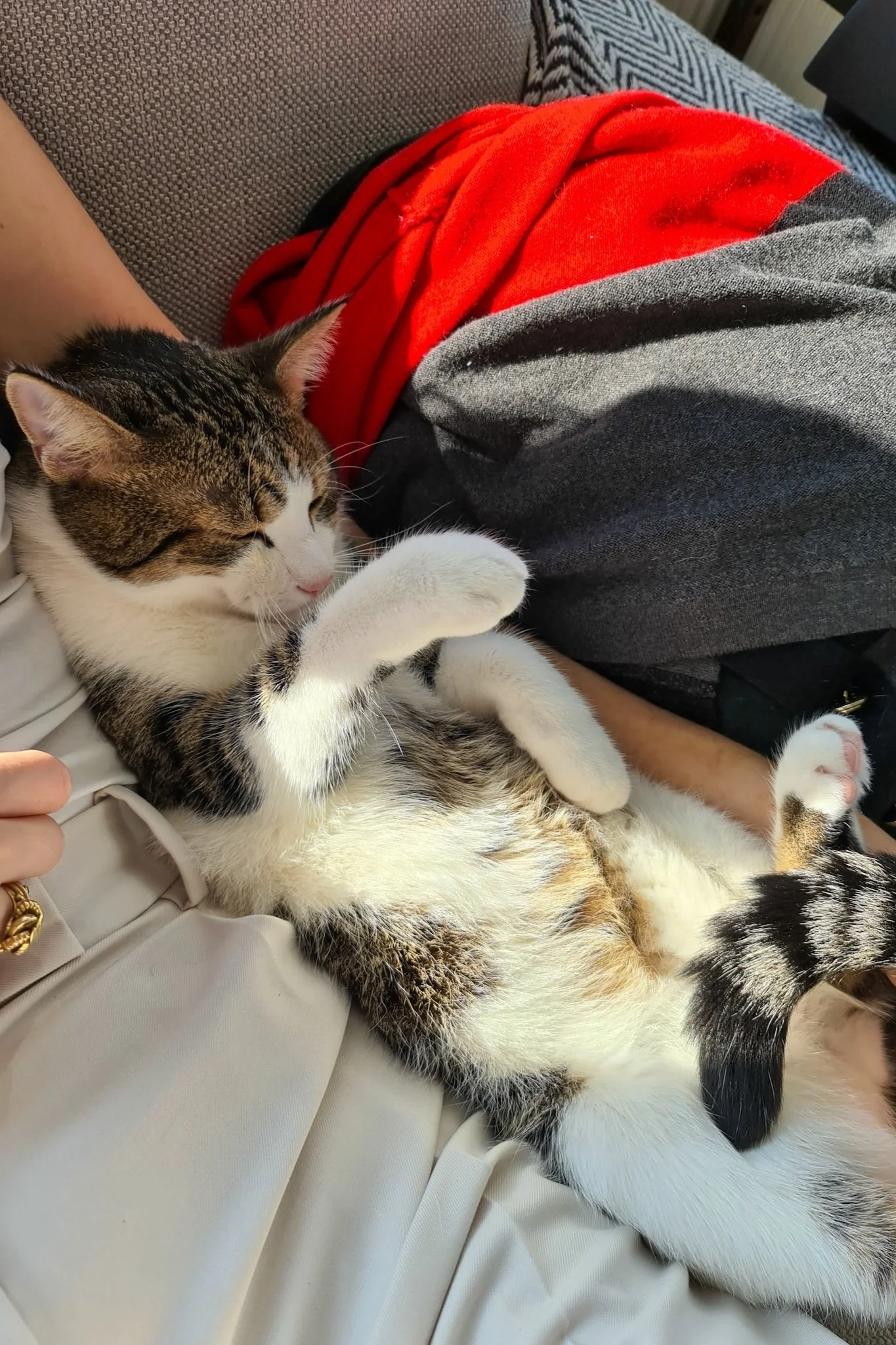
Cats love their cozy corners and quiet hideaways, so having a comfy cat bed or a safe spot where they can retreat is essential. Whether it’s a soft cushion, a plush cave, or even a simple box (yes, cats do love boxes), giving your cat a dedicated space helps them feel secure and relaxed. That said, every cat is different, and many like to rotate their sleeping spots. For example, my cat loved snoozing in his closed-off, tight scratching post when he was a kitten. Now he sleeps absolutely everywhere—chairs, couches, windows, honestly wherever he feels like.
When you’re bringing a new cat home, it’s all about familiarity, so try not to move their bed or wash their spots too often. Cats really thrive on familiar smells, and those scents help them feel safe and settled. Just be careful, because once a cat feels totally at home, they might take a nap absolutely anywhere — including unexpected places like the washing machine!
At some point, they’ll likely want to sleep with you. Sure, it can feel a bit annoying when their schedule or habits don’t quite match yours, but it’s actually a sign of trust and comfort. They want to be near you because they feel safe, and if that isn’t the best compliment you can get, I don’t know what is.
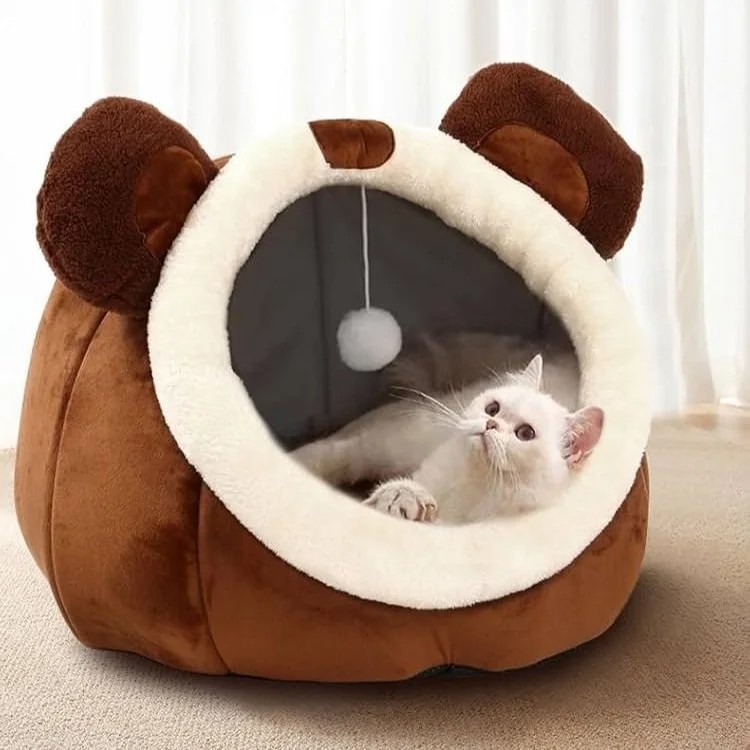
Cat Beds Your Kitty Will Love
From plush caves to favorite hideaways, create the perfect cozy retreat.
Toys for Mental Stimulation
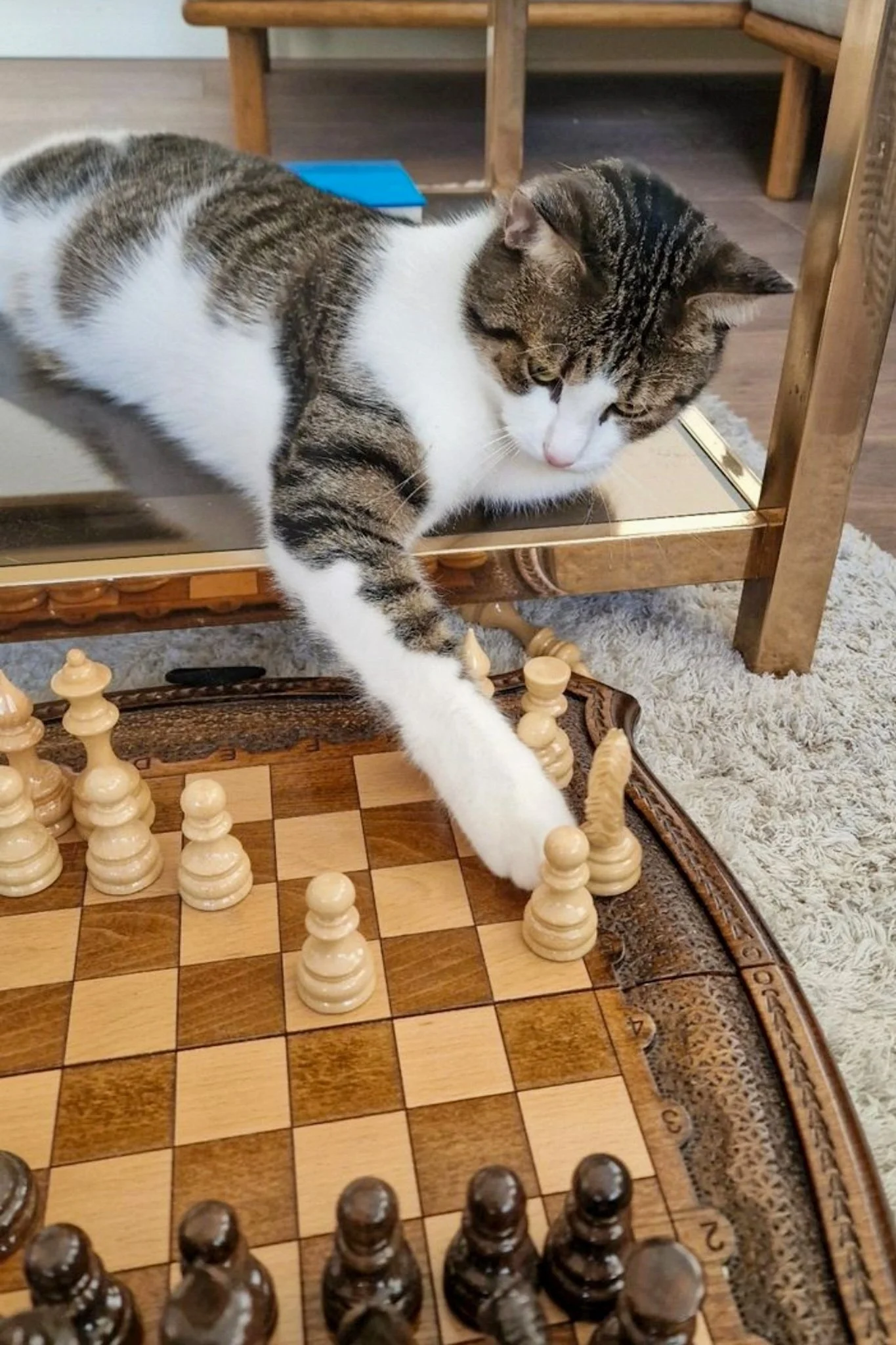
Keeping your cat’s mind sharp is just as important as meeting their physical needs—especially if you have only one cat at home. Playtime isn’t just fun; it helps prevent boredom, reduces stress, and keeps your kitty happy and healthy. I usually play fetch with our cat using his favorite little mouse stuffed toy he’s had since birth — it’s his absolute favorite. Having more than one toy also helps, so you can switch things up and keep things interesting.
Besides toys, it’s really important for indoor cats to have a window spot where they can watch the outside world — birds, squirrels, whatever catches their eye — because that kind of natural stimulation means a lot to them.
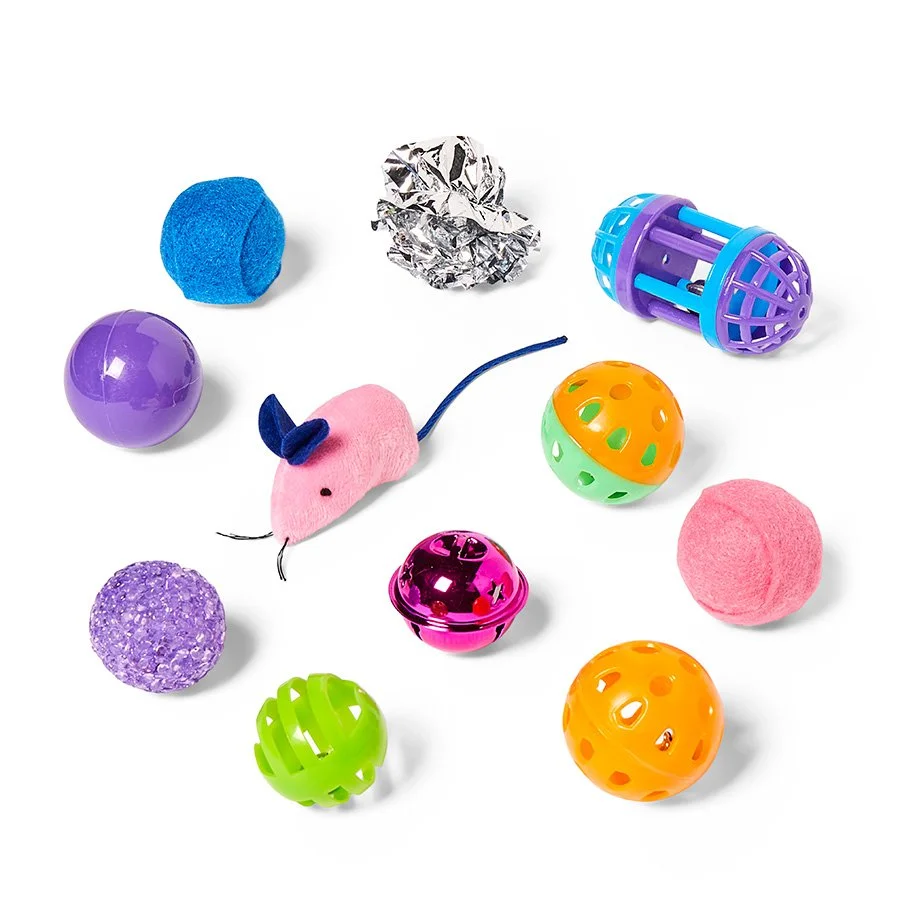
Playtime Essentials
From interactive toys to engaging puzzle feeders.
Carrier for Vet Visits & Travel
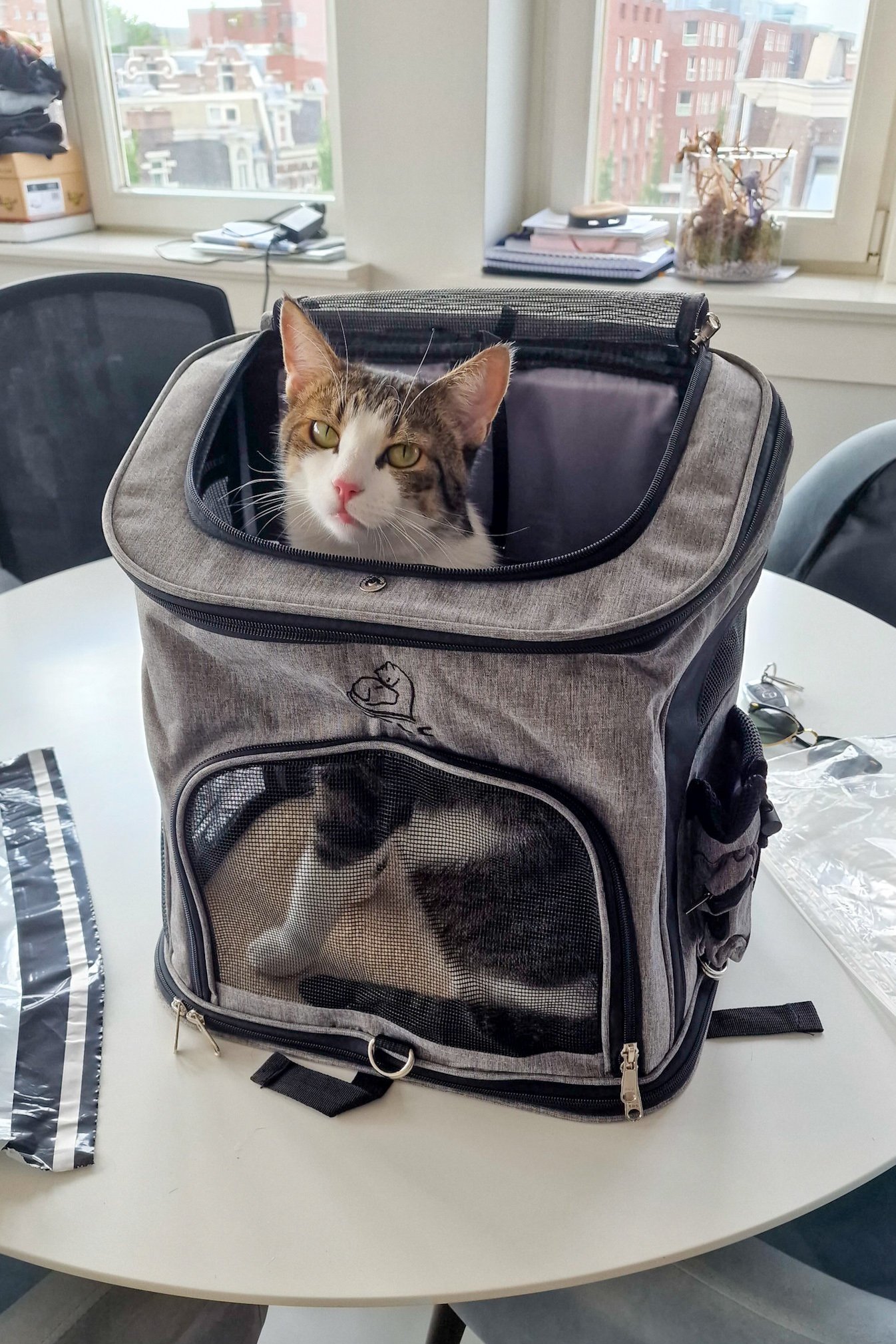
A reliable, comfortable carrier is essential, especially when it comes to vet visits. It’s worth choosing one that opens from both the top and the front. Some cats don’t like being lowered in vertically, so having a top-opening option or removable lid makes it much easier for both you and the vet when placing your cat in or taking them out.
It’s also important to choose a carrier with enough space for your cat to move around a little and feel comfortable. Proper ventilation is key, too. Look for carriers with plenty of openings or mesh panels to ensure good airflow. While the popular fishbowl-style backpacks might seem cute, they are generally discouraged. These often lack proper ventilation and can become uncomfortably warm inside, especially for longer trips.
If your cat only associates the carrier with going to the vet, they’ll likely avoid it at all costs. I travel with my cat, so most of the time when he sees his carrier, he gets excited because he knows we’re heading out on an adventure. It helps to keep the carrier out at home, let your cat explore it, or even place a blanket inside to create a familiar, safe space.
Flying with your cat for the first time? Here’s what you’ll need and how to prepare for your trip.
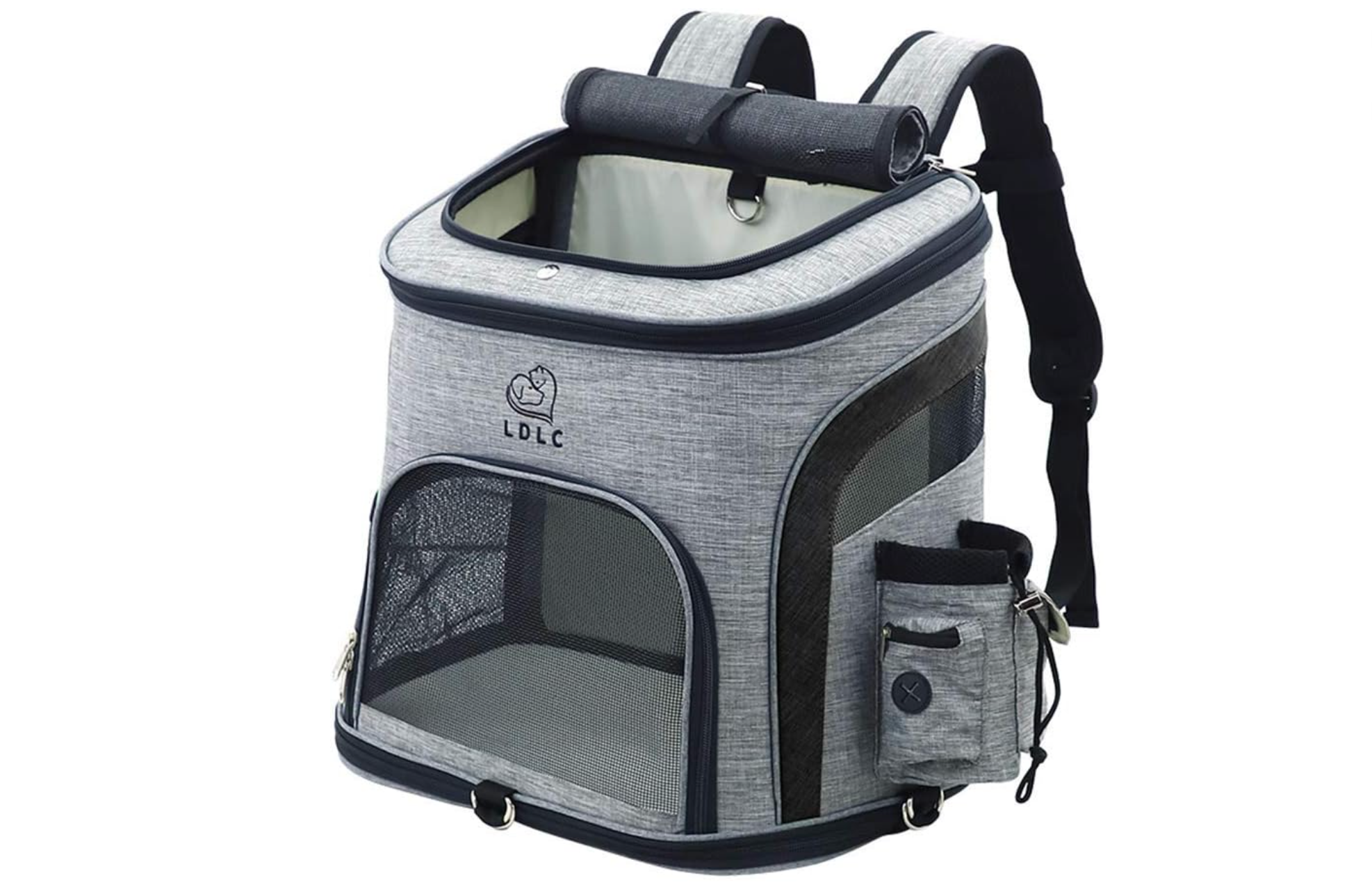
Pet Carrier Backpack
For their comfort and yours.
Grooming Tools (Brush, Nail Clippers)
Every cat owner should have some basic grooming tools at home — a good brush and a pair of nail clippers are always handy. Regular brushing helps with shedding and keeps their coat looking healthy, especially for long-haired cats. Nail clipping, though, can be tricky. Some cats are fine with it, but others, like mine, make it nearly impossible. I tried once, and right as I was about to clip, he retracted his paw. I ended up cutting too far, and he started bleeding — never again. Since then, I leave nail trims to the vet during check-ups.
If your cat has plenty of scratching posts or pads, they’ll usually manage their claws naturally. But it’s still good to keep an eye on their paws and claws, especially for indoor cats. And like everything with cats, patience helps — let them get used to brushes and grooming tools slowly, and don’t force it if they aren’t comfortable.
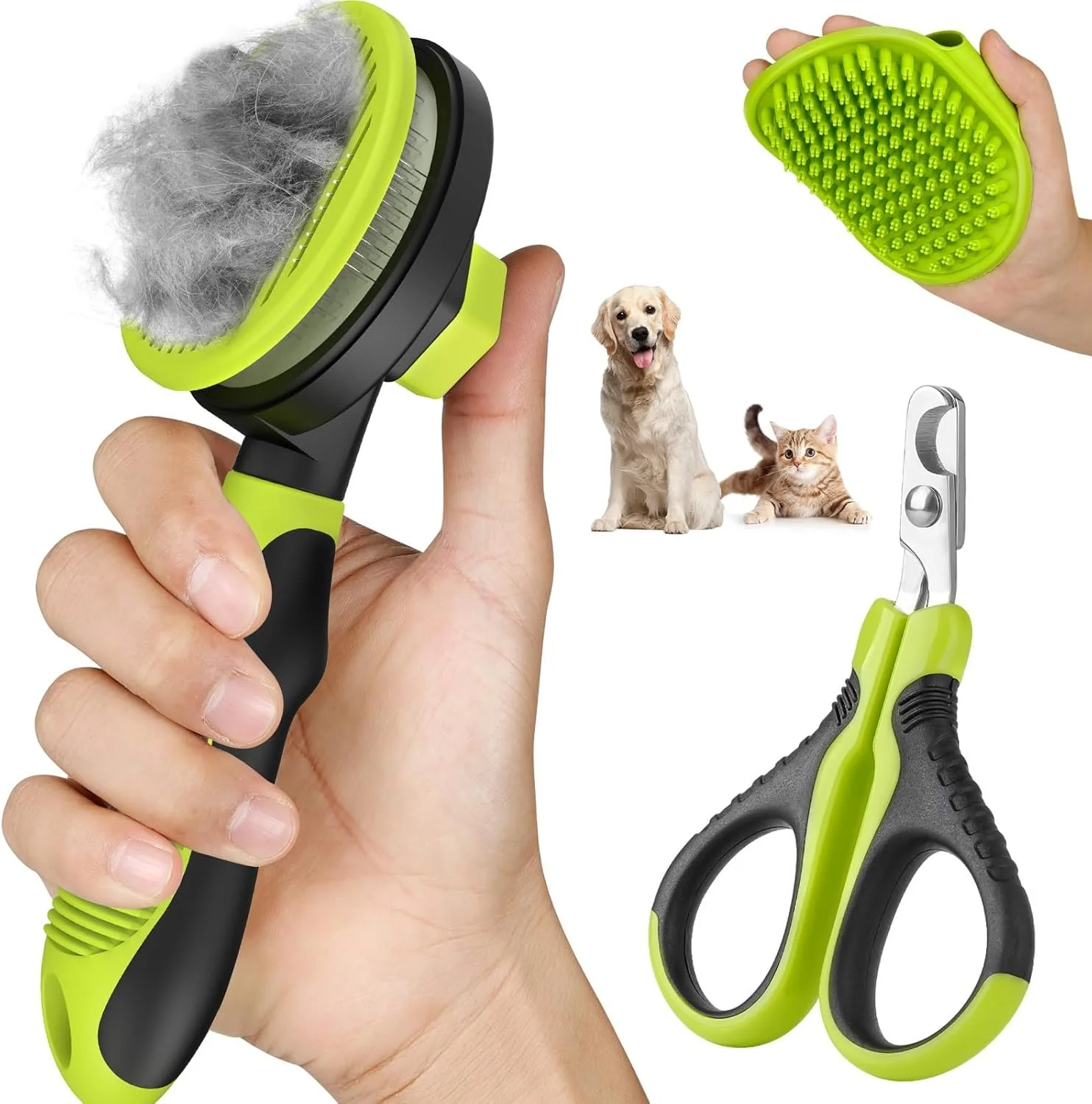
Cat Grooming Kit
Essentials for keeping your cat’s coat smooth and nails tidy.
ID Tag, Microchip Info, and Tag
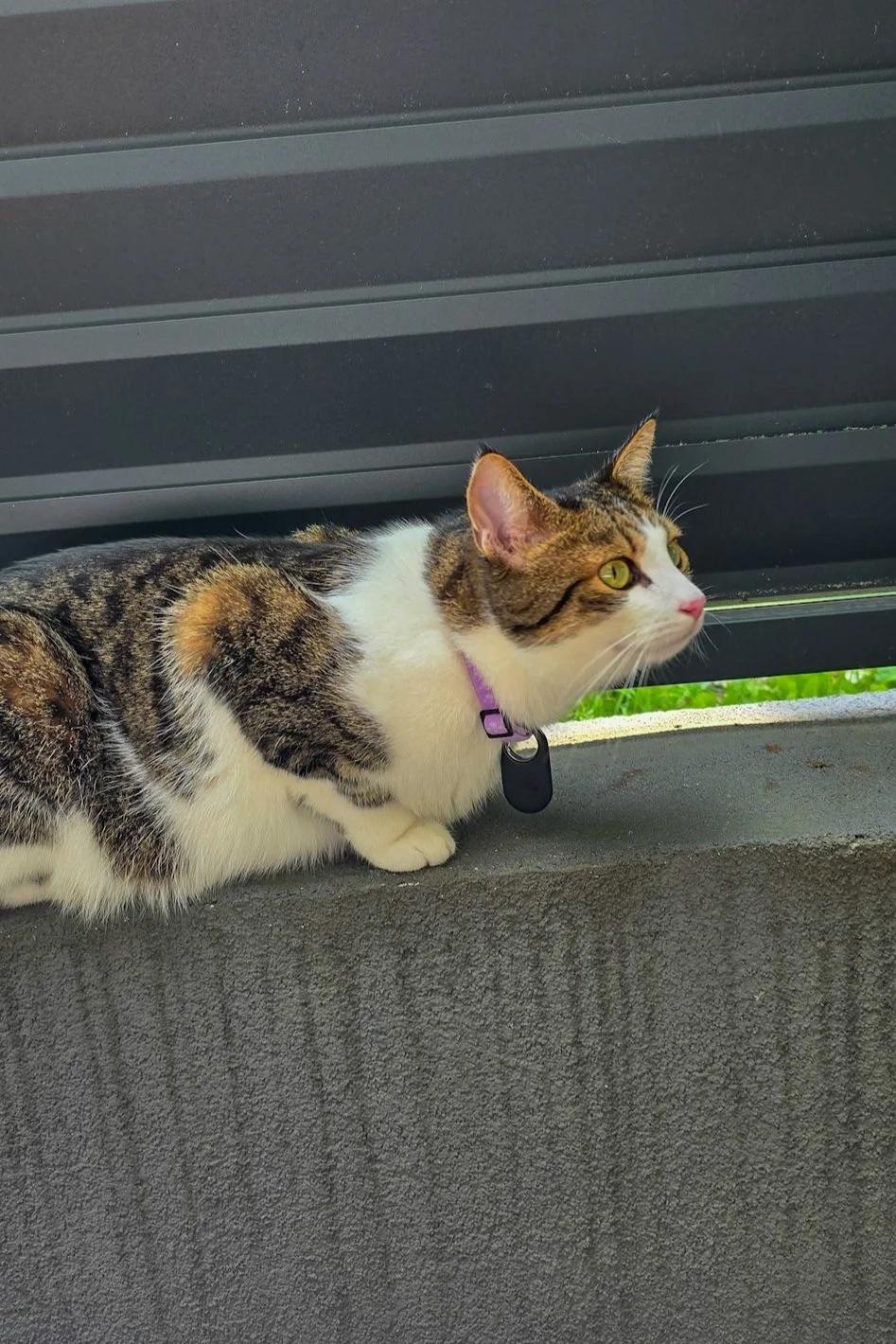
Keeping your cat safe starts with making sure they can be identified if they ever get lost. A simple ID tag with your contact details is a great first step — just make sure it’s comfortable and not too heavy for your cat. Microchipping is a smart, permanent option done by your vet that helps reunite you with your pet if they go missing. Even indoor cats can slip outside, so having both an ID tag and a microchip offers extra peace of mind.
On top of that, tech like GPS trackers or AirTags can be a game-changer. Whenever I visit my parents, I let my cat wander their quiet residential yard near the forest. He loves it and usually stays close, but one time he was gone for two hours, roaming the neighborhood. That’s when I got him a Samsung Galaxy Tag. Now I can track him on my phone down to the meter — see exactly where he is, make the tag ring if I need to find him fast, and even get directions to his location. An Apple AirTag, of course, would work just as well. It’s incredibly handy, especially if you want to give your indoor cat some outdoor freedom safely. I highly recommend it to anyone considering it.

Samsung Galaxy Tag
Keep tabs on your cat’s adventures.

Apple AirTag
Helping you find your curious cat’s whereabouts.
3. What to Expect the First Few Days

Bringing a new cat home is exciting, but it’s important to remember that your cat will need some time to adjust to their new surroundings—and to you. The first few days can feel a little quiet or even a bit overwhelming for your cat as they explore unfamiliar spaces, get used to new smells and sounds, and adjust to your daily routine. It’s completely normal if your cat hides away or keeps their distance at first; this is their way of feeling safe and processing everything.
Cats thrive on routine, so try to keep things consistent and avoid making too many sudden changes. Stick to regular feeding times, keep their litter box in the same spot, and introduce them slowly to different areas of your home. Providing cozy hiding spots and familiar-smelling items, like a blanket or toy from their previous home or shelter, can help them feel more secure. Spend quiet time near them without forcing interaction, letting them approach you when they’re ready. Using gentle voices and soft movements will also help build trust.
Remember, patience is key. Give your new feline friend plenty of space and time to come out of their shell, and don’t be discouraged if they’re not immediately cuddly or social. With a little love and consistency, they’ll soon start to feel safe, comfortable, and ready to truly settle in.
4. Bonus Tips for First-Time Cat Owners

Getting a cat for the first time is a big adventure, and a little extra advice can go a long way. Beyond the basics, there are some handy tips that can make life smoother for both you and your new friend:
Give Them Space to Explore: Let your cat discover their new home at their own pace. Avoid overwhelming them by opening all doors at once. Start small and gradually increase their territory.
Keep a Consistent Routine: Cats love predictability. Feeding, playtime, and even bedtime should happen around the same time each day to help your cat feel secure.
Use Feliway or Similar Products: These pheromone sprays or diffusers can help reduce stress and make your cat feel more comfortable in new surroundings.
Scratching is Normal: Provide plenty of scratching posts or pads to save your furniture. Reward your cat when they use them to reinforce good behavior.
Regular Vet Visits are a Must: Schedule your first vet visit early to ensure your cat’s health and vaccinations are on track.
Watch Their Body Language: Learn to read your cat’s signals—ears back, tail twitching, or slow blinking can tell you a lot about how they’re feeling.
Hydration is Key: Make sure fresh water is always available. Some cats prefer running water, so a cat fountain can be a good investment.
Be Patient with Litter Training: If your cat has accidents, don’t get discouraged. It’s all part of the adjustment process.
Rotate Toys to Keep Things Interesting: Cats get bored easily, so switch up their toys every week or so to keep them mentally stimulated.
Create Safe Spaces: Make sure your cat has cozy spots where they can retreat when they need downtime.
Consider Pet Insurance Early: Vet bills can add up quickly, especially if your cat has unexpected health issues. Getting pet insurance right away can save you stress and money down the line.
Conclusion

Welcoming a cat into your life for the first time is an incredible experience, but it can also come with moments of doubt and frustration. You might find yourself wondering if you’re doing enough or if you’re meeting your cat’s needs perfectly. The truth is, no one is perfect, and all your cat really wants is your unconditional love and patience as they settle into their new home. Every cat is different, and as you spend time together, you’ll learn what makes your new best friend happiest.
Trust your instincts—you know your cat better than anyone else. If something doesn’t feel right, whether it’s a change in behavior or health concerns, don’t hesitate to reach out to your veterinarian. Remember, building a bond with your cat takes time, and with care and consistency, you’ll develop a friendship for years to come.
If you still have any questions or need advice, feel free to reach out. I’m happy to help!
More Cat Posts & Everyday Tips

Thinking about getting a cat for the first time? You’re about to bring home a whole lot of personality, along with the purring, playtime, and occasional dramatic stares. Whether you’re adopting a kitten or welcoming an adult cat, a little planning goes a long way. Here’s exactly how to get your home (and yourself) ready for your new family member.