
Reims Travel Guide: What to Do, Where to Stay & Champagne
“I only drink champagne on two occasions, when I am in love and when I am not”

As someone who never says no to a glass of champagne, it's probably not surprising that Reims has become one of my favorite weekend getaways in France. The city is often considered the unofficial capital of the Champagne region, home to some of the world's most famous champagne houses, including Veuve Clicquot, Taittinger, Ruinart, and Pommery.
Of course, champagne is one of the main reasons to visit Reims, but it's not the only one. During a tour, I learned that French kings were crowned in Reims rather than Paris for centuries, which also explains why the cathedral is such an important landmark today.
What I like most about Reims is that it's easy to enjoy at your own pace. You can spend the morning exploring the city, stop for lunch on a terrace, visit a champagne house in the afternoon, and fit in a cultural stop at the cathedral along the way. Everything is close together, which makes Reims an easy city to explore over a long weekend.
In this Reims travel guide, I'll share what I think is worth seeing, where to stay and eat, the best champagne experiences, and practical tips to help you plan your visit.
Here's everything I think you should know before visiting Reims, including what to see, where to stay, where to eat, and the best champagne experiences:
Is Reims worth visiting, and when to visit?
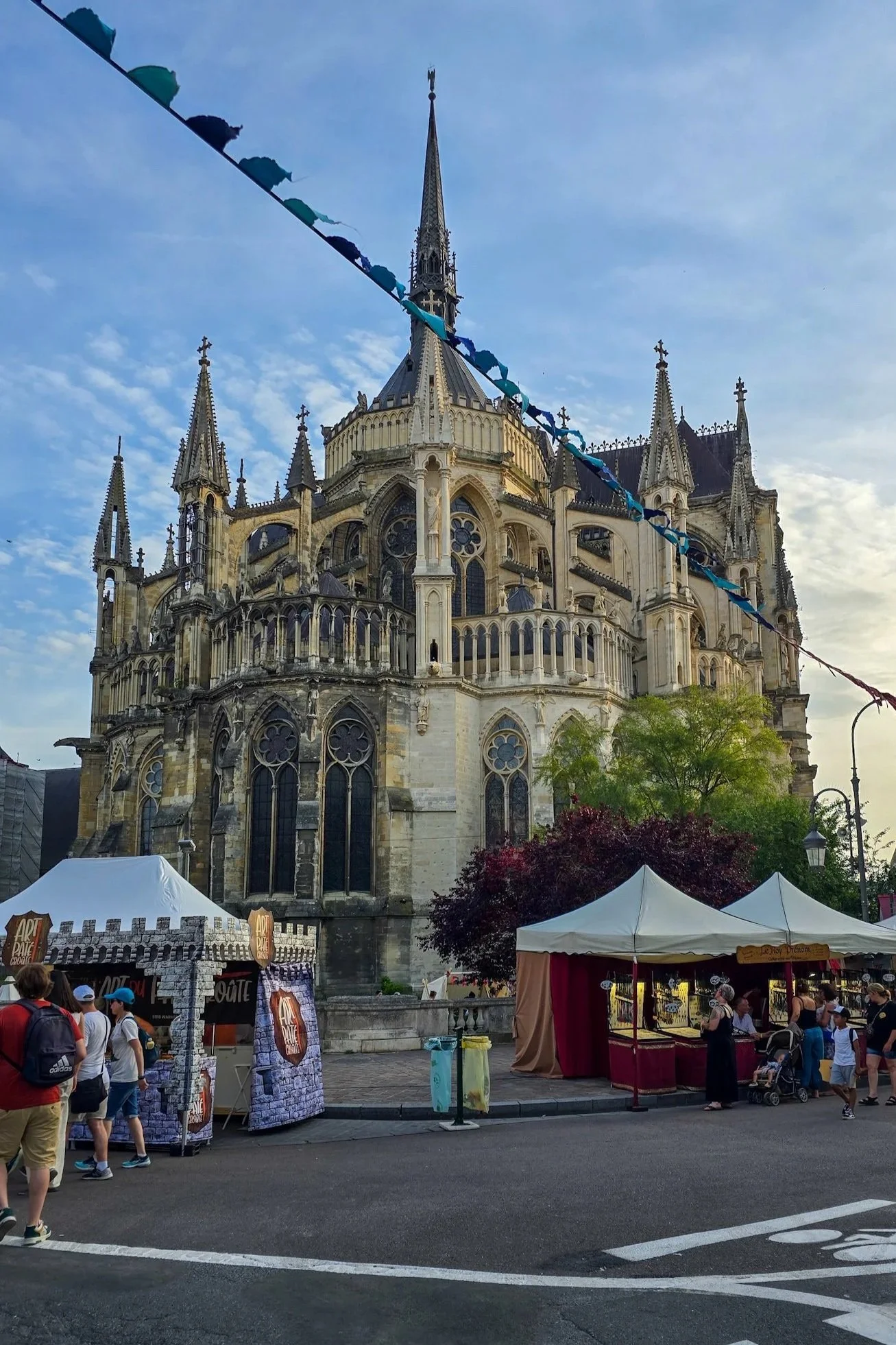
Yes, I definitely think Reims is worth visiting — especially if you enjoy good food, history, and, of course, champagne. I've now visited Reims twice and will probably be back again soon. The main reason? There are just too many champagne houses to visit in one weekend.
As for when to visit, I've been to Reims both in March and during the last weekend of May. While I enjoyed both trips, I'd probably choose May if I had to pick. It was around 34°C (93°F) when I visited, so it felt much more like summer than spring. If your idea of a good afternoon involves sitting outside with a glass of champagne, late May was a pretty great time to be there.
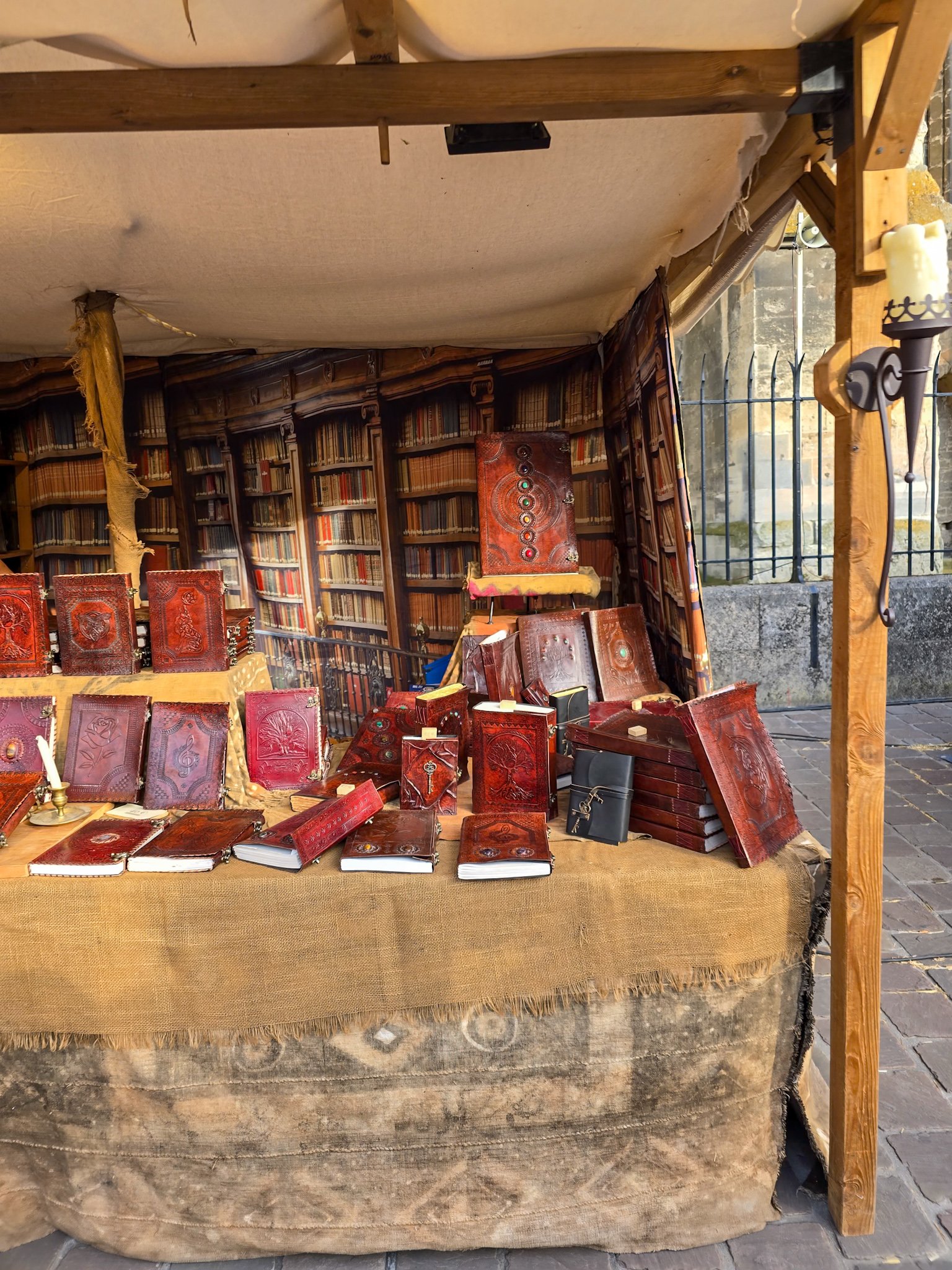
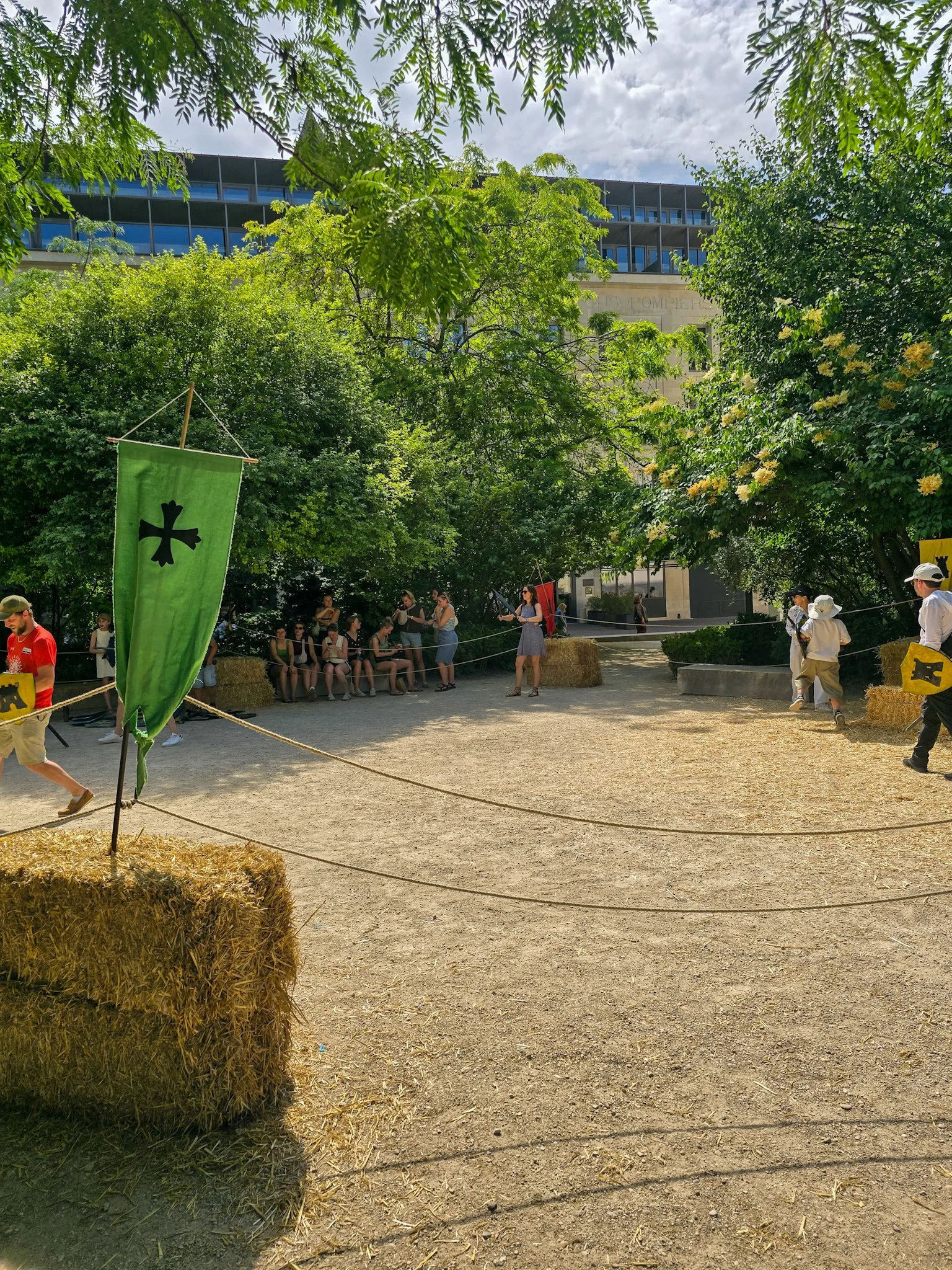
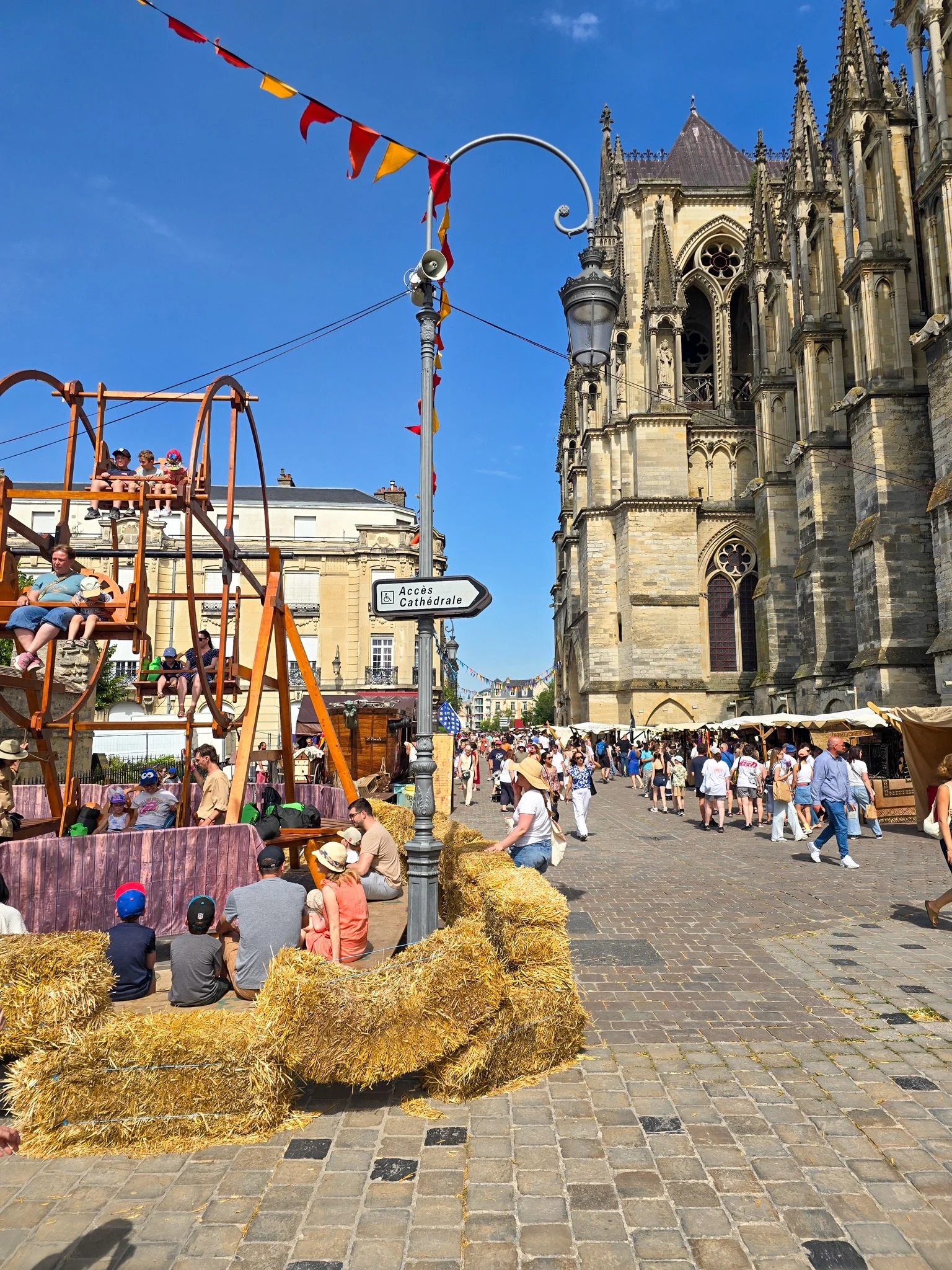
I was also there during the Joan of Arc Festival, which takes place around the cathedral every year. There were medieval stalls, parades, and various events throughout the weekend. I wouldn't plan a trip around the festival itself, but it was a fun extra. And I think that's the thing about Reims. Between the famous houses, smaller producers, tastings, and cellar tours, there's always something new to discover.
While many people visit Reims as a day trip from Paris, I'd recommend spending at least two days here. That gives you enough time to visit more than one champagne house, explore the city, and enjoy a couple of long lunches and dinners without feeling rushed.
Can you visit Reims as a weekend trip
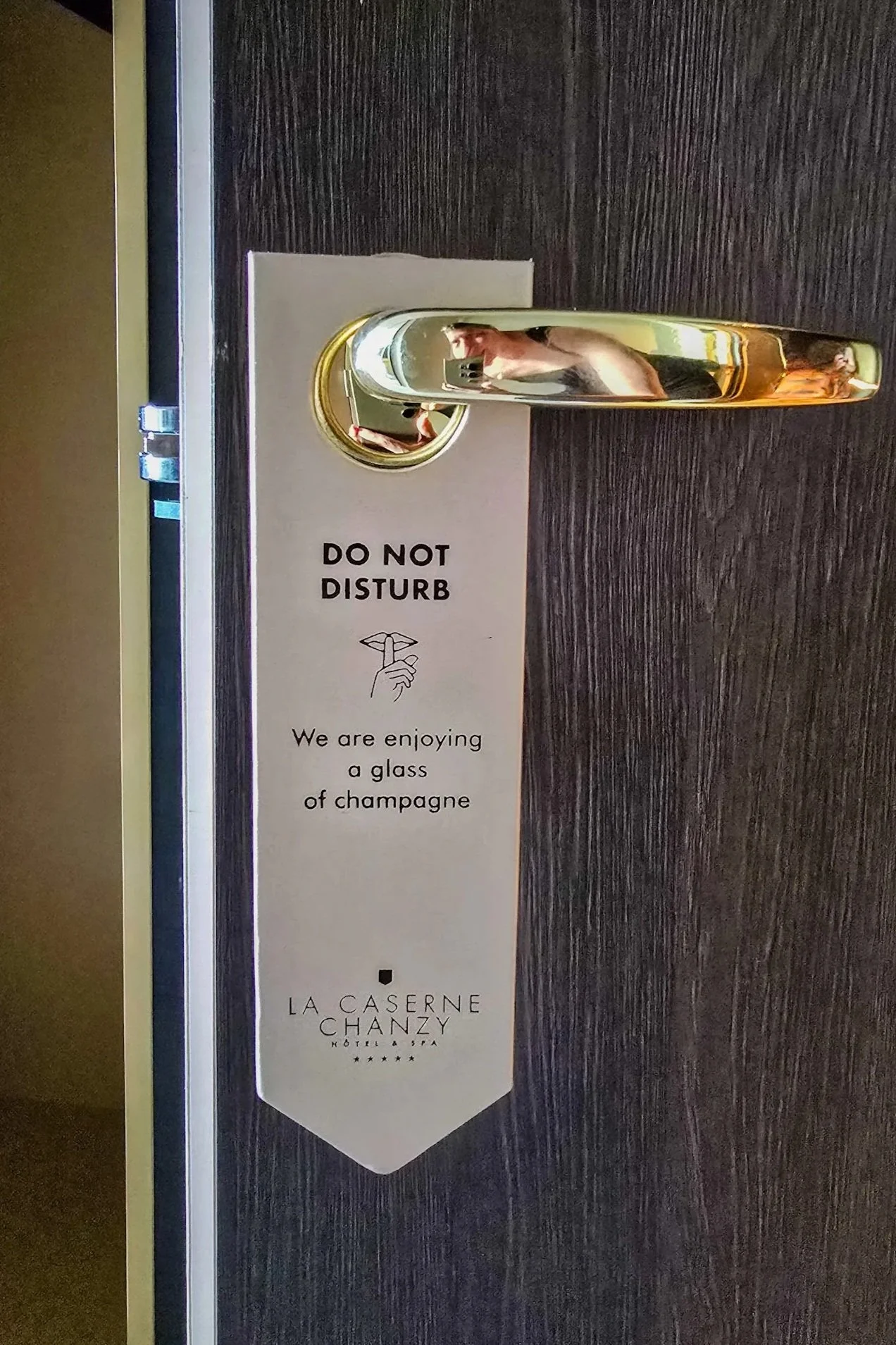
Absolutely. In fact, I think Reims works best as a weekend trip. While many people visit as a day trip from Paris, I found that staying a little longer gave me a chance to enjoy the city at a much more relaxed pace. There's enough to fill a weekend without ever feeling like you're rushing from one attraction to the next.
I'd recommend spending at least two days in Reims. That gives you enough time to visit a few champagne houses, explore the city, enjoy a good meal or two, and still leave a few tastings for your next trip. If you're traveling from Paris, you can easily take the train on a Friday evening, spend Saturday and Sunday exploring Reims, and head back home before the start of the work week.
How to get to and around Reims
How to get to Reims
Reims is easy to reach whether you're traveling from Paris, elsewhere in France, or neighboring countries. If you’re planning to go by train from Paris, there’s a direct TGV service taking around 45 minutes from Gare de l'Est. This makes Reims one of the easiest day trips or weekend getaways from the French capital.
I traveled to Reims by car from Amsterdam, where I currently live. The drive took around four to five hours, which I found straightforward enough for a long weekend. If you're driving, you'll be pleased to know there are plenty of parking garages around the city center. During my visit, we paid around €17 per day, which I thought was quite reasonable for a city center location.
How to get around Reims
One of the things I like about Reims is how easy it is to get around. Most of the main sights are within walking distance of each other, and I found myself exploring most of the city on foot.
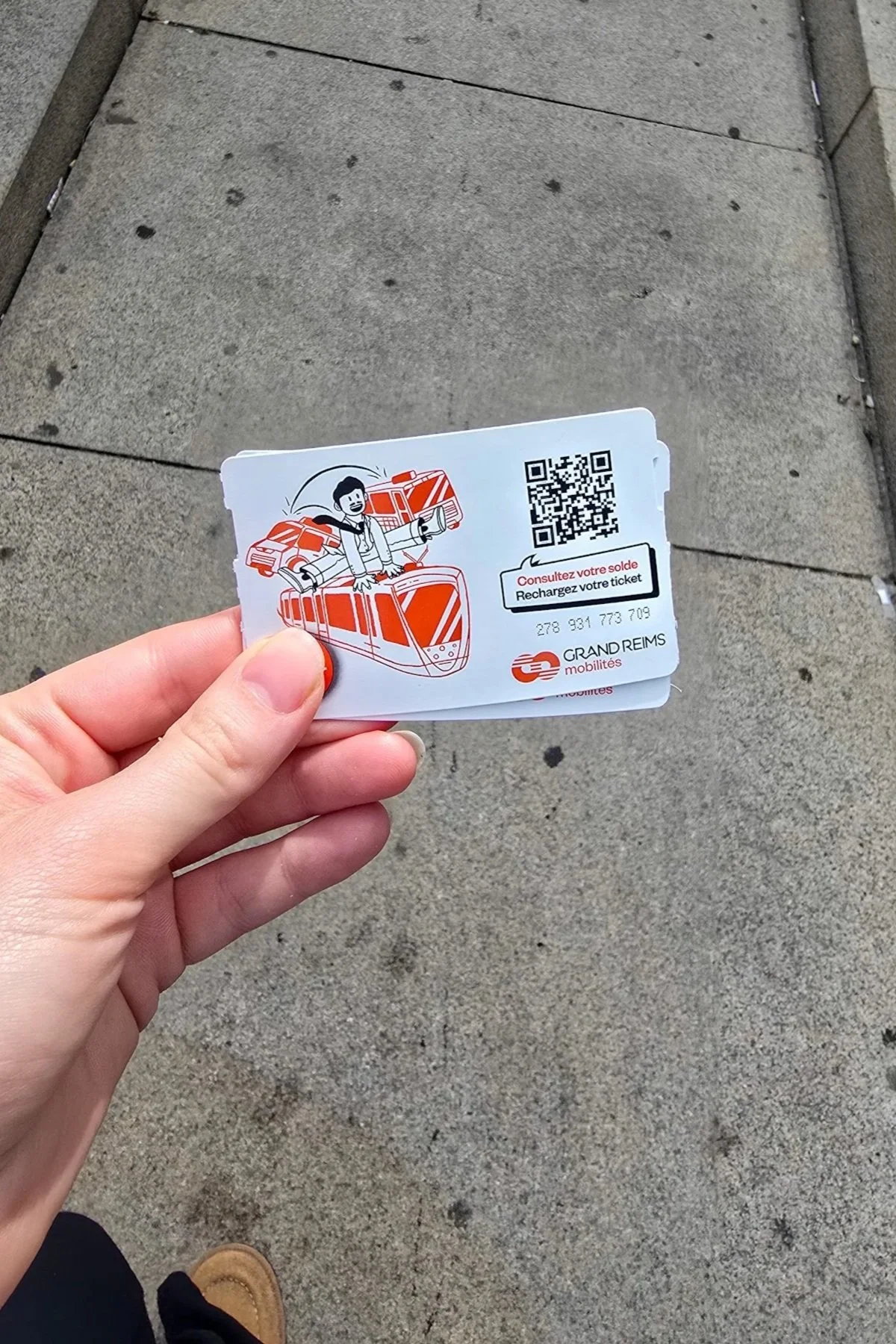
The only time we used public transport was to get to a few of the champagne houses located outside the city center. It’s a 35-minute walk from the city center, and in 34-degree weather, we felt it was a bit too ambitious. So, for those trips, we took the local bus. Tickets cost around €2 per journey, and you can either buy them at the bus stop, purchase them on board, or simply tap your card or phone when you get on.
Unless you're planning to explore smaller villages in the Champagne region, I don't think you'll need a car once you're in Reims.
Best things to do in Reims
While Reims is a beautiful city to visit, it's not a place where you feel pressured to tick off 25 attractions in 48 hours – and I actually think that's part of its charm. Instead of rushing from one sight to the next, you can focus on the things that are truly worth your time.
From the city's famous cathedral to some of the best champagne houses, here are the places I think you shouldn’t miss out on in Reims.
Visit the Notre-Dame de Reims Cathedral
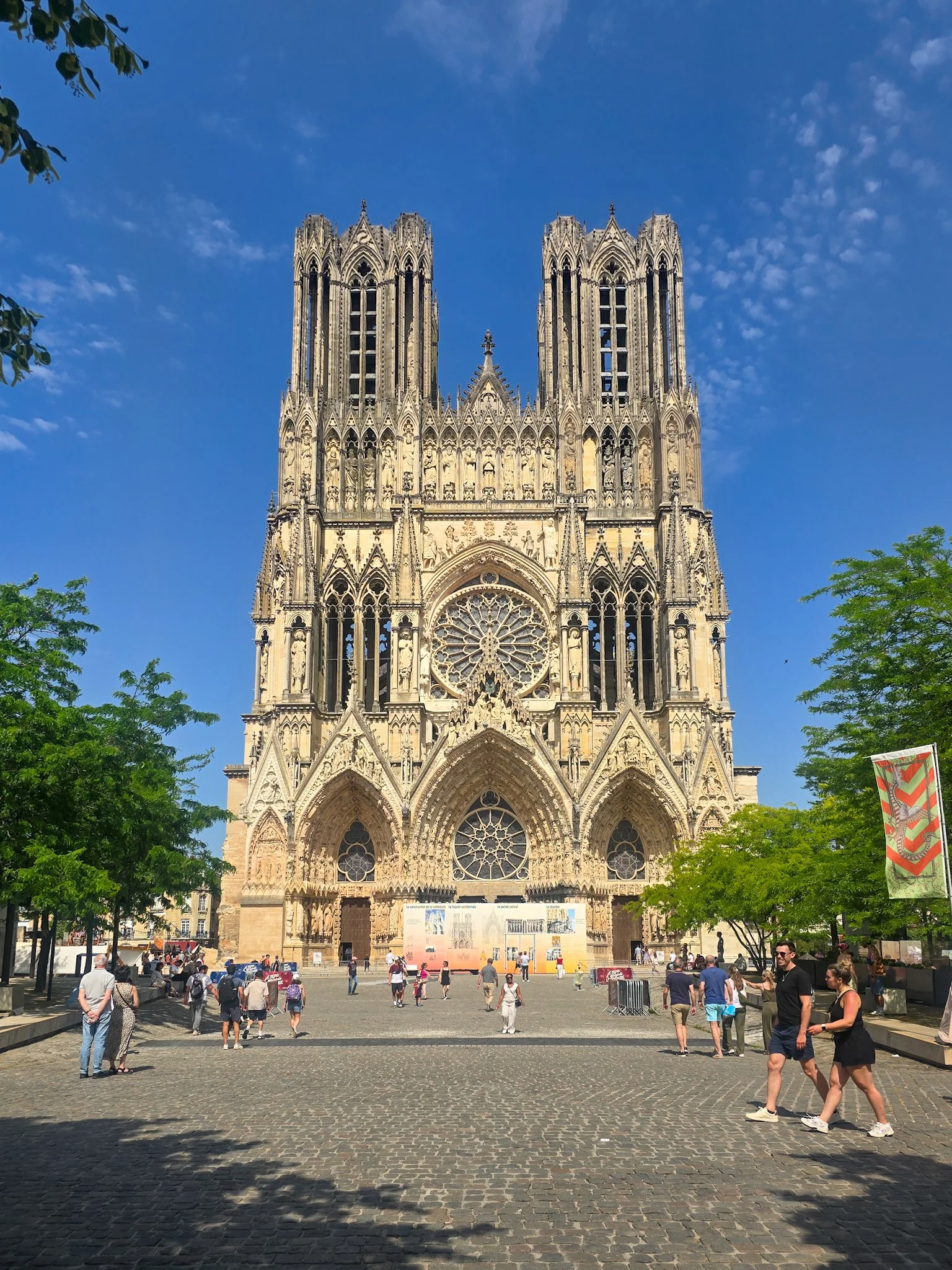
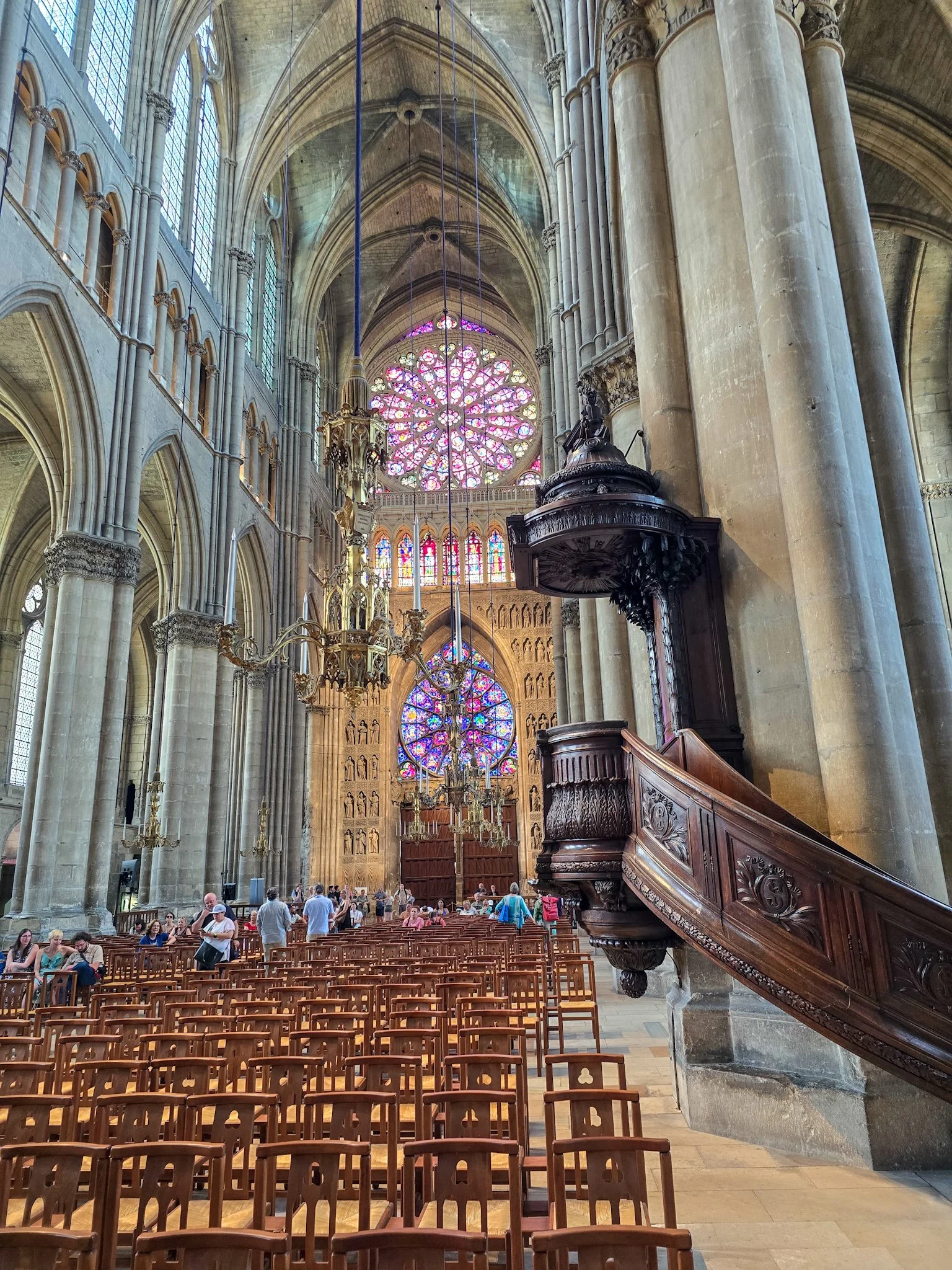
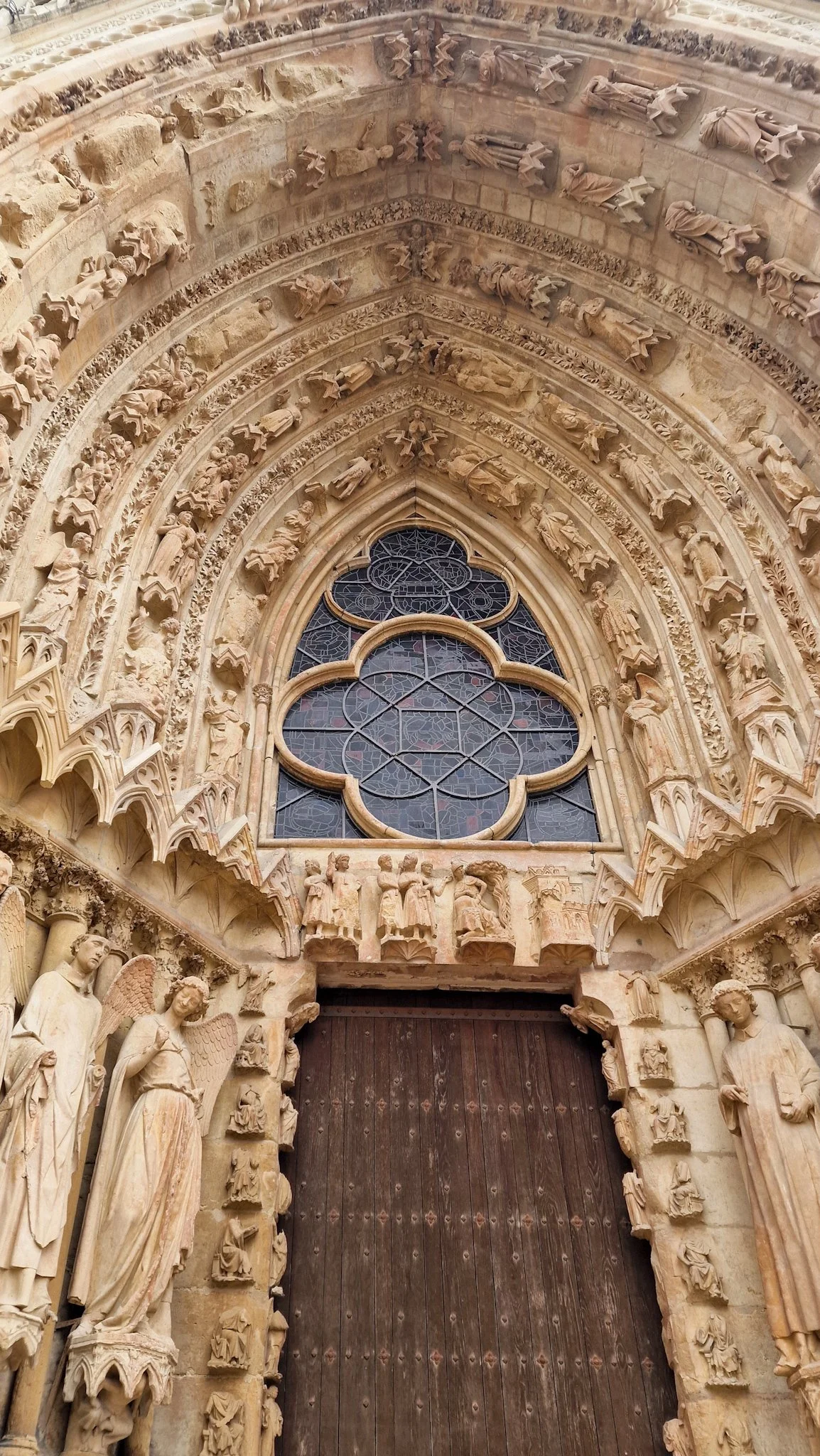
The cathedral is one of the city's most important landmarks and one of the first places I'd recommend adding to your itinerary. Honestly, it's also pretty difficult to miss because it's impressively massive.
As I mentioned before, the French kings were crowned here rather than in Paris for centuries, which explains why the cathedral played such an important role in French history. Once you know that, its size and elaborate architecture make a lot more sense. The cathedral is considered one of the finest examples of Gothic architecture in France, and there are details everywhere you look.
Make sure to spend some time exploring the inside as well. One of the statues that caught my attention was Joan of Arc, who played an important role in the coronation of Charles VII in Reims. Between the stained-glass windows, sculptures, and soaring ceilings, it's worth taking your time rather than simply walking through.
If you're visiting between late May and early October, I'd also recommend coming back after dark for the evening light show. During the summer months, projections are shown on the cathedral façade on Friday, Saturday, and Sunday evenings, usually starting around 22:45 (10:45 PM). It's a great way to end the day and see one of Reims' most famous landmarks while enjoying a glass of champagne (what else?) at one of the restaurants or wine bars on the main square.
Check for Local Events
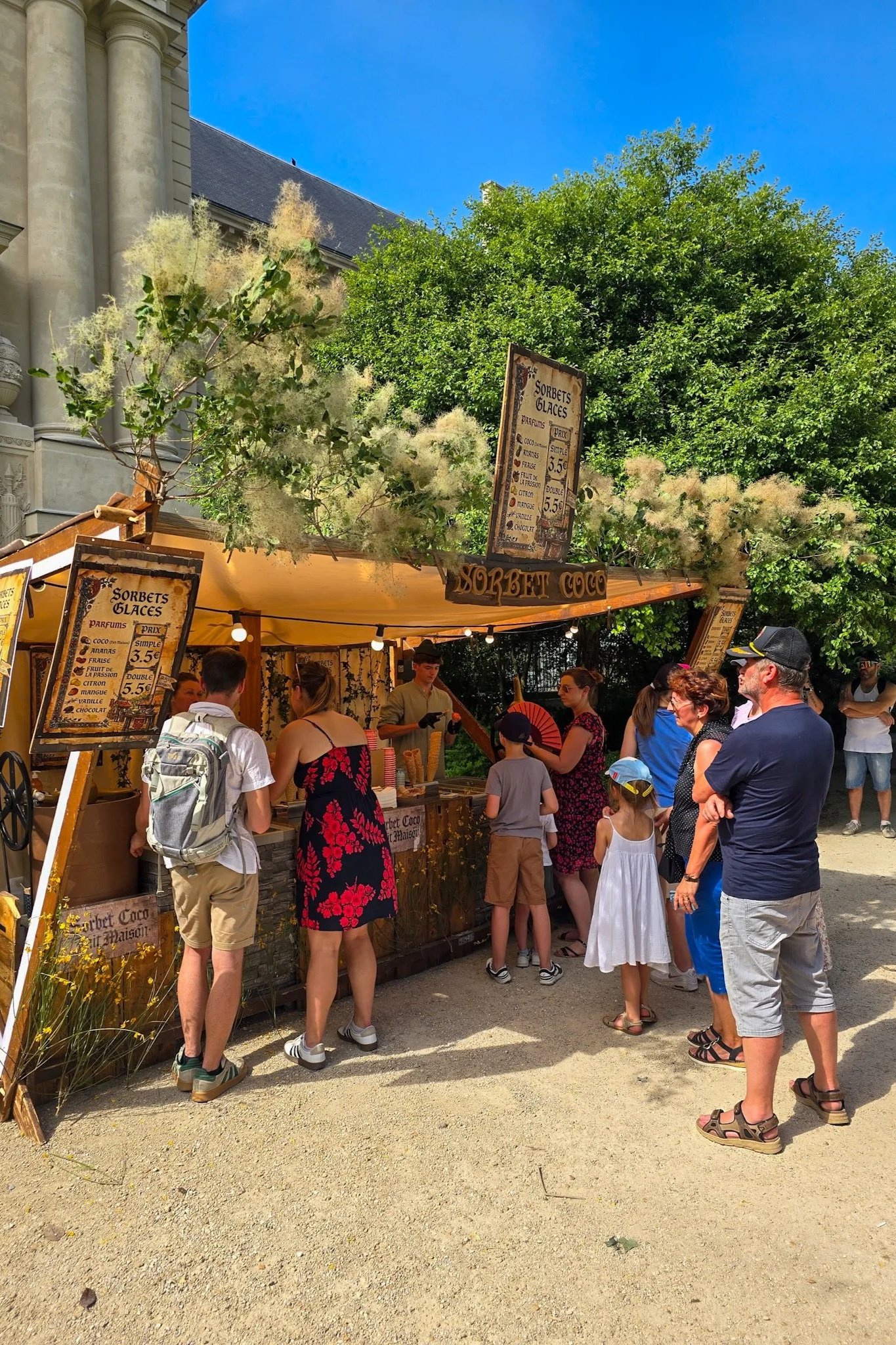
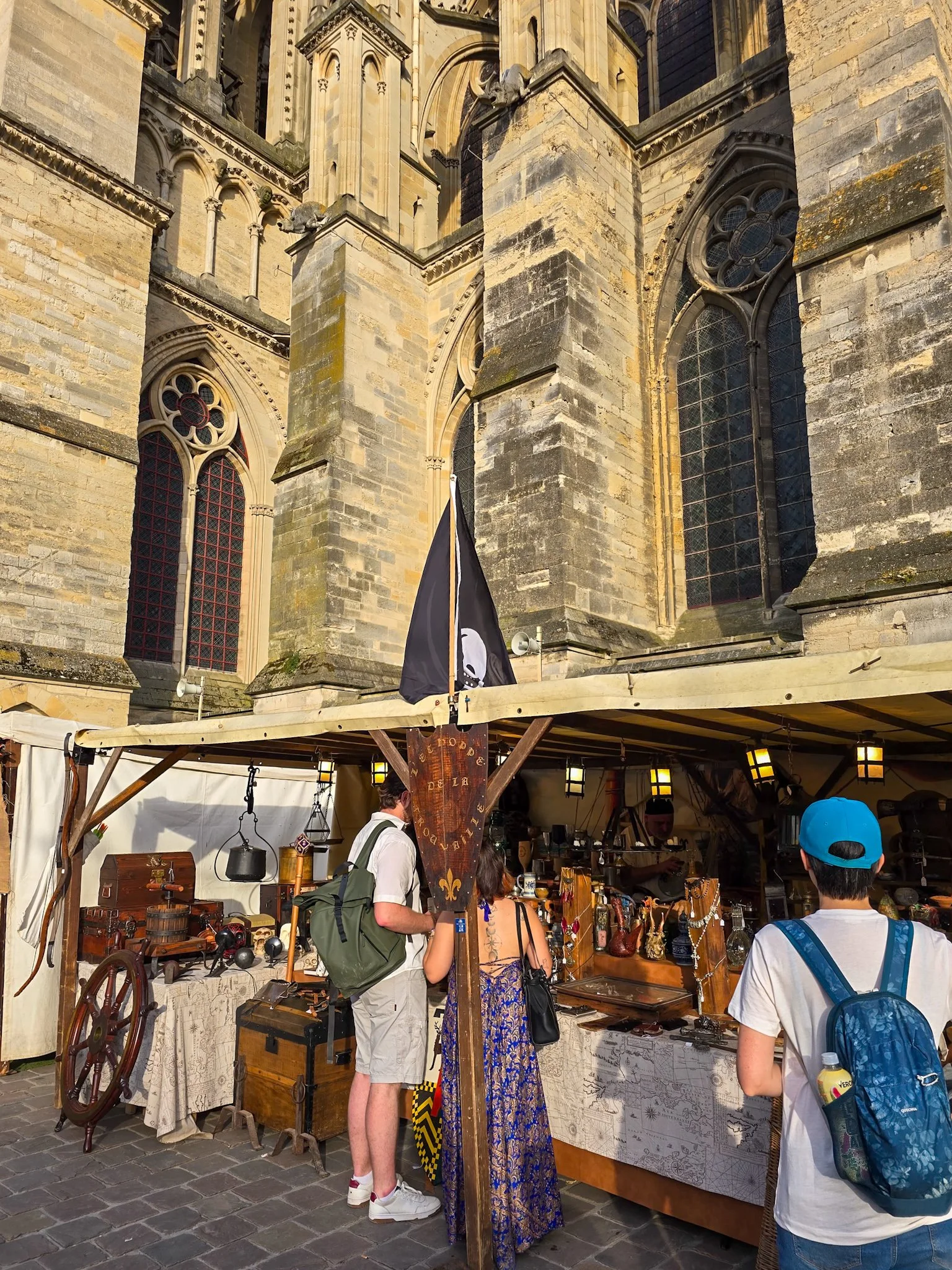
One of the surprises during my trip to Reims was finding out that I had arrived during the annual Joan of Arc Festival. The event takes place around the cathedral and commemorates the coronation of Charles VII, which is closely linked to Reims' history.
It wasn't a huge festival by any means, but I thought it added a lot of atmosphere to the city. There were medieval market stalls, live music, food and drinks, demonstrations by craftspeople, and a parade that continued well into the evening. I spent quite a while browsing the market and very nearly came home with a small medieval harp before reminding myself that I probably didn't need yet another hobby. If you're visiting Reims around the end of May, I'd definitely recommend checking it out. Even if you only stop by for an hour or two, it's a fun way to experience a different side of the city.
During the summer months, Reims also hosts the Flâneries Musicales festival, which brings classical, jazz, and other music performances to venues across the city, including historic landmarks and even some champagne houses. Many of the concerts are free to attend, making it an interesting addition to a weekend in Reims.
If you're visiting towards the end of the year, the Reims Christmas Market is one of the largest Christmas markets in France, with around 150 chalets selling food, gifts, local specialties, and, naturally, plenty of champagne. Heading on a Christmas market road trip through France? In that case, you should also really check out Colmar and Strasbourg.
Visit a Champagne House
Let's be honest, champagne is probably the reason most people end up in Reims in the first place. Home to famous houses such as Veuve Clicquot, Taittinger, Ruinart, Pommery, and many others, Reims is one of the best places in the world to learn more about how champagne is made.
One of the things I found interesting during my visits was learning how important bottles were to Champagne's success. For a long time, wines from Champagne were transported in barrels. It wasn't until a law was passed in 1728 that allowed wine to be shipped in bottles that Champagne producers could more easily export their wines, helping Champagne become the drink we all know and love.
Even if you're not a champagne expert, I'd still recommend booking at least one tour during your trip. Most visits include a guided tour of the cellars, an introduction to the champagne-making process, and, of course, a tasting at the end. It's a fun way to learn more about the region and gives you a much better appreciation for what goes into every bottle.
The good news is that there are plenty of options to choose from, whether you're looking for one of the famous champagne houses or a smaller producer.
The Best Champagne Tastings & Tours in Reims
One thing you'll quickly notice when planning a trip to Reims is that there are a lot of champagne houses to choose from. From famous names like Veuve Clicquot, Ruinart, Taittinger, and Pommery to smaller producers and houses such as Maison Mumm, there are plenty of options available. If there's one piece of advice I'd give, it's to book your tours in advance. The most popular houses can sell out surprisingly quickly, especially during weekends and the summer months.
Most tours follow a similar format and include a visit to the cellars, an introduction to the champagne-making process, and a tasting at the end. Prices typically range from around €80 to €180 per person, depending on the house, the number of champagnes included in the tasting, and the overall length of the experience. Most tours last somewhere between 1.5 and 2.5 hours.
Some houses also offer alternative experiences. During one of my visits, for example, I booked a champagne-pairing lunch at Maison Mumm rather than another cellar tour. If you've already visited a few houses during your trip, this can be a nice way to experience a different side of Champagne.
One practical tip: bring a sweater or cardigan if you're visiting the cellars. Even on a warm summer day, it can get surprisingly cold underground.
As for which house is best, I honestly think it depends on what you're looking for. While every house has its own story, history, and branding, the tours themselves are often more similar than different. For me, the choice comes down to a combination of the champagnes you enjoy drinking, the style of the house, and the overall experience you're looking for. Interestingly, many of the major houses are owned by LVMH, although you'd never really notice it during the tours as each brand has maintained its own identity.
Here are the champagne tours I personally visited and would recommend:
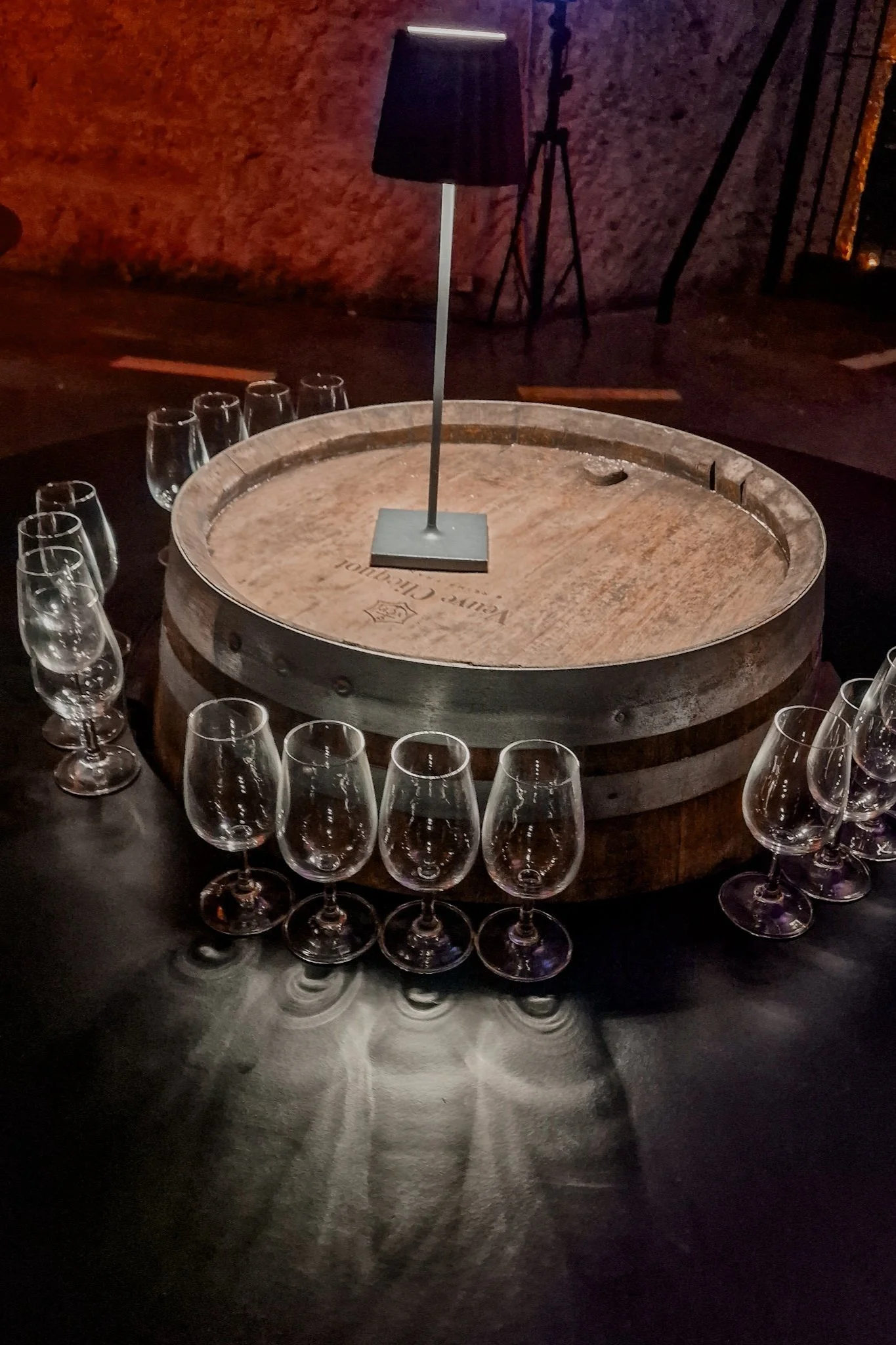
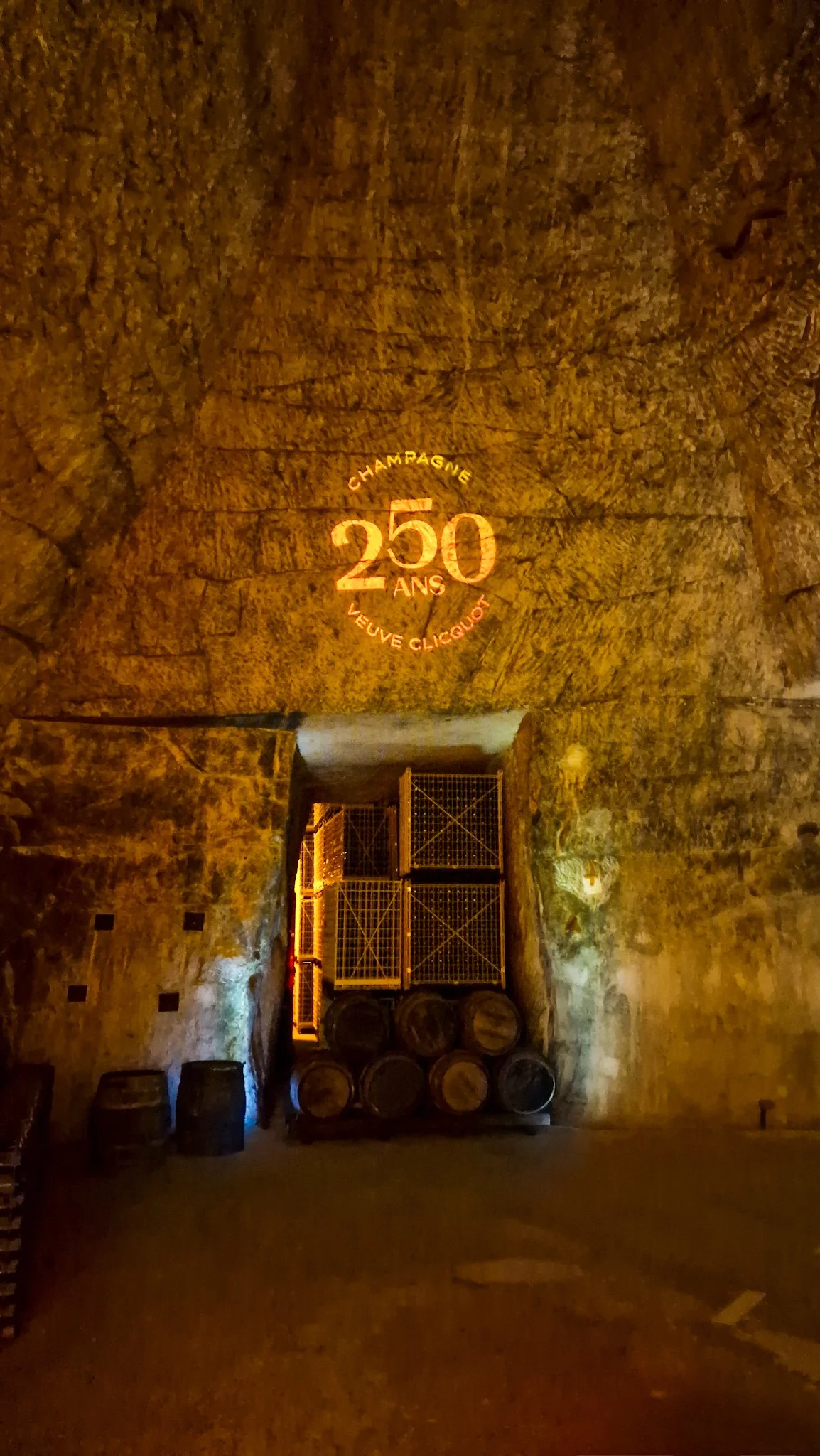
Veuve Cliquot
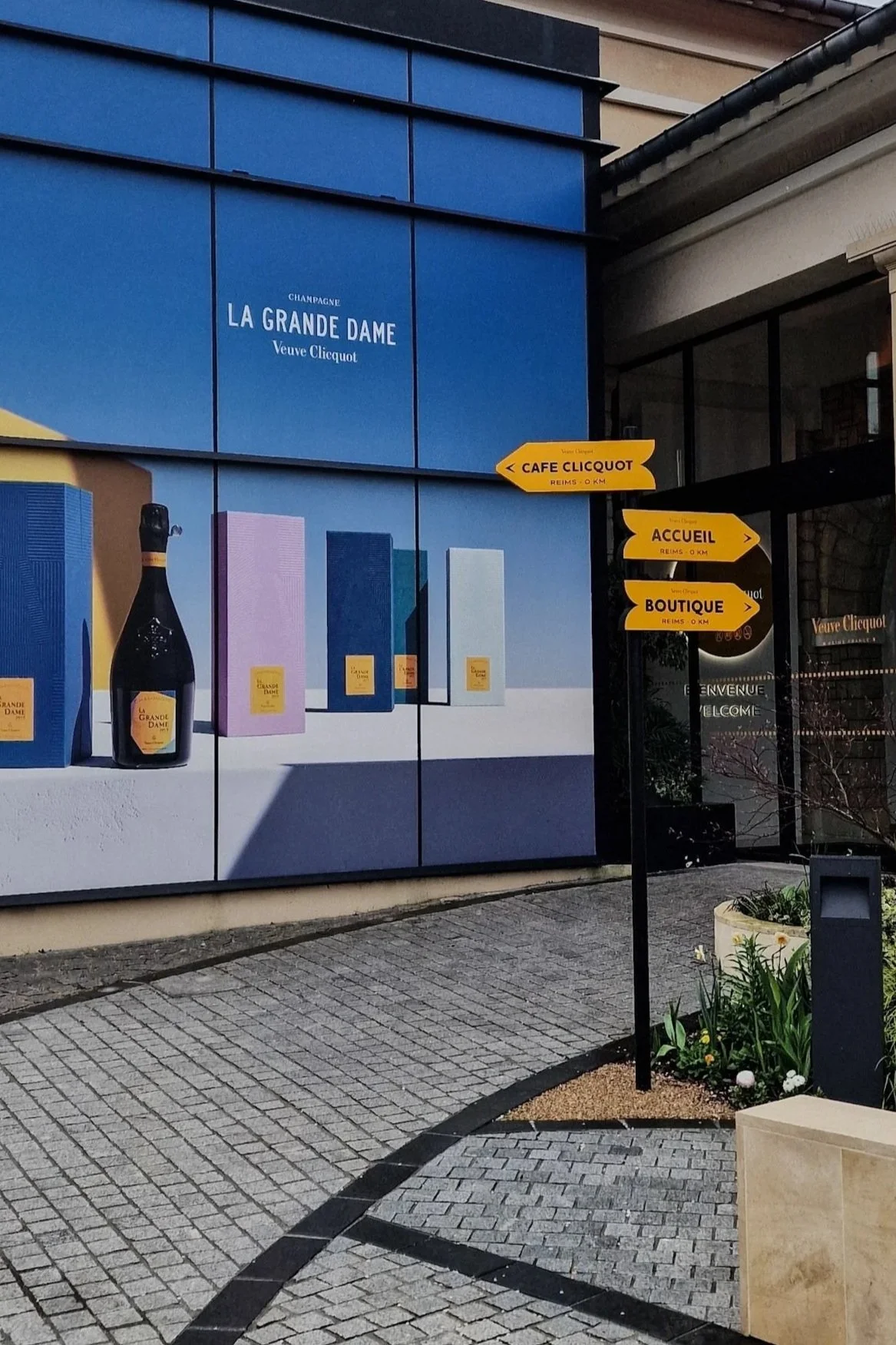
Even if you've never been to Reims before, chances are you've heard of Veuve Clicquot. With its iconic yellow-orange label, it's one of the most recognizable champagne brands in the world and a name you'll spot everywhere from hotel bars to summer pop-ups along the French Riviera.
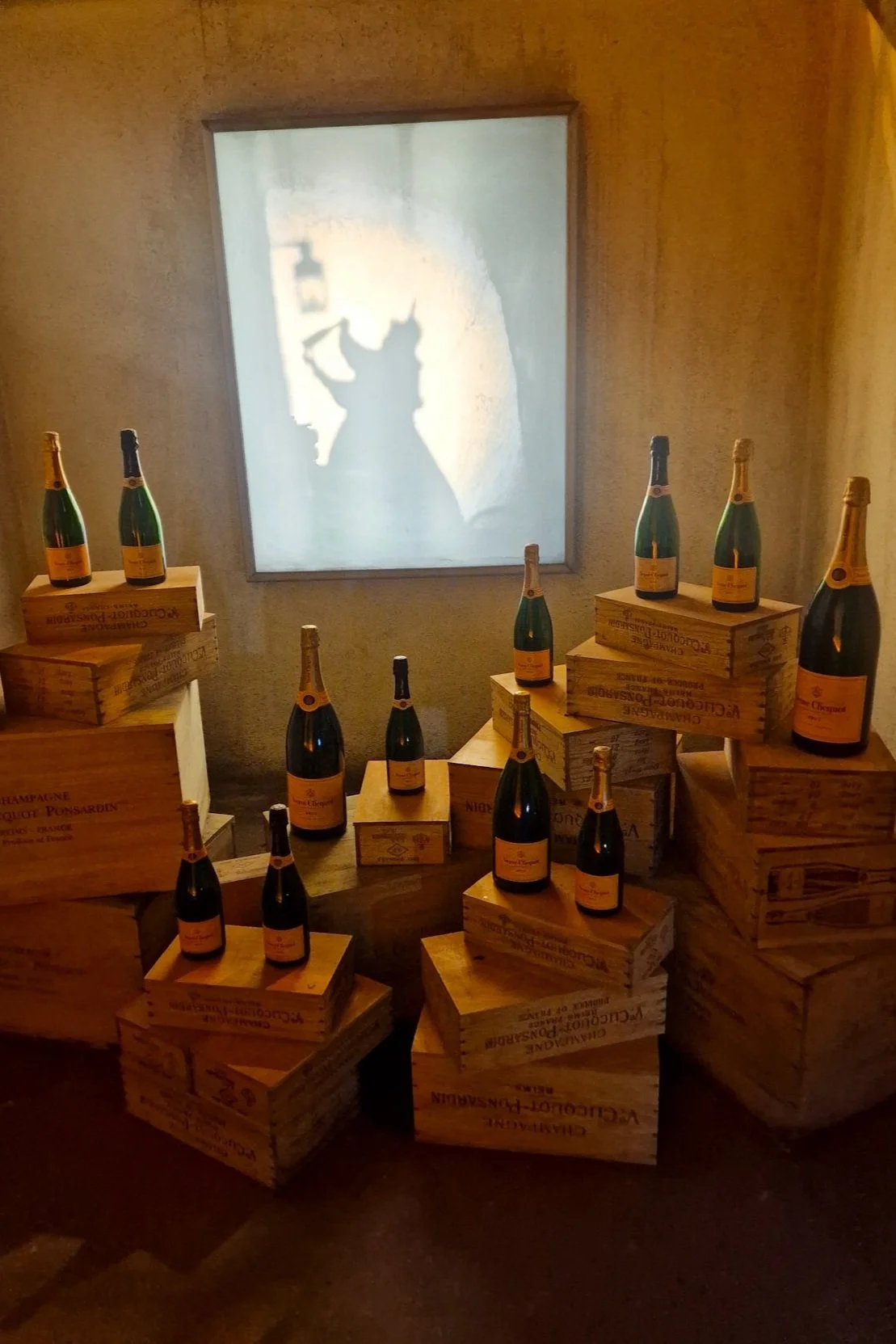
What surprised me most during the tour was learning more about Madame Clicquot herself. After the death of her husband, she took over the business at a time when female entrepreneurs were practically unheard of, especially in the wine business, and helped turn the house into one of the most successful champagne brands in the world.
As a result, the tour feels a little different from some of the others. While you'll still learn about the champagne-making process and visit the cellars, there's a strong focus on Madame Clicquot's story and the impact she had on the industry. I didn't know much about her before my visit, but I found myself rooting for her more and more as the tour went on. Women in STEM... I mean Champagne!
If you're interested in the history behind the brand as much as the champagne itself, this is one of the tours I'd recommend.
Ruinart
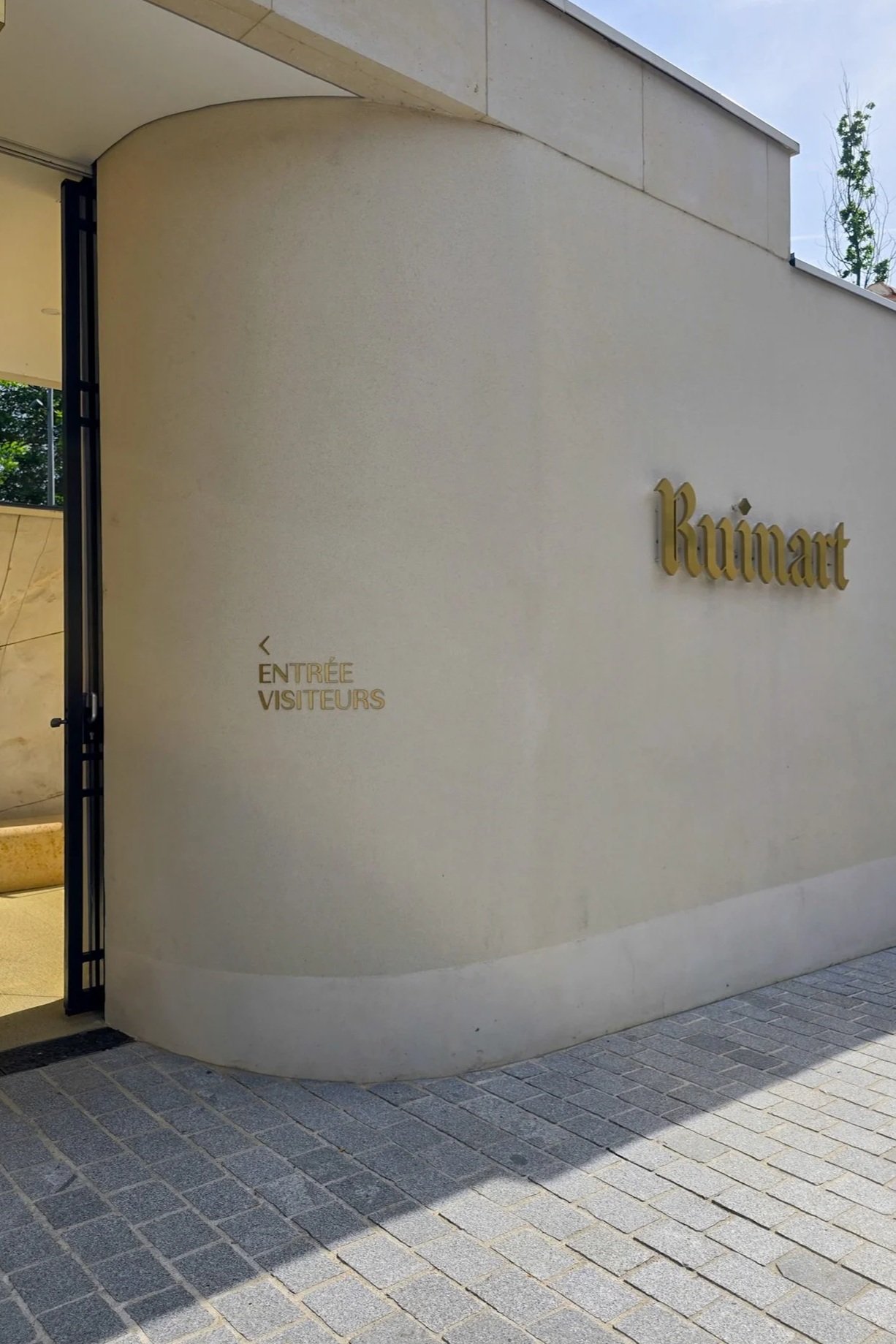
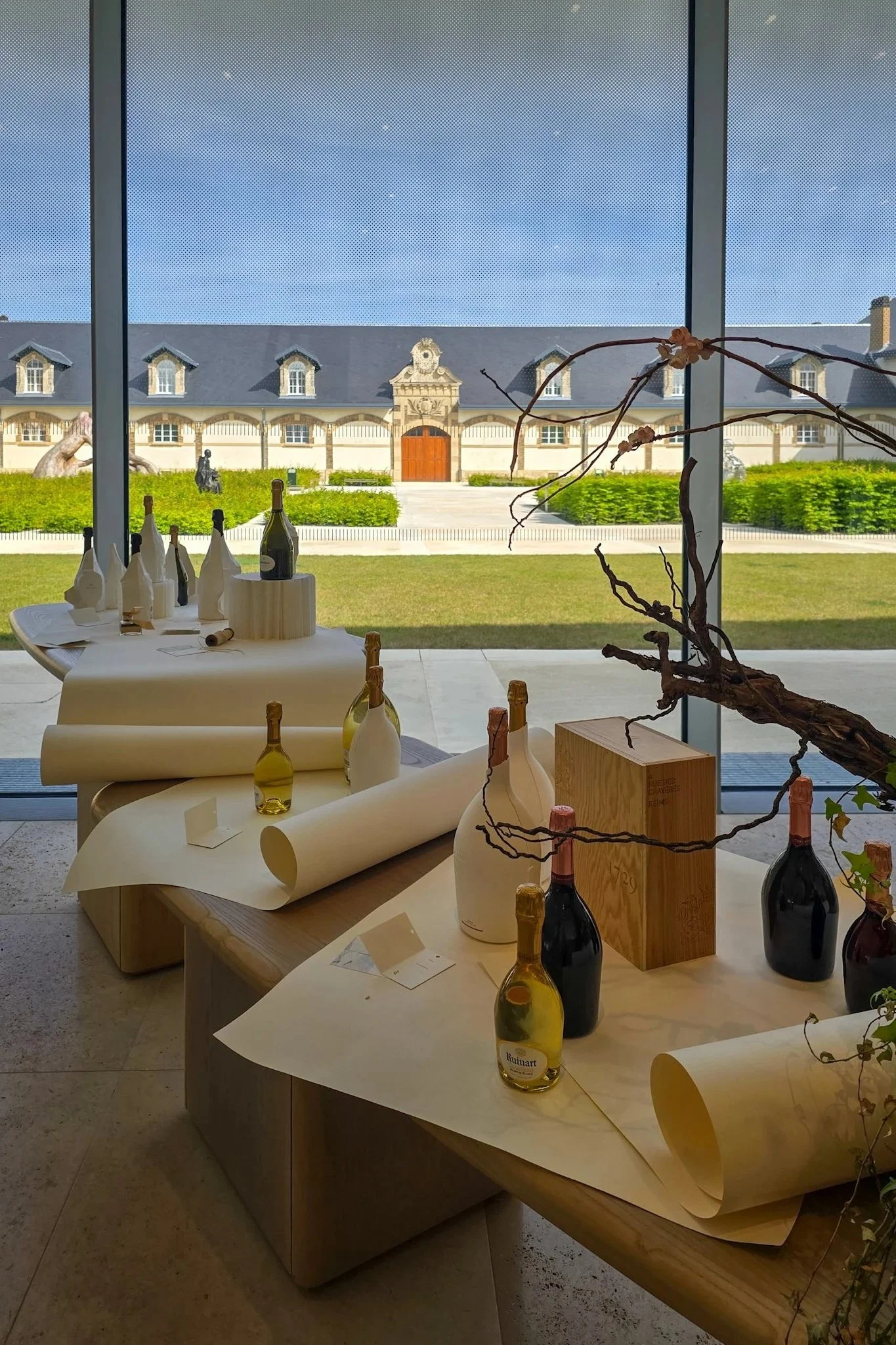
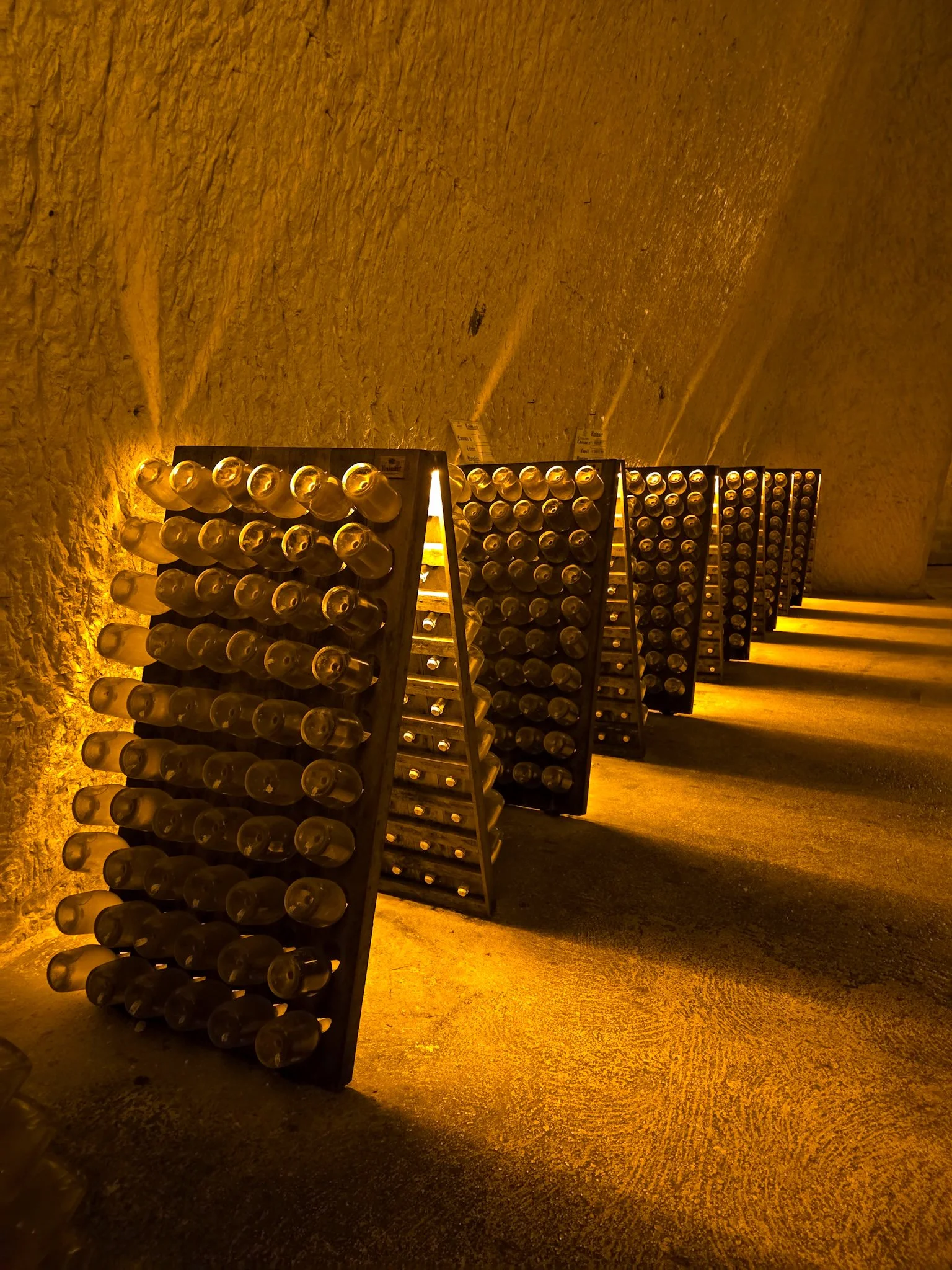
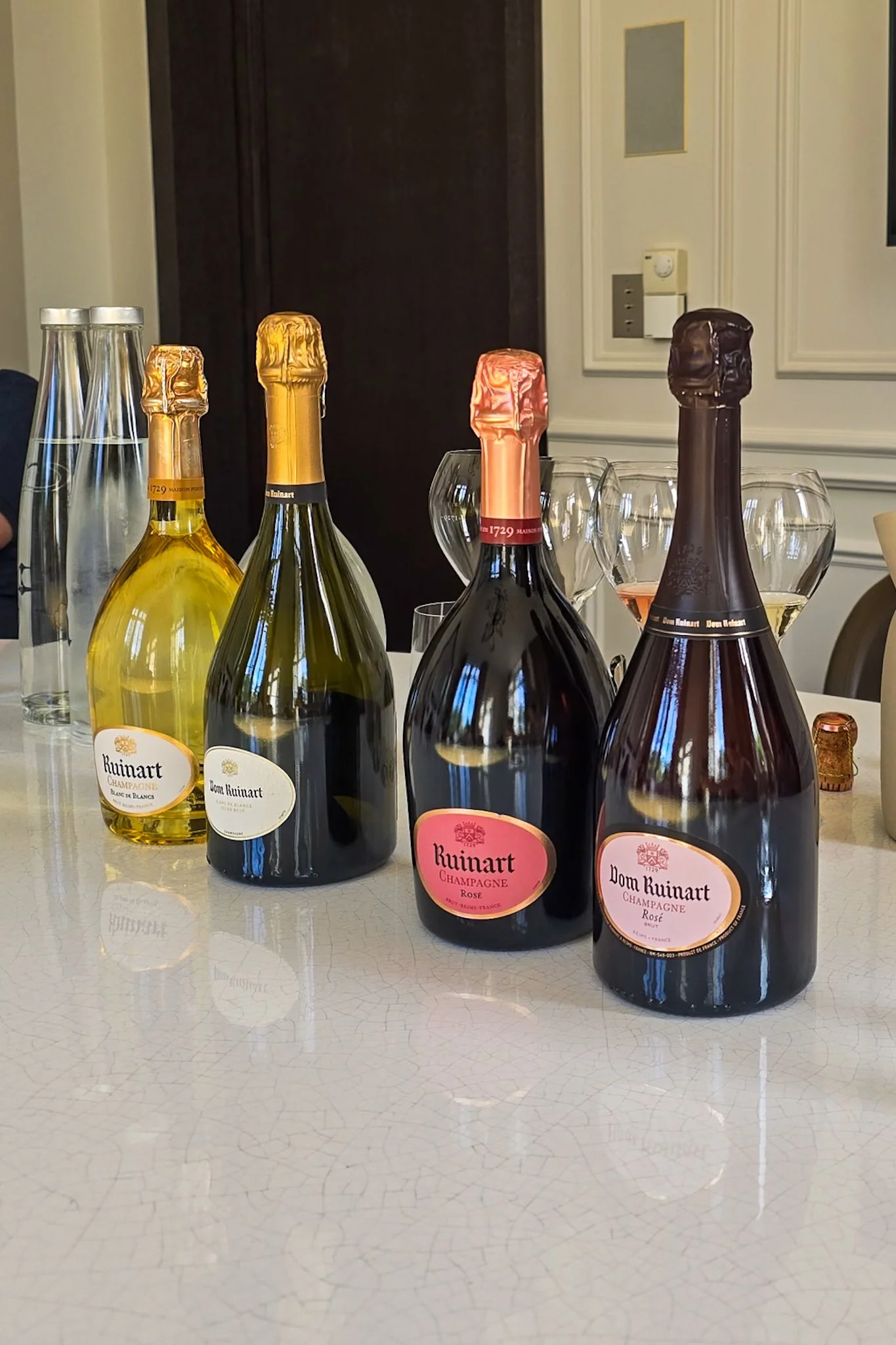
Ruinart is often considered the oldest champagne house in the world and is particularly known for its Blanc de Blancs champagnes. While Veuve Clicquot is hard to miss thanks to its iconic yellow label, Ruinart feels a little more understated.
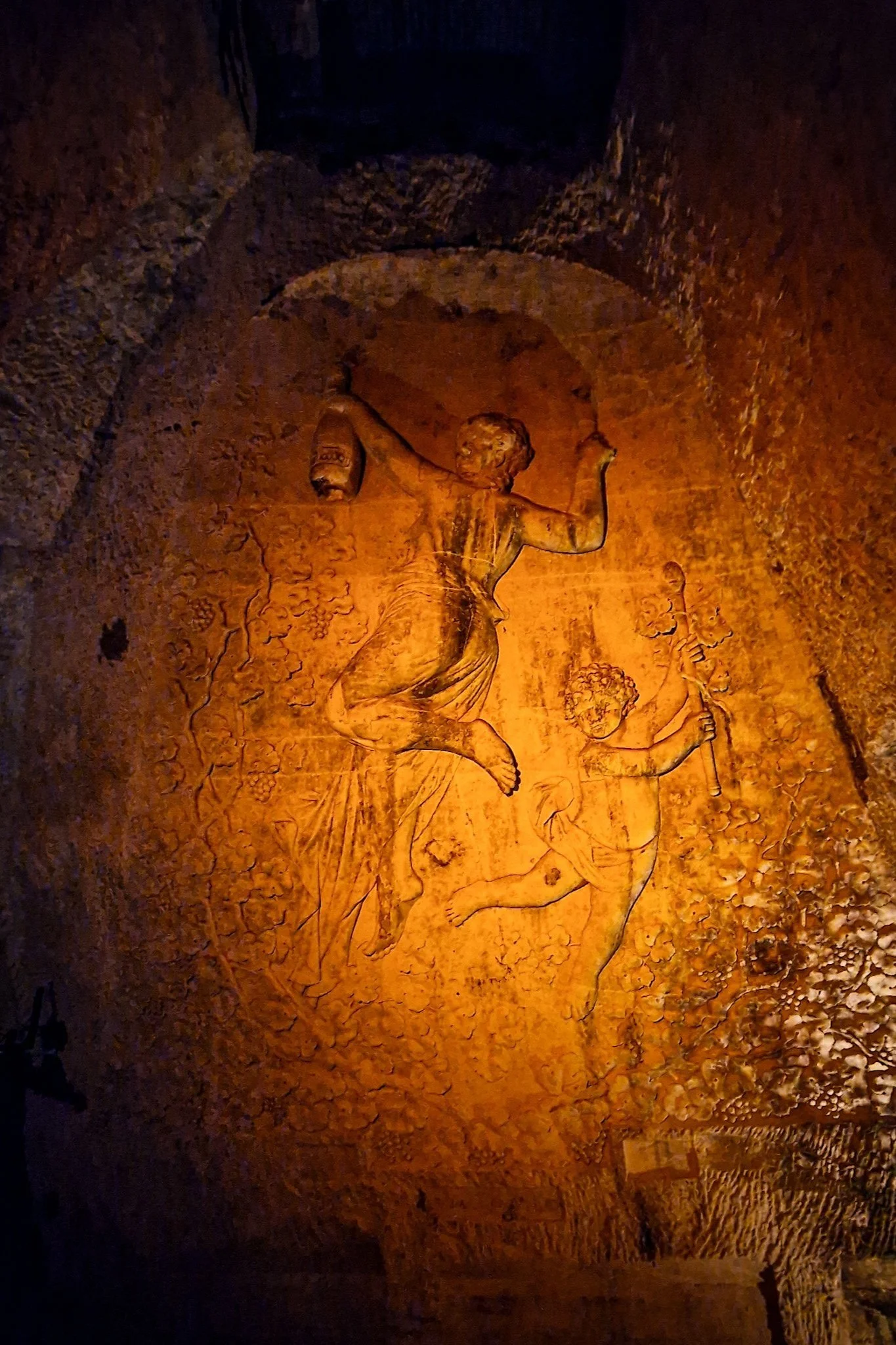
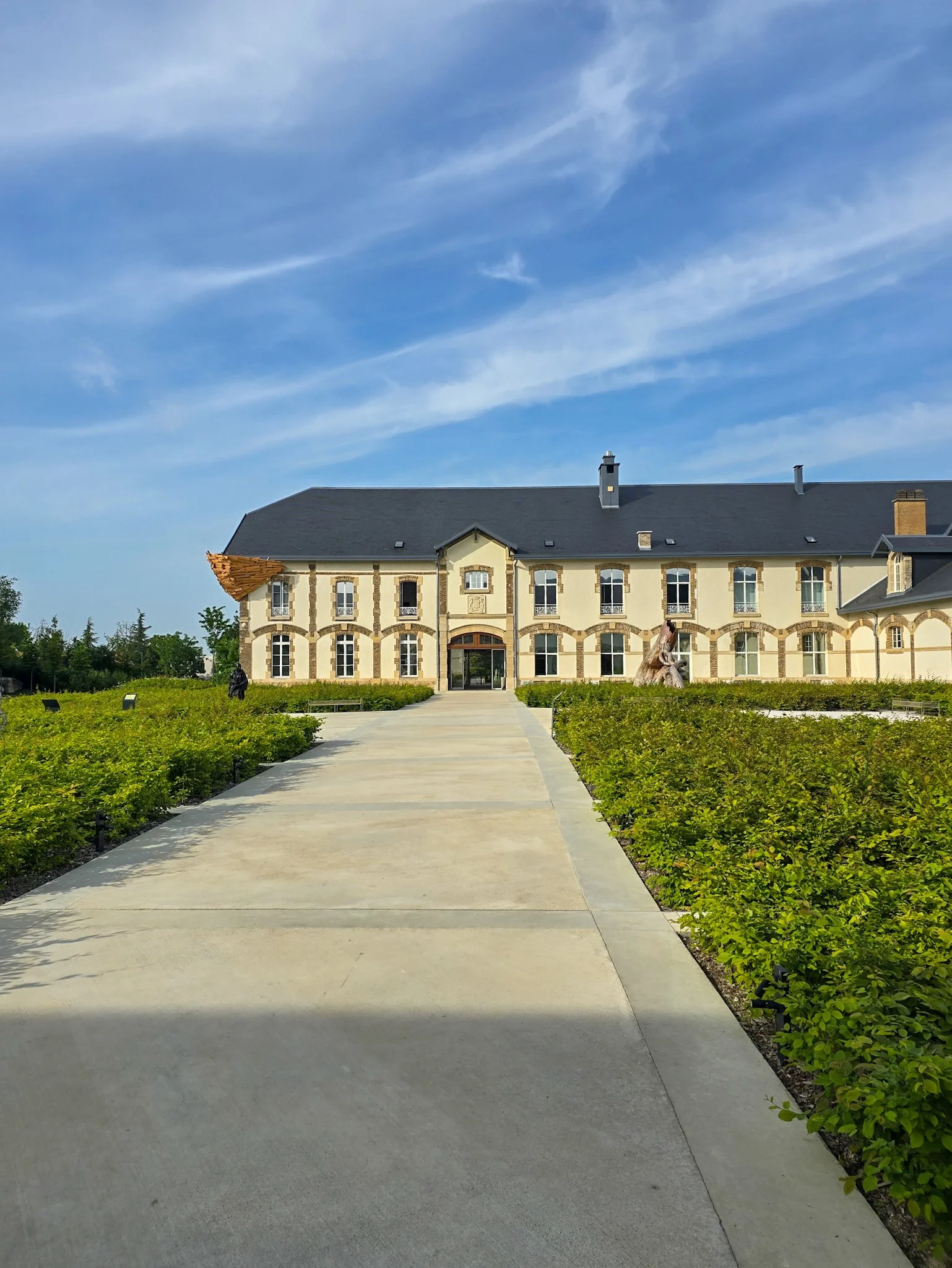
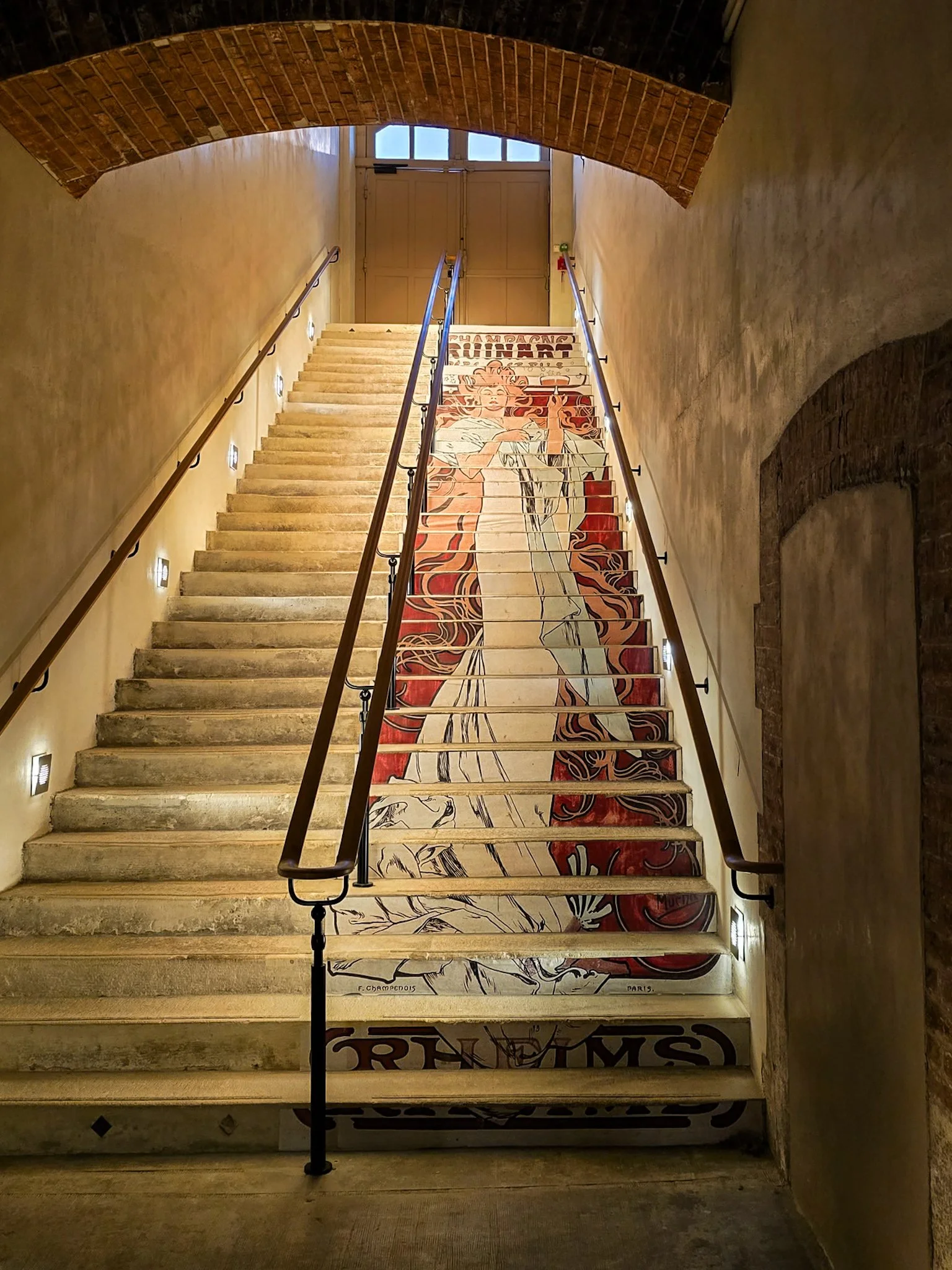
Like most champagne tours, the visit includes a walk through the cellars and an introduction to the champagne-making process. What I liked about Ruinart, however, was that the experience didn't focus exclusively on the wine itself. Throughout the tour, you'll also come across installations by local artists, which helped break things up and made the visit feel a little different from the typical "here are more bottles in a cellar" experience.
The tasting was also one of my favorites. Unlike Veuve Clicquot, where the tasting takes place in the cellars, Ruinart hosts guests in a dedicated tasting room. During my visit, we could choose between a rosé-focused experience or the house's famous Blanc de Blancs tasting, which included both a standard cuvée and a prestige cuvée. While the tasting room definitely added to the premium feel of the experience, I have to admit there was also something special about sipping champagne in the cellars at Veuve Clicquot. It felt a little more unique and atmospheric.
Overall, I felt Ruinart was the more luxurious experience, while Veuve Clicquot had the stronger story thanks to Madame Clicquot. When comparing the two, I feel it’s a bit of a Loro Piana (Ruinart) vs. Gucci (Veuve Clicquot) type of situation. Neither is necessarily better — it just depends on your personal taste and what you're looking for.
Where to stay in Reims
One thing I quickly noticed in Reims is that where you stay isn't quite as important as it is in larger cities. Reims is relatively compact, and most of the main sights, restaurants, and champagne houses are within walking distance of each other. As long as you're staying somewhere reasonably central, it's difficult to go wrong.
During my first visit, I stayed in a rental apartment as I was traveling with a group. The apartment was incredibly spacious and included two bedrooms, which was ideal for sharing. What I liked most, however, was that it felt like staying in an actual home rather than a perfectly styled vacation rental. It had a very French feel to it and gave me a small glimpse into what living in Reims might be like.
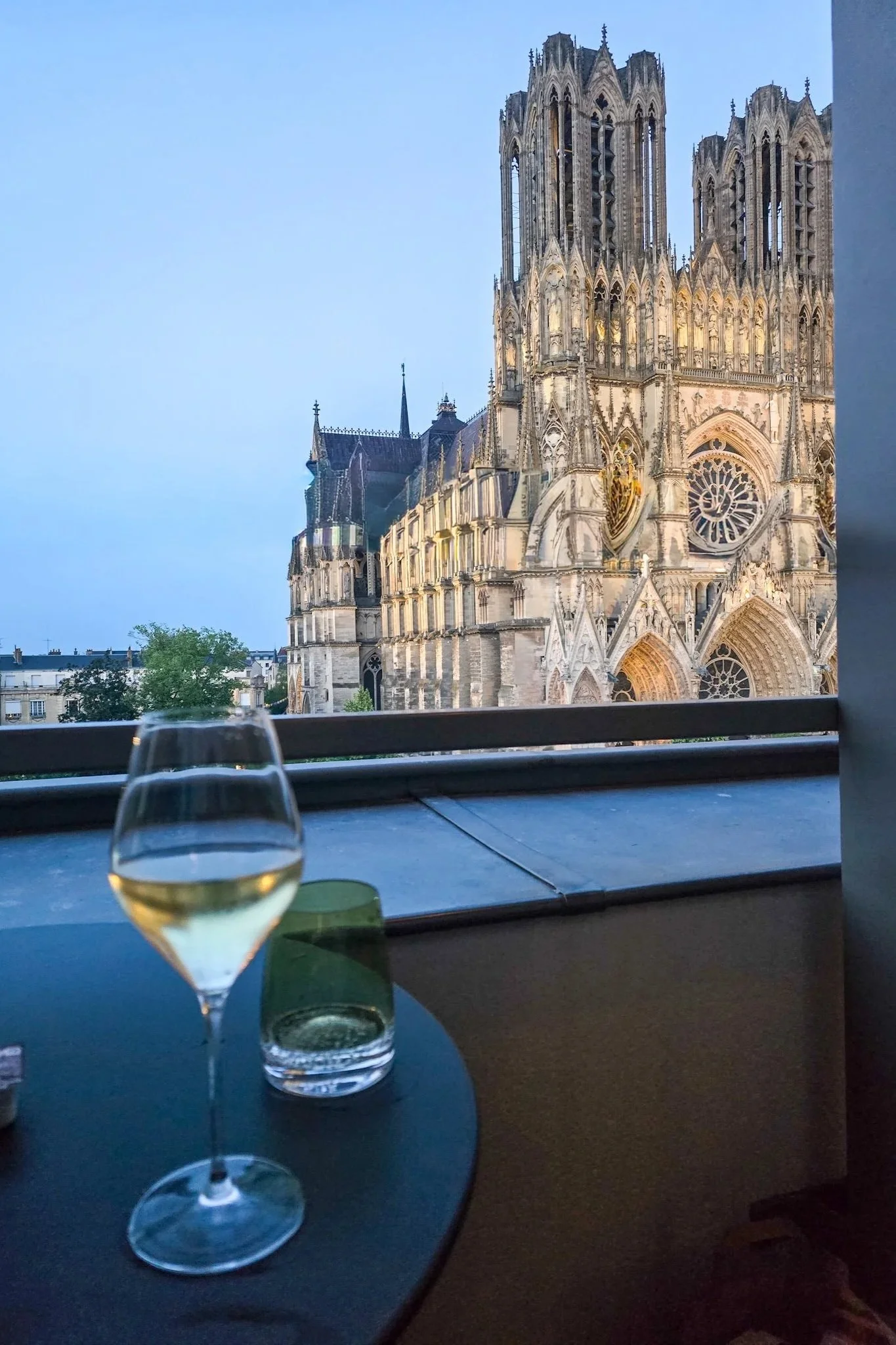
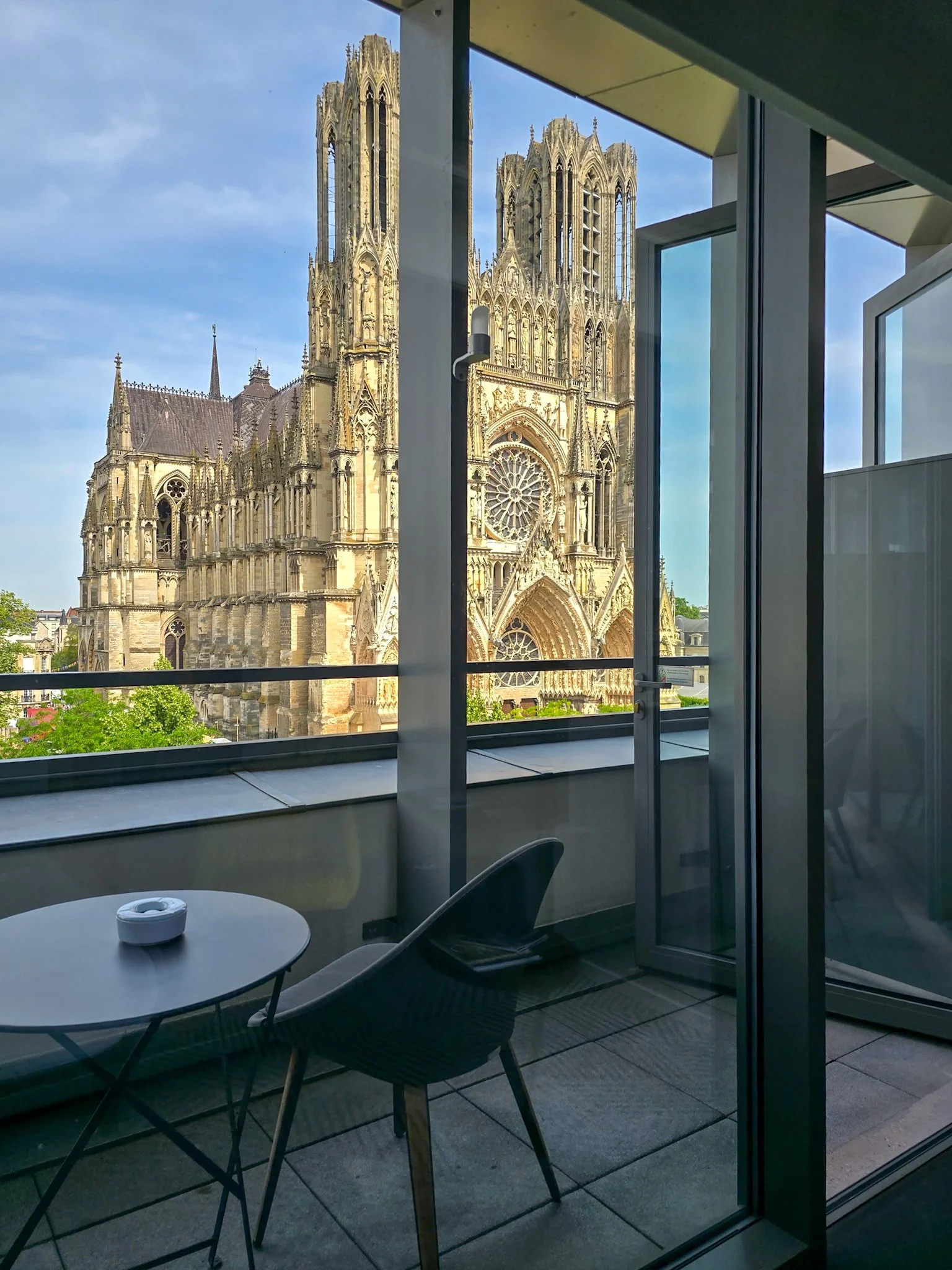
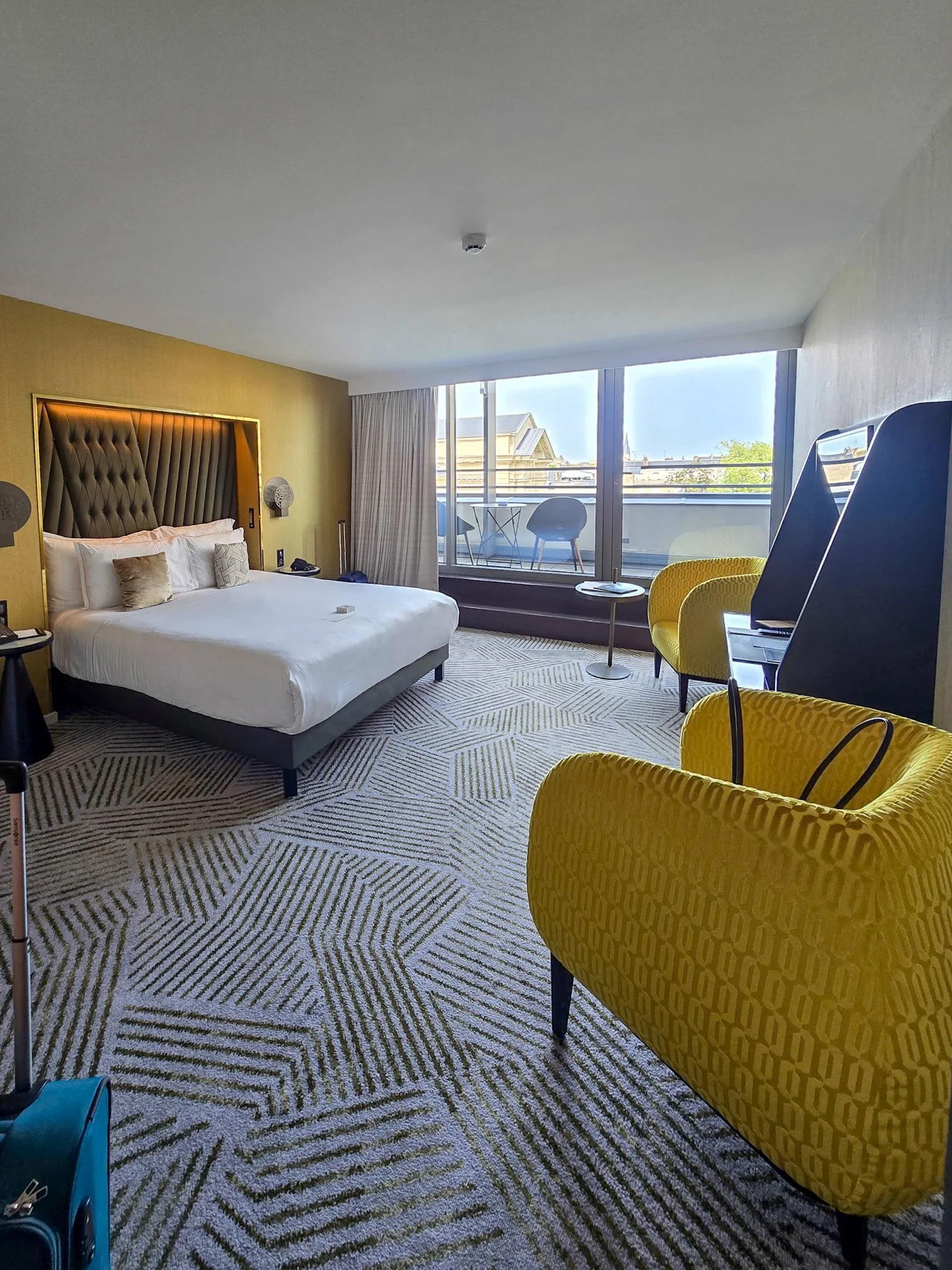
On my most recent trip, however, I stayed at the La Caserne Chanzy Hotel & Spa, located directly across from the cathedral. I booked a Junior Suite with a balcony overlooking the cathedral, which turned out to be one of my favorite parts of the stay. Waking up to that view every morning felt pretty special.
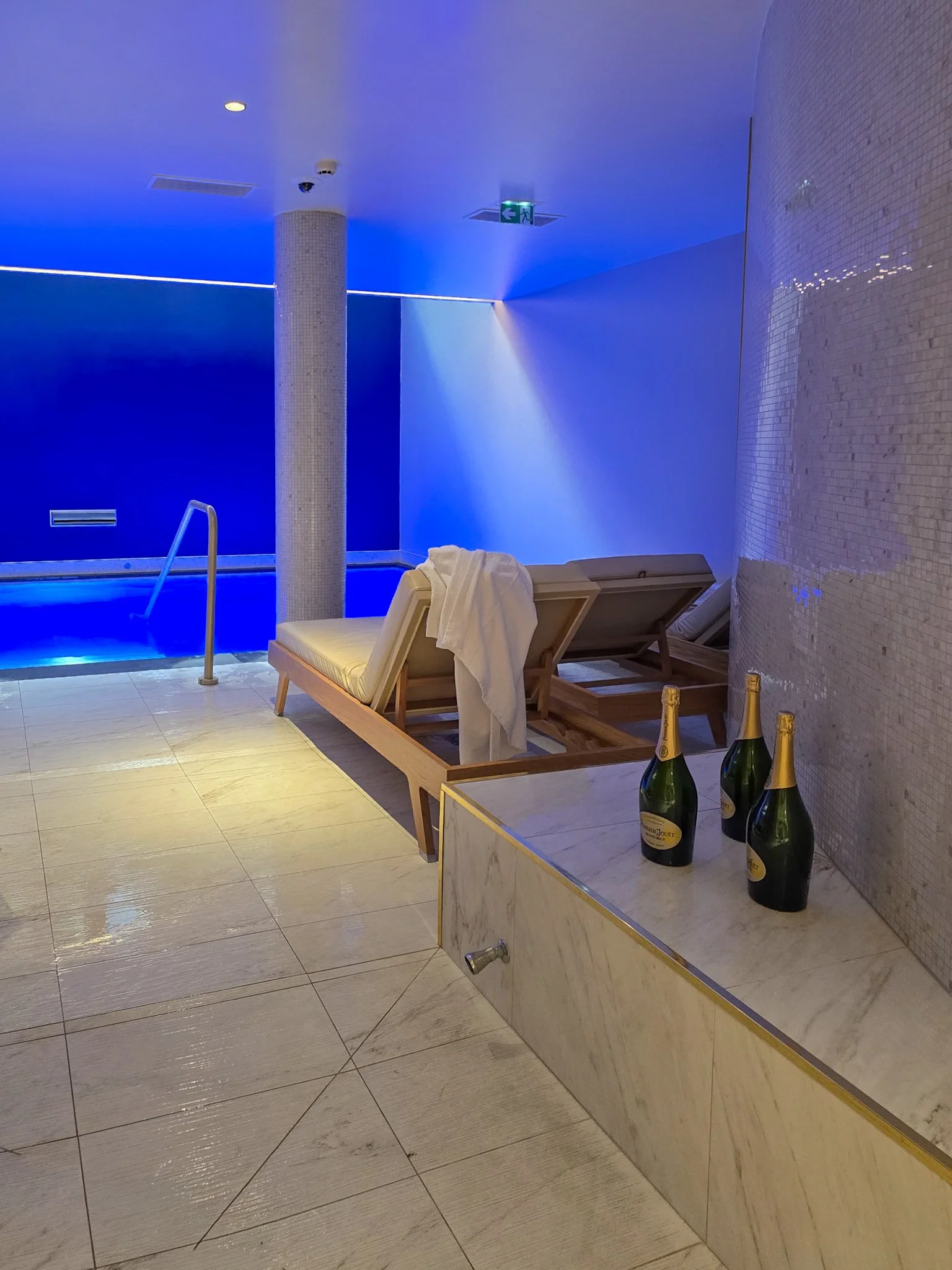
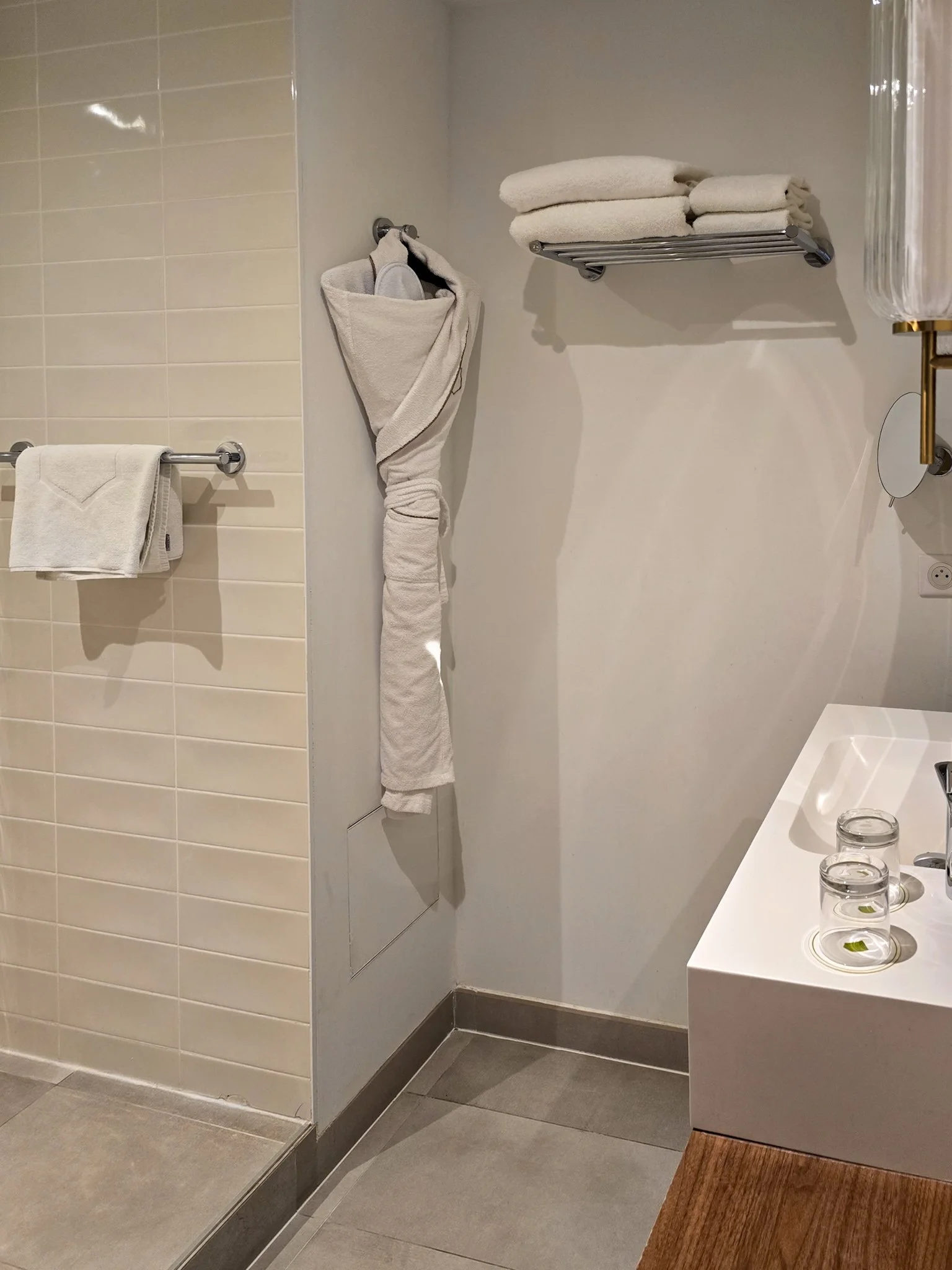
The hotel itself reminded me of a typical Marriott property. It wasn't the most luxurious or memorable hotel I've ever stayed in, but the rooms were spacious, clean, and had everything I needed for a comfortable weekend in Reims. There's also a small spa area with a pool, sauna, and steam room, which was a nice bonus after a full day of walking around the city and visiting champagne houses.
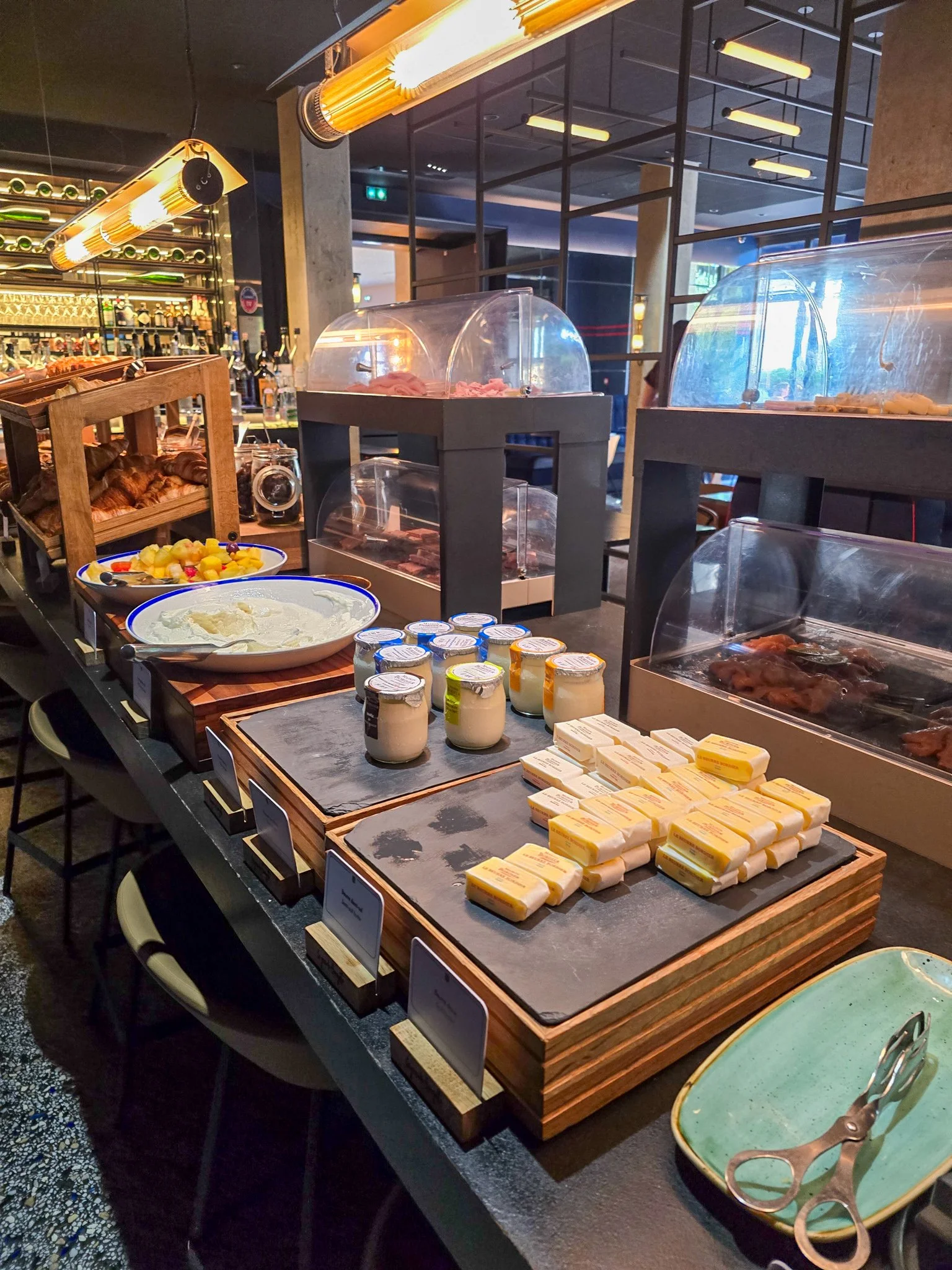
One thing I would note is the breakfast. We forgot to check whether breakfast was included in our rate and ended up paying €30 per person for coffee and a croissant. That's ultimately my own fault for not checking beforehand, although I was a little surprised it wasn't mentioned at check-in when I asked about breakfast. The selection itself also felt fairly limited for the price.
One of my favorite moments from the trip was ordering room service on our first evening and enjoying dinner on the balcony overlooking the cathedral.
Where to eat in Reims
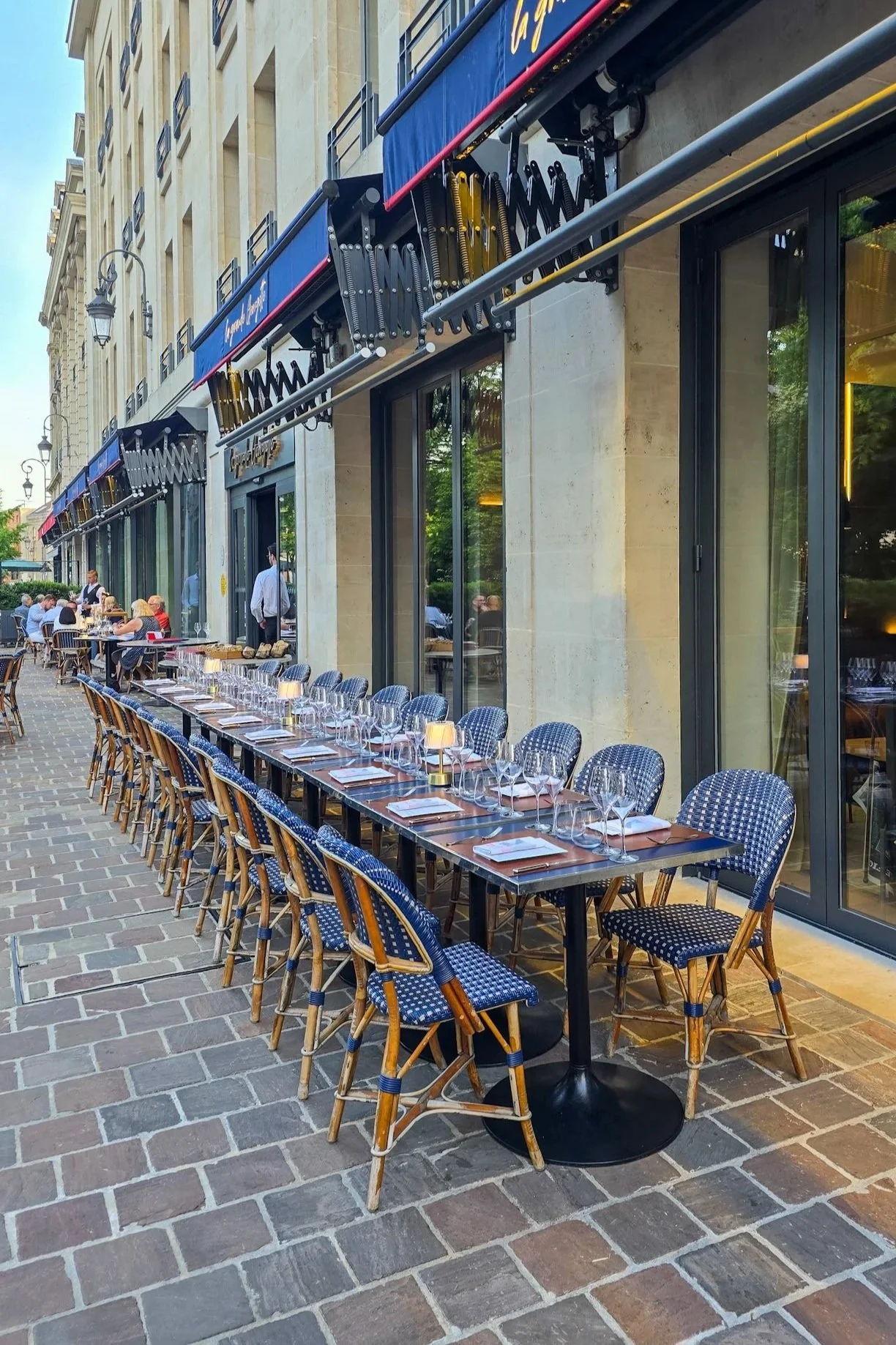
One thing I learned very quickly in Reims is that this is not a city for spontaneity when it comes to restaurants.
During my last visit, we deliberately didn't make any dinner reservations because we weren't sure how long our champagne tours would take. We figured we'd simply find a restaurant once we got hungry. Very bad decision….
Pretty much everywhere we wanted to eat was fully booked, and after trying several restaurants without success, we ended up ordering room service instead. Thankfully, it was actually very good, so it wasn't much of a punishment, but the experience taught me one thing: if there's a restaurant you want to visit in Reims, book far in advance (one of the restaurants I wanted to visit is booked until September... it’s June now).
The good news is that there are plenty of great places to choose from. While I haven't had the chance to try all of the restaurants on my wishlist yet, these are the places I've personally visited and would recommend.
G.H. Mumm Culinary Experience
If you're looking for something a little different from a traditional champagne tour, I'd recommend taking a look at the G.H. Mumm Culinary Experience.
Instead of focusing solely on the cellars and tastings, this experience combines champagne with food through a multi-course lunch paired with different G.H. Mumm champagnes. It's definitely one of the more expensive dining experiences in Reims, but I thought it was well worth it. The focus is very much on showcasing the house's champagnes alongside seasonal ingredients, with an emphasis on local products. If you've already visited a few cellars and are looking for a different way to experience Champagne, this is a great option.
Le Bocal
One of the more unexpected restaurants I visited in Reims was Le Bocal. At first glance, it looks like a fishmonger rather than a restaurant. In fact, you actually walk past the seafood counter before reaching the dining room hidden at the back. As someone who loves seafood, I immediately took that as a very good sign.
Because of this setup, you know the fish is incredibly fresh. The atmosphere is much more local than many of the restaurants around the city center. If you're craving fresh seafood and oysters to go with your champagne, this is the place I'd recommend.
Practical tips for your trip to Reims
Book restaurants and champagne tours in advance, as many of the most popular spots can sell out well before your trip.
You don't need a car in the city center as most sights, restaurants, and champagne houses are within walking distance.
Parking is relatively affordable, and we paid around €17 per day for a parking garage in the city center.
Public transport is easy to use, and you can buy tickets at the stop, on board, or simply tap your card or phone when boarding.
Bring a sweater for cellar tours because the underground champagne cellars can be surprisingly cold, even in summer.
Cards are widely accepted, so you'll rarely need to carry cash.
The local currency is the euro (€)
Reims has fewer cobblestones than many historic French cities, making it much easier to walk around in dressier shoes or heels.
Check the cathedral light show schedule before your visit if you're traveling between late May and early October.
There you have it - a list of everything you need to know for your next trip to Reims. If you have any questions, feel free to reach out. Cheers!
More France Travel Guides & Hotels



Looking for the collectible champagne flutes in Disneyland Paris? From the iconic gold flute on Main Street, U.S.A. to the new blue Frozen version near World of Frozen, here's where to find all three champagne flutes, how much they cost, and where to buy them.