
First Time at a Spa? What to Expect and How to Prepare
“Mom, you signed us up for a couple’s massage.
So?
A couple’s massage is for a COUPLE, not a couple of people.”

The first time I booked a spa day, I had no clue what I was walking into. Do you keep your swimsuit on? Do you talk during a massage? Is everyone just magically born knowing what to do in a sauna? And honestly? To this day, my worst nightmare is walking into a no-swimsuit spa — only to find out I’m the only one without a bathing suit while everyone else is covered.
It’s completely normal to feel nervous before your first visit, especially when you’re paying good money to relax and aren’t sure how it all works. The good news? Spas are designed to help you slow down, unplug, and feel taken care of. And once you know the basics, you’ll be able to walk in feeling way more confident. Whether you’re headed to a fancy resort, a local day spa, or even a clothing-free wellness spa, here’s what to expect, what to bring, and the etiquette rules nobody tells you.
Let’s go - Here is everything to expect, bring, and know before your first spa day:
Different Types of Spas: What You Need to Know Before Booking
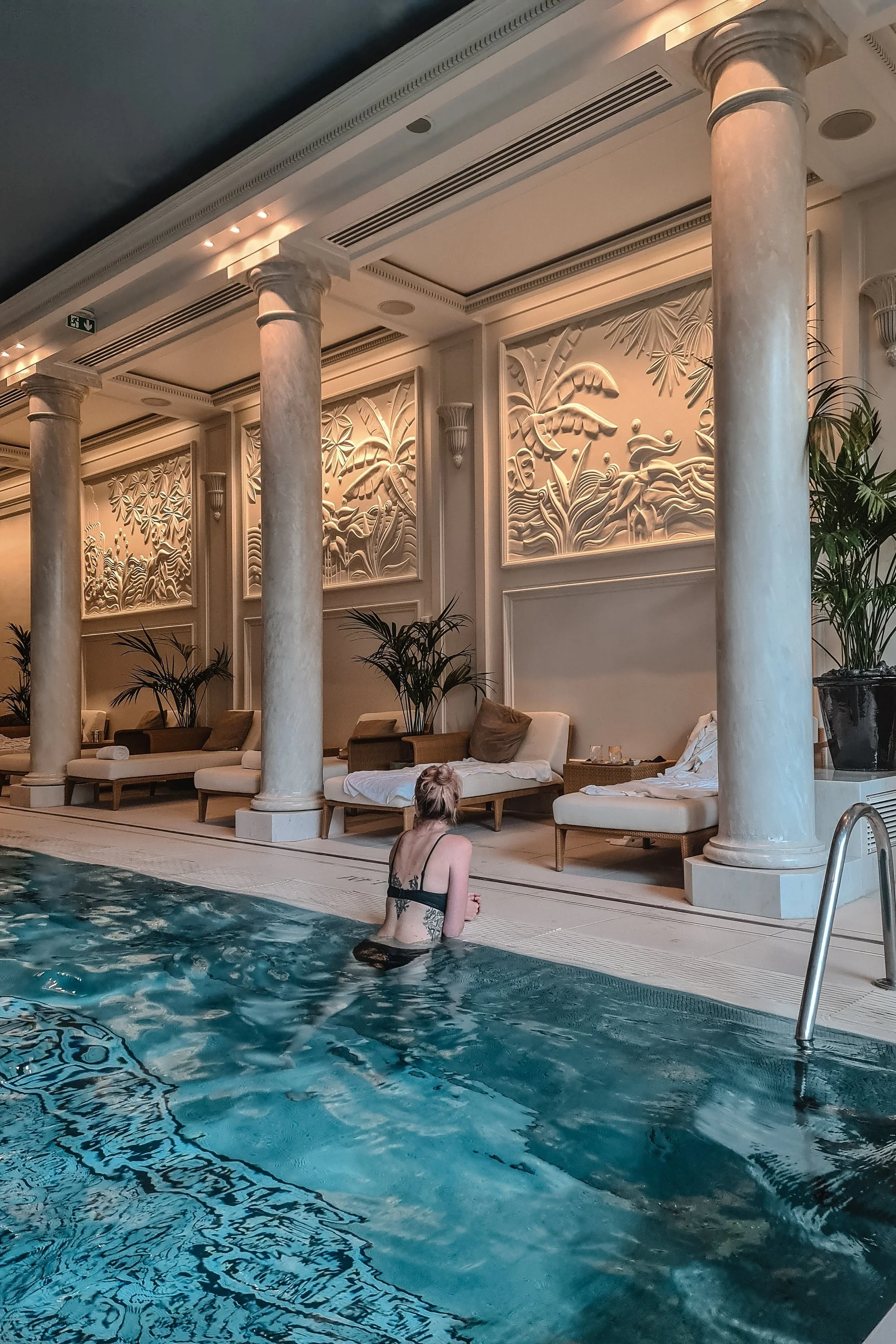
Not all spas are the same, and knowing what you’ve booked makes the whole experience way less confusing. There are a few main types:
Day spas: Usually the most affordable and easiest to visit. You pop in for a massage or facial and maybe use a sauna or relaxation area. Perfect for a few hours of self‑care.
Hotel or resort spas: These are the ones you find on vacation, often with extras like pools, hot tubs, and full thermal areas. You don’t always have to be a hotel guest to book treatments, but it’s worth checking.
Destination or wellness spas: Think full‑on retreats focused on rest, detox, and wellness programs. They’re usually set up for multi‑day stays and include meals, classes, and treatments.
Cultural spas: Like Korean bathhouses or European thermal spas. These often have different customs — some are swimsuit‑required, others are clothing‑free, so it’s good to check before you go so you’re not surprised.
Tip: Always read the spa’s website before you book. It’ll tell you what’s included, what you should bring (swimsuit, slippers, etc.), and any special rules or dress codes.
Also, It’s important to know that children are generally not allowed in spa areas—not just to keep things peaceful, but because saunas, steam rooms, and hot baths aren’t suitable for young kids. The high temperatures can be overwhelming and even unsafe for them, so it’s best to plan your visit without children to fully enjoy the experience as intended.
What to Bring to a Spa: Essential Items for Your First Visit
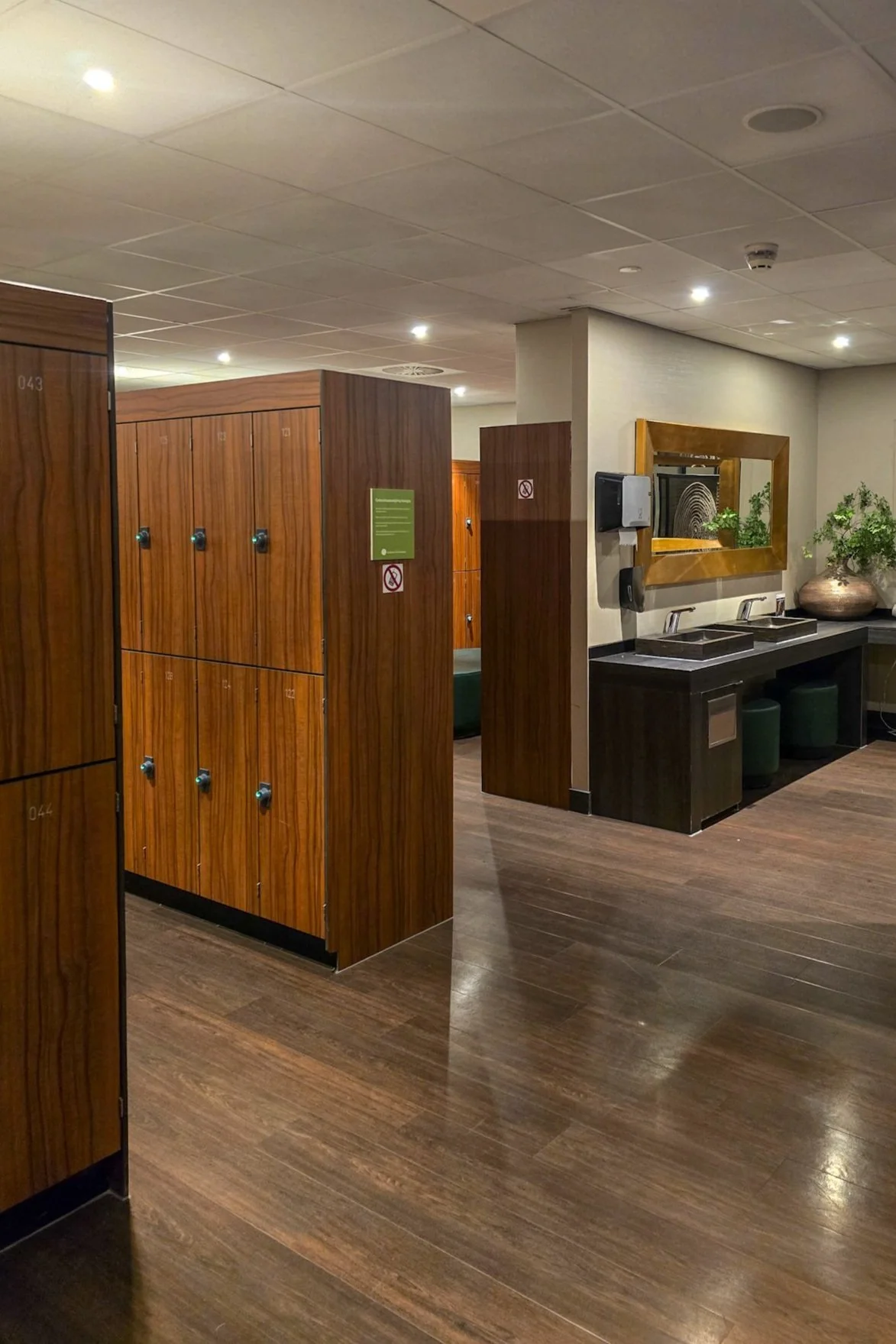
Here’s the thing: most spas offer robes, towels, and slippers, but it depends on the type of spa. At hotel or resort spas, these are usually included and waiting for you when you arrive. At day spas, though, they often charge extra to rent them. I prefer bringing my own, so I know they’re comfortable and fit me right.
I would recommend you pack the following:
Robe: I recommend bringing an oversized robe you can almost hide in — perfect for wrapping yourself up in ultimate comfort. Choose breathable fabrics like soft cotton or plush terry cloth.
Towel: Bring a large, plush towel that feels soft against your skin and can wrap you up comfortably after a steam or swim, and even lie down in the sauna. Look for absorbent, quick-drying fabrics like cotton or microfiber to dry off without feeling weighed down.
Swimsuit: Choose something comfortable to relax, move, and sit in rather than your tiniest bikini.
Flip‑flops or slippers: Some spas provide these, but I prefer bringing my own for comfort and hygiene.
Hair ties and small toiletries: Perfect for keeping your hair out of the way and freshening up afterward.
Water bottle – Staying hydrated is key, especially if you’ll be using saunas or steam rooms.
A book: Some spas don’t allow phones to keep the atmosphere calm and distraction-free — and honestly, it’s a great chance to disconnect and really relax. If you want something to do between treatments or while lounging, bring a book instead.
A change of clothes: There’s nothing better than leaving in something fresh, especially if you’re heading somewhere after. And don’t forget to pack fresh underwear if you decide to wear your swimsuit to the spa.
A tote or small bag—A lightweight, easy-to-carry bag is perfect for carrying essentials like a water bottle, sunglasses, and toiletries around the spa.
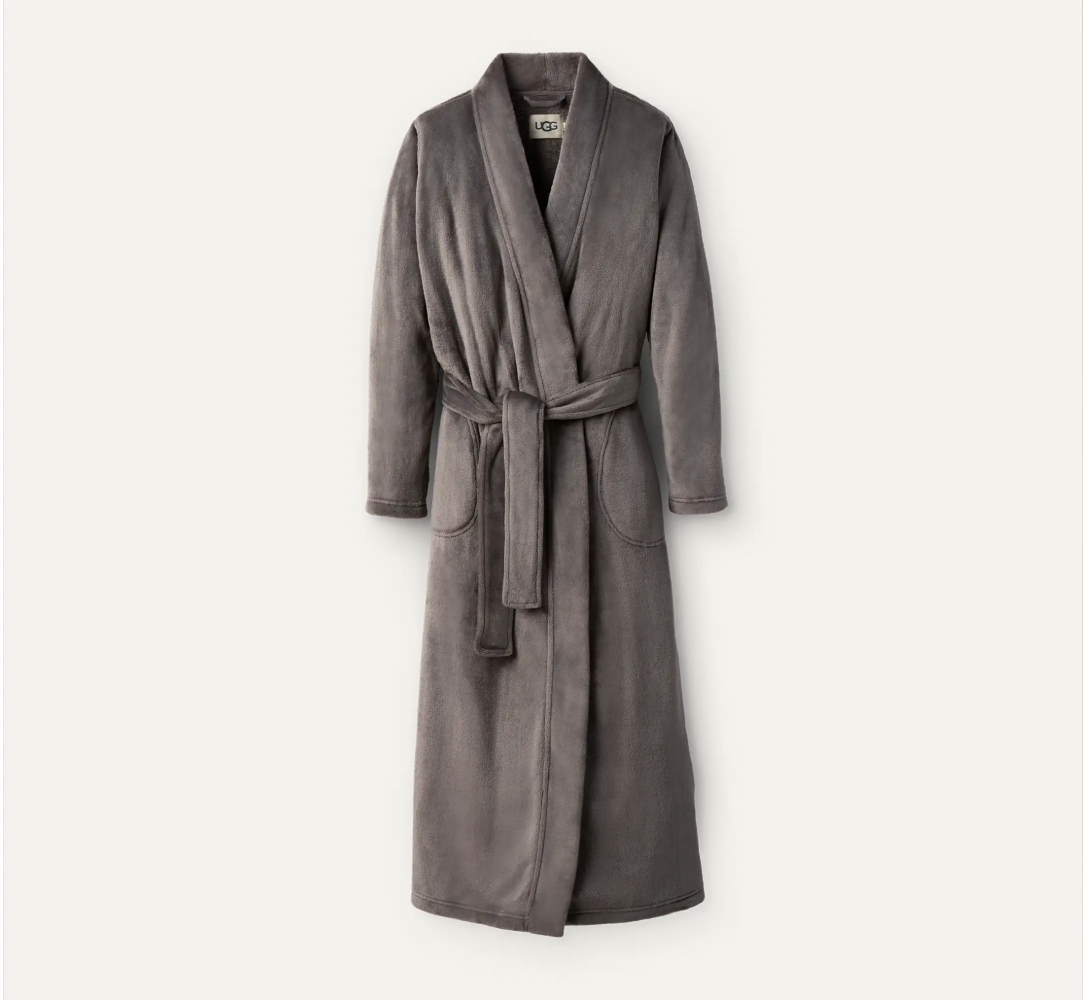
UGG Marlow Robe
Plush comfort meets effortless warmth.
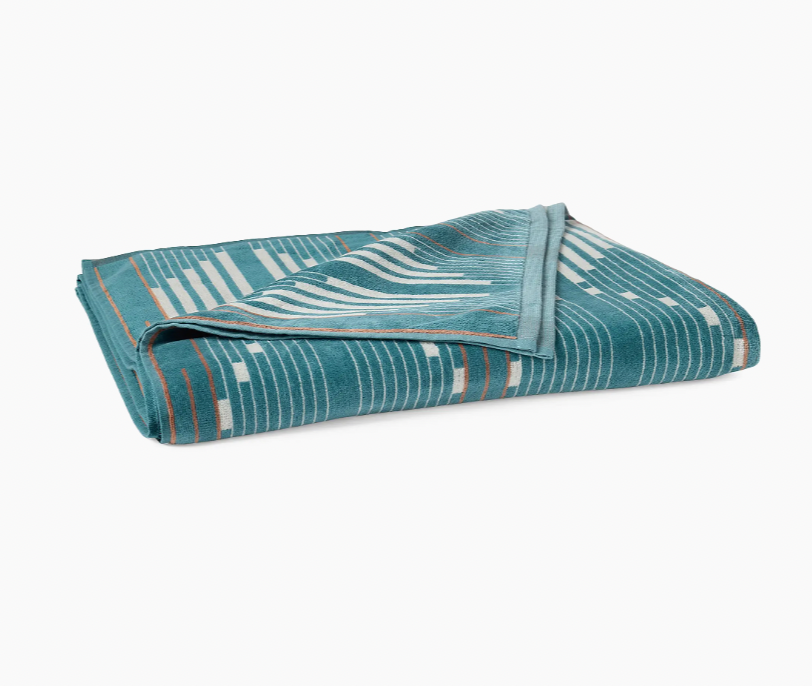
Coyuchi Beach Towel
Wrap up warm.
Spa Etiquette Tips for First-Time Visitors
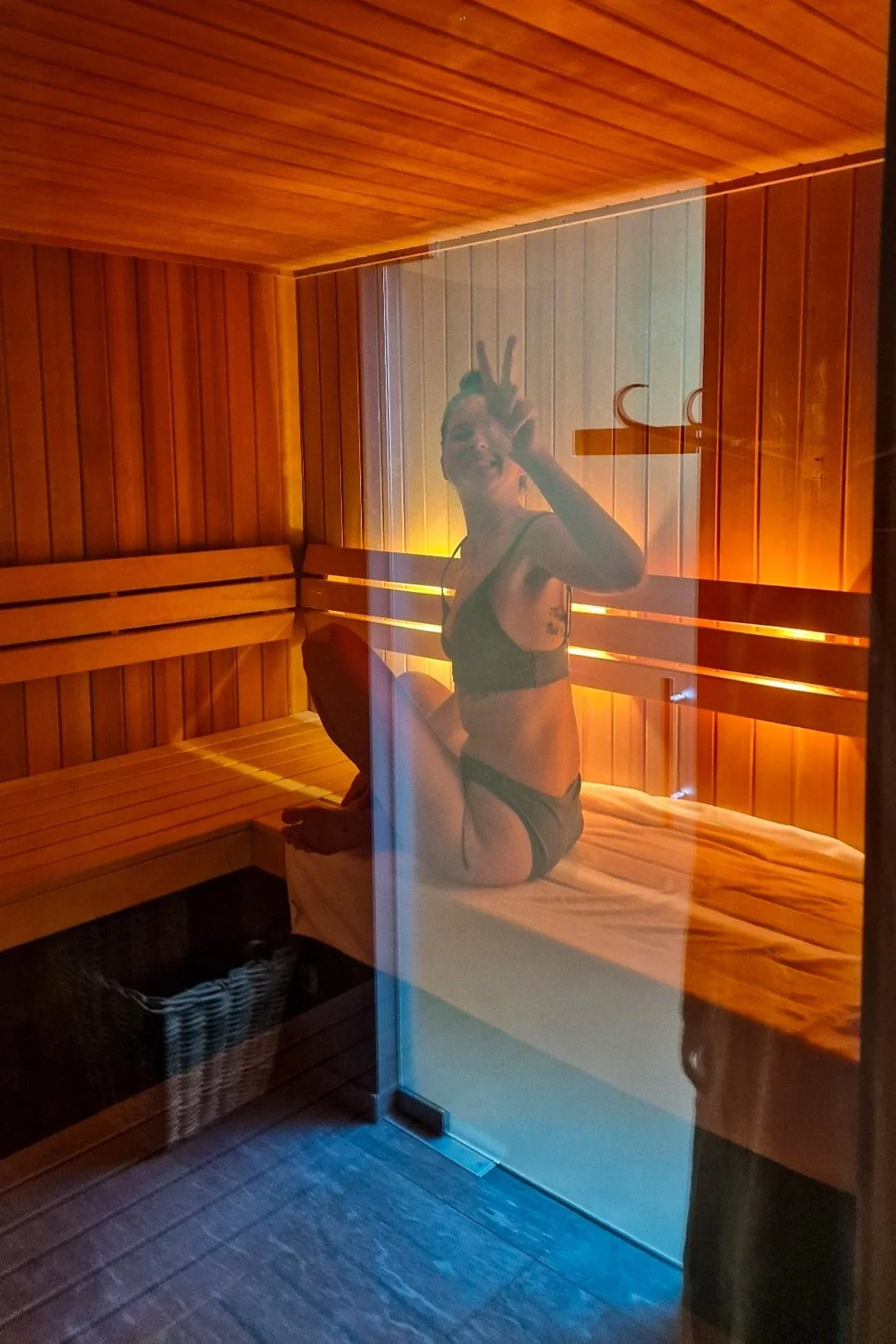
Walking into a spa for the first time can feel intimidating, especially when everyone else seems to know exactly what they’re doing. The good news? Spa etiquette is actually pretty simple once you know the basics, and once you’ve done it once, you’ll feel much more at ease next time.
Arrive early: Give yourself at least 15–20 minutes before your appointment to check in, change, and settle in. Rushing in stressed totally defeats the purpose of being there.
Follow the quiet vibe: Spas are designed to be peaceful. Keep your voice low, avoid loud conversations, and silence your phone (or better yet, leave it in your locker if possible). Some spas don’t allow phones at all, which can actually be a great excuse to fully switch off.
Shower before treatments: A quick rinse before massages, facials, or before using pools and saunas is a simple courtesy — it helps keep the spaces clean and feels refreshing, too.
Respect shared spaces: Be mindful of the people around you. Don’t take up more space than you need or spread your belongings out over multiple loungers. Keep conversations low and give others room to relax — everyone’s there for the same reason.
Sauna etiquette: In most saunas, you’re expected to sit or lie on a towel, both for hygiene and for comfort against the hot wood benches. If you’re unsure, just watch what others do (keep in mind that rules can vary between countries — for example, Scandinavian spas can be very strict about this).
Steam room etiquette: In steam rooms, you generally don’t use a towel because it will just get drenched. Instead, rinse off before entering and after you leave. If the spa provides a wiper or squeegee, use it to clean your seat before you leave. Some also have a hose to rinse down benches or walls after you’ve used them — it’s a nice way to leave the space clean for the next person.
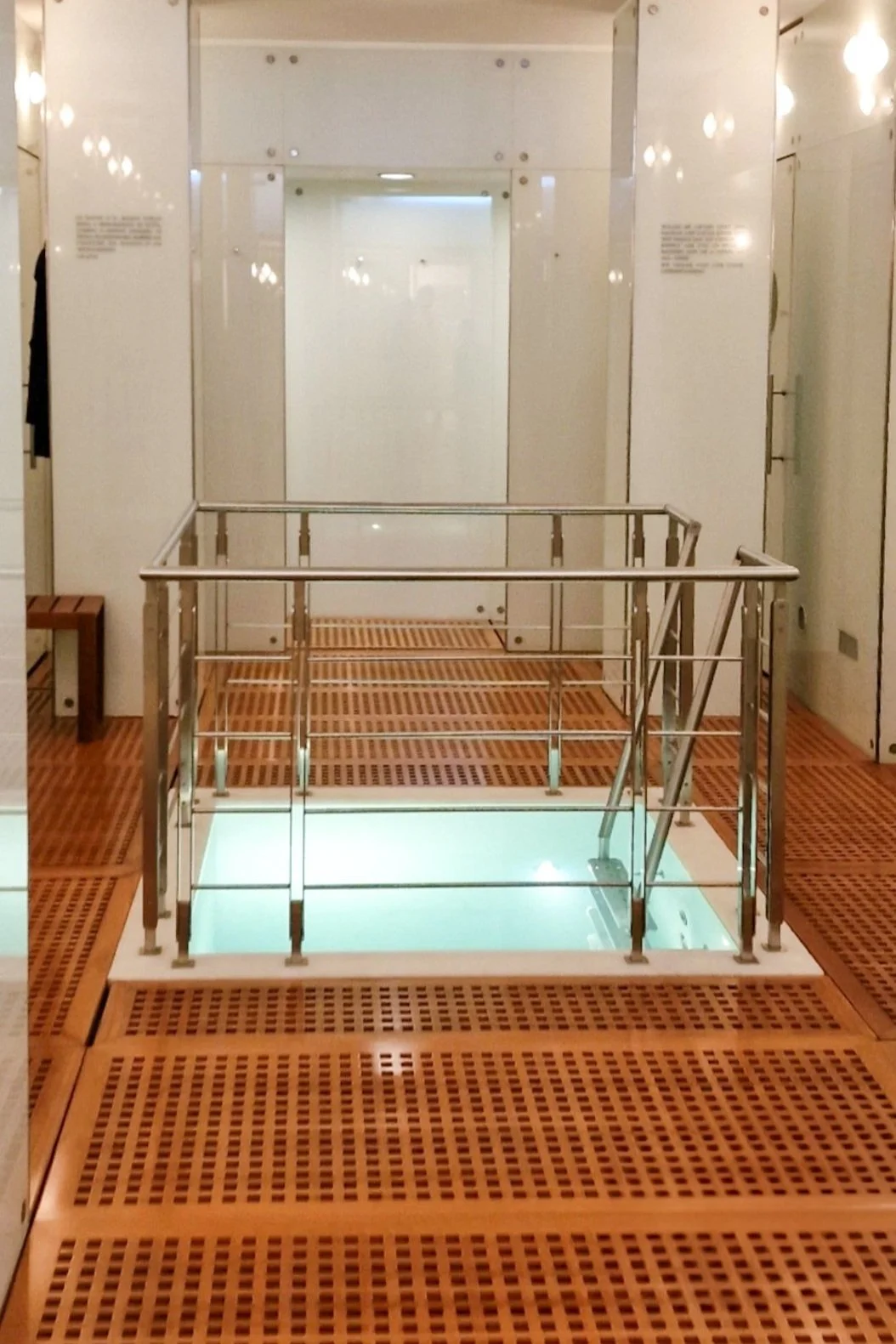
Cold plunge etiquette: Cold plunge baths are usually part of the hot‑cold contrast routine (sauna or steam, then plunge). Rinse off before getting in, step in slowly (don’t jump or splash), and keep it brief if you’re not used to doing this— usually 30 seconds to a couple of minutes.
Types of Saunas and Steam Rooms You Might Find at a Spa
Not every sauna or steam room is the same, and knowing the difference can make your spa day way more enjoyable. Some are dry and super hot, others are steamy and infused with calming scents. Here are a few you might come across:
Traditional dry sauna (175–200°F / 80–95°C): The classic high‑heat, low‑humidity sauna, usually made of wood. The air feels dry, and you can pour water on the hot stones to create brief steam bursts. Start with short sessions (5–10 minutes) and listen to your body — it’s intense but incredibly relaxing once you get used to it.
Infrared sauna (120–140°F / 50–60°C): Heats your body directly with infrared light rather than warming the air. The temperature feels gentler, making it easier for beginners or those who find traditional saunas overwhelming, but you still sweat a lot and get similar benefits.
Salt sauna or salt room (130–160°F / 55–70°C): Uses Himalayan salt blocks or salt vapors. The salt is believed to help with breathing and skin clarity, and the air feels subtly salty and fresh. Humidity is usually low to moderate.
Aromatherapy steam room (105–115°F / 40–45°C): Lower temperature but nearly 100% humidity, often infused with eucalyptus or mint. It feels like breathing in warm vapor — great for clearing sinuses and loosening tight muscles.
Herbal sauna (140–160°F / 60–70°C): Similar to a dry sauna but infused with calming herbs like lavender, rosemary, or chamomile. Slightly gentler than a traditional sauna, and smells amazing.
Hammam (Turkish bath) (95–115°F / 35–45°C): A tiled or marble steam room with multiple zones (warm, hot, and cold). The focus here is on steam, exfoliation, and cleansing rituals rather than just heat.
What to know before you try them:
Always shower before and after each room to keep things clean and help your body adjust to the temperature changes.
Start slow. 5 to 10 minutes at a time is plenty if you’re new to heat therapy.
Drink water before, during, and after to stay hydrated (but avoid bringing your water bottle inside hot rooms).
If you ever feel lightheaded or dizzy, step out right away and cool down.
What to Expect During Your Spa Day: Step-by-Step Guide
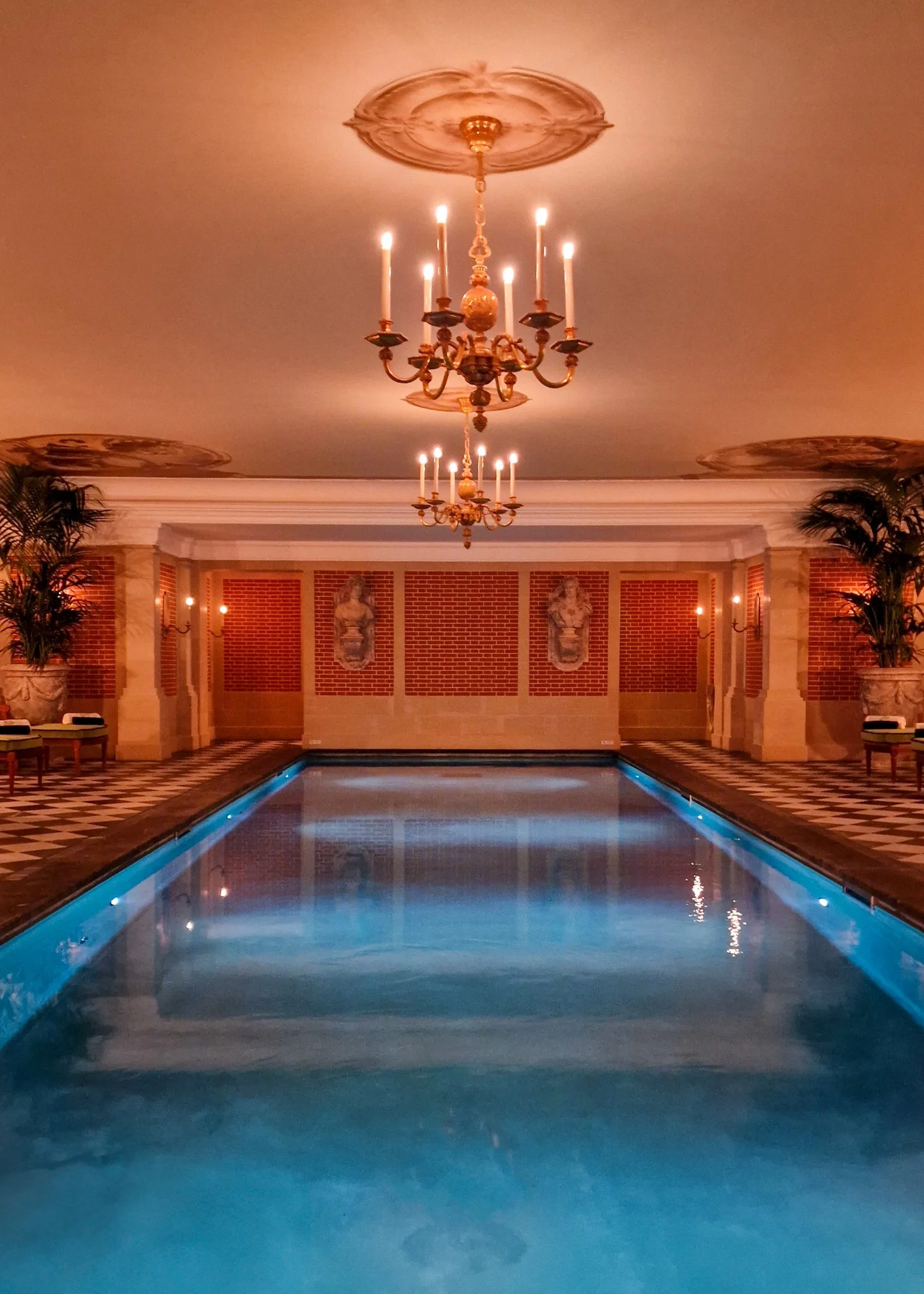
Your first time at a spa can feel a little mysterious — what actually happens once you walk through those doors? Most spas follow a similar flow: you’ll check in at the front desk, get a quick tour of the facilities, and receive a locker key or wristband for your belongings. After that, it’s up to you how you want to spend your time.
You can hop between pools, saunas, and steam rooms, chill out in relaxation areas, or book treatments like massages and facials. Most spas are designed for you to move at your own pace, so there’s no strict schedule unless you’ve booked specific services. If your spa has multiple saunas and steam options, you can rotate between them for a full relaxation boost. A simple circuit is:
Warm up in a dry or infrared sauna for 5–10 minutes.
Cool down with a cold plunge or cool shower for 30–60 seconds.
Move into a steam room or aromatherapy sauna for another 5–10 minutes.
Rest in the lounge to let your body recover before repeating the cycle.
Two or three rounds is plenty — and always listen to your body so you leave feeling refreshed, not drained.
Spa Aftercare: How to Extend the Benefits of Your Visit
Your spa day might be over, but taking a few simple steps afterward can help you hold onto that relaxed, refreshed feeling for longer.
Stay hydrated: Heat and steam make you sweat, so drink plenty of water to rehydrate your body and flush out toxins.
Take it easy: Try to avoid rushing into stressful activities right after your visit. Give yourself some downtime to let your muscles and mind fully unwind.
Avoid heavy meals or alcohol: Your body just went through a detox, so stick to light, nourishing food and hold off on the cocktails for a bit.
Moisturize: Whether your skin feels dry from the heat or steam, a good scrub and moisturizer will keep it soft and glowing.
Sleep well: A restful night’s sleep helps your body recover and keeps that spa calm going strong.
If you have any treatments scheduled in the days following your visit, like massages or facials, try to keep your routine gentle and avoid anything too abrasive or intense.
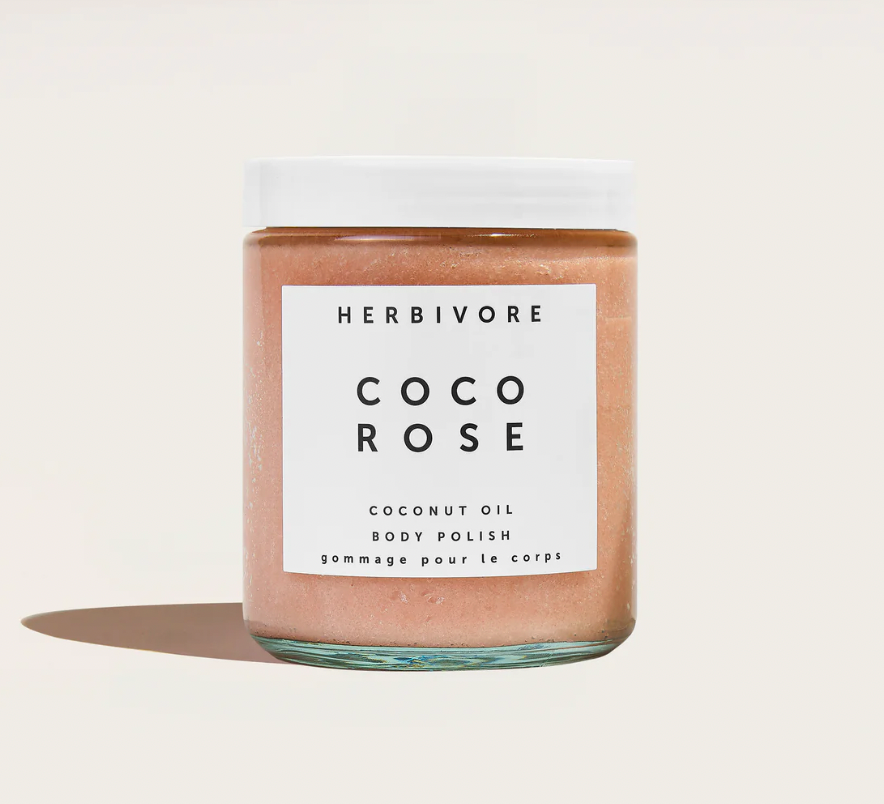
Coco Rose
Exfoliating body scrub for silky-smooth skin.
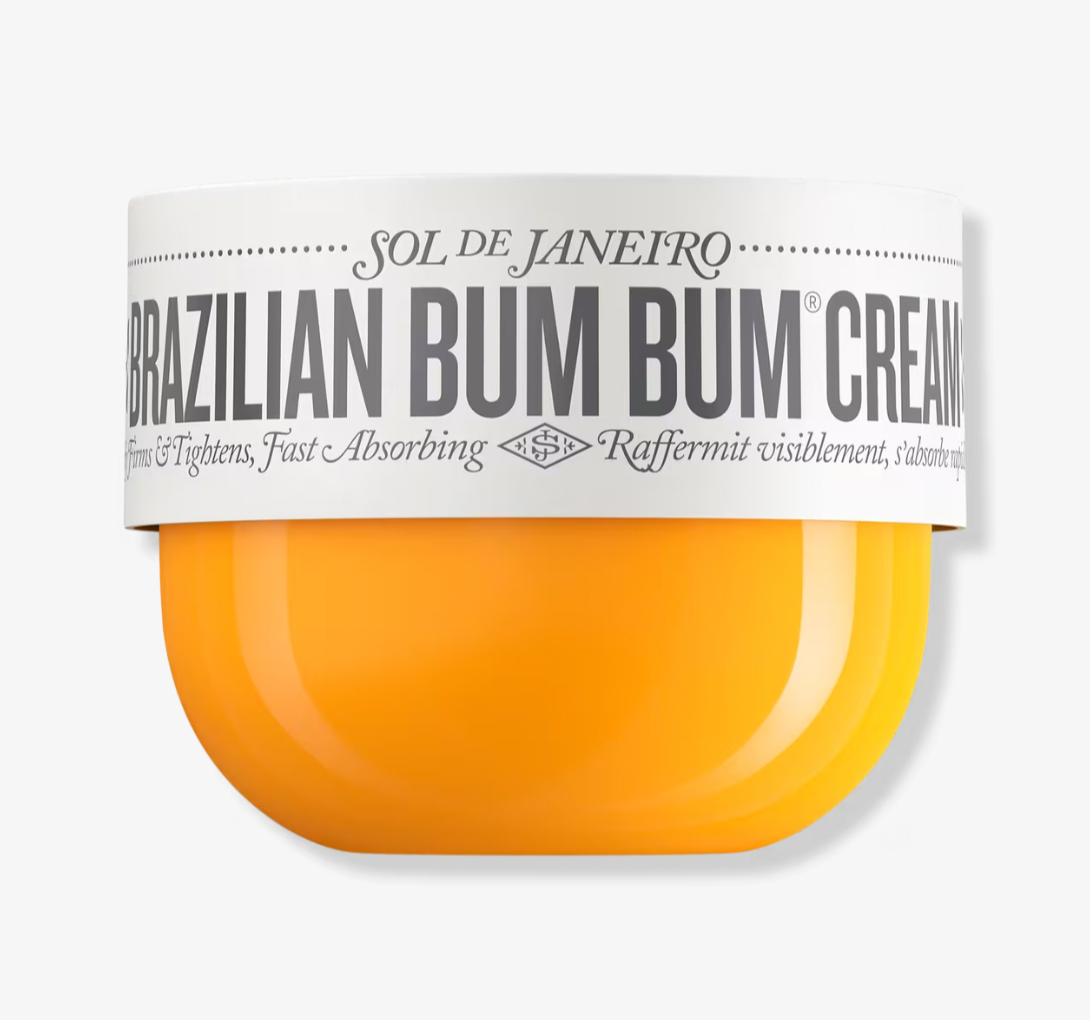
Sol De Janeiro
Brazilian Bum Bum Firming Body Cream.
What Is a Textile-Free Spa? What You Should Know Before Visiting
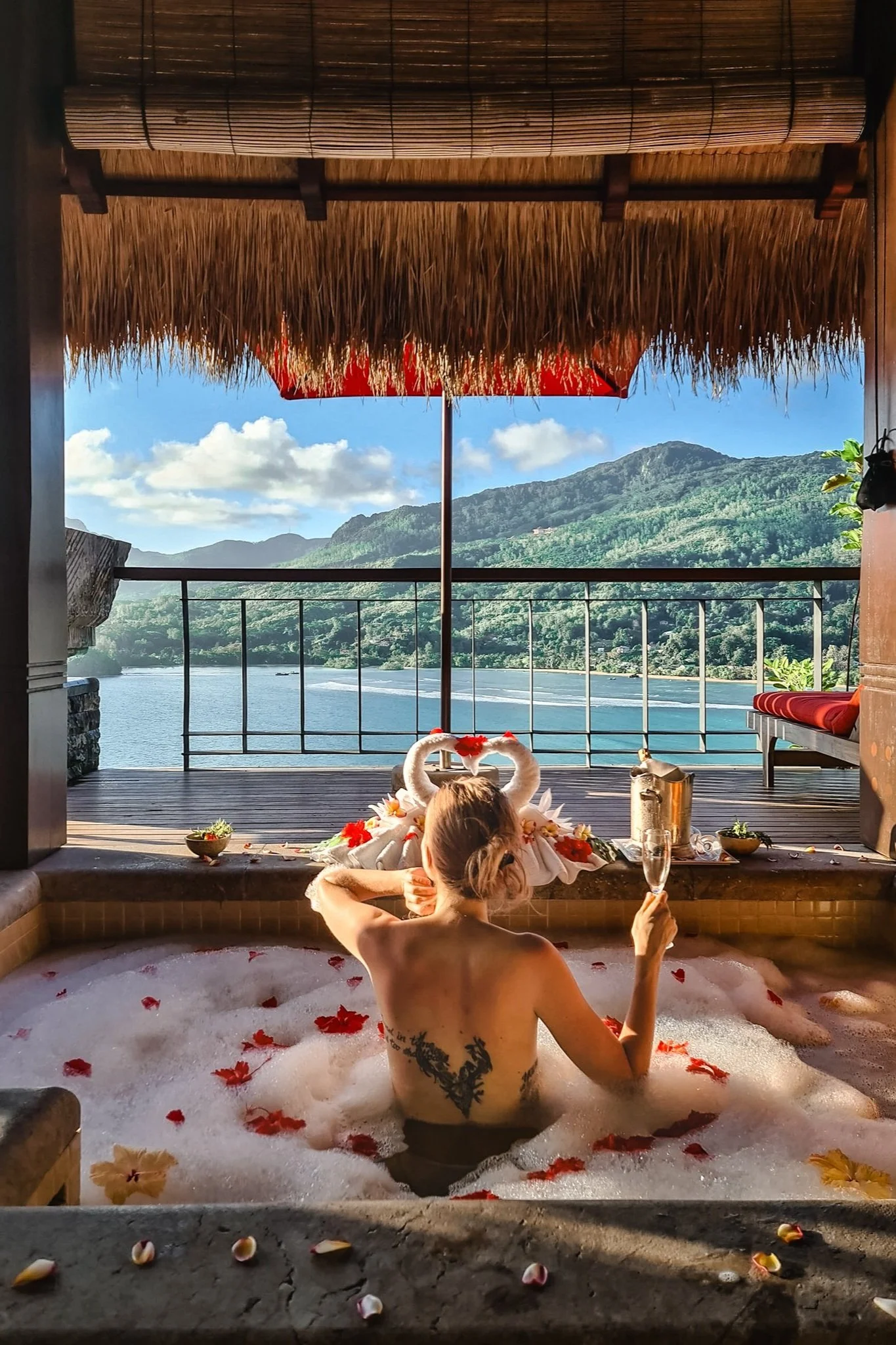
Textile-free spas have been popular for ages in places like Germany, Austria, and the Nordic countries. The idea is simple: no clothes mean your skin can fully soak up the warmth and relaxation without anything in the way. It’s all about feeling natural and connected to the spa experience.
I’ll be honest — the first time I went to one, I thought it was super scary. Even now, I sometimes feel that awkward first-minute moment when I remove my robe. But the second you step inside and realize everyone else is in the same boat, it’s surprisingly easy to adjust. It quickly turns into a freeing, relaxing experience you won’t forget. Also, keep in mind you’ll walk around in your robe most of the time. It’s only when you’re actually in the water that you’ll be in your birthday suit.
If you’re thinking of visiting, here are a few things to keep in mind. Hygiene is a big deal — you’ll shower before pools and saunas, and you usually sit on towels to keep things clean. Also, check the spa’s website before you go. Many places have specific days when you wear swimwear and others when it’s textile-free.
Korean spas often follow similar customs. In many jjimjilbangs, the sauna and bath areas are textile-free, while lounge areas may require comfortable clothing. Showering beforehand and respectful behavior are just as important.
Expect a calm, respectful vibe with clear etiquette — be mindful of others, keep noise down, and no phones or cameras. These spas are popping up globally now, so it’s always smart to check the rules beforehand.
Knowing what to expect and being prepared can make all the difference in enjoying your spa visit to the fullest. I hope this guide has helped you to feel confident and ready for a truly relaxing experience. Now all that’s left is to breathe deeply and enjoy the moment. Happy Relaxing!
More Spa Retreats & Wellness Escapes

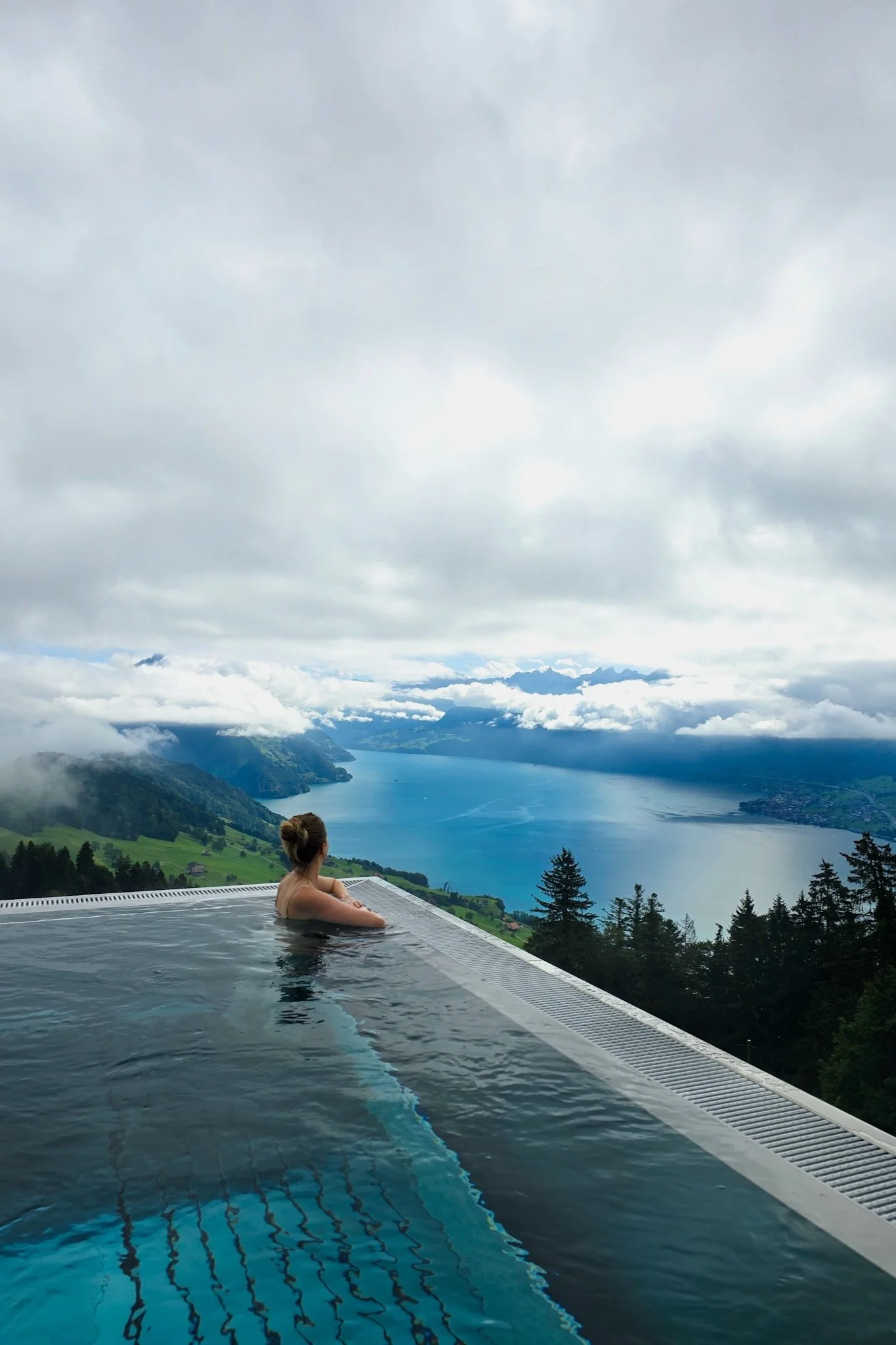
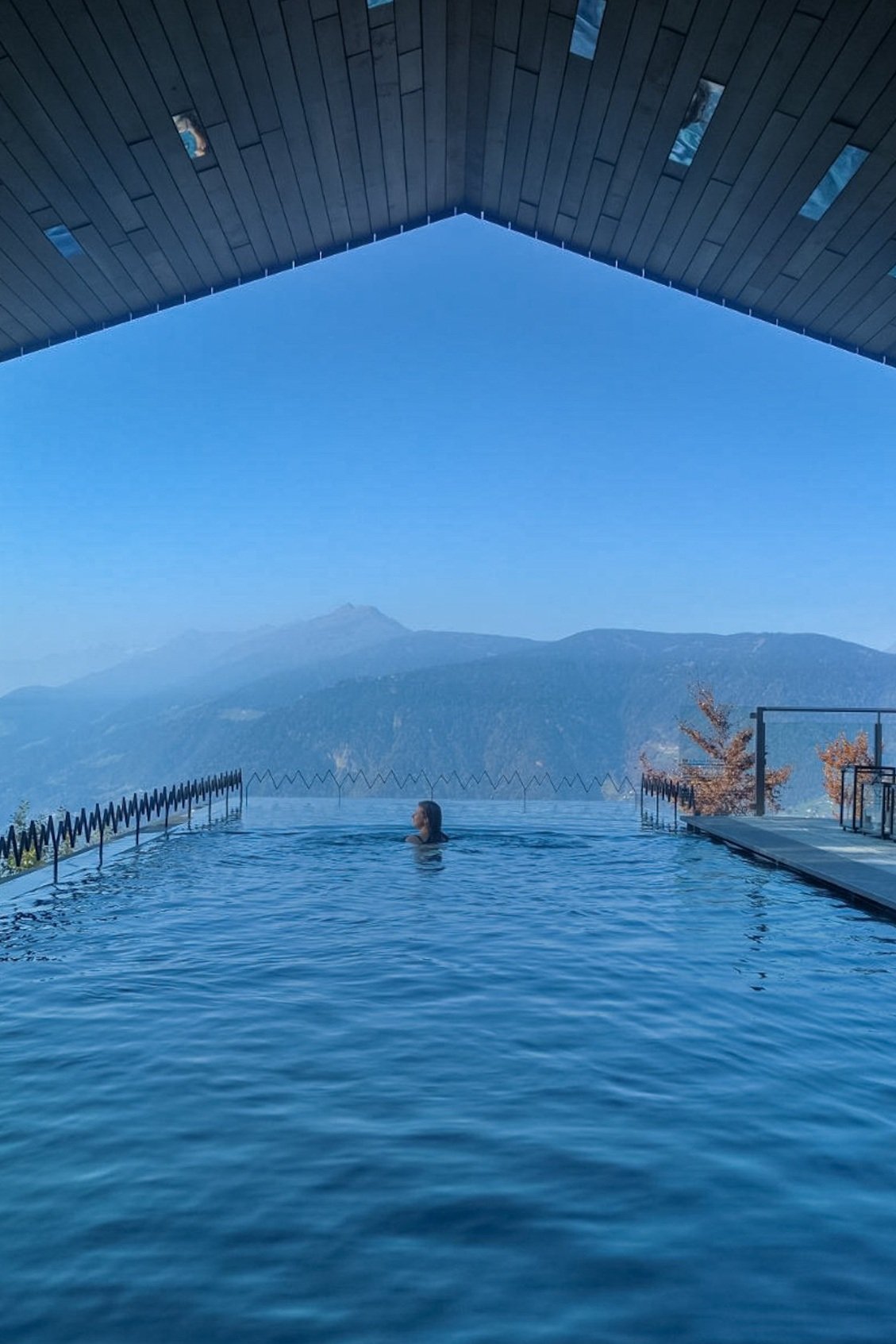
It’s completely normal to feel nervous before your first spa visit, especially when you’re paying good money to relax and aren’t sure how it all works. Whether you’re headed to a fancy resort, a local day spa, or even a clothing-free wellness spa, here’s what to expect, what to bring, and the etiquette rules nobody tells you.