Gilmore girls: Season 1 Episode 13 References Explained
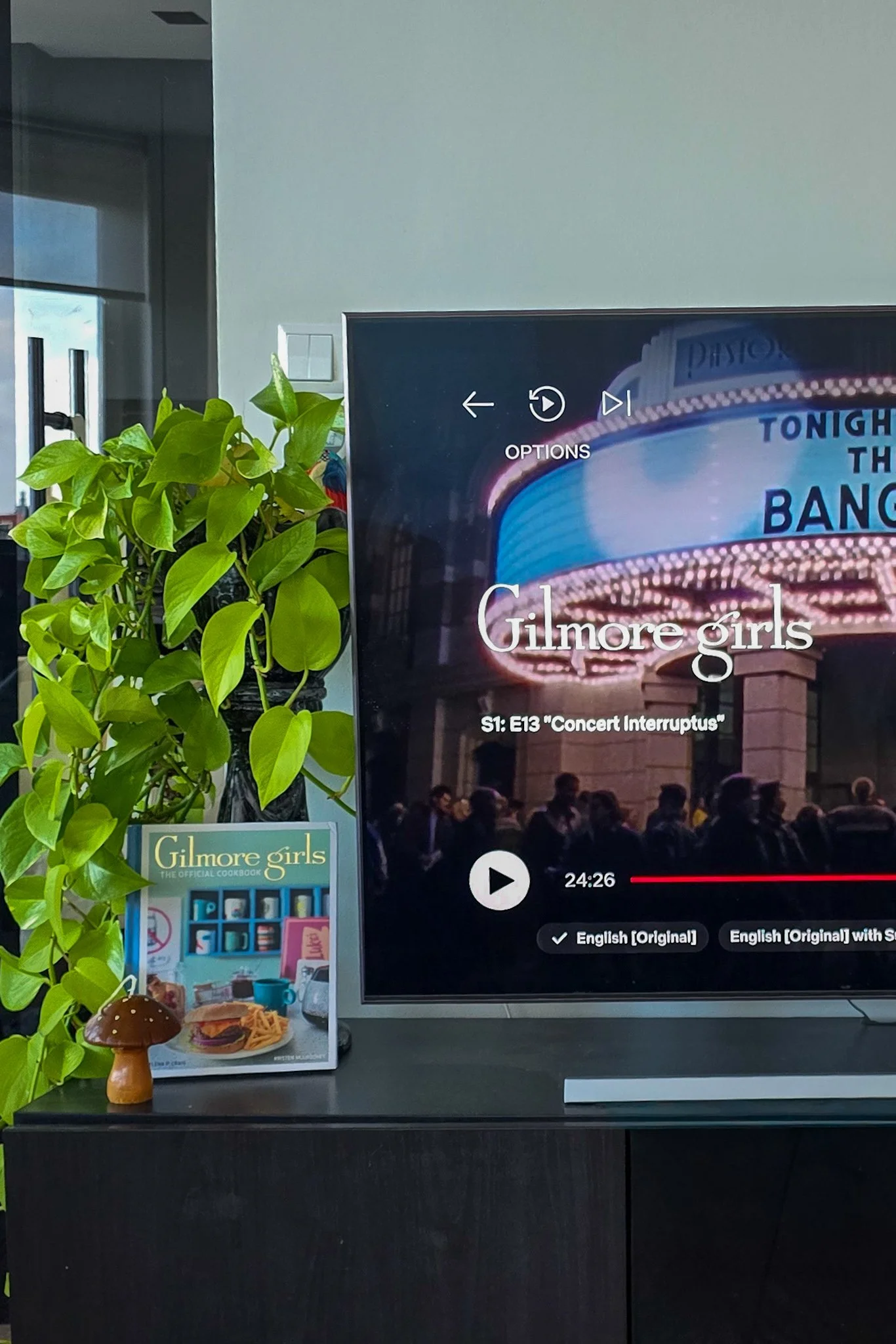
Gilmore girls is famous for its quick dialogue, witty banter, and the endless pop culture references that make every rewatch just as entertaining as the first. That’s what inspired me to start this series — breaking down every reference, episode by episode, and seeing just how many I’d missed after all these years.
Episode 13, “Concert Interruptus,” shifts the focus back to Rory’s world at Chilton, particularly to her complex dynamic with Paris, Madeline, and Louise. Rory gets paired with them for a school debate, pulling her a little further into their circle, while back in Stars Hollow, the town is preparing for a charity rummage sale that Lorelai is helping organize. The episode opens with a small but telling role reversal — Lorelai refuses to part with any of her old clothes, while Rory calmly talks her through what needs to go, sounding more like the responsible parent than the daughter. It’s an interesting contrast to later in the episode, when the dynamic flips again and Lorelai is the one who steps fully into the “mom card.”
And I have to say, this is actually one of my least favorite episodes of Season 1, and it’s one I usually end up skipping about halfway through on rewatches. A lot of that has to do with the whole concert situation. Even though the story makes sense thematically, the way the tickets play out always feels a bit unappreciative toward Sookie, who goes out of her way to arrange them and then ends up pushed to the side so Rory can bring the Chilton girls instead. On top of that, when Madeline and Louise wander off with two guys, it comes across as disrespectful — even if, to be fair, it also fits who they are as characters: teenagers who aren’t used to rules, structure, or parents actively setting boundaries.
At the same time, the episode does a great job of highlighting how different these girls’ upbringings are. Rory is grounded and cautious, Paris carries the weight of pressure and emotional distance at home (hinted at in her comment about whether her mother would even come looking for her in New York), while Madeline and Louise move through the world as if nothing really has consequences, especially since earlier in the episode they mention that they couldn’t imagine going to a concert with their moms. So even if it isn’t one of my personal favorites, it still adds meaningful layers to who these girls are and how differently they’ve grown up.
Unlike the previous few episodes, which pull back a little on the cultural name-dropping, this one returns more to the rhythm and density of early Season 1, with faster dialogue and plenty of references woven back into the conversations. In this series, I go through each reference I can find, explaining what it means, where it comes from, and how it fits into the story — along with a list of the books, music, movies, and cultural mentions from the episode so you can keep track or add a few to your own list.
Gilmore girls is available to stream in most countries on Netflix and Disney+, so whether you’re rewatching or discovering it for the first time, you can easily follow along with every reference.
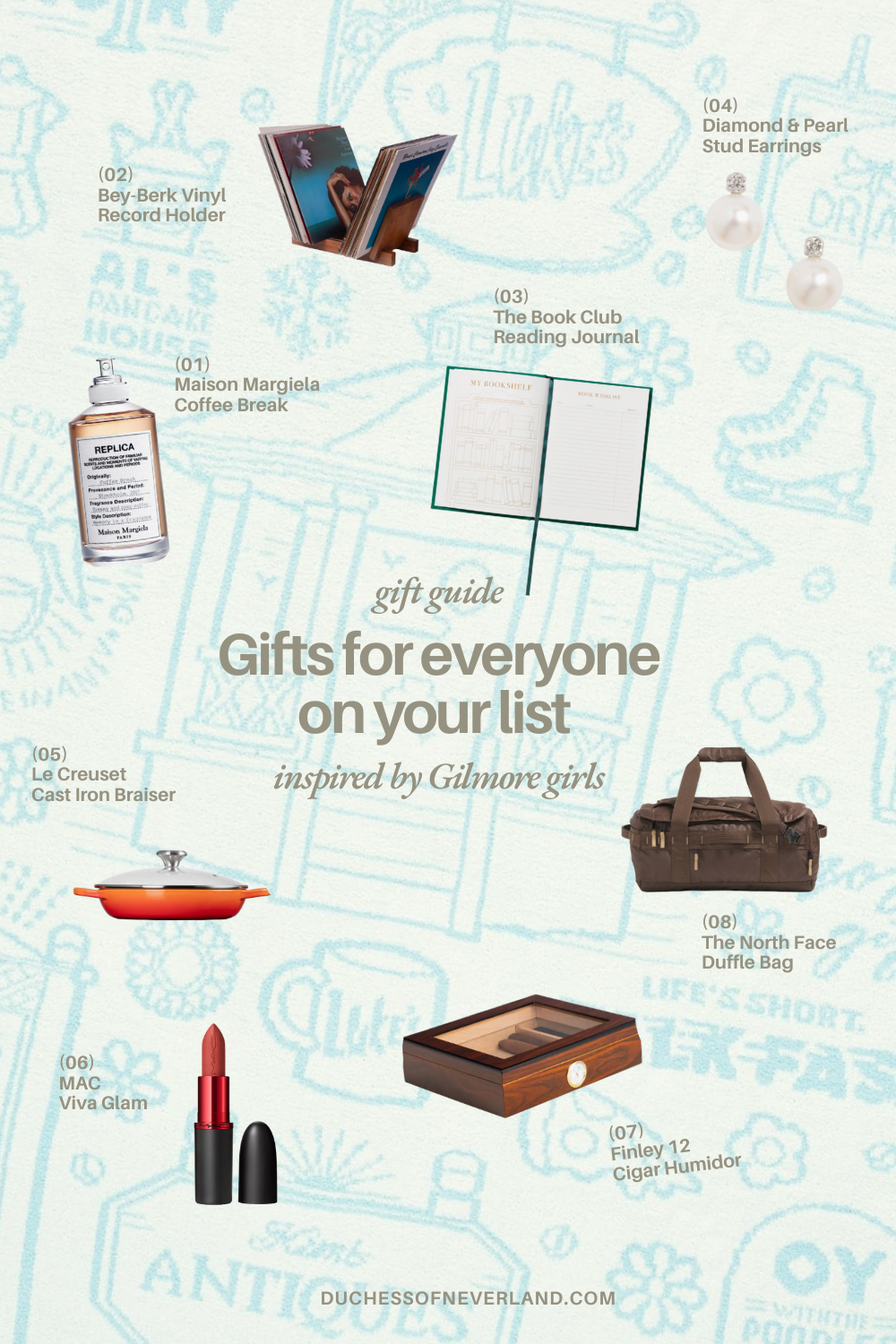
Looking for the perfect gift this season?
Discover my Gilmore girls inspired gift guide!
Looking for another episode? You got it:
Season 1, Episode 1 “Pilot”
Season 1, Episode 2 “The Lorelais’ First Day at Chilton
Season 1, Episode 3 “Kill Me Now”
Season 1, Episode 4 “The Deer Hunters”
Season 1, Episode 5 “Cinnamon’s Wake”
Season 1, Episode 6 “Rory’s Birthday Parties”
Season 1, Episode 7 “Kiss and Tell”
Season 1, Episode 8 “Love and War and Snow”
Season 1, Episode 9 “Rory’s Dance”
Season 1, Episode 10 “Forgiveness and Stuff”
Season 1, Episode 11 “Paris is Burning”
Season 1, Episode 12 “Double Date”
Season 1, Episode 13 “Concert Interruptus”
Season 1, Episode 14 “That Damn Donna Reed”
Season 1, Episode 15 “Christopher Returns”
Season 1, Episode 16 “Star-Crossed Lovers and Other Strangers”
Season 1, Episode 17 “The Breakup: Part 2”
Season 1, Episode 18 “The Third Lorelai”
Season 1, Episode 19 “Emily in Wonderland”
Season 1, Episode 20 “P.S. I Lo…”
Season 1, Episode 21 “Love, Daisies and Troubadours”
Okay, let’s get into it! Here are all the references explained from Gilmore girls Season 1 Episode 13 “Concert Interruptus”
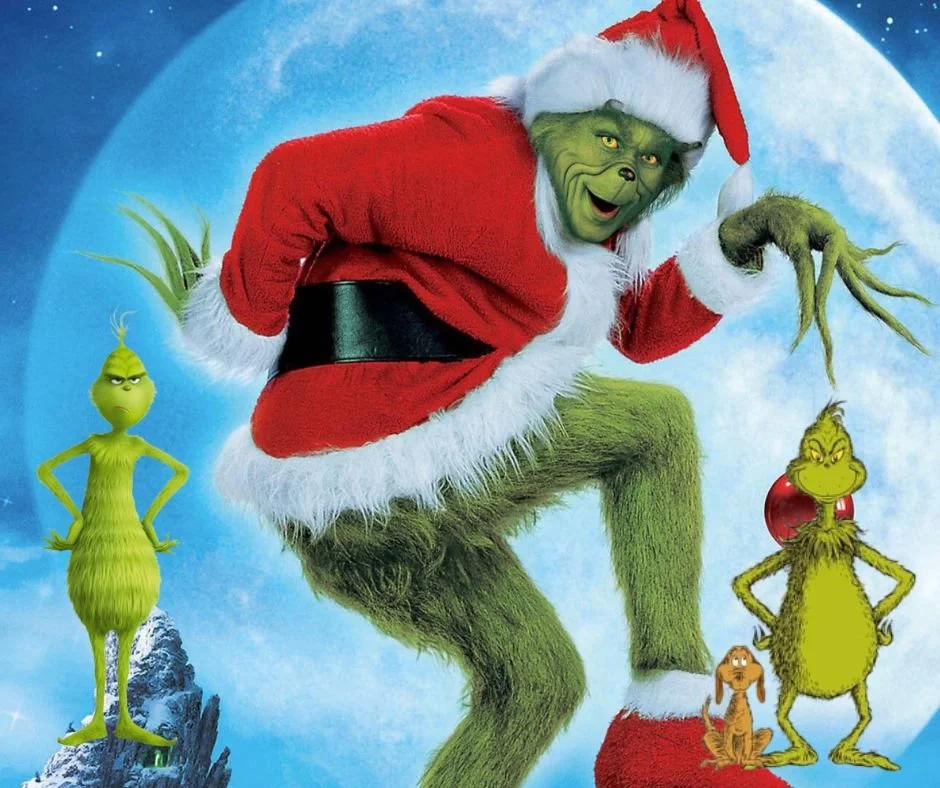
1. “Here, Grinch.”
Context:
At Lorelai and Rory’s house, they’re sorting through donations for the town rummage sale. Lorelai is reluctant to part with her clothes, while Rory is helping sort through what should go. Luke arrives with his own donation box, and as Lorelai hands Rory some items to add to the pile, she jokingly says, “Here, Grinch.”
Explanation:
The reference is to the Grinch from Dr. Seuss’s How the Grinch Stole Christmas! — the famously grumpy character who refuses to share Christmas cheer and tries to take it away from others. Lorelai uses the nickname to tease Rory for being strict and unsentimental about things.
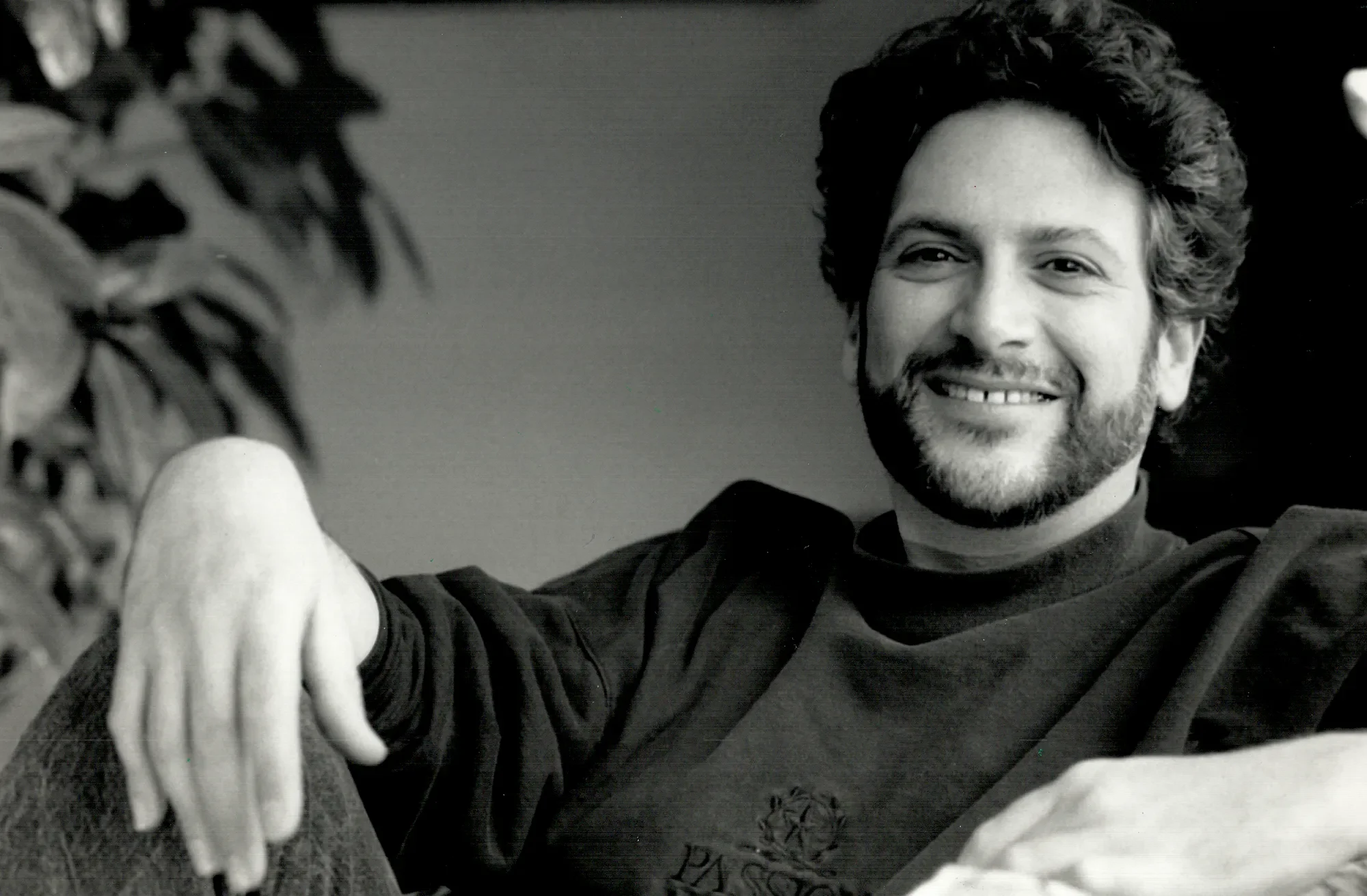
2. “So unless you want to sit on no furniture, while watching three Harvey Fierstein impersonators rip up the carpet and paint everything a ridiculous shade of white and call it Angel's Kiss' then we're going to have to find somebody else's house to go to.”
Context:
Rory, Paris, Madeline, and Louise have just found out they’ll be working together on their history debate. While standing in the Chilton hallway, they try to decide whose house they should use to rehearse. When Louise asks why Paris’s place isn’t an option, Paris replies that her house is currently being renovated because of her parents’ divorce — saying that unless they want to sit with no furniture while “three Harvey Fierstein impersonators” tear up carpets and repaint everything in an over-the-top white shade called Angel’s Kiss, they’ll need to pick somewhere else.
Explanation:
This is a reference to Harvey Fierstein, an American actor and playwright known for his distinctive raspy voice, theatrical personality, and long association with Broadway, like Torch Song Trilogy and La Cage aux Folles. You may also recognize him (I do at least) from the film Mrs. Doubtfire, where he played Frank, the brother of Robin Williams’ character (the one who helps transform Daniel into Mrs. Doubtfire with wigs and prosthetics).
By comparing the decorators in her home to “Harvey Fierstein impersonators,” Paris implies that they are flamboyant and overly stylized, rather than discreet or practical. Her comment about painting everything a sterile shade of white called “Angel’s Kiss” reinforces the idea of a pretentious, image-focused redesign — a subtle jab at her mother’s taste and the performative environment Paris lives in.
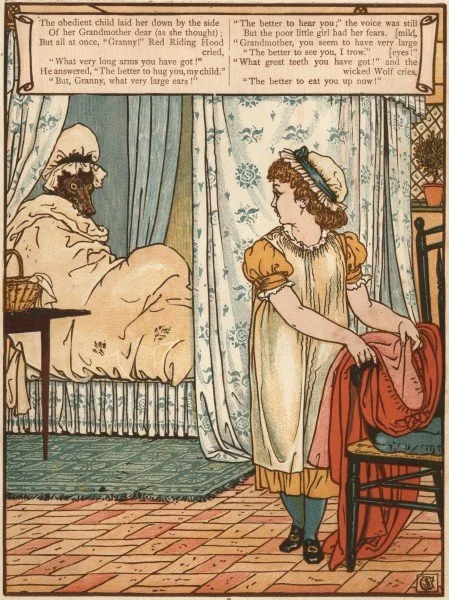
3. “Tristin suddenly has very big eyes for you, Grandma.”
Context:
In the same hallway scene at Chilton, the girls are discussing where to meet for their debate rehearsal when Tristin walks over, pays Paris a compliment, and then leaves. As soon as he’s gone, Louise turns to Paris and teasingly says, “Tristin suddenly has very big eyes for you, Grandma.”
Explanation:
This is a reference to the fairy tale “Little Red Riding Hood.” In the story, when Little Red finally reaches her grandmother’s house, she notices that her “grandmother” looks strange and says, “Grandmother, what big eyes you have!” only to discover that it’s actually the Big Bad Wolf in disguise. Louise is twisting that line into a joke. Instead of “big eyes” meaning danger, she uses it to suggest that Tristin is suddenly looking at Paris with interest or attraction — he has “big eyes” for her in a flirtatious way.
3. “Double, double toil and trouble.”
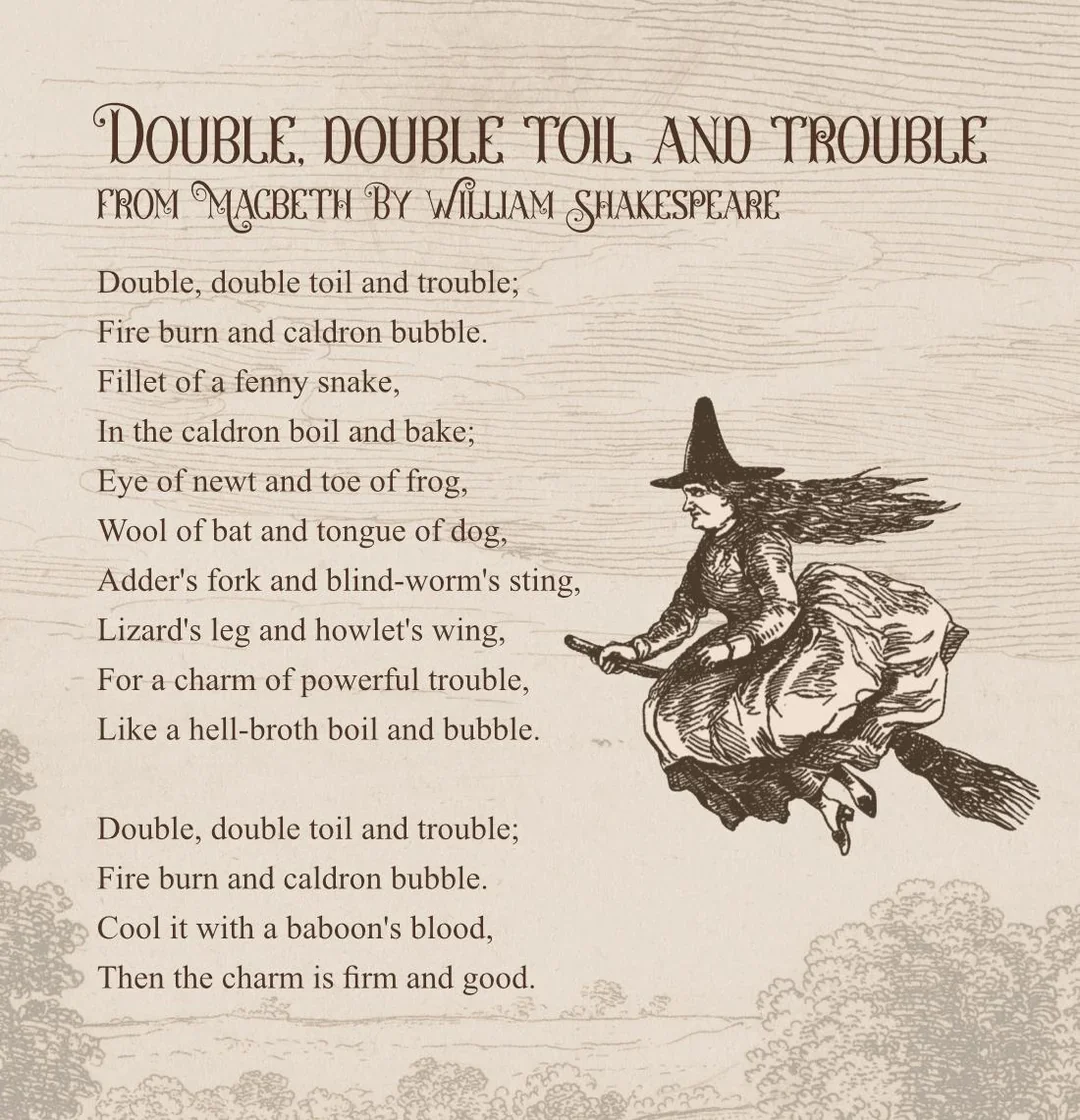
Context:
Rory is walking with Lane toward Lane’s house and tells her that Paris, Madeline, and Louise are all coming over to her place to work on their debate. Lane reacts by saying, “So all three of them?” and Rory replies, “Double, double toil and trouble.”
Explanation:
This line is a reference to William Shakespeare’s Macbeth. It comes from the scene with the Three Witches, who chant:
“Double, double toil and trouble;
Fire burn and cauldron bubble.”
The quote is associated with bad omens, chaos, and looming complications — basically, nothing good is about to happen.
4. “With the pricking of my thumb, something wicked this way comes.”
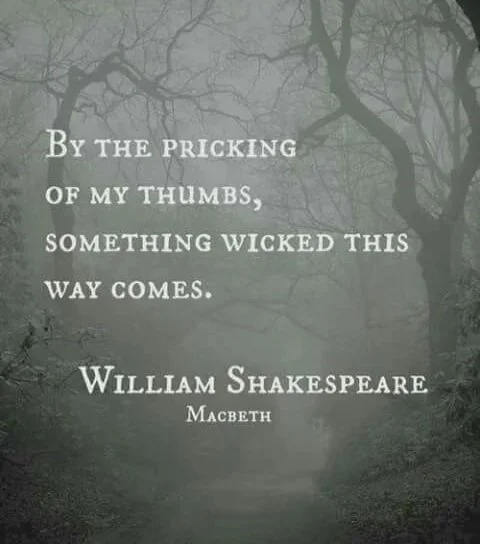
Context:
Still walking with Lane, Rory continues talking about Paris, Madeline, and Louise coming over to her house. Lane says, “It should make for an interesting afternoon,” and Rory replies, “With the pricking of my thumb, something wicked this way comes.”
Explanation:
This line is another reference to Shakespeare’s Macbeth, and like the previous quote, it comes from the Three Witches. In the play, one of the witches says:
“By the pricking of my thumbs,
Something wicked this way comes.”
She senses that something dark and dangerous is approaching — which turns out to be Macbeth himself.
Rory uses the quote jokingly to imply that the upcoming study session is likely to bring trouble, tension, or drama, especially with all three Chilton girls in the same room. It continues the witch–imagery theme and emphasizes how uneasy Rory feels about spending the afternoon with them.
5. “Well it's far away from the truth that it might work but close enough to the truth that I think I can negotiate a purgatory stint if forced to”
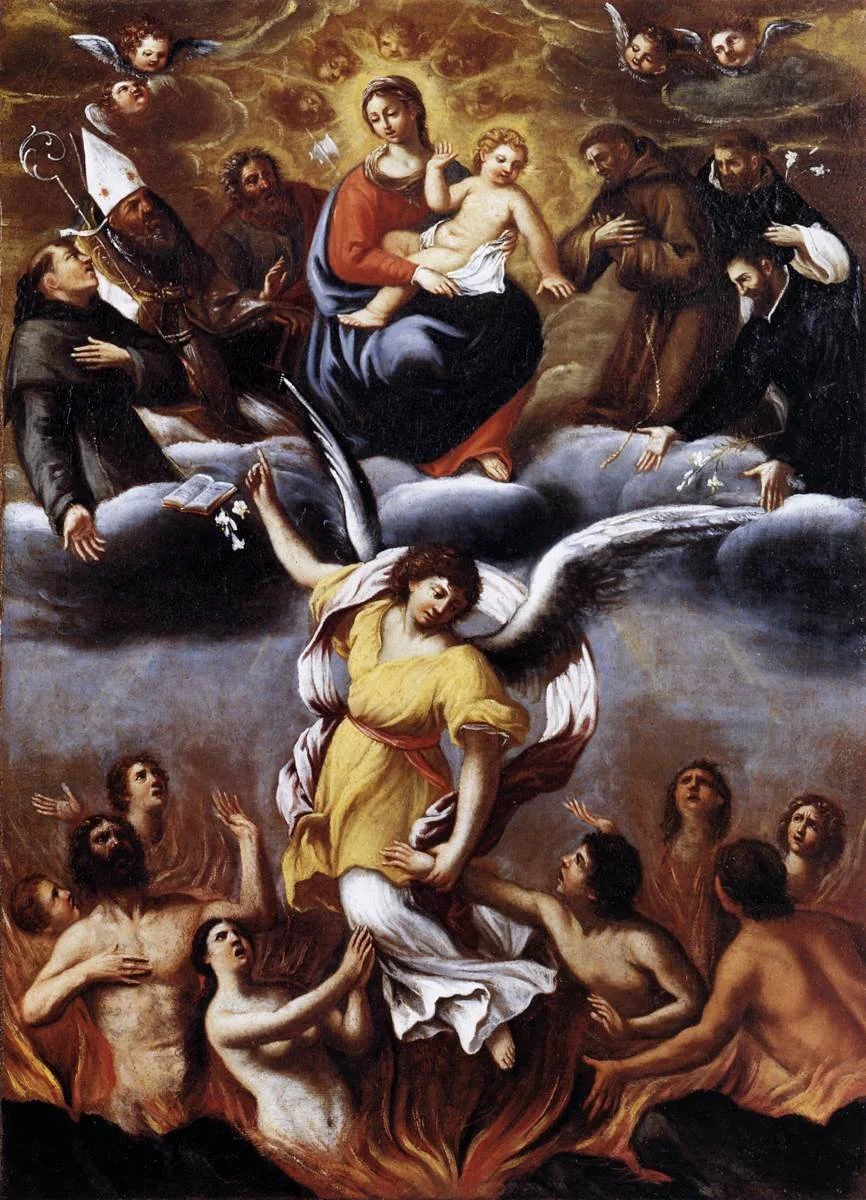
Context:
Rory and Lane are trying to figure out how Lane can ask Mrs. Kim for permission to go to the Bangles concert. Lane suggests telling her mother that they’re going to a play instead of a concert. Rory points out that this is basically lying, and Lane responds with, “Well, it’s far enough away from the truth that it might work, but close enough to the truth that I think I can negotiate a purgatory stint if forced to.”
Explanation:
Lane is jokingly framing her lie in religious terms. In Christian theology, purgatory is described as an in-between state where souls go to atone for their sins before entering heaven. By saying she might be able to “negotiate a purgatory stint,” Lane is suggesting that this lie is bad, but not unforgivable — something she could spiritually justify if necessary.
The line captures Lane’s inner conflict perfectly: she wants to experience normal teenage freedom, but she’s still deeply aware of guilt, morality, and the consequences of disappointing her mother. It also shows just how much mental negotiating Lane already has to do just to live a semi-normal teenage life — a tension that becomes a major theme for her character as the series goes on.
6. “The one on your head, Annie Oakley.”
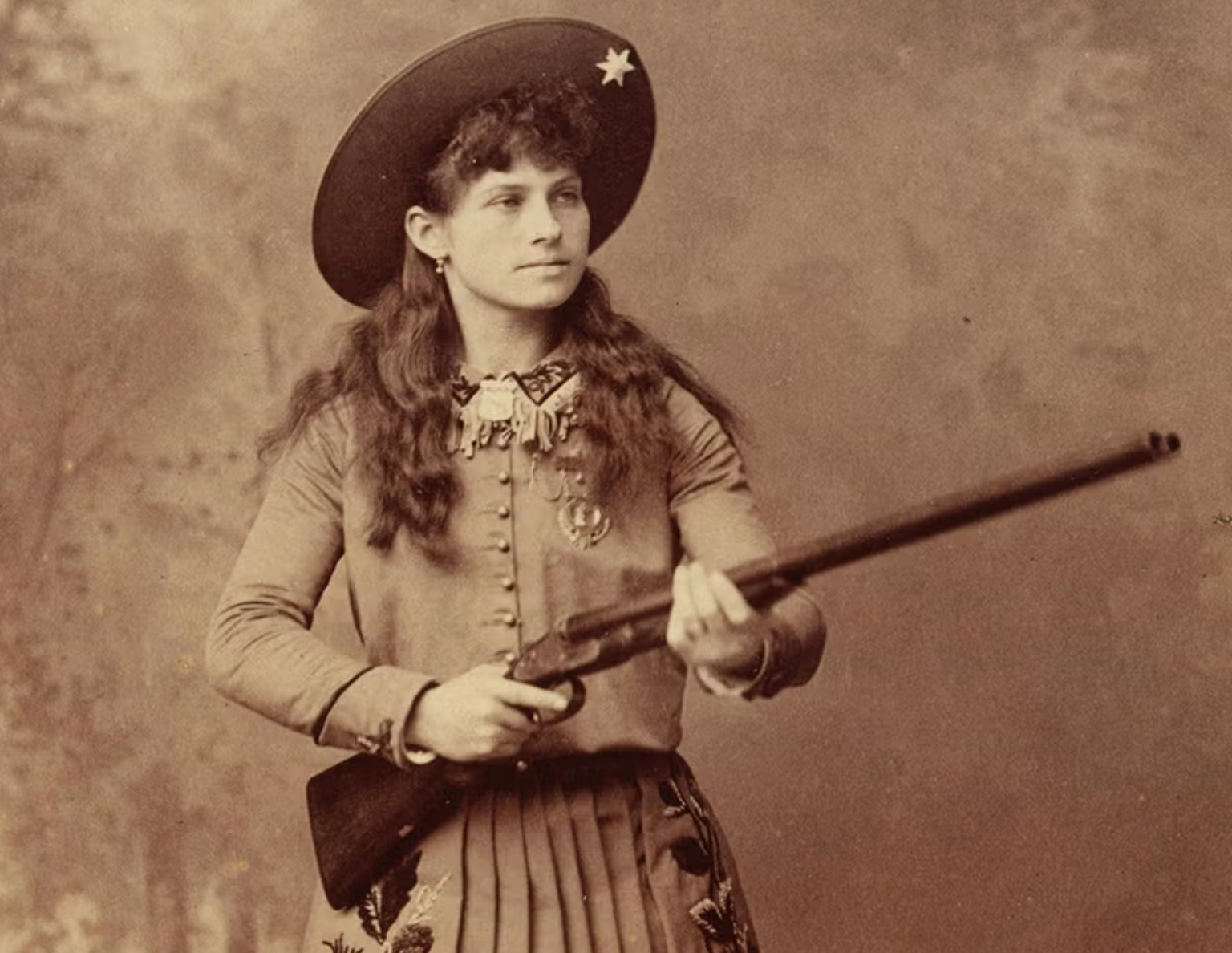
Context:
Rory is sitting at Luke’s, waiting for Lorelai. When Lorelai walks in, she’s wearing a rhinestone sweatshirt and a cowboy hat. Lorelai jokes that they’ve already argued about the sweatshirt, but Rory points out they haven’t discussed the hat yet. When Lorelai pretends not to know what hat she’s talking about, Rory replies, “The one on your head, Annie Oakley.”
Explanation:
This is a reference to Annie Oakley, a famous American sharpshooter and traveling Wild West performer from the late 1800s. She became a legendary cultural figure known for her talent with firearms, western-style costumes, and cowgirl image — often seen in a hat similar to the one Lorelai is wearing.
7. “I danced on these drums at the Copacabana in 1969”
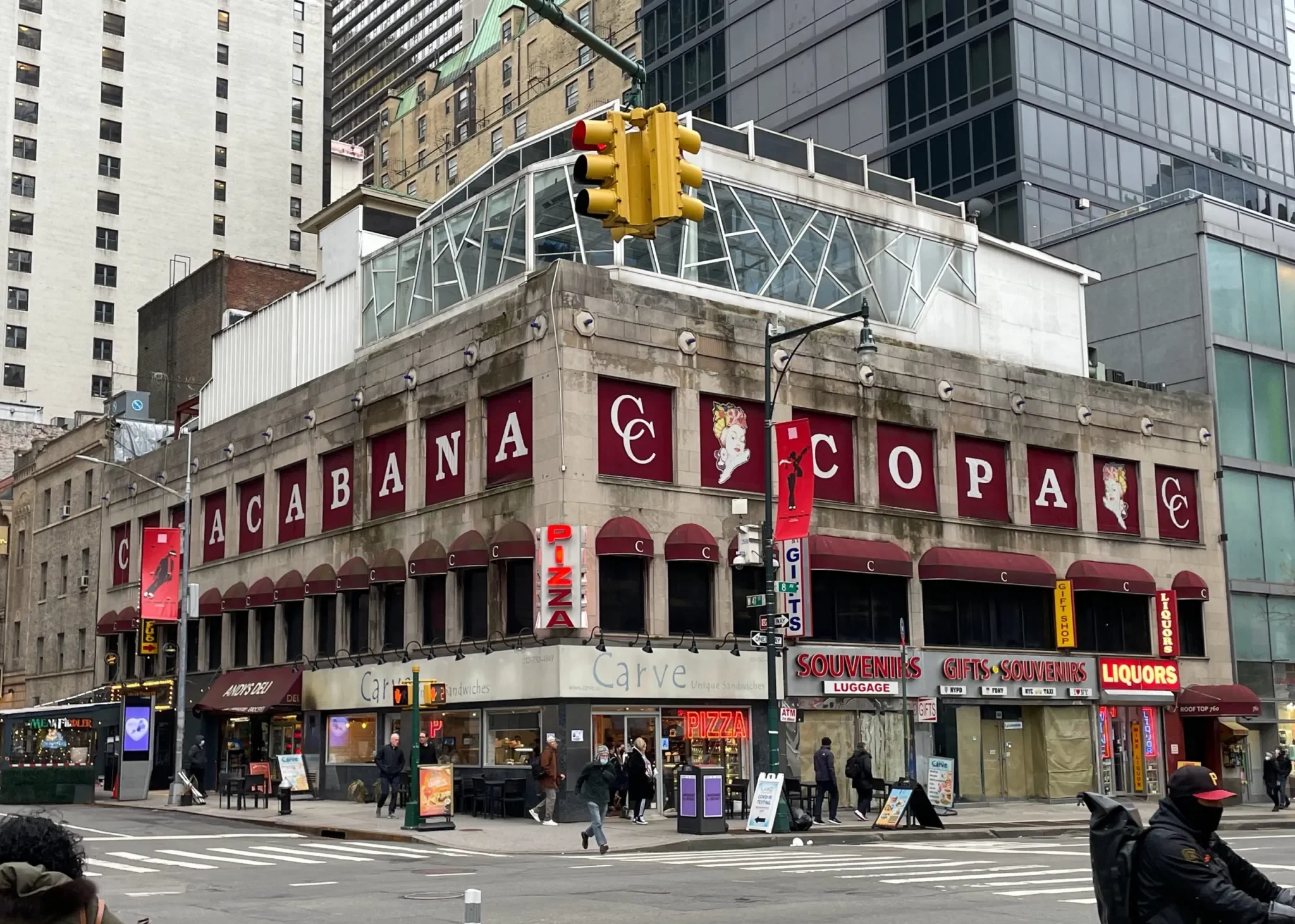
Context:
Back at Lorelai’s house, Lorelai, Sookie, and Rory are still sorting through bags for the town rummage sale. Miss Patty arrives with more donations, including some of her old showgirl items. When Lorelai steps outside, she sees two huge decorative drums on the lawn, and Miss Patty proudly explains, “I danced on these drums at the Copacabana in 1969.”
Explanation:
This is a reference to the Copacabana, a famous nightclub in New York City that opened in the 1940s and became iconic for its glamorous stage shows, live music, and celebrity performances. It has been associated with singers like Sammy Davis Jr., Dean Martin, and Barry Manilow (who later wrote the song “Copacabana” inspired by the club’s atmosphere).
By saying she danced on these drums there in 1969, Miss Patty is hinting at her past life as a showgirl and performer, reinforcing her long-running persona as someone who has lived a dramatic, theatrical, and slightly scandalous life before settling in Stars Hollow as a dance teacher.
8. “Ok, so, um sorry about the house of horrors here.”
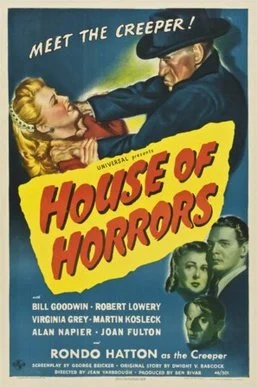
Context:
Paris, Madeline, and Louise arrive at Lorelai and Rory’s house to work on their history debate. Because the living room is still filled with bags and boxes for the town rummage sale, the place looks chaotic and cluttered. As she invites them in, Lorelai apologizes and says, “Ok, so, um… sorry about the house of horrors here.”
Explanation:
This is a reference to the 1946 film House of Horrors, a horror movie in which a sculptor’s home becomes a strange, unsettling space filled with disturbing art and chaotic visual clutter. The phrase has since become shorthand for a place that looks overwhelming, messy, or creepily chaotic.
9. “Are you two still Joanie loves Chachi?”
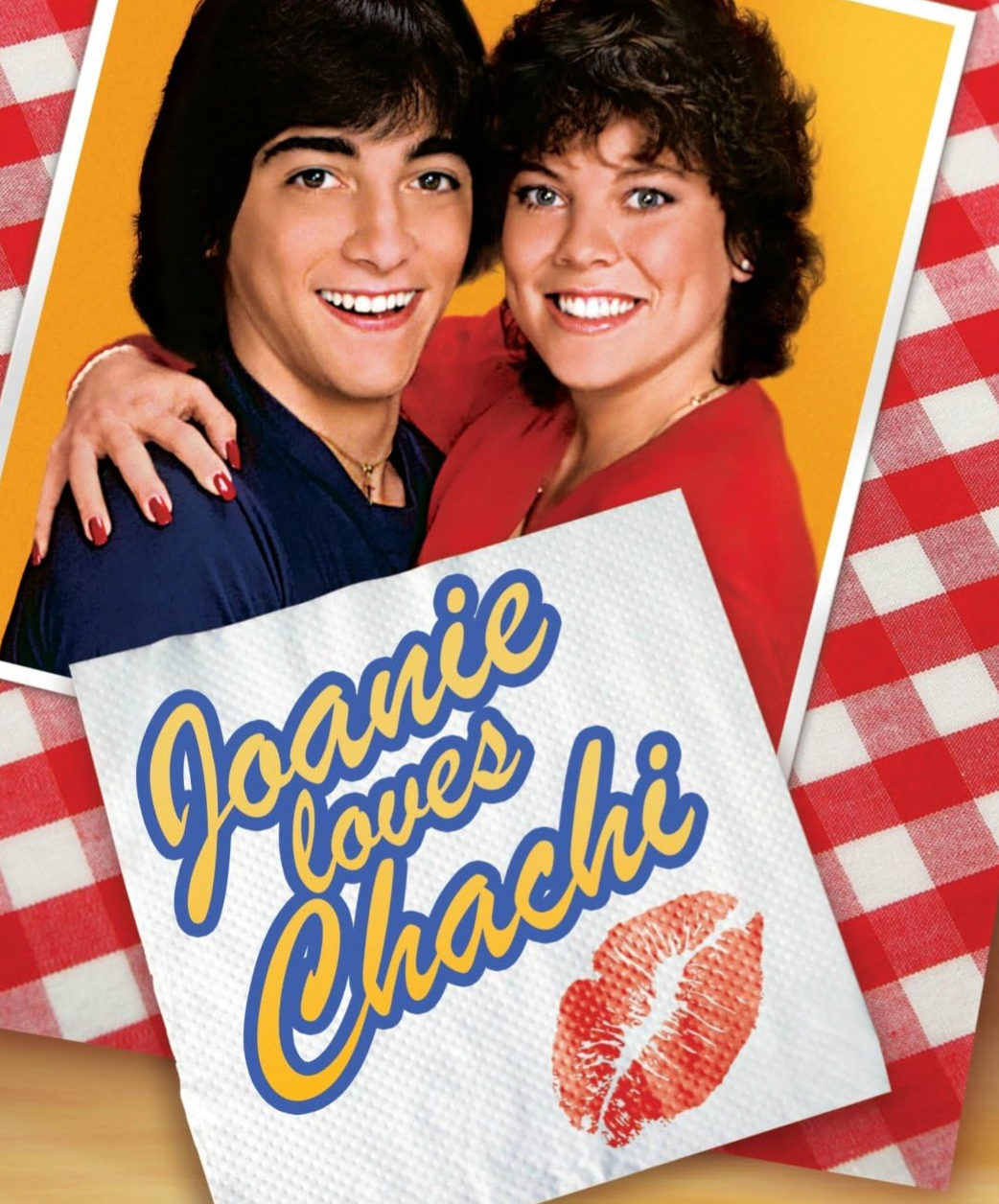
Context:
Rory, Paris, Madeline, and Louise are sitting in Rory’s living room, working on their debate. The conversation drifts away from schoolwork when Louise starts asking Rory about Dean. Referring to their relationship, she says, “Are you two still Joanie Loves Chachi?”
Explanation:
This is a reference to the 1980s TV sitcom Joanie Loves Chachi, which followed the romance between Joanie Cunningham and Chachi Arcola — a young couple known for their sweet, wholesome, almost idealized teenage relationship. By comparing Rory and Dean to Joanie and Chachi, Louise is teasing them for being wholesome and steady.
10. “So how good of a kisser is Paul Bunyan anyway?”
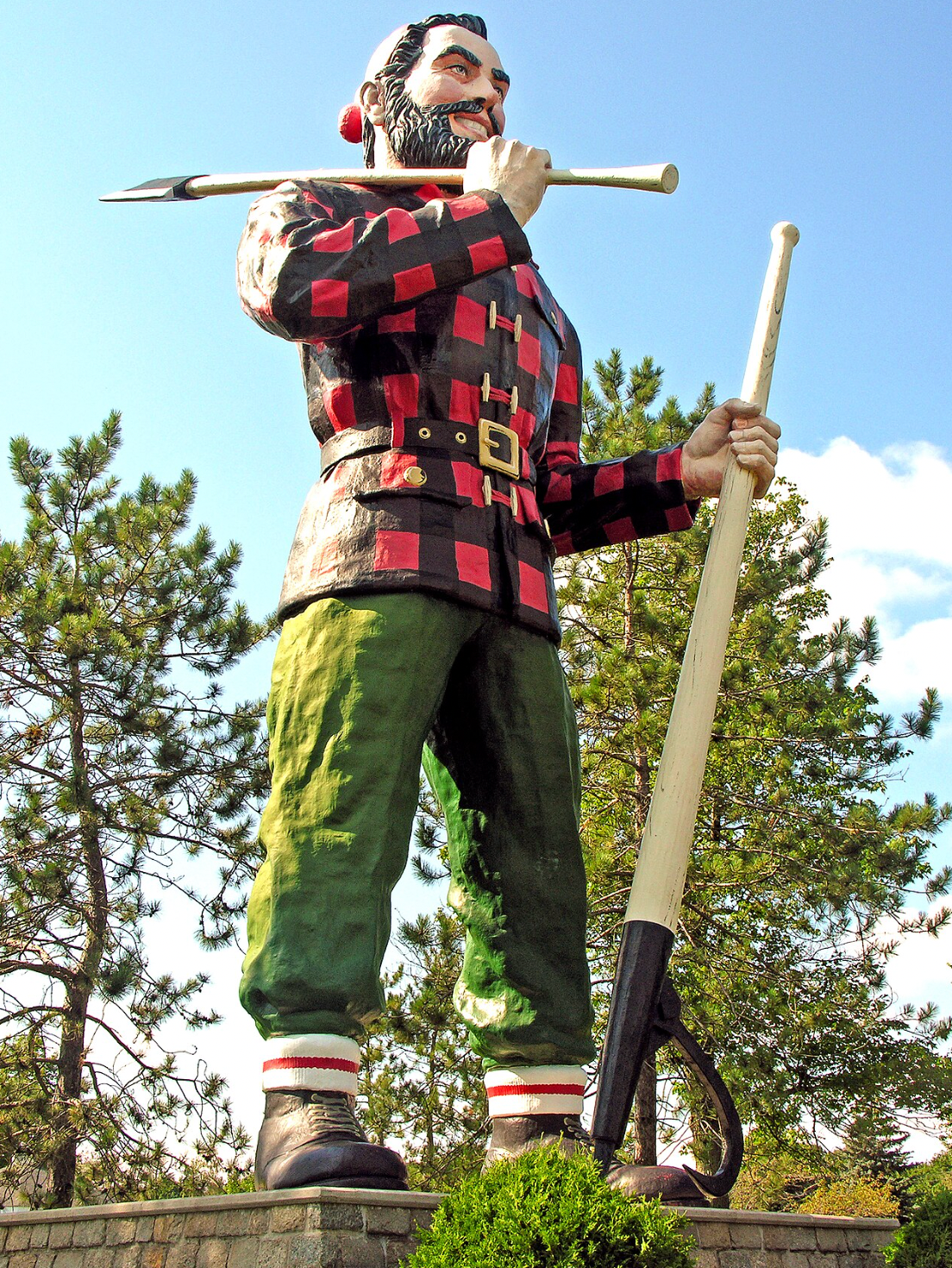
Context:
In the same scene in Rory’s living room, Paris gets frustrated because the conversation has drifted away from the debate and into talk about boys and makeup. After Paris complains that they’re wasting time, Louise completely ignores her and keeps the conversation going with Rory, asking, “So how good of a kisser is Paul Bunyan anyway?” in reference to Dean.
Explanation:
Paul Bunyan is a figure from American folklore — a giant lumberjack known for his massive size, superhuman strength, and iconic blue ox, Babe. He’s usually portrayed as tall, broad, and larger-than-life, almost like a cartoon version of rugged masculinity. By calling Dean “Paul Bunyan,” Louise is joking about how tall and physically big he is. The line is playful and a little flirty in tone, poking fun at Dean’s height and outdoorsy, all-American vibe.
11. “They've basically just moved off the plan to dump the pig's blood on me at the prom, that's all.”
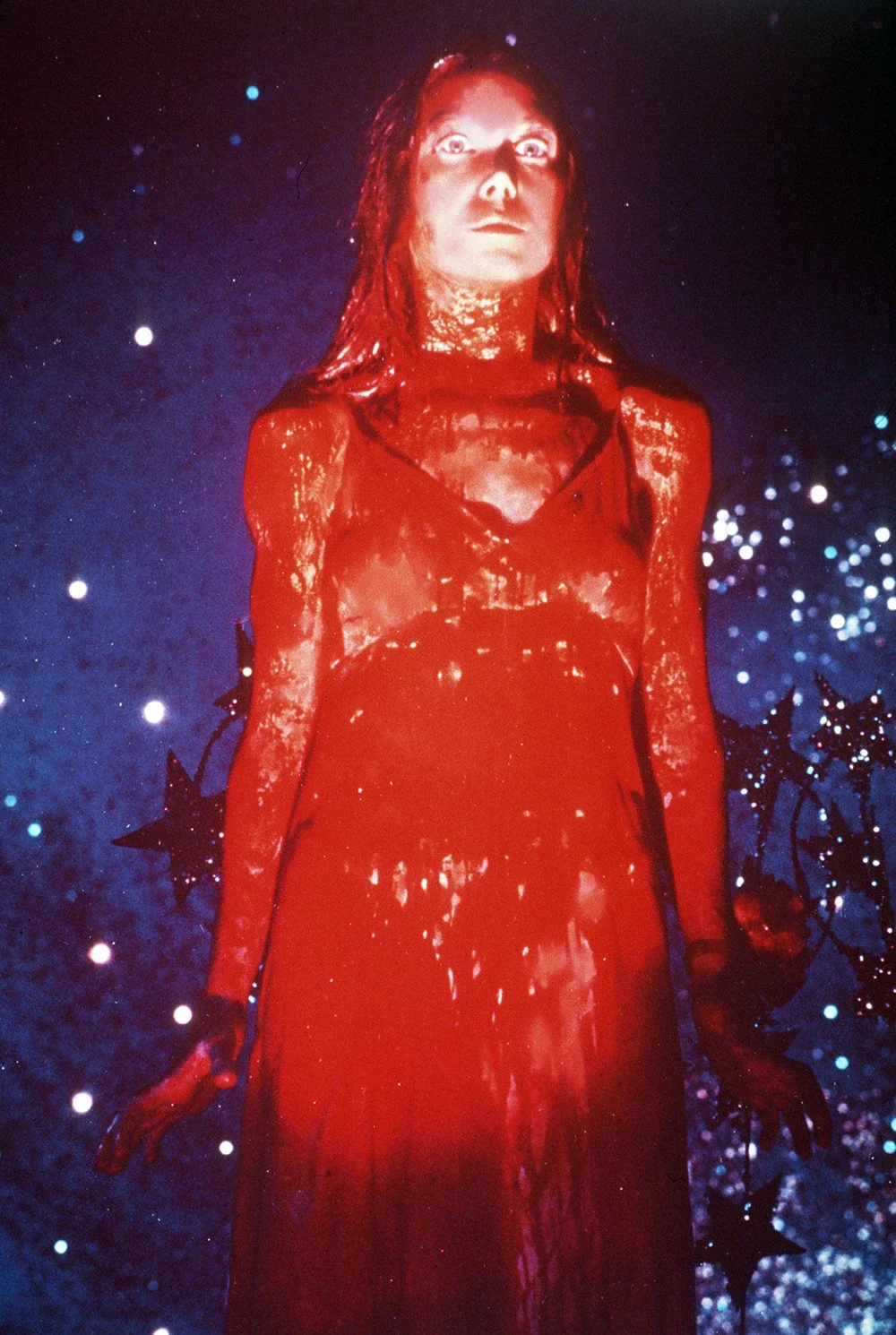
Context:
Still at the house, Lorelai notices that things between Rory, Paris, Madeline, and Louise seem to be going surprisingly well — they’re talking, laughing, and actually getting along. She calls Rory into the kitchen to ask if they want pizza and comments that it looks like the girls might be becoming friends. Rory, not quite ready to celebrate yet, replies, “They’ve basically just moved off the plan to dump the pig’s blood on me at the prom, that’s all.”
Explanation:
This is a reference to Stephen King’s novel Carrie, most famously adapted into the 1976 film. In the story, Carrie — a shy, bullied high-school girl — becomes the victim of a cruel prank at prom, where a bucket of pig’s blood is dumped on her in front of everyone. The scene is one of the most iconic moments in horror cinema. The original movie also features John Travolta, who plays one of the jocks involved in carrying out the prank. There’s also a newer adaptation starring Chloë Grace Moretz, which retells the same story in a more modern setting.
By referencing Carrie, Rory is joking that the Chilton girls haven’t exactly become her friends — they’ve simply gone from actively hostile to slightly less threatening. It captures her dry humor and her caution about trusting that the sudden friendliness will last.
12. “And before it's dark, they'll have every picnic basket that's in Jelly Stone park.”
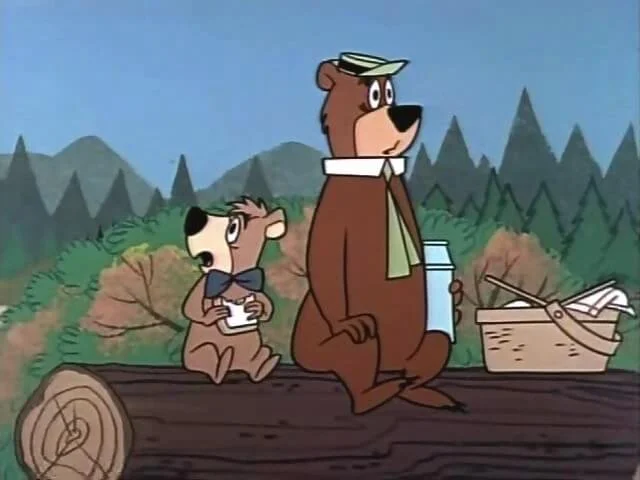
Context:
While the girls are standing in line for the Bangles concert, Madeline and Louise keep turning around to look at the guys behind them. Rory asks Paris what they’re looking at, and after Rory confirms Paris is right, Paris dryly comments, “And before it’s dark, they’ll have every picnic basket that’s in Jellystone Park.”
Explanation:
This is a reference to Yogi Bear, the Hanna-Barbera cartoon character who lives in Jellystone Park. Yogi is best known for constantly stealing picnic baskets from unsuspecting visitors. By comparing Madeline and Louise to Yogi Bear, Paris is implying that they’re on the prowl and will swoop in on any opportunity — in this case, the cute guys behind them — the same way Yogi swoops in on picnic baskets.
13. “T-shirts for all the girls because I’m the good witch of the – hey, aren’t you missing a couple of kids?”
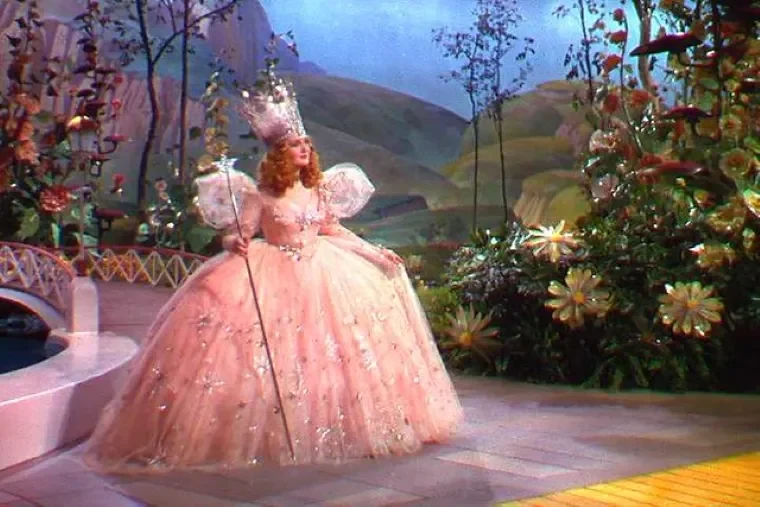
Context:
After the Bangles concert, Rory and Paris are waiting outside, as promised. Lorelai walks out holding T-shirts for everyone and proudly says, “T-shirts for all the girls because I’m the Good Witch of the—” but stops mid-sentence when she realizes Madeline and Louise are missing and asks where they are.
Explanation:
Lorelai is referencing Glinda the Good Witch from The Wizard of Oz. Glinda is the warm, kind-hearted, slightly theatrical magical figure who helps Dorothy, and Lorelai is jokingly casting herself in that kind, generous “fairy godmother–style” role because she brought gifts for the girls.
14. “It definitely was a Kodak moment.”
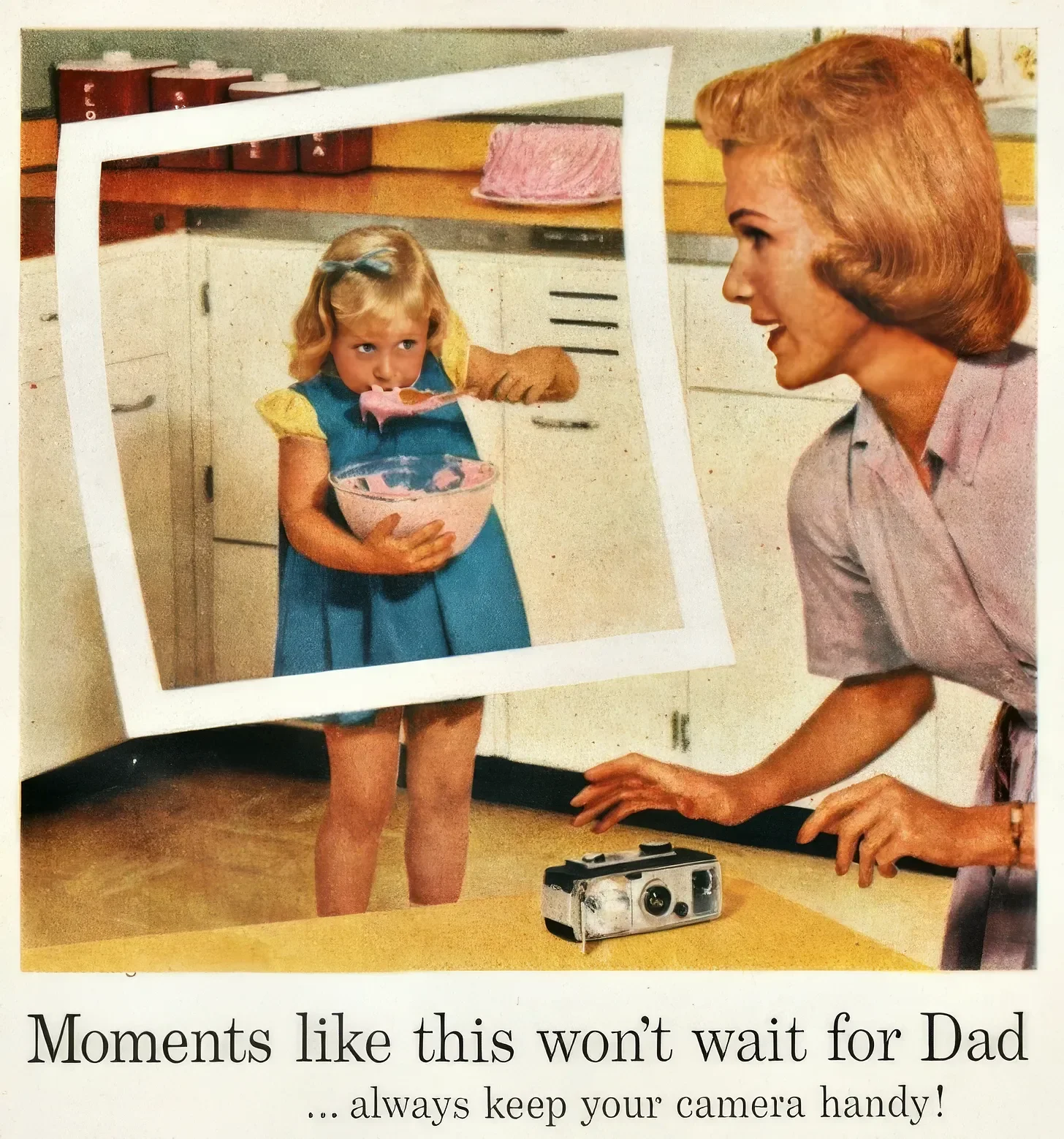
Context:
After Lorelai tracks down Madeline and Louise at the guys’ apartment and brings everyone safely back, the story cuts to Rory recounting the whole Bangles-concert incident to Lane. Reflecting on the chaos of the night — and especially Lorelai stepping in — Rory sarcastically describes it as “a real Kodak moment.”
Explanation:
A “Kodak moment” comes from advertising campaigns by the camera and film company Kodak, which encouraged people to capture meaningful, emotional, or unforgettable moments on film. Over time, the phrase became shorthand for a moment so memorable or significant that you’d want to take a picture of it. Personally, this line always reminds me of Pitbull’s lyric in “Give Me Everything” (“Go to Times Square, take a picture of me with a Kodak”), which plays on the same idea of a moment being worth capturing.
Honorable Mentions In This Episode:
Historical Figures:
Shakespeare
Queen Anne
Charles I
Movies/Series/Tv-Shows:
Wonder Woman
Everest
Actors:
Catherine Zeta-Jones
Michelle Pfeiffer
Elle MacPherson
Music:
The Bangles + “Walk Like an Egyptian”
Fashion Brands:
Pucci
I hope this was helpful in understanding some of the references from Gilmore girls and that we are one step closer to decoding our ultimate comfort show.
If I missed something or you have another interpretation of a reference, let me know—I’d be happy to add it!
More posts about Gilmore girls