Gilmore girls: Season 1 Episode 14 References Explained
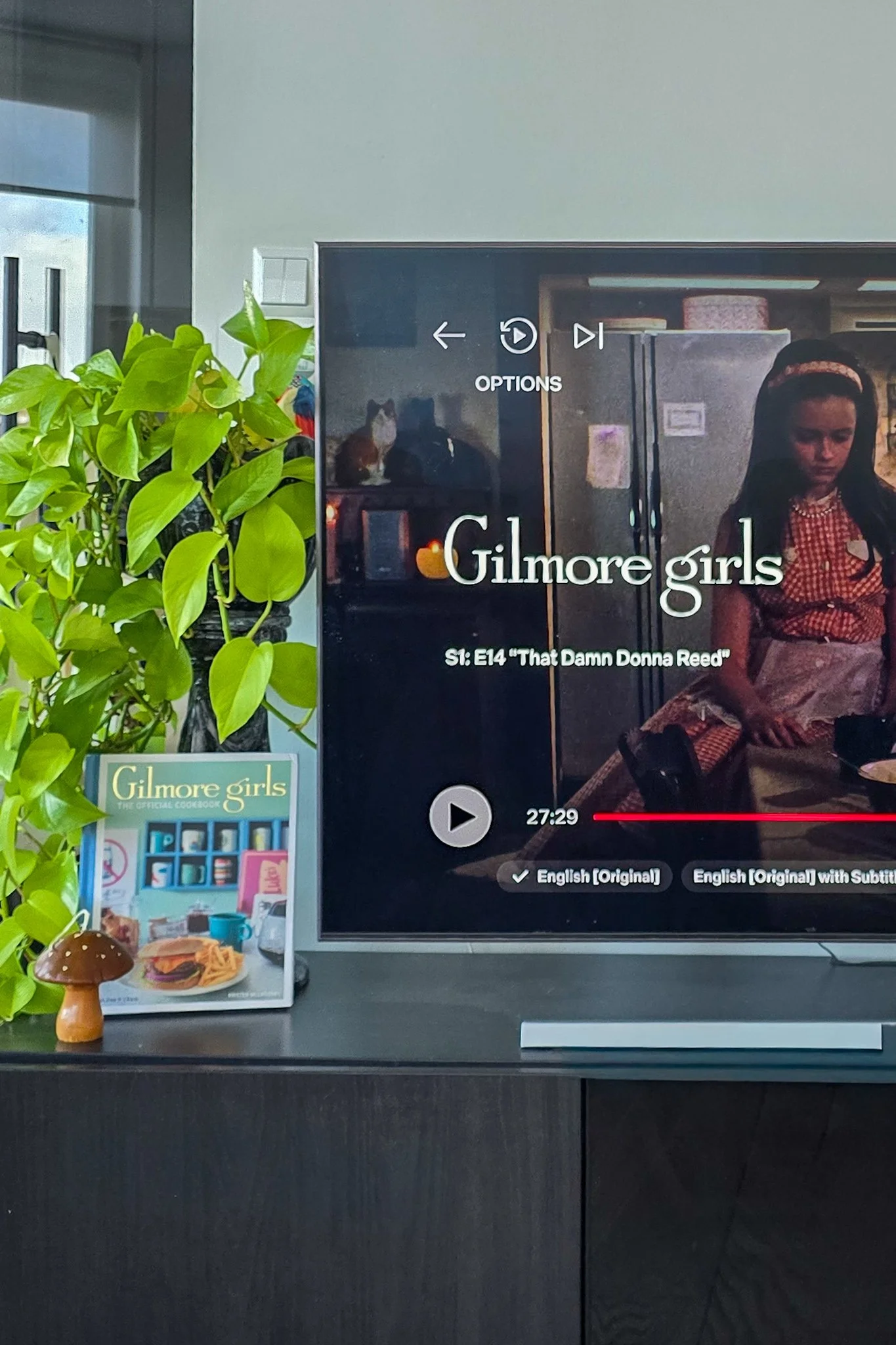
Gilmore girls is famous for its quick dialogue, witty banter, and the endless pop culture references that make every rewatch just as entertaining as the first. That’s what inspired me to start this series — breaking down every reference, episode by episode, and seeing just how many I’d missed after all these years.
Episode 14, “That Damn Donna Reed,” is one of those episodes most fans have mixed feelings about. It’s not my favorite of season one, but I’m probably one of the few people who doesn’t dislike it either — and on a rewatch, there’s actually more going on here than you might expect. There’s a lot of contrast in this episode, and also some early hints about why Rory and Dean might not be quite as compatible in the long run (without spoiling anything for first-time watchers).
The episode starts with Dean being introduced to The Donna Reed Show, which quickly turns into a discussion about women, housework, and what “traditional” really means. Lorelai and Rory are very clear about how they feel about a woman “being stuck in the kitchen”, while Dean doesn’t really understand what’s so bad about cooking for your family, especially since that’s what his own mom did. Later, Rory makes a strong point about choice, and it becomes the first real argument we see between her and Dean.
While Rory is catsitting Babette’s cat and putting together a Donna Reed–style evening for Dean, Lorelai is dealing with her own small crisis after losing Rory’s school project, Stella the chick, and calling Luke to help her find it. It also leads to one of those early Luke and Lorelai moments where they almost kiss. The episode also weaves in several references to A Streetcar Named Desire, which is interesting considering how much that story is about gender roles, power, and emotional expectations — the same tensions that are quietly driving the conflict here.
In this series, I go through each reference I can find, explaining what it means, where it comes from, and how it fits into the story — along with a list of the books, music, movies, and cultural mentions from the episode so you can keep track or add a few to your own list.
Gilmore girls is available to stream in most countries on Netflix and Disney+, so whether you’re rewatching or discovering it for the first time, you can easily follow along with every reference.

Looking for the perfect gift this season?
Discover my Gilmore girls inspired gift guide!
Looking for another episode? You got it:
Season 1, Episode 1 “Pilot”
Season 1, Episode 2 “The Lorelais’ First Day at Chilton
Season 1, Episode 3 “Kill Me Now”
Season 1, Episode 4 “The Deer Hunters”
Season 1, Episode 5 “Cinnamon’s Wake”
Season 1, Episode 6 “Rory’s Birthday Parties”
Season 1, Episode 7 “Kiss and Tell”
Season 1, Episode 8 “Love and War and Snow”
Season 1, Episode 9 “Rory’s Dance”
Season 1, Episode 10 “Forgiveness and Stuff”
Season 1, Episode 11 “Paris is Burning”
Season 1, Episode 12 “Double Date”
Season 1, Episode 13 “Concert Interruptus”
Season 1, Episode 14 “That Damn Donna Reed”
Season 1, Episode 15 “Christopher Returns”
Season 1, Episode 16 “Star-Crossed Lovers and Other Strangers”
Season 1, Episode 17 “The Breakup: Part 2”
Season 1, Episode 18 “The Third Lorelai”
Season 1, Episode 19 “Emily in Wonderland”
Season 1, Episode 20 “P.S. I Lo…”
Season 1, Episode 21 “Love, Daisies and Troubadours”
Okay, let’s get into it! Here are all the references explained from Gilmore girls Season 1 Episode 14 “That Damn Donna Reed”
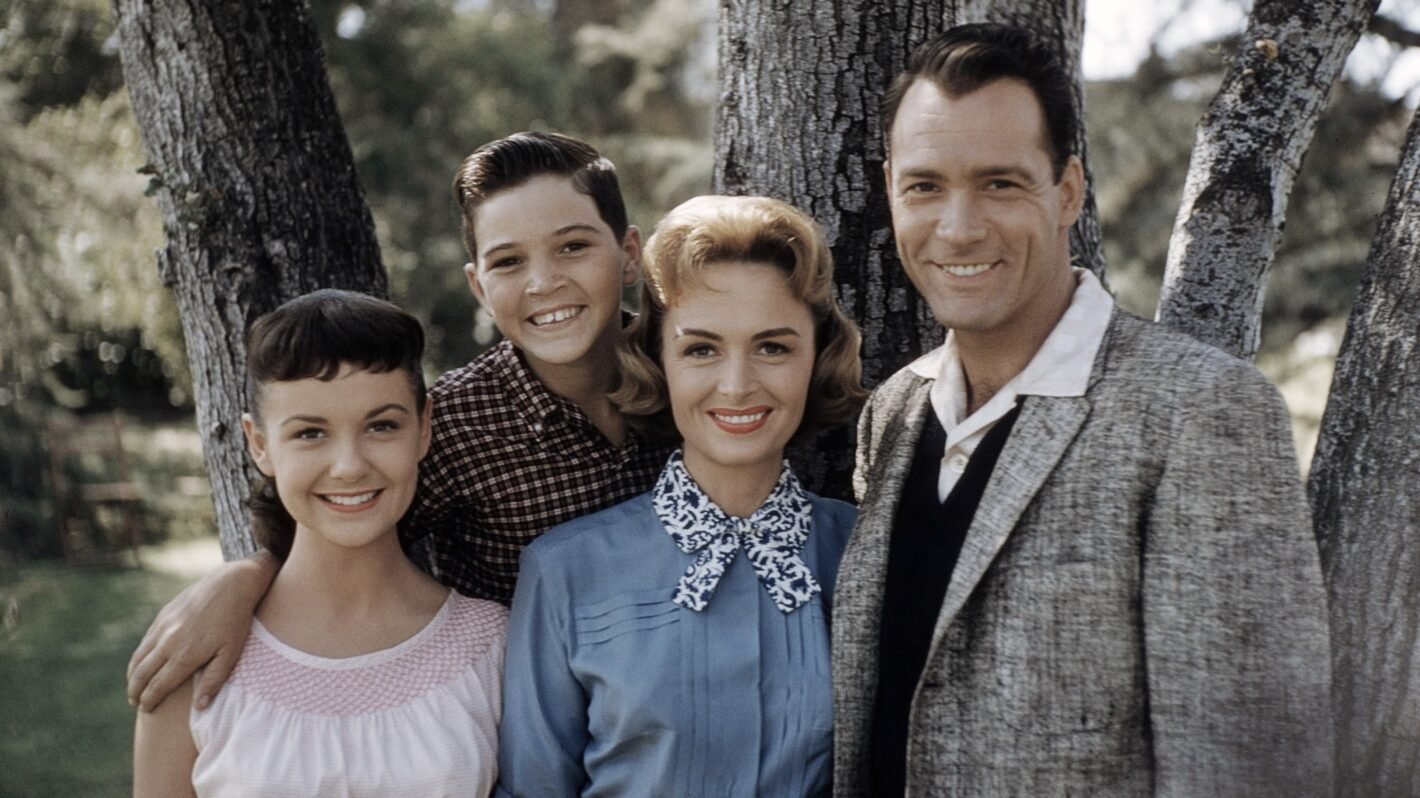
1. “You don't know who Donna Reed is? The quintessential 50s mom with the perfect 50s family?”
Context:
The episode opens with Dean coming over to Rory and Lorelai’s house for movie night. When he asks what they’re watching, they tell him it’s The Donna Reed Show. Dean says he doesn’t know who Donna Reed is, and Lorelai responds with, “You don't know who Donna Reed is? The quintessential 50s mom with the perfect 50s family?”
Explanation:
Donna Reed was an American actress best known for starring in The Donna Reed Show, a popular television sitcom that aired from 1958 to 1966. On the show, she played a cheerful, perfectly put-together housewife who cooked, cleaned, and looked after her family while her husband worked — a role that became one of the most recognizable images of the idealized 1950s American mother. Lorelai’s description of Donna Reed as “the quintessential 50s mom” is a shorthand for that very traditional, domestic version of womanhood, which sets up the central debate of the episode about gender roles, choice, and what women were expected to be.
Fun fact:
In real life, and as we later learn in this episode, Donna Reed was actually a producer on The Donna Reed Show and became one of the first women in television to produce her own series. She took over as executive producer in the early 1960s when she and her husband pushed for more creative control. For a long time, though, she wasn’t publicly credited or talked about as a producer in the same way male producers were. The show carried her name, but many people (including Rory and Lorelai) only saw her as the actress playing the perfect housewife, not the woman running a major TV production behind the scenes.
2. “Yeah, right after mother-daughter shock treatments. “You know, Daughter, there’s nothing more satisfying than washing windows — oh no!”
Context:
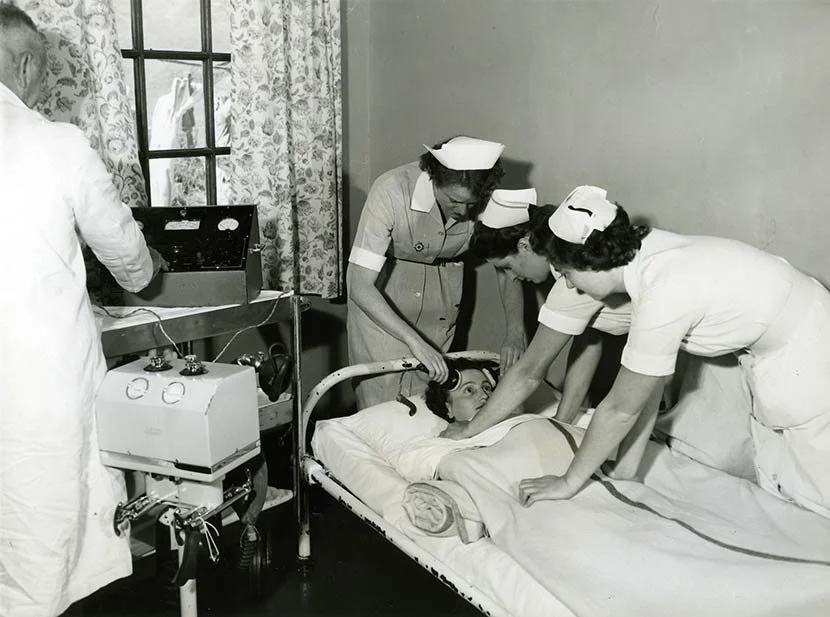
Still in the same opening scene, Lorelai and Rory are jokingly mocking the Donna Reed Show by inventing their own dialogue. They joke about doing wholesome mother-daughter activities like washing windows together, and Lorelai says, “Yeah, right after mother-daughter shock treatments. “You know, Daughter, there’s nothing more satisfying than washing windows — oh no!”
Explanation:
Lorelai is parodying the overly sweet, scripted tone of 1950s family sitcoms, where domestic chores were presented as joyful bonding moments between mothers and daughters. The “shock treatments” line adds a darker layer to the joke. In the mid-20th century, electroconvulsive therapy was commonly used on women—especially housewives—who were seen as depressed, unhappy, or not behaving the way they were expected to.
By pairing that history with a fake Donna Reed–style speech about loving housework, Lorelai is pointing out how disturbing it is to pretend that women were naturally fulfilled by domestic life when, in reality, many of them were being medicated or treated for being unhappy in it.
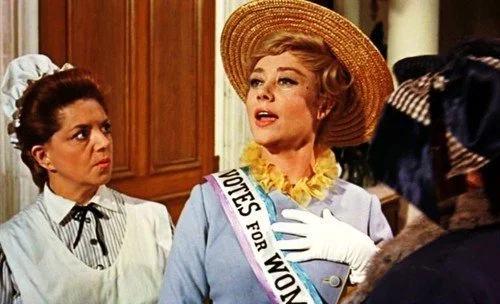
3. “Well said, Sister Suffragette.”
Context:
Still in the opening scene, Dean says that he actually finds the family dynamic on The Donna Reed Show kind of nice — a wife cooking dinner and everyone seeming happy together. Lorelai and Rory push back, joking that Donna Reed’s character is medicated and acting from a script. After Lorelai points out that the show is also “written by a man,” Rory responds with, “Well said, Sister Suffragette.”
Explanation:
“Sister Suffragette” refers to the women’s suffrage movement, which fought for women’s rights, especially the right to vote, in the early 20th century. The phrase is also best known from the song “Sister Suffragette” in Mary Poppins, where Mrs Banks sings about women demanding political rights — including the line, “Although we adore men individually, we agree that as a group they’re rather stupid.”
Fun fact:
Mary Poppins was released in 1964, which makes the reference especially funny here: a movie from the middle of a traditional era was already openly mocking male-dominated power structures.
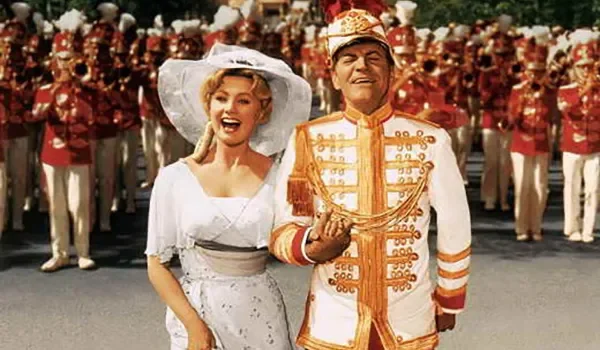
3. “When standards slip, families flee and in comes the seedy crowd. You got trouble, my friends.”
“Right here in River City!”
Context:
Lorelai is at Luke’s diner trying to convince him to give the place a fresh coat of paint. Taylor joins in and complains that he’s been trying to get Luke to “spruce up” the diner for ages. When Luke pushes back, Taylor dramatically says, “When standards slip, families flee and in comes the seedy crowd. You got trouble, my friends.” and Lorelai immediately jumps in with, “Right here in River City!”
Explanation:
This is a reference to the musical The Music Man. In the show, the character Harold Hill sings a famous number called “Trouble,” where he warns the town of River City that moral decay is coming and that they’re headed for disaster unless they take action. The line “You got trouble, my friends… right here in River City!” is one of the most recognizable moments from the song.
Fun fact:
The Music Man was filmed on the same Warner Bros. backlot that was later used for Stars Hollow.
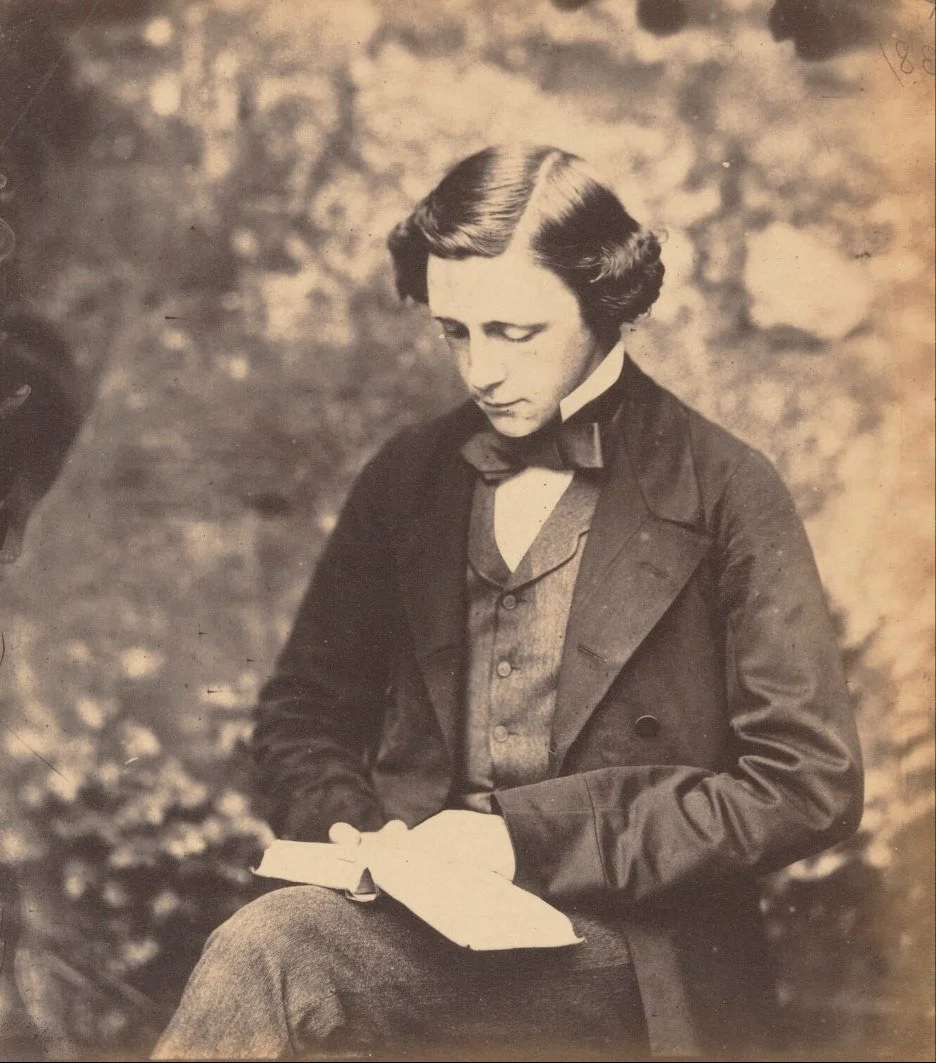
4. “It's getting a little too Lewis Carroll for me.”
Context:
Rory and Lorelai are at the Gilmore house for Friday night dinner, and Emily explains that they aren’t going to Martha’s Vineyard this year because their usual rental is booked. Lorelai suggests going to Europe instead, but Emily insists that they only go to Europe in the fall — not because they can’t go in the spring, but simply because they never do. The conversation starts going in circles, so Lorelai says, “It's getting a little too Lewis Carroll for me.”
Explanation:
Lewis Carroll is the author of Alice’s Adventures in Wonderland and Through the Looking-Glass, stories famous for their surreal logic, circular reasoning, and absurd conversations where nothing quite makes sense. By saying the discussion is getting “too Lewis Carroll,” Lorelai is joking that Emily’s reasoning — we don’t go in spring because we always go in fall — sounds like something straight out of Wonderland, where rules exist simply because they exist, not because they’re logical.
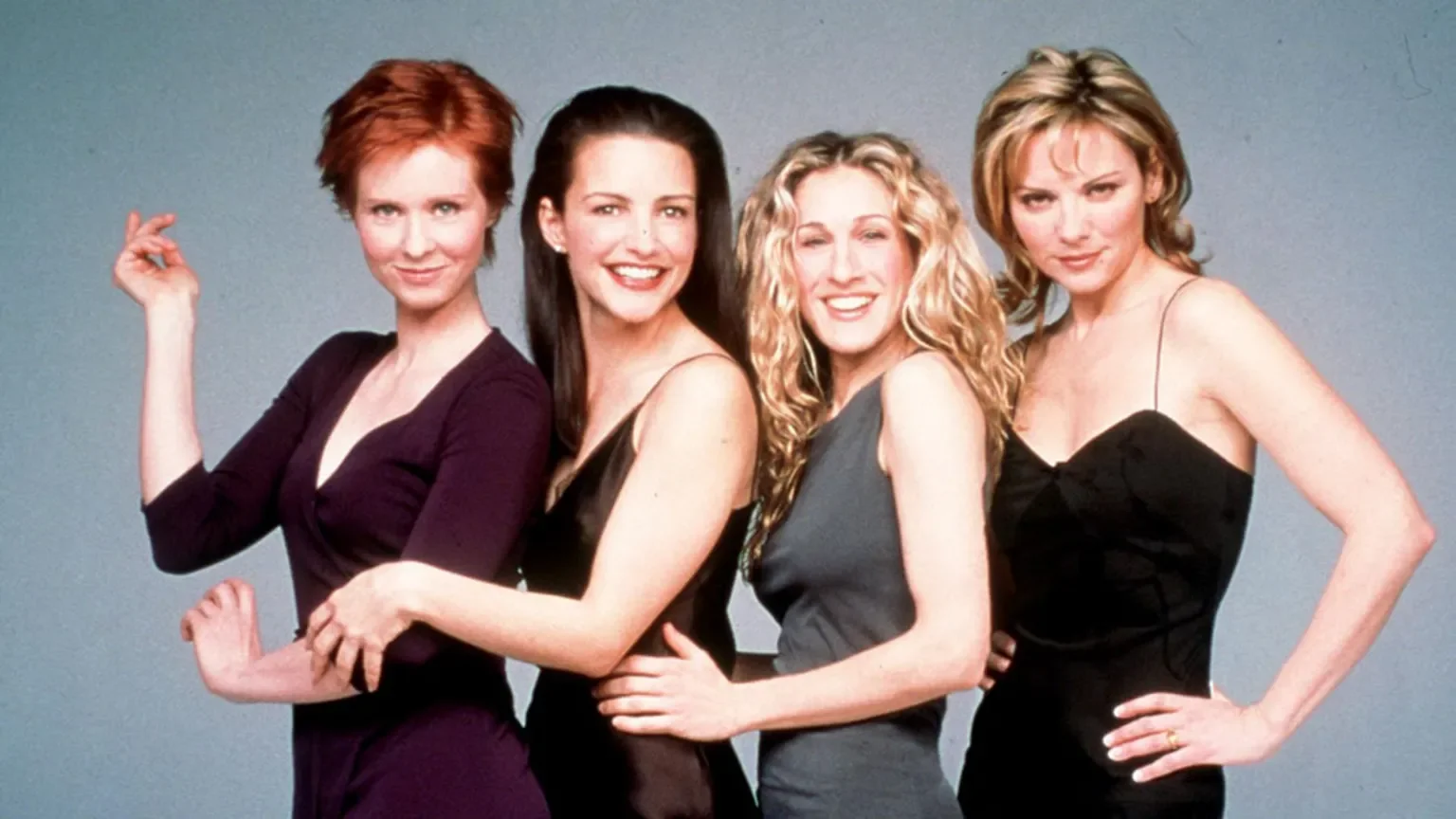
5. “Oh great! We’ve got a kitchen full of food and Morey just got cable so you can watch those four girls talking dirty if you want to.”
Context:
Babette comes over to Lorelai and Rory’s to ask if Rory can catsit their new kitten, Apricot, while she and Morey are out of town. When Rory happily agrees, Babette cheerfully says, “Oh great! We’ve got a kitchen full of food and Morey just got cable so you can watch those four girls talking dirty if you want to.”
Explanation:
Babette is referring to S*x and the City, the HBO series about four women in New York who openly talk about dating and relationships. The show was famous for being far more explicit and modern than most television at the time.
The contrast here is pretty perfect. While Lorelai and Rory spend the episode making fun of the Donna Reed lifestyle, they also aren’t really the S*x and the City type either. Compared to Carrie, Samantha, Miranda, and Charlotte, Rory and Lorelai are actually quite conservative in their own way — especially when it comes to relationships — which makes this line a quiet reminder that they sit somewhere in between those two extremes.
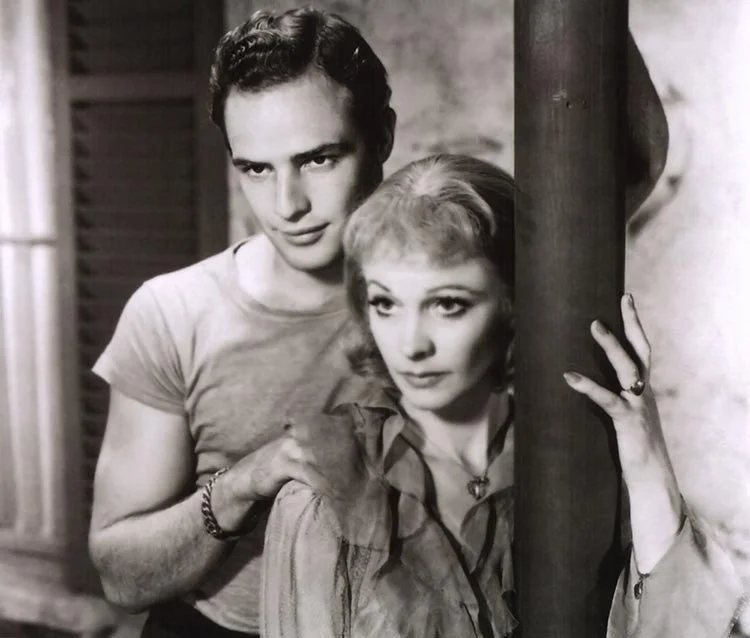
6. “Sorry about the Stanley thing. Your name is Stella. Stella's nice and Stella was married to Stanley.”
Context:
Rory brings home her school project for her midterm, which turns out to be a little chick she has to observe over the weekend. When Lorelai asks if the chick has a name, Rory calls it “case study number twelve.” Lorelai decides it needs a proper name and calls it Stanley, but Rory points out that the chick is a girl. Lorelai quickly corrects herself and says, “Sorry about the Stanley thing. Your name is Stella. Stella's nice and Stella was married to Stanley.”
Explanation:
This is a reference to A Streetcar Named Desire, the play by Tennessee Williams (and later a famous movie), which features the characters Stella and Stanley Kowalski. They are a married couple whose relationship is intense, complicated, and often uncomfortable, with power struggles and emotional conflict at the center. Lorelai’s joke turns her accidental “Stanley” into a deliberate reference by renaming the chick Stella.
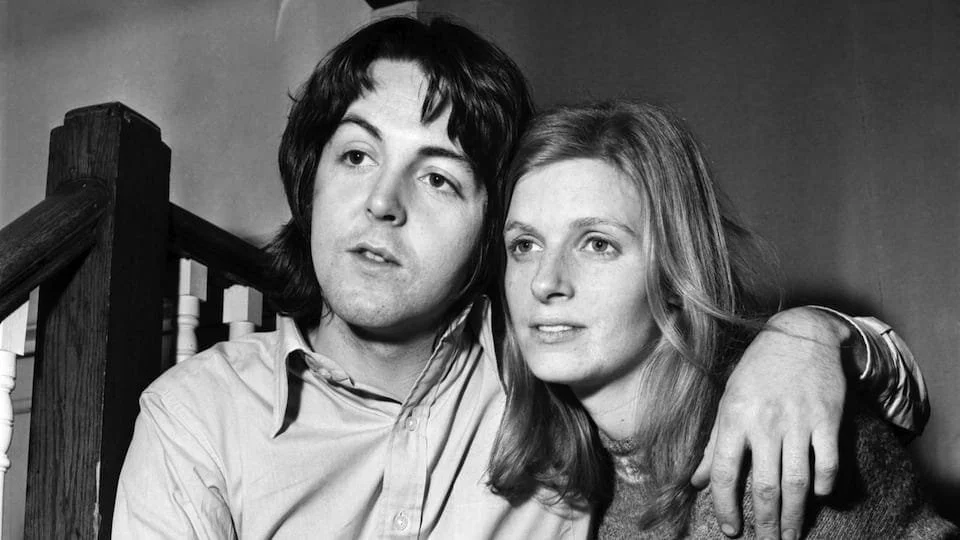
7. “Paul and Linda McCartney only spent eleven nights apart their entire relationship.”
Context:
After Babette leaves and Rory agrees to catsit, Lorelai starts getting a little dramatic about Rory spending the night away from her. She points out that it’s only the second night they’ve ever been apart and tries to (jokingly) make Rory feel a little guilty about it. That’s when Lorelai brings up Paul and Linda McCartney as an example.
Explanation:
Paul McCartney and Linda McCartney were famously devoted to each other during their marriage and were rarely apart. Lorelai exaggerates their closeness by saying they only spent eleven nights apart, using them as the ultimate example of a couple who never want to be separated. It’s a funny comparison, but it also quietly shows how emotionally close Lorelai and Rory are — and how new this small bit of independence is for them. Rory spending the night somewhere else (even if it’s just next door) is a tiny shift in their dynamic, and Lorelai’s joke gives away that she’s feeling it more than she wants to admit.
8. “(yelling) “Stella!”
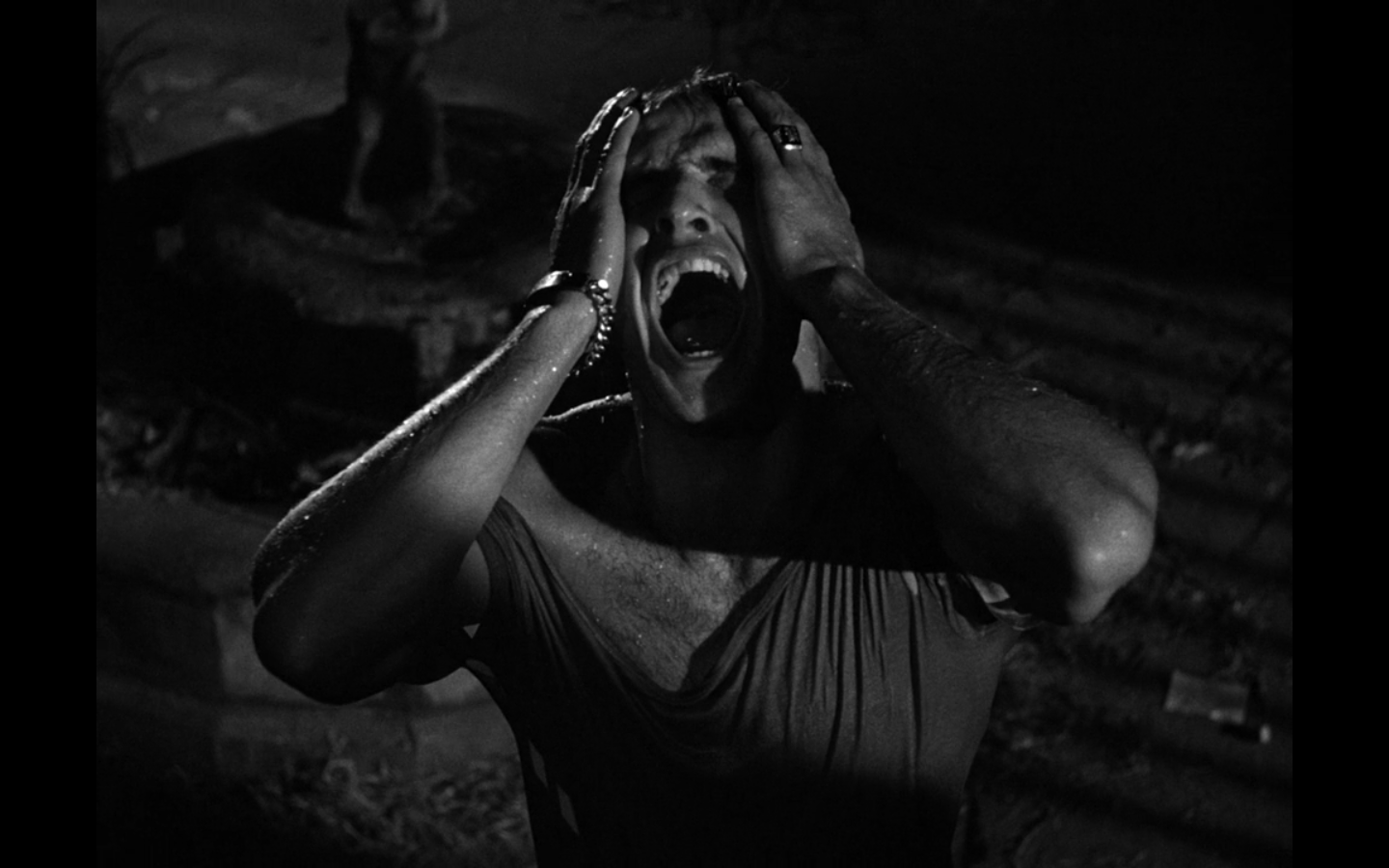
Context:
Back at Lorelai’s house, Lorelai, Sookie, and Rory are still sorting through bags for the town rummage sale. Miss Patty arrives with more donations, including some of her old showgirl items. When Lorelai steps outside, she sees two huge decorative drums on the lawn, and Miss Patty proudly explains, “I danced on these drums at the Copacabana in 1969.”
Explanation:
This is another reference to A Streetcar Named Desire. In both the original play and the movie adaptation, the character Stanley Kowalski is known for dramatically shouting “Stella!” into the street, calling for his wife after a fight. Lorelai’s panicked cry mirrors that iconic scene, turning her frantic search for the chick into a theatrical Streetcar reference.
9. “Now, nothing. Silence. Marcel Marceau chicken.”
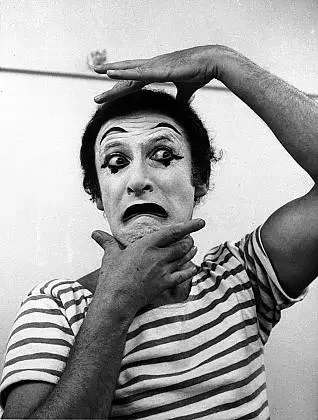
Context:
Lorelai is still frantically looking for Stella the chick. Earlier, Stella wouldn’t stop chirping, but now that Lorelai actually needs to find her, she’s completely silent. Frustrated and panicked, Lorelai says, “Now, nothing. Silence. Marcel Marceau chicken.”
Explanation:
Marcel Marceau was a famous French mime, best known for performing in complete silence. By calling Stella a “Marcel Marceau chicken,” Lorelai is joking that the chick has suddenly gone into full mime mode — making no sound at all at the worst possible moment.
10. “Or do I pull a Lucy Ricardo and walk like a chicken so she thinks I'm her mother?”
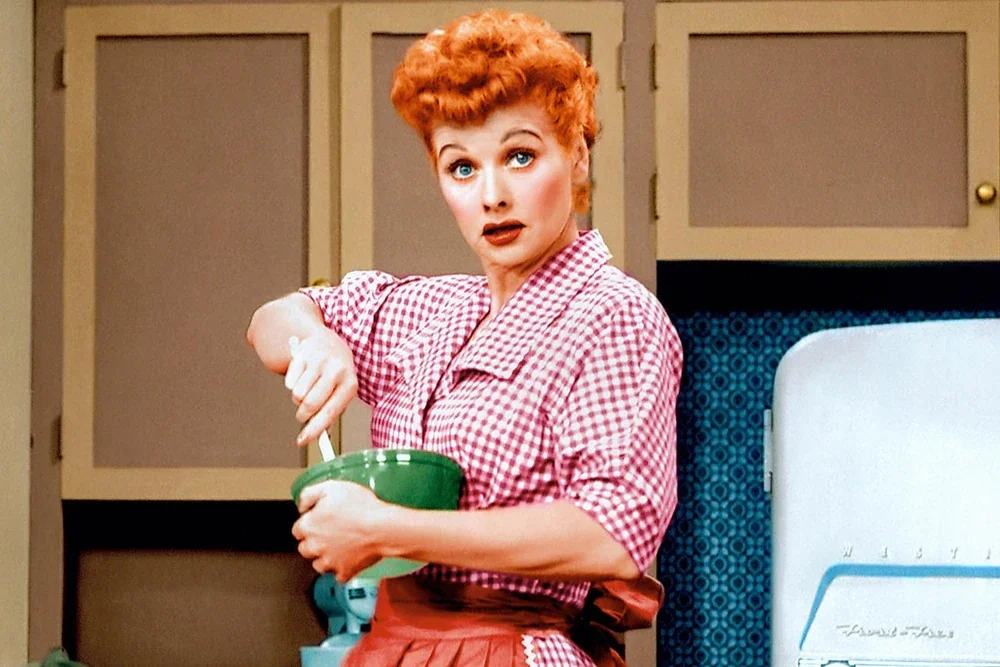
Context:
Still panicking about the missing chick, Lorelai calls Luke for help. She throws out a series of increasingly ridiculous ideas for how to find Stella, including, “Or do I pull a Lucy Ricardo and walk like a chicken so she thinks I'm her mother?”
Explanation:
Lucy Ricardo is the main character from the classic sitcom I Love Lucy, played by Lucille Ball. Lucy was famous for getting herself into over-the-top physical comedy situations, often involving disguises, costumes, and absurd schemes that usually made things worse before they got better. Lorelai’s line suggests that pretending to walk like a chicken would be exactly the kind of exaggerated, chaotic stunt Lucy Ricardo would try.
11. “Yeah. I’m like the Marlin Perkins of Stars Hollow.”
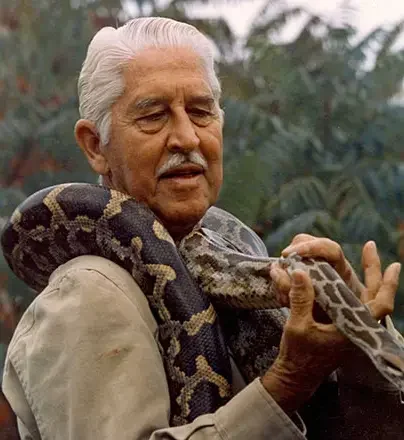
Context:
The next morning at the Independence Inn, Lorelai is telling Sookie about the chaos of the night before — first losing Rory’s chick, Stella, and then having to help find Babette and Morey’s kitten, Apricot, who ended up asleep inside a piano. When Sookie sarcastically says it sounds very Wild Kingdom, Lorelai replies with, “Yeah. I’m like the Marlin Perkins of Stars Hollow.”
Explanation:
Marlin Perkins was the longtime host of Mutual of Omaha’s Wild Kingdom, a popular nature show that aired for decades and featured him calmly narrating footage of animals in the wild. By calling herself the “Marlin Perkins of Stars Hollow,” Lorelai is joking that her night of chasing after a chick and a kitten makes her feel like a wildlife expert dealing with exotic animals
12. “'Streetcar Named Desire'.”
”Vivian Leigh or Jessica Tandy?”
“Hello — Tandy.”


Context:
While Lorelai is telling Sookie about the chaos of the night before, Sookie asks if by “Stella” she means the chick. Lorelai explains that she named the chick after A Streetcar Named Desire. Sookie then asks whether she means Vivien Leigh or Jessica Tandy, and Lorelai replies that it’s Tandy.
Explanation:
Jessica Tandy played Stella in the original Broadway production of A Streetcar Named Desire, while Vivien Leigh played Stella in the famous movie adaptation.
As far as I could find, there isn’t a deeper symbolic meaning behind Lorelai choosing Tandy over Leigh — it’s more of a Gilmore-style specificity joke. Tandy is the original stage version, while Leigh is the more famous movie one, and Lorelai picking Tandy fits her tendency to go for the more niche, original reference rather than the obvious Hollywood version. Which is also kind of funny, since Lorelai is usually much more of a movie person than a Broadway one.
13. “All of a sudden I'm trying to get any poor, unsuspecting person in bed with me. I'm like — I'm Michael Douglas!”

Context:
Lorelai and Sookie are talking about the chaos of the night before, including Lorelai calling Luke to help find Stella. Sookie suggests that, from Luke’s perspective, Lorelai calling him over late at night with a strange excuse might have sounded like a romantic invitation. Lorelai is shocked and pushes back and jokes that, according to this logic, everything she does must suddenly be an attempt to seduce someone, which leads to her saying, ““All of a sudden I'm trying to get any poor, unsuspecting person in bed with me. I'm like — I'm Michael Douglas!”
Explanation:
This is a reference to Michael Douglas, who became known in the late 1980s and 1990s for starring in a string of erotic thrillers where his characters are constantly involved in intense, dangerous s*xual situations. Movies like Fatal Attraction, Basic Instinct, and Disclosure all helped give him the pop-culture image of a man who keeps ending up in complicated,
s*xually charged scenarios. Lorelai compares herself to Michael Douglas to joke that she’s apparently being seen as someone who is constantly trying to get people into bed, which makes the situation with Luke feel even more ridiculous to her.
14. “Joan and Melissa Rivers here think I'm being morbid.”
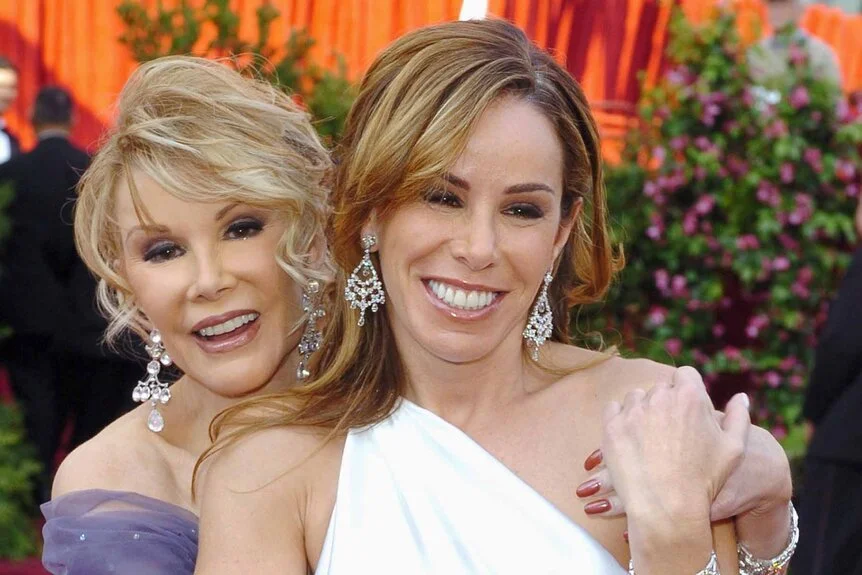
Context:
Back at the Gilmore house, Emily and Richard announce that they are going to Martha’s Vineyard after all because the previous renter died, and they were able to “snatch it up.” They casually complain about the dead man’s bad taste in furniture, treating his death more like a real estate opportunity than a loss. When Lorelai points out that at least he’s dead now, Emily suddenly tells her she’s being morbid. Lorelai, shocked that she is now the one being called morbid, responds, “Joan and Melissa Rivers here think I'm being morbid.”
Explanation:
Joan Rivers and her daughter Melissa Rivers were known for their sharp, dark, and sometimes uncomfortable humor, especially around death and tragedy. Lorelai’s joke works because Emily and Richard were already being far more morbid — talking about someone’s death as a convenient way to get a vacation house — yet the moment Lorelai says something blunt, she’s the one being called out. By calling them “Joan and Melissa Rivers,” Lorelai is pointing out the hypocrisy: they’re acting just as cold and morbid,
15. “Houdini habits.”

Context:
During Friday night dinner, Lorelai tries to steer the conversation away from death and Martha’s Vineyard by asking Rory to talk about her school project instead. Rory explains that she has to observe a chick and log everything about it, including its eating and sleeping habits. Lorelai jumps in and says the chick has, “Houdini habits.”
Explanation:
Harry Houdini was a famous magician and escape artist known for getting out of impossible situations — locked boxes, chains, cages, and anything else people could trap him in. By saying the chick has “Houdini habits,” Lorelai is joking that Stella keeps mysteriously escaping from wherever she’s supposed to be, just like Houdini slipping out of restraints.
Honorable Mentions In This Episode:
Historical Figures:
Catherine the Great, Empress of Russia - (Originally named Sophie Friedericke Augustine von Anhalt-Zerbst)
Grand Duke Peter of Holstein
Movies/Series/Tv-Shows:
The Donna Reed Show
Streetcar Named Desire
Wild Kingdom
Celebrities:
Martha Stewart
Music:
Paul McCartney
Foo Fighters
Siouxsie and the Banshees
Bon Jovi
Duran Duran
The Wallflowers
Bush
Frank Sinatra (Album: The Capital Years)
William Shatner (mostly known as an actor) (Mr. Tambourine Man & Lucy in the Sky with Diamonds)
Authors:
Cervantes
Lewis Carroll
I hope this was helpful in understanding some of the references from Gilmore girls and that we are one step closer to decoding our ultimate comfort show.
If I missed something or you have another interpretation of a reference, let me know—I’d be happy to add it!
More posts about Gilmore girls