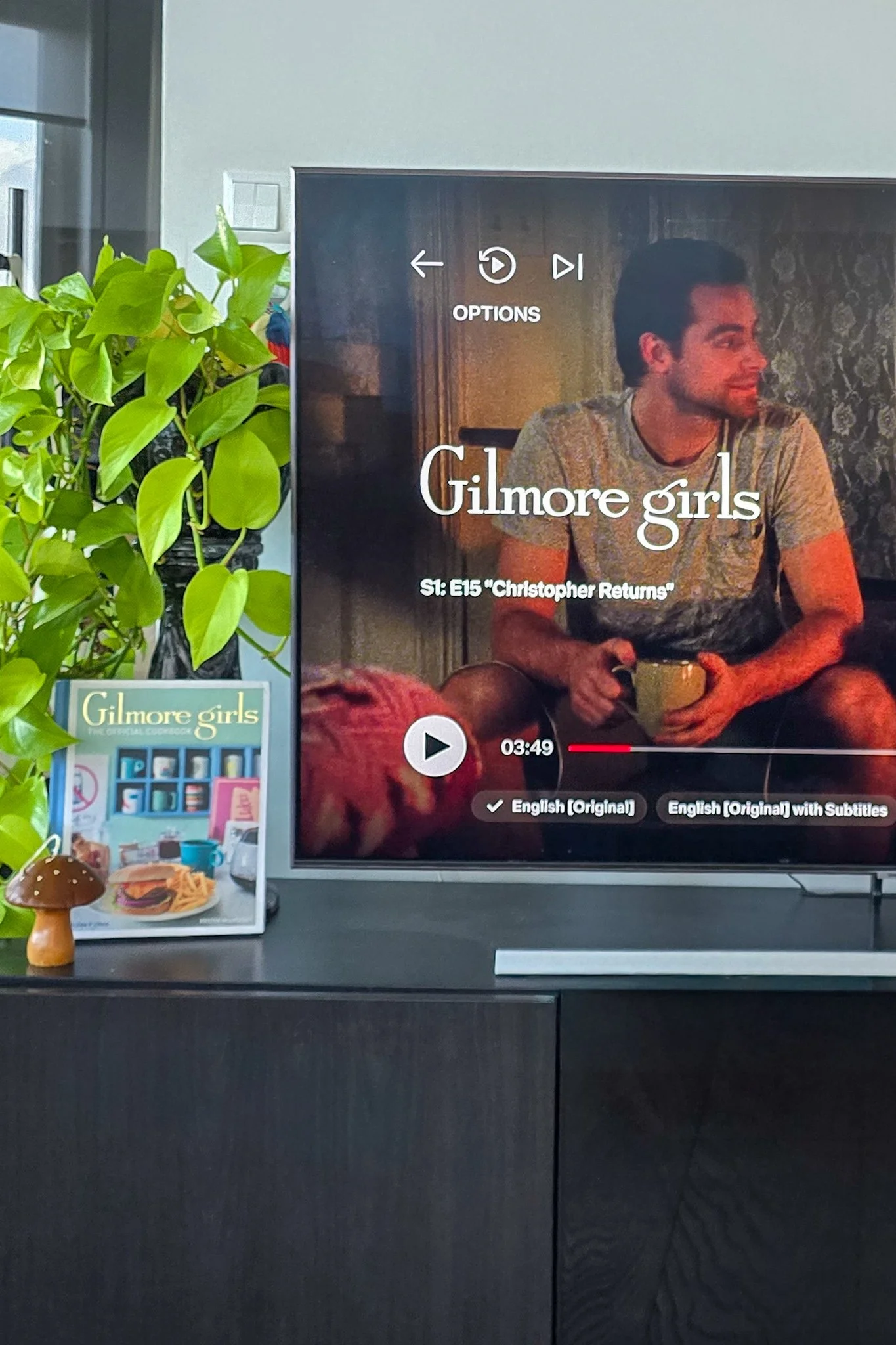
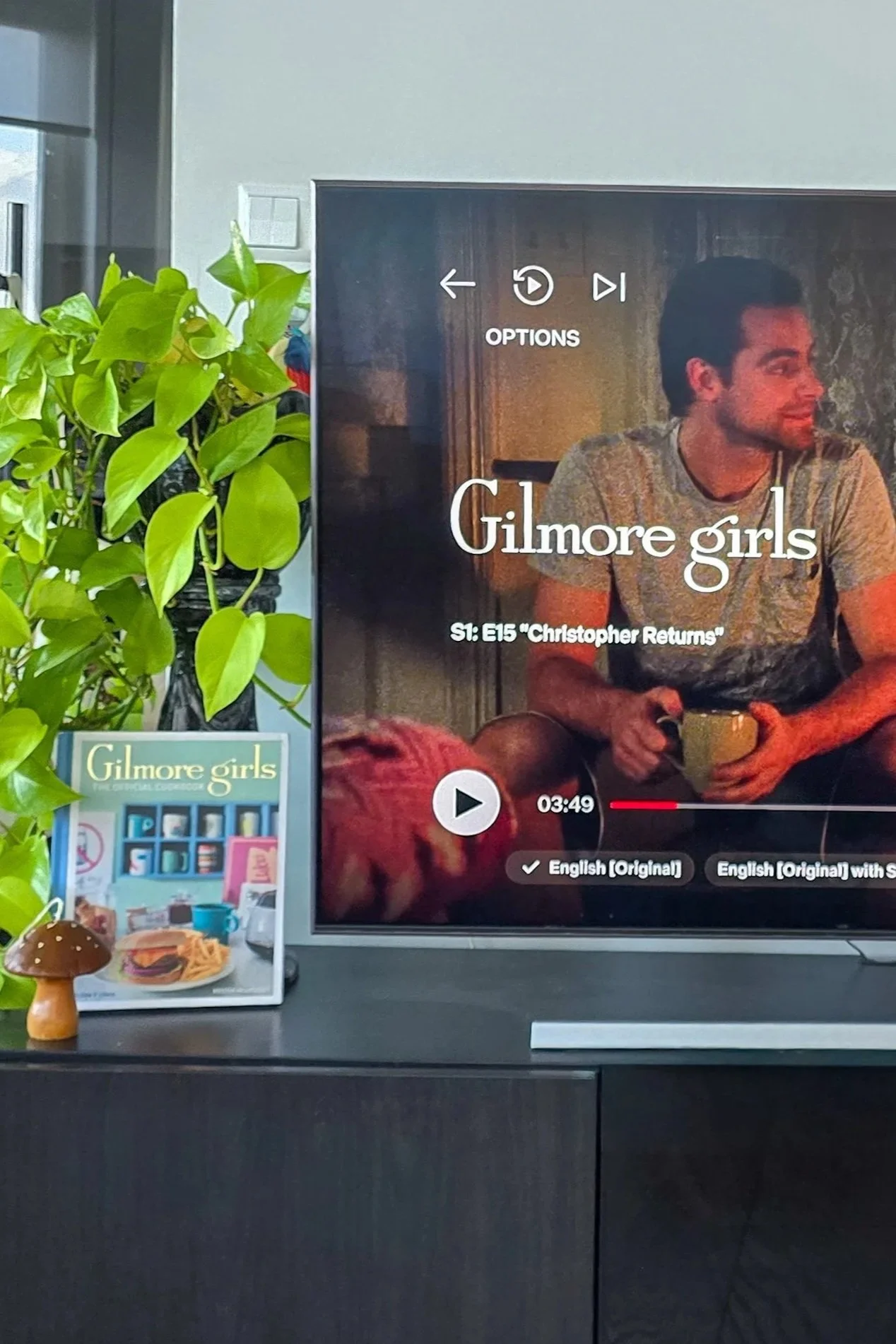
Gilmore girls: Season 1 Episode 15 References Explained
Gilmore girls is famous for its quick dialogue, witty banter, and the endless pop culture references that make every rewatch just as entertaining as the first. That’s what inspired me to start this series — breaking down every reference, episode by episode, and seeing just how many I’d missed after all these years.
Episode 15, “Christopher Returns,” is one of those episodes that quietly changes how you see everything that came before it. It picks up right where the previous episode left off, with Christopher suddenly back in Stars Hollow and Rory thrilled to finally have her dad around. On the surface, it feels light and nostalgic, but underneath that excitement is a lot of unresolved history — and the first real look at what Rory’s childhood actually looked like without him.
Very early on, Rory casually mentions that Christopher has never even been to Stars Hollow before, which says more than anyone in the room seems willing to acknowledge. Throughout the episode, Christopher moves easily through Lorelai’s world — impressing the town, and winning over Emily — with almost no one stopping to question how absent he was for most of Rory’s life. To everyone around them, he looks like the perfect fit for Lorelai. But small cracks start to show, especially when his credit card is declined while trying to buy Rory a Compact Oxford English Dictionary, quietly hinting that his life may not be as put together as he makes it seem.
Things get more uncomfortable when Emily invites Rory, Lorelai, Christopher, and Christopher’s parents to Friday night dinner. What follows is one of the most revealing scenes of the season so far, laying bare why Lorelai left home, why Christopher wasn’t there when Rory was born, and how differently the Gilmores have always seen responsibility, independence, and family. When Christopher later asks Lorelai to marry him, her refusal isn’t just about romance, but about the life she’s built for Rory, and her refusal to go backward just because the past is suddenly knocking on her door.
At the same time, Christopher’s return creates ripples everywhere, even in the smaller moments — including Lorelai forgetting her plans with Luke. It’s an episode about old patterns, unfinished business, and how easy it is to take a few steps back just when you think you’re finally moving forward.
In this series, I go through each reference I can find, explaining what it means, where it comes from, and how it fits into the story — along with a full list of the books, music, movies, and cultural mentions from the episode so you can keep track or add a few to your own watchlist.
Gilmore girls is available to stream in most countries on Netflix and Disney+, so whether you’re rewatching or discovering it for the first time, you can easily follow along with every reference.

Looking for the perfect gift this season?
Discover my Gilmore girls inspired gift guide!
Looking for another episode? You got it:
Season 1, Episode 1 “Pilot”
Season 1, Episode 2 “The Lorelais’ First Day at Chilton
Season 1, Episode 3 “Kill Me Now”
Season 1, Episode 4 “The Deer Hunters”
Season 1, Episode 5 “Cinnamon’s Wake”
Season 1, Episode 6 “Rory’s Birthday Parties”
Season 1, Episode 7 “Kiss and Tell”
Season 1, Episode 8 “Love and War and Snow”
Season 1, Episode 9 “Rory’s Dance”
Season 1, Episode 10 “Forgiveness and Stuff”
Season 1, Episode 11 “Paris is Burning”
Season 1, Episode 12 “Double Date”
Season 1, Episode 13 “Concert Interruptus”
Season 1, Episode 14 “That Damn Donna Reed”
Season 1, Episode 15 “Christopher Returns”
Season 1, Episode 16 “Star-Crossed Lovers and Other Strangers”
Season 1, Episode 17 “The Breakup: Part 2”
Season 1, Episode 18 “The Third Lorelai”
Season 1, Episode 19 “Emily in Wonderland”
Season 1, Episode 20 “P.S. I Lo…”
Season 1, Episode 21 “Love, Daisies and Troubadours”
Okay, let’s get into it! Here are all the references explained from Gilmore girls Season 1 Episode 15 “Christoper Returns”
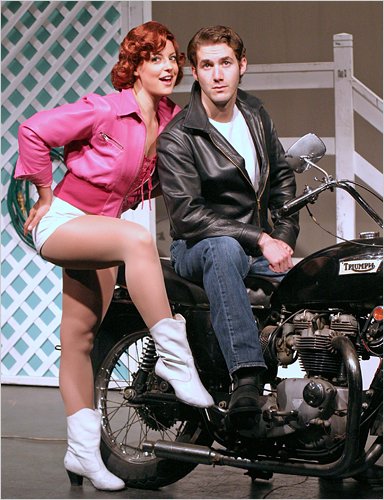
1. “And you were the girl in the Pinky Tuscadero t-shirt sitting right next to me.”
Context:
Christopher and Lorelai are talking at Lorelai and Rory’s house when Christopher insists that this time he’s different — responsible, settled, and finally getting his life together. Lorelai doesn’t believe him and reminds him that he’s also the guy who crashed his father’s Porsche just two hours after getting it for his sixteenth birthday. Christopher reframes the memory, replying: “And you were the girl in the Pinky Tuscadero t-shirt sitting right next to me.”
Explanation:
Pinky Tuscadero is a recurring character from Happy Days, known for her tough, rebellious biker-girl image. By referencing a Pinky Tuscadero t-shirt, Christopher is invoking a version of teenage Lorelai who was bold, nonconforming, and closely tied to his own reckless past. Subtly suggesting that she was right there with him, not separate from it.
Note:
Visually, the episode reinforces this idea. Christopher is wearing a leather jacket that echoes the Happy Days biker aesthetic, aligning him with Richie Cunningham, Pinky Tuscadero’s on-again, off-again boyfriend. Lorelai, meanwhile, looks nothing like that earlier version of herself anymore. Through both styling and dialogue, the episode quietly shows that Christopher hasn’t changed as much as he claims, while Lorelai clearly has.
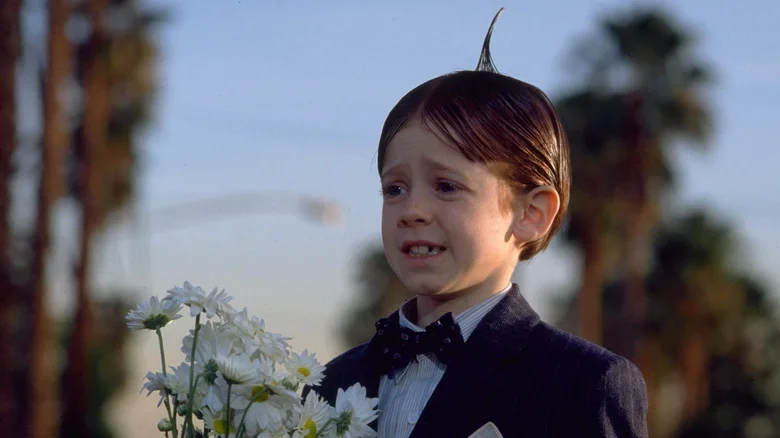
2. “I’m dumbing it down for you Alfalfa.”
Context:
Luke and Dean are playing a baseball game while Rory, Christopher, and Kirk sit in the bleachers watching. Kirk attempts to smack-talk Luke from the sidelines, but his insults aren’t landing particularly well. When Luke points out that Kirk isn’t being very clever, Kirk fires back with: “I’m dumbing it down for you, Alfalfa.”
Explanation:
Alfalfa is one of the most recognizable characters from The Little Rascals, a 1994 family comedy based on the classic Our Gang short films. In the movie, Alfalfa is played by Bug Hall and is best known for his cowlick, awkward confidence, and tendency to think he’s smarter than he actually is. Calling someone “Alfalfa” suggests they’re not exactly the sharpest person in the room.
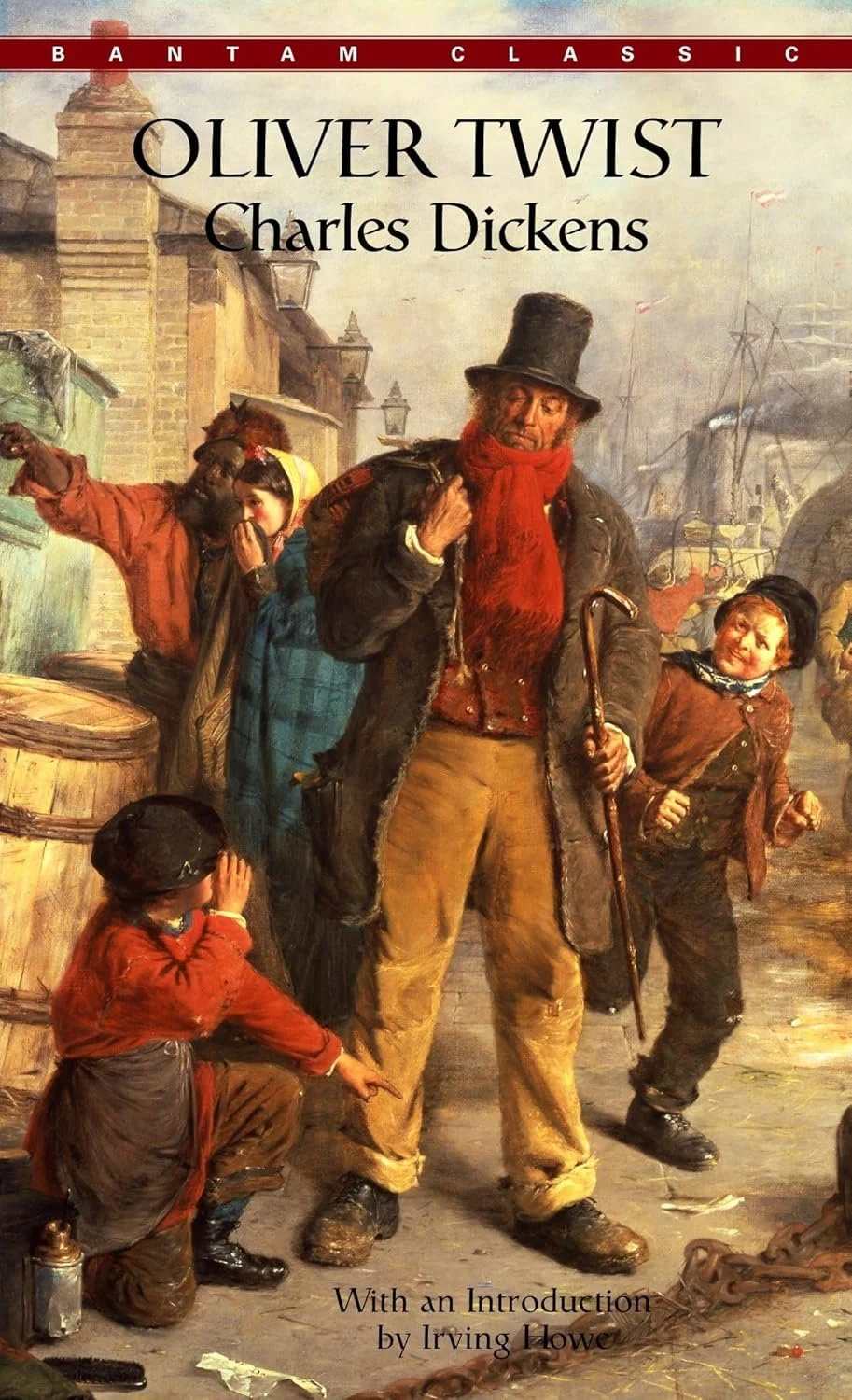
3. “I'm assuming you mean, did we get our toaster fixed and no, it's been cold Pop-Tarts for a week, it's like a damn Dicken's novel.”
Context:
Sookie and Lorelai are talking in the kitchen at the Independence Inn. Sookie is clearly fishing for details about what happened with Christopher and asks Lorelai to tell her what’s been going on at home. Lorelai deliberately takes the question literally, answering that if Sookie means the toaster, then no — it’s been broken for a week, forcing them to live off cold Pop-Tarts. Sookie immediately clarifies that she’s not asking about appliances, but about Christopher.
Explanation:
Dickens’s stories are known for their bleak depictions of poverty, hardship, and long-suffering characters, often struggling through cold homes and limited food, as in Oliver Twist. By framing a week of cold Pop-Tarts this way, Lorelai jokingly casts herself and Rory as if they’re surviving some kind of Victorian hardship. At the same time, her comment functions as a distraction. Humor becomes her way of avoiding a more emotionally loaded conversation about Christopher.
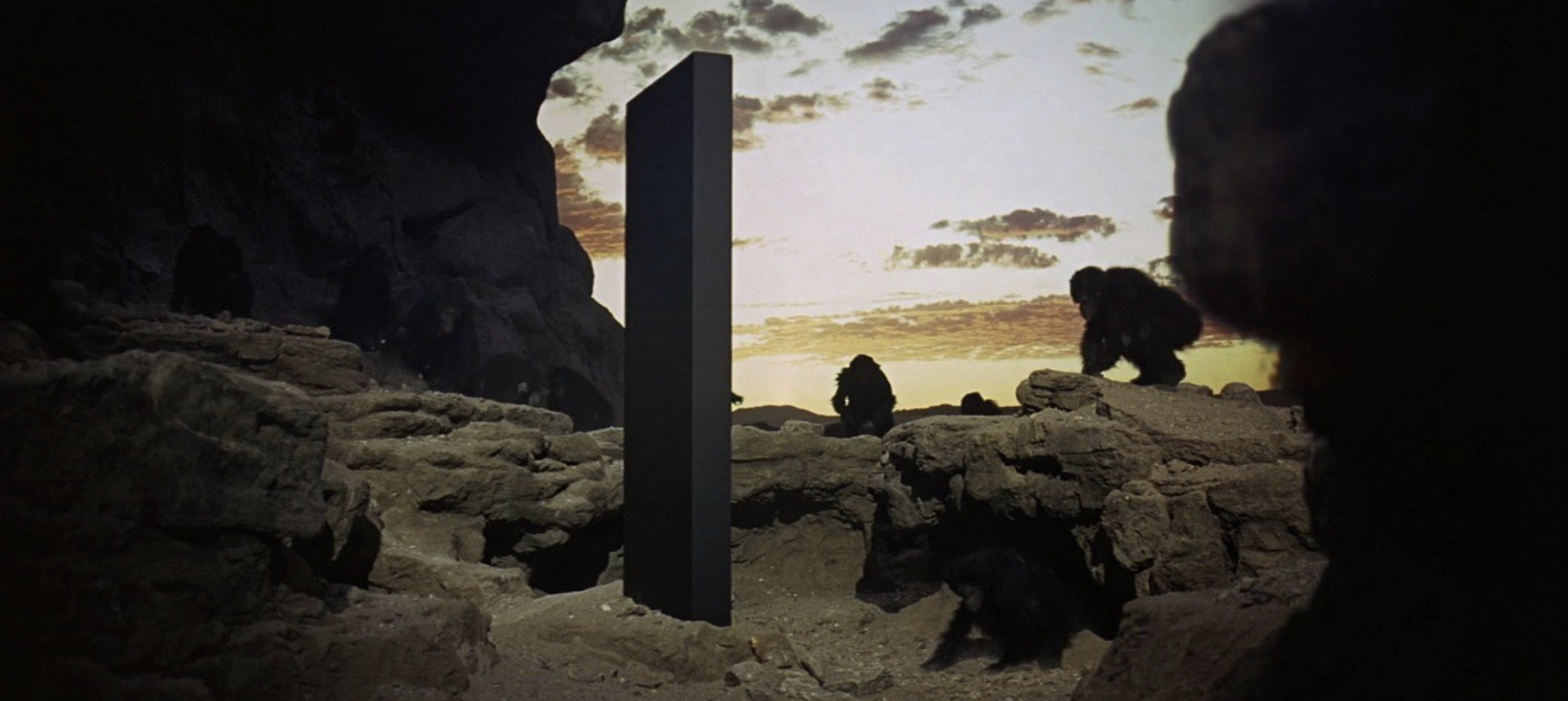
4. “Holy mother. This is the monolith from 2001.”
Context:
Rory is giving Christopher a tour of Stars Hollow when they stop by the local bookstore. Christopher tells Rory she can pick out anything she wants, and she chooses the Compact Oxford English Dictionary. Christopher asks Andrew to wrap it up, but when he actually sees the size of the book, he reacts with: “Holy mother. This is the monolith from 2001.”
Explanation:
Christopher is referencing the mysterious black monolith from 2001: A Space Odyssey, directed by Stanley Kubrick. In the movie, the monolith is an enormous, imposing object that appears almost otherworldly in size and presence. By comparing the dictionary to the monolith, Christopher is joking about how unexpectedly massive and intimidating the book looks.
Note:
What makes this moment especially interesting is the price of the dictionary. Today, the Compact Oxford English Dictionary can cost around $400, and even accounting for inflation, it would likely have been a $200–300 purchase at the time the episode aired. And while $300 is certainly a lot of money for a book, I think it matters who this is coming from — a man who once drove a Porsche at sixteen and is now claiming to be successful.
Even without that context, I think it’s fairly reasonable to expect someone presenting himself as a stable business owner to have a few hundred dollars available on his credit card, which makes the decline very telling and reinforces the episode’s larger theme: his life may not be as stable or impressive as he wants Lorelai — and Rory — to believe.
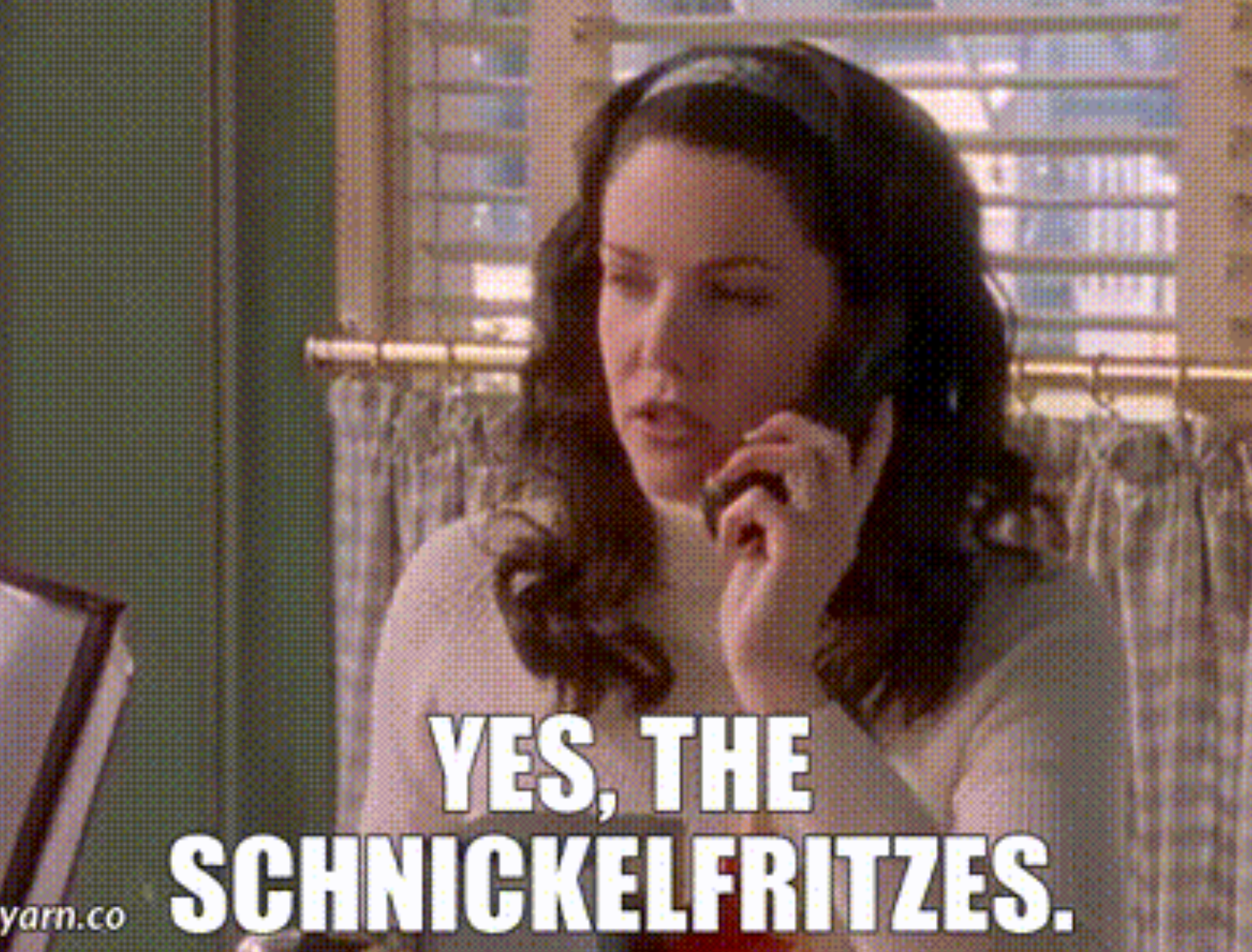
5. “Ah yes - the Schnickelfritzes.”
Context:
Christopher, Lorelai, and Rory are having breakfast at Luke’s when Lorelai receives a phone call from Emily. Emily tells her that Christopher is in town and invites all three of them to Friday night dinner — including Christopher’s parents. It’s something they haven’t done since Rory was born. When Emily asks if Lorelai remembers Christopher’s parents, Lorelai replies: “Ah yes — the Schnickelfritzes.”
Explanation:
“Schnickelfritz” is a German-derived term that typically means something like “you little rascal” and is usually used teasingly. In this context, though, Lorelai’s tone flips it into sarcasm. By turning the word into a mock surname and applying it to Christopher’s parents, she strips the moment of any warmth or respect. It’s less a term of endearment and more a dismissive shorthand, signaling how little affection she actually has for them, and how uncomfortable she is about seeing them again.
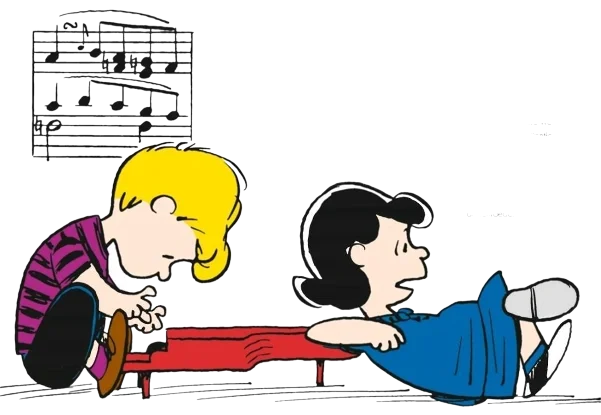
6. “Lucy, Schroeder, you laying on the coffee table.”
Context:
Before Christopher’s parents arrive at the Gilmore house, Emily, Richard, Lorelai, Christopher, and Rory are sitting in the living room reminiscing about Lorelai and Christopher’s childhood years. Emily recalls how they used to put on little productions together. Christopher adds to the memory by telling Lorelai he remembers: “Lucy, Schroeder, you laying on the coffee table.”
Explanation:
Lucy and Schroeder are characters from Peanuts, created by Charles M. Schulz. Lucy is loud, bossy, and dramatic, while Schroeder is serious, piano-obsessed, and emotionally reserved. Christopher’s comment suggests they once staged a Peanuts-inspired scene, with Lorelai fully committing to the performance.
Note:
What I find especially interesting about this comparison is how it feeds into the larger pattern we see throughout the episode. Lucy and Schroeder reinforce the idea of Christopher as the “good” child in his parents’ eyes, with Lorelai cast as the more dramatic, rebellious influence — the one who supposedly led him astray. But in Lorelai’s own stories, it’s often Christopher who got her into trouble, not the other way around. This contrast quietly undercuts the image Christopher and his parents maintain, and further supports one of the episode’s central themes: Lorelai, despite her reputation, is ultimately the more mature and grounded of the two.
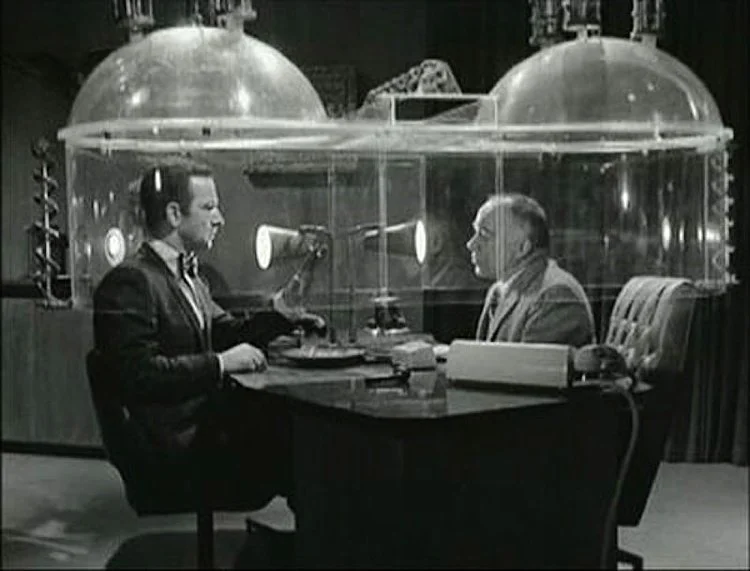
7. “Employ six individual cones of silence.”
Context:
After the evening ends abruptly — following a tense argument in which Christopher’s parents, Straub and Francine, blame Lorelai for ruining Christopher’s life — Lorelai sits on the balcony of her old bedroom. Christopher joins her and sarcastically comments on what a memorable night it’s been. Lorelai jokes that they should commemorate it with an oil painting, prompting Christopher to add: “Employ six individual cones of silence.”
Explanation:
The line refers to the Cone of Silence from Get Smart, an American comedy TV show from the 1960s. Get Smart makes fun of spy shows and follows a secret agent named Maxwell Smart. The Cone of Silence is a device that is supposed to block sound, but it never works properly. The people inside can’t hear each other, while everyone outside can hear everything.
By mentioning the Cone of Silence, Christopher jokes that the evening was so uncomfortable, it should be shut off and never talked about again.
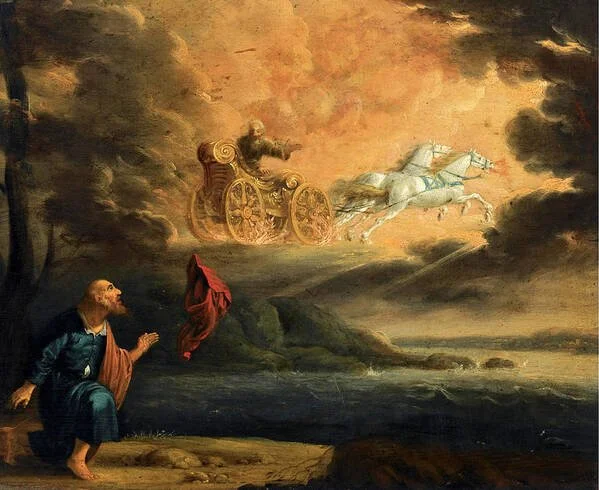
8. “The last thing being a holy saint guy riding down on a flaming chariot from heaven to announce Armageddon.”
Context:
After Christopher’s parents leave and the evening falls apart, Christopher and Lorelai sit together on the balcony and start reminiscing. One conversation leads to another, and they slip back into old patterns, ending up sleeping together. Afterwards, Lorelai reflects on the night and says that this was the second-to-last thing she expected to happen — adding that the last thing would have been “a holy saint guy riding down on a flaming chariot from heaven to announce Armageddon.”
Explanation:
Lorelai is using exaggeration to describe how unexpected the situation feels. Armageddon comes from the Book of Revelation, the final book of the Bible. The Book of Revelation describes the end of the world, filled with dramatic images like fire, destruction, and figures coming down from heaven. By comparing the moment to something as extreme as Armageddon, Lorelai shows just how unlikely and unsettling the situation feels to her.
9. “No, they were directing them at me because I screwed up their big Citizen Kane plans.”
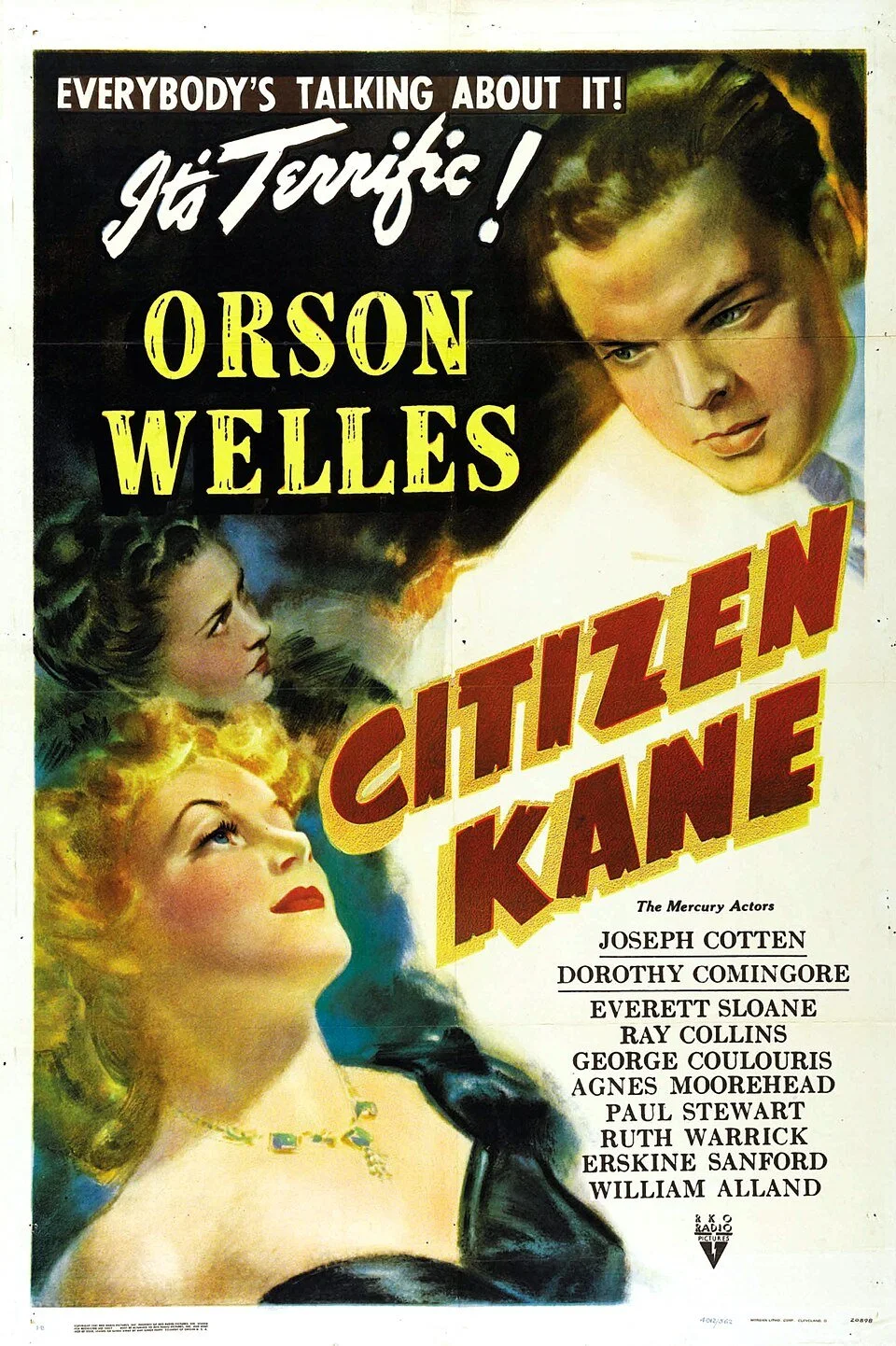
Context:
Back at Lorelai and Rory’s house, Lorelai reassures Rory that the cruel things Christopher’s parents said during dinner were not Rory’s fault. Rory insists they were angry because Lorelai had her. Lorelai immediately pushes back, saying the anger was directed at her — not because of Rory, but because she “screwed up their big Citizen Kane plans.”
Explanation:
Lorelai is referencing Citizen Kane, a 1941 movie about a powerful man whose life is shaped by ambition, legacy, and control. In this case, Lorelai is saying that Christopher’s parents had a very specific vision for his future — including him going to Princeton, just like his father and grandfather. Straub openly blames Lorelai for disrupting that plan, holding her responsible for Christopher not following the path they had mapped out for him.
Note
What I find pretty outrageous here is that Lorelai raised Rory on her own, without Christopher having to give up his education or take on real responsibility. I think that makes it wild that his parents still blame her for him not going to Princeton, reinforcing this idea of Lorelai as the “siren” who led him off an acceptable path (have you noticed yet I’m not Team Christopher?).
What bothers me most, though, is that nowhere in this conversation does Christopher stand up to his parents to defend Lorelai. Don’t get me wrong — the moment between Richard and Lorelai is genuinely meaningful — but to me, Christopher’s silence only reinforces the larger point. If he can’t even defend the mother of his child in this moment, it seriously undermines his claim that he’s now a grown-up, responsible family man.
10. “Ah, ah, another story for another time, possibly before your first trip to Mazatlán.”

Context:
Continuing their conversation at home, Lorelai reassures Rory that neither she nor her father has any regrets about having her. She jokingly adds that there is one regret Christopher might want erased — a misspelled tattoo — which immediately sparks Rory’s curiosity. When Rory asks where her dad has a misspelled tattoo, Lorelai dodges the question with: “Ah, ah, another story for another time, possibly before your first trip to Mazatlán.”
Explanation:
Mazatlán is a coastal resort city in Mexico, often associated with beach trips, spring break, and reckless vacation behavior, the kind of setting where a misspelled tattoo might happen. Lorelai’s comment works as a joking warning, suggesting this is the sort of story you hear before making impulsive choices on a trip like that. At the same time, I think it also works another way: Rory isn’t really the spring break type, which makes this Lorelai’s playful way of saying “never,” gently shutting the topic down.
11. “Because when you say no to coffee, especially in the morning, all is not right in Whoville.”
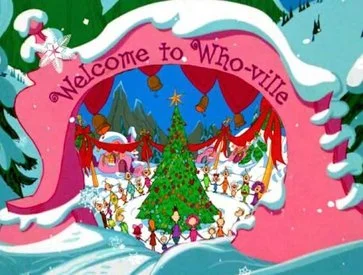
Context:
The morning after the disastrous Friday night dinner, Lorelai walks into the kitchen and finds Christopher there. He offers her coffee, something Lorelai never turns down, and she says no. Clearly alarmed, Christopher reacts with: “Because when you say no to coffee, especially in the morning, all is not right in Whoville.”
Explanation:
Whoville is a fictional town from How the Grinch Stole Christmas!, where the Whos live in a cheerful, perfectly ordered world. When something goes wrong in Whoville, it usually signals that something is seriously off. By using this reference, Christopher is saying that Lorelai's refusal of coffee is a clear sign that something is deeply wrong.
12. “Ah, last night was Chernobyl and the Hindenburg combined.”

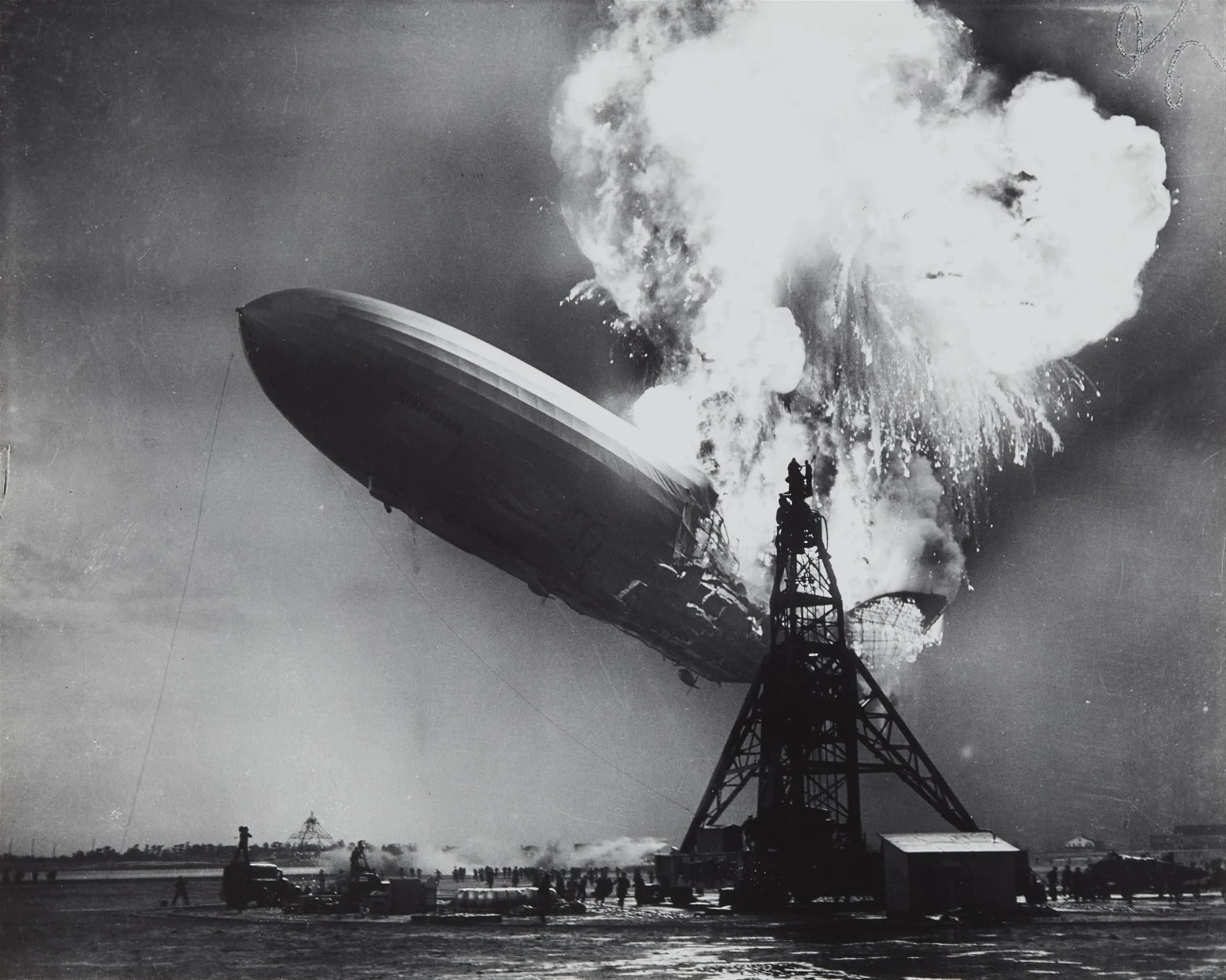
Context:
Still in the kitchen the morning after Friday night dinner, Christopher starts to bring up what happened the night before. Lorelai immediately shuts the conversation down, cutting him off with: “Ah, last night was Chernobyl and the Hindenburg combined.”
Explanation:
Lorelai is combining two well-known disasters to describe just how badly the evening went. Chernobyl refers to the 1986 nuclear meltdown, one of the worst technological disasters in history. The Hindenburg disaster refers to the airship that caught fire and crashed in 1937, becoming a symbol of sudden, public catastrophe. By pairing the two, Lorelai exaggerates the situation to make it clear that the night wasn’t just awkward or unpleasant but a complete and total disaster.
13. “My father has probably only hit another man in college wearing boxing gloves and one of those Fred Mertz golden gloves pullover sweaters.”
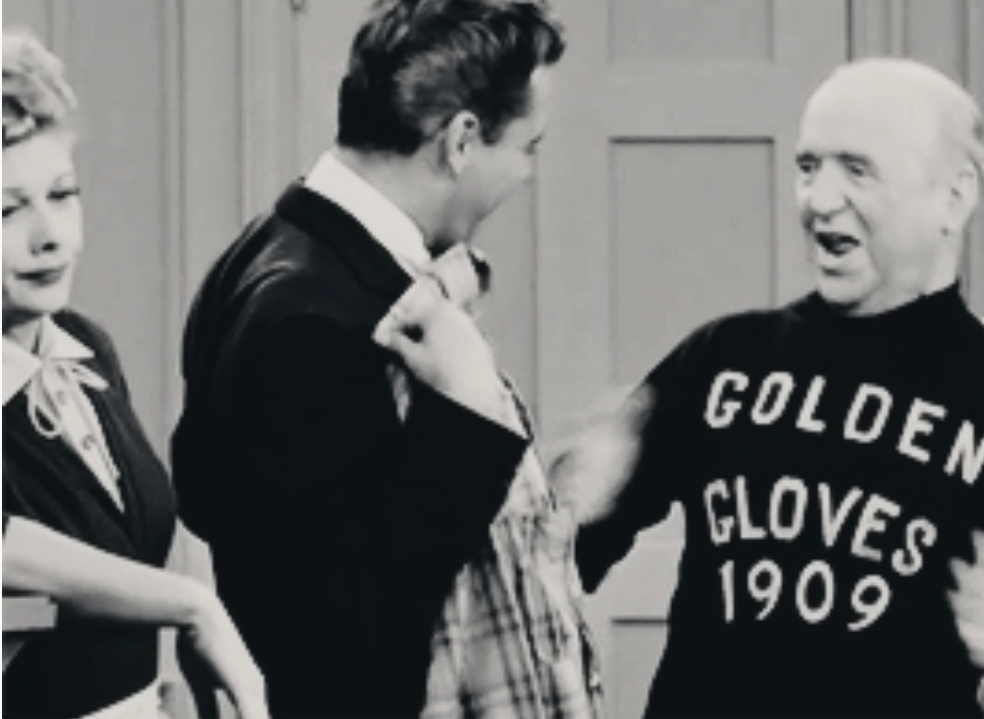
Context:
Still in the kitchen the morning after Friday night dinner, Lorelai and Christopher are talking about how badly the evening went. Lorelai explains that her father was so angry during the confrontation with Christopher’s parents that he almost became physical — something completely out of character for him. To stress just how extreme the situation was, Lorelai says, “My father has probably only hit another man in college wearing boxing gloves and one of those Fred Mertz golden gloves pullover sweaters.”
Explanation:
This line references an episode of I Love Lucy in which Fred Mertz appears wearing a sweater that reads “Golden Gloves 1909.” The Golden Gloves are an amateur boxing competition, but the joke comes from the contrast: Fred Mertz is anything but intimidating, and the sweater makes boxing feel like a novelty, something harmless rather than aggressive.
By referencing that exact image, Lorelai stacks layers of restraint and absurdity. She’s saying that the only time her father has ever hit anyone would have been in a very controlled, respectable college boxing context — and even then, filtered through the safe, goofy image of Fred Mertz in a novelty sweater. Basically, what she means by this line is: Richard Gilmore is not a violent man, which makes the fact that he almost hit Christopher’s father feel genuinely shocking.
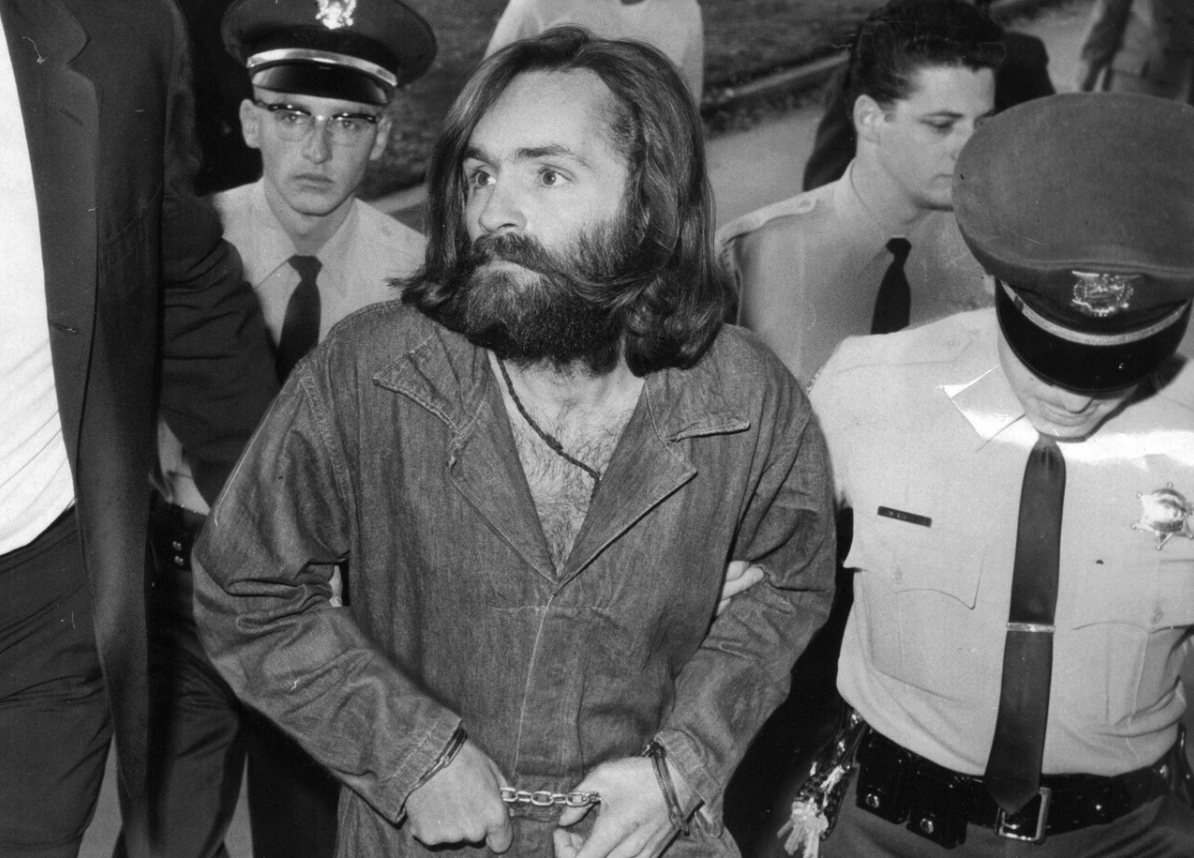
14. “You have flipped your lid. Charlie Manson is freaked out by you right now!”
Context:
Still in the kitchen, Lorelai is clearly overwhelmed by everything that happened the night before. She admits she feels like she’s messing things up — including standing Luke up for their painting appointment — and even turns down coffee, which immediately signals how off she feels. Instead of reassuring her or giving her space, Christopher suddenly tells her he wants to marry her. Lorelai is shocked by the timing and reacts with: “You have flipped your lid. Charlie Manson is freaked out by you right now!”
Explanation:
Lorelai is referencing Charles Manson, a notorious cult leader associated with extreme behavior and violence in the late 1960s. His name has become cultural shorthand for someone who is completely unhinged or detached from reality. By saying that even Charles Manson would be “freaked out,” Lorelai exaggerates just how inappropriate and alarming Christopher’s sudden marriage proposal feels to her in that moment.
15. “It meant that Jose Cuervo still has amazing magical powers.”

Context:
Still in the kitchen, Christopher keeps pushing Lorelai to explain what them sleeping together meant, especially if she doesn’t want to marry him. Lorelai shuts that line of questioning down by responding that it didn’t mean anything emotional or life-changing, just: “It meant that Jose Cuervo still has amazing magical powers.”
Explanation:
Jose Cuervo is a well-known Tequila. Lorelai suggests that alcohol — not emotion, intention, or some deeper meaning — is what led to them sleeping together. It’s her way of deflating Christopher’s attempt to turn the night into something serious or symbolic.
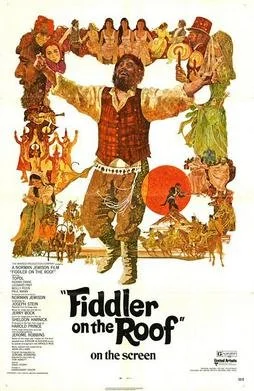
16. “Well, that's very Fiddler on the Roof of you.”
Context:
During Friday night dinner, Lorelai tries to steer the conversation away from death and Martha’s Vineyard by asking Rory to talk about her school project instead. Rory explains that she has to observe a chick and log everything about it, including its eating and sleeping habits. Lorelai jumps in and says the chick has, “Houdini habits.”
Explanation:
Fiddler on the Roof is a Broadway musical about tradition, marriage, and family expectations in a close-knit Jewish community. In Fiddler on the Roof, marriages are often treated as practical arrangements, something you commit to first and emotionally grow into later.
Fun fact:
Without spoiling anything, Fiddler on the Roof reappears later in Gilmore girls in Season 5, Episode 15, Jews and Chinese Food. In that episode, the musical isn’t just a background detail — it ties directly into the episode’s larger conversation about marriage, expectations, and what it means to commit to someone. Seen in that light, Lorelai’s reference in this episode feels especially intentional, connecting Fiddler on the Roof to the show’s ongoing exploration of marriage as tradition versus choice.
Honorable Mentions In This Episode:
Historical Figures:
President Bush
Actors:
Brad Pitt
George Clooney
Billy Crudup
Tony Randall
Movies/TV-shows:
I Love Lucy
Music:
Chuck Berry
My Ding-A-Ling (song covered by Chuck Berry)
Smoke on the Water (song by Deep Purple)
Jumping Jack Flash (song by The Rolling Stones)
Suppertime (song from the musical You’re a Good Man, Charlie Brown)
Metallica
The Offspring
Black Sabbath
Authors:
Charles Dickens
I hope this was helpful in understanding some of the references from Gilmore girls and that we are one step closer to decoding our ultimate comfort show.
If I missed something or you have another interpretation of a reference, let me know—I’d be happy to add it!
More posts about Gilmore girls