Gilmore girls: Season 1 Episode 6 References Explained
Between the fast-paced dialogue and all the pop culture references, Gilmore girls has a way of pulling you in no matter how many times you’ve watched it. That’s exactly what inspired me to start this series—going through every episode to catch all the cultural shout-outs I’ve missed after countless rewatches.
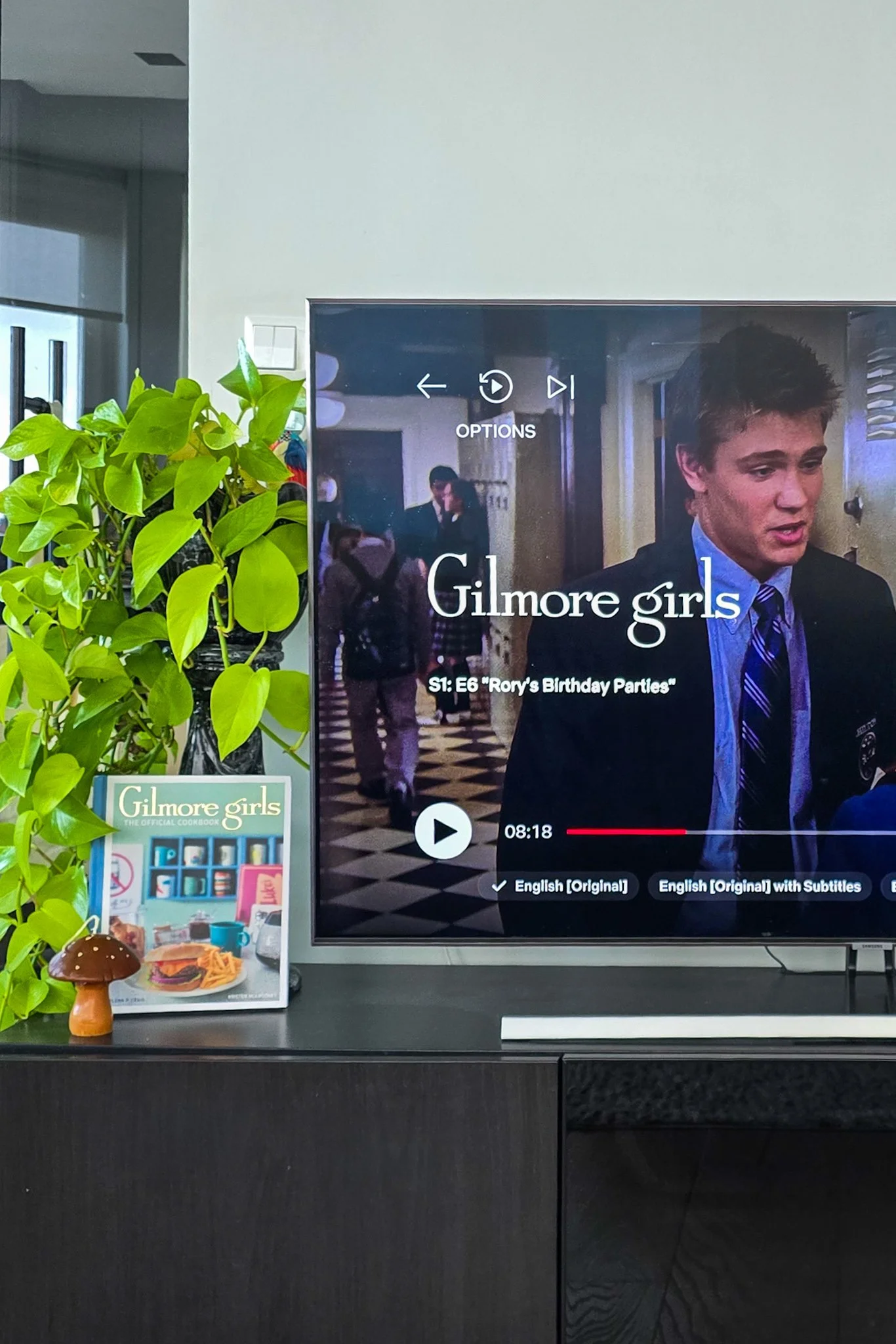
This time, we’re celebrating with Rory’s Birthday Parties—and, as you might expect, nothing about these parties goes smoothly. Emily decides to throw Rory a surprise birthday party and invites all the kids from Chilton without telling her. Unsurprisingly, Rory isn’t thrilled, and things get tense fast. But after apologizing, she invites her grandparents to her second birthday celebration at Lorelai’s house in Stars Hollow.
It’s a big turning point for the Gilmores. Emily and Richard visit Lorelai’s home for the first time and finally meet the Stars Hollow characters. This episode perfectly portrays those layered family moments that remind you just how many sides this show really has.
In this series, I go through each reference I could find, explaining what it means, where it comes from, and how it fits into the story. You’ll also find a list at the end of all the books, movies, and music mentioned so you can keep track—or add a few to your own list.
Gilmore girls is available to stream in most countries on Netflix and Disney+, so whether you’re rewatching or discovering it for the first time, you can easily follow along with every reference.
Looking for the perfect gift this season?
Discover my Gilmore girls inspired gift guide!
Looking for another episode? You got it:
Season 1, Episode 1 “Pilot”
Season 1, Episode 2 “The Lorelais’ First Day at Chilton
Season 1, Episode 3 “Kill Me Now”
Season 1, Episode 4 “The Deer Hunters”
Season 1, Episode 5 “Cinnamon’s Wake”
Season 1, Episode 6 “Rory’s Birthday Parties”
Season 1, Episode 7 “Kiss and Tell”
Season 1, Episode 8 “Love and War and Snow”
Season 1, Episode 9 “Rory’s Dance”
Season 1, Episode 10 “Forgiveness and Stuff”
Season 1, Episode 11 “Paris is Burning”
Season 1, Episode 12 “Double Date”
Season 1, Episode 13 “Concert Interruptus”
Season 1, Episode 14 “That Damn Donna Reed”
Season 1, Episode 15 “Christopher Returns”
Season 1, Episode 16 “Star-Crossed Lovers and Other Strangers”
Season 1, Episode 17 “The Breakup: Part 2”
Season 1, Episode 18 “The Third Lorelai”
Season 1, Episode 19 “Emily in Wonderland”
Season 1, Episode 20 “P.S. I Lo…”
Season 1, Episode 21 “Love, Daisies and Troubadours”
Okay, let’s get into it! Here are all the references explained from Gilmore girls Season 1 Episode 6 “Rory’s Birthday Parties”
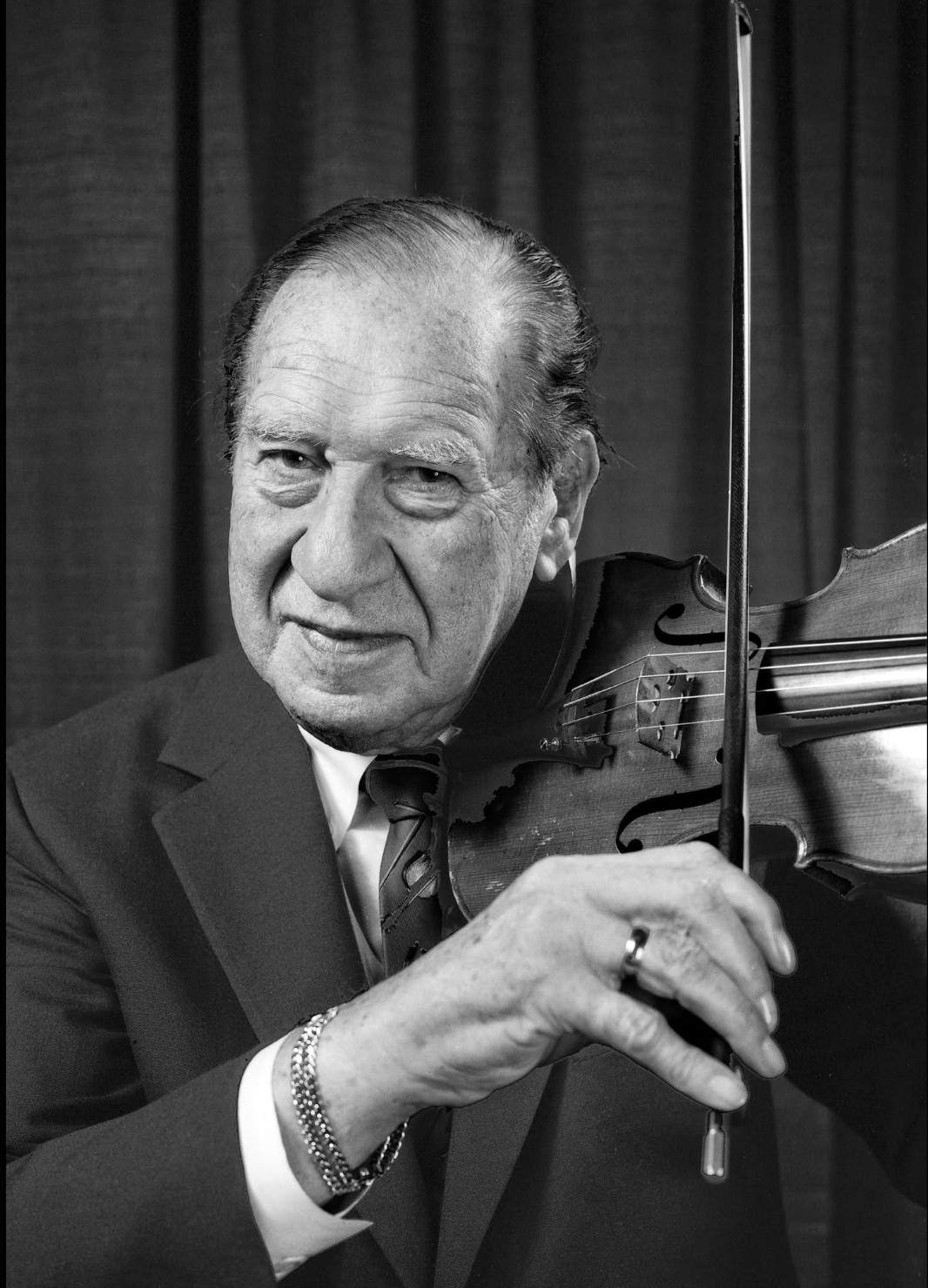
1. “My daughter, Henny Youngman..”
Context:
At Friday night dinner, Emily is telling a story about a girl Lorelai knew as a child. Lorelai jokes about the girl talking to her stuffed animals, which annoys Emily. When Lorelai keeps cracking jokes instead of being serious, Emily finally says, “My daughter, Henny Youngman.”
Explanation:
Henny Youngman was a comedian famous for his fast-paced one-liners. By calling Lorelai “Henny Youngman,” Emily is pointing out that Lorelai turns everything into a joke, even in situations where Emily wishes she’d be more serious.
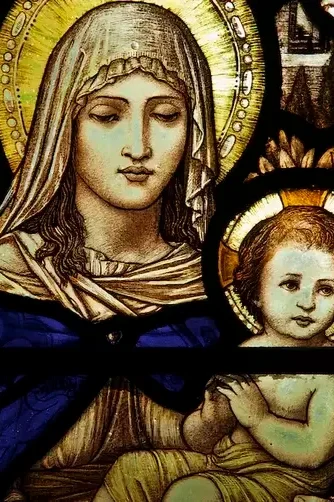
2. “I love pudding. I worship it. I've got a bowl up on the mantle at home with a glass of wine, a Virgin Mary and a dollar bill next to it.”
Context:
At Friday night dinner, the maid serves pudding for dessert. Lorelai is surprised because she knows Emily doesn’t like pudding. Emily explains that she served it because Lorelai does like it. Lorelai then says “I love pudding. I worship it. I've got a bowl up on the mantle at home with a glass of wine, a Virgin Mary and a dollar bill next to it.”
Explanation:
Lorelai compares pudding to a religious idol or shrine, something worthy of worship and offerings. The over-the-top imagery—wine, a Virgin Mary, and a dollar bill—highlights her enthusiasm for something simple like pudding.
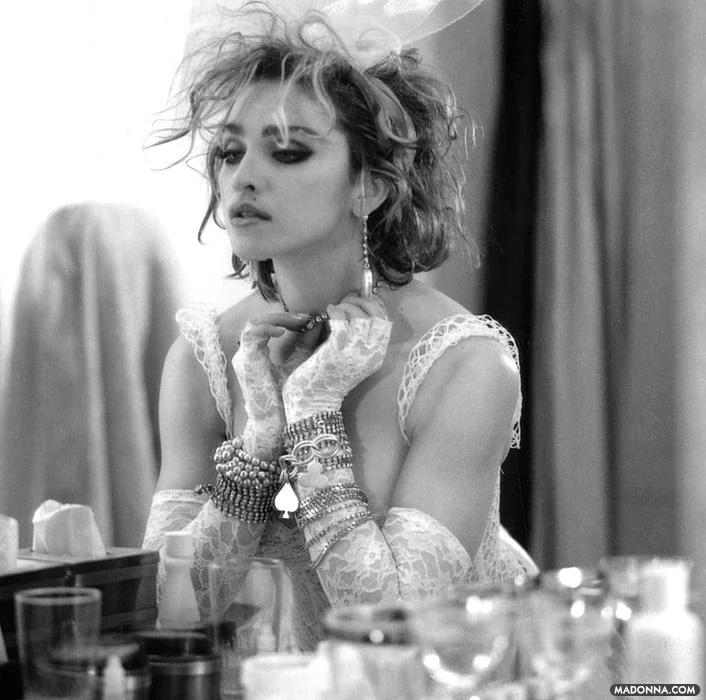
3. “I did get her to agree to make the string quartet learn "Like A Virgin."
Context:
It’s Rory’s birthday week, and Lorelai tries to negotiate with Emily to move their usual Friday night dinner to Saturday so Rory can host a party at home. Emily refuses, insisting on throwing Rory a formal birthday celebration herself. Realizing there’s no way to win, Lorelai accepts defeat. Later, when she and Rory leave, Rory asks if Emily gave in. Lorelai admits she didn’t—but jokes that she at least convinced Emily to have the string quartet at the party play Madonna’s Like A Virgin.
Explanation:
The joke is in the clash between worlds—Emily’s polished, formal party with live classical music, and Madonna’s playful, provocative pop song. Lorelai’s line isn’t literal; it’s a playful way of saying this is the furthest she could push Emily.
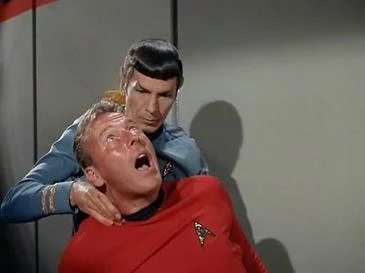
4. “She's got her Vulcan death grip on that one.”
Context:
At the Independence Inn, Lorelai is talking to Sookie about Emily refusing to move the usual Friday night dinner for Rory’s birthday party. Sookie comments, “It’s too bad you couldn’t get your mom to relinquish Friday night,” and Lorelai responds with, “Yeah. She’s got her Vulcan death grip on that one.”
Explanation:
Lorelai jokes that Emily’s hold on Friday night is unshakable, comparing it to the Vulcan Death Grips from the sci-fi series Star Trek, which is known for being impossible to break. It’s a playful way of saying Emily wouldn’t give in, no matter how hard she tried.
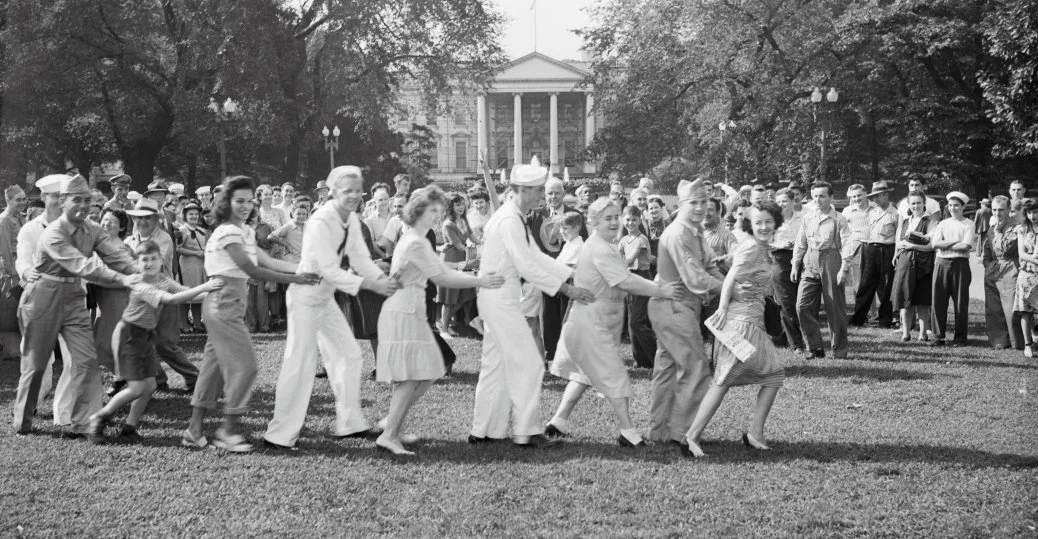
5. “This would mean that she actually made a mental note that we liked pudding, which would've meant actually listening to something other than the judgmental conga line in her head.”
Context:
Lorelai is telling Sookie about Emily serving pudding during Friday night dinner. The idea that Emily remembered they liked pudding surprises her. She says, “This would mean that she actually made a mental note that we liked pudding, which would've meant actually listening to something other than the judgmental conga line in her head.”
Explanation:
The “judgmental conga line” is Lorelai’s way of imagining Emily’s nonstop criticism. The joke is that Emily would have had to actually pay attention to remember something about them instead of just thinking critically, which, in Lorelai’s eyes, is nearly impossible.
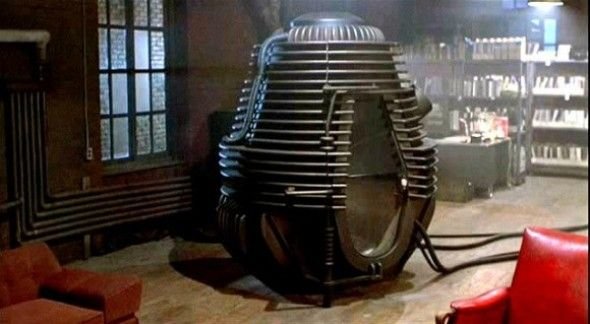
6. “You haven't built one of those machines like in "The Fly," have you?”
Context:
At the Independence Inn, Jackson shows Sookie and Lorelai his latest creation: a cross between a raspberry and a kumquat. Lorelai tastes it and jokingly asks, “You haven't built one of those machines like in The Fly, have you? I mean, are we going to find you some day wandering around with a raspberry head crying ‘eat me’?”
Explanation:
The line references the 1986 sci-fi horror film The Fly, in which a scientist accidentally merges his DNA with a fly and slowly transforms into a human-fly hybrid.
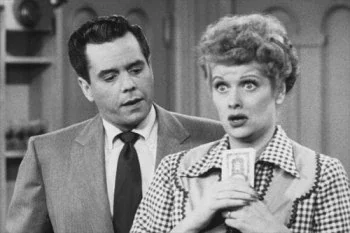
7. “Lucy, I’m home!”
Context:
Lorelai walks into their home and announces her arrival with, “Lucy, I’m home!”
Explanation:
This references I Love Lucy, the classic 1950s sitcom. In the show, Ricky Ricardo, Lucy’s husband, famously says this line when he comes home.
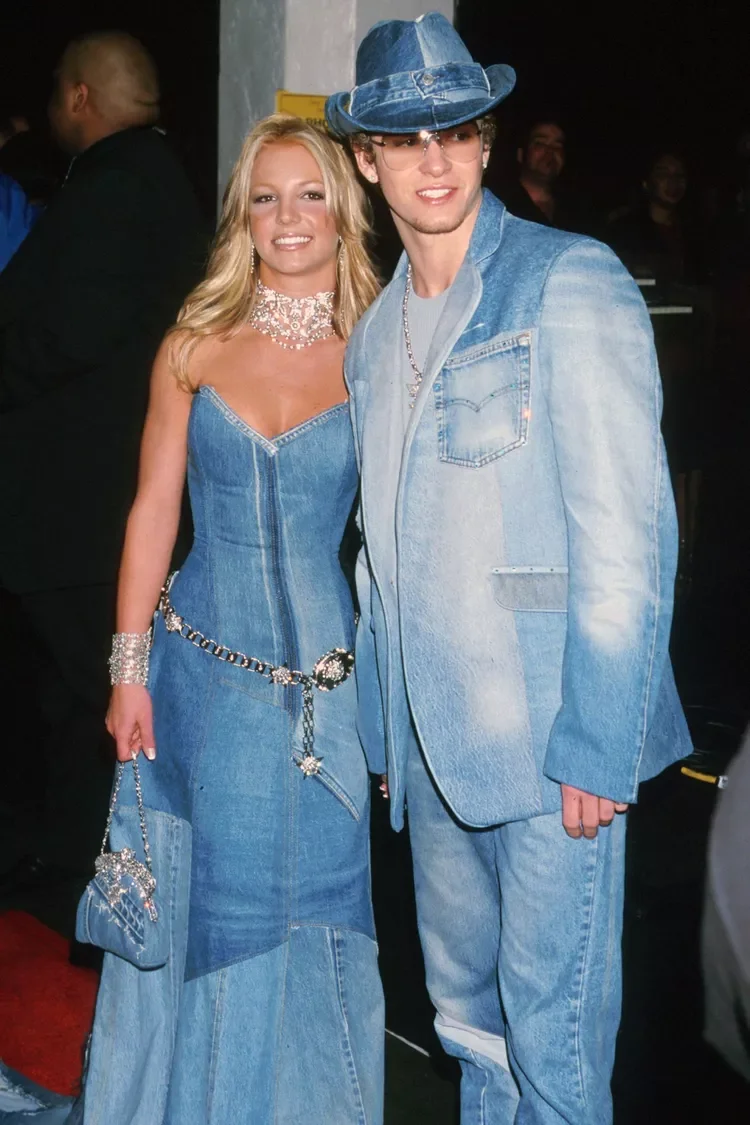
8. “And Justin is so dreeeamy. Hе just can't marry Britney. I'll just cry and cry and cry.”
Context:
Right after saying “Lucy, I’m home!”, Lorelai notices Rory on the phone and teases her by mimicking a dramatic reaction: “And Justin is so dreeeamy. He just can't marry Britney. I'll just cry and cry and cry.”
Explanation:
This is a playful nod to early 2000s teen pop culture, referencing Britney Spears’ highly publicized relationships with Justin Timberlake at the time. Lorelai exaggerates Rory’s supposed teenage drama in a joking way, poking fun at both celebrity gossip and the intensity of teen crushes.
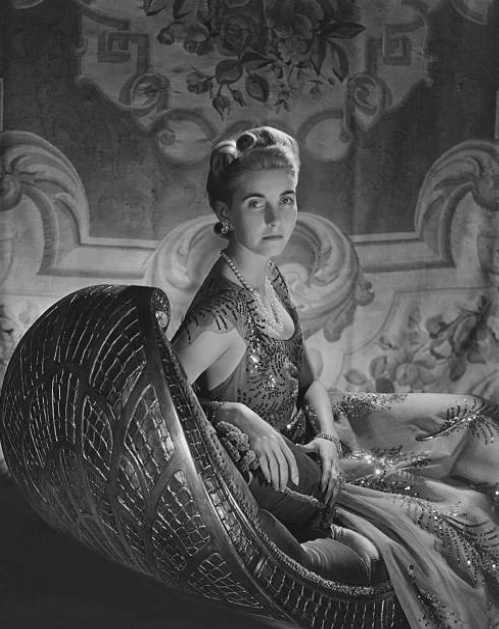
9. “No.I'm shopping for Rory. You're shopping for your imaginary granddaughter, Barbara Hutton.”
Context:
Emily calls Lorelai to go shopping for Rory’s birthday present. At the store, Emily chooses items that Rory would never actually like. Lorelai points this out, saying, “No. I'm shopping for Rory. You're shopping for your imaginary granddaughter, Barbara Hutton.”
Explanation:
Barbara Hutton was a famous mid-20th-century American socialite and heiress, known for her immense wealth and extravagant lifestyle. Lorelai’s line implies that Emily is picking overly fancy, impractical gifts, as if Rory were a rich heiress rather than a normal teenager.
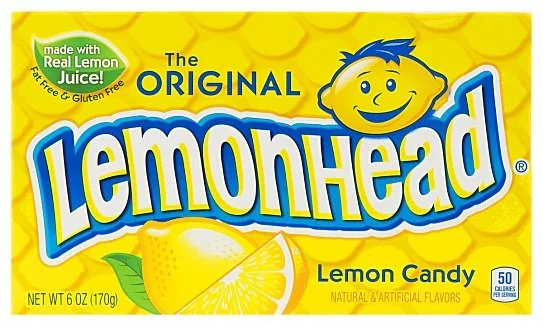
10. “Okay, come on. Tell me why Miss Lemonhead today?”
Context:
Rory seems a little down while at Luke’s, so Lorelai teases her to cheer her up, saying, “Okay, come on. Tell me why Miss Lemonhead today?”
Explanation:
“Lemonhead” is a type of candy that’s notably sour. Lorelai uses it as a nickname for Rory, joking about her slightly sour or moody mood.
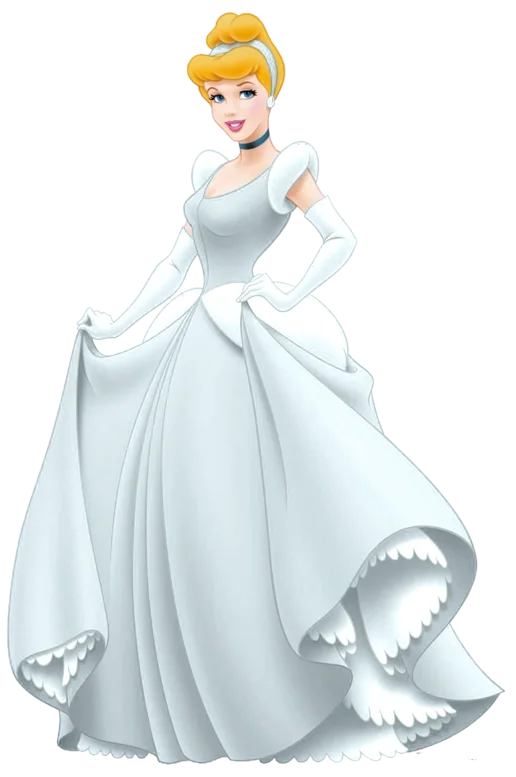
11. “Let me see. Maybe we should really embrace the whole tulle thing. Go totally modern Cinderella. What do you think? It’s your birthday.”
Context:
After teasing Rory with the “Miss Lemonhead” line, Lorelai talks about the dresses Emily bought for Rory’s birthday party. She suggests, “Let me see. Maybe we should really embrace the whole tulle thing. Go totally modern Cinderella. What do you think? It’s your birthday.”
Explanation:
“Tulle” is the lightweight, net-like fabric often used in fancy dresses. Cinderella is a classic fairy tale character known for her magical transformation into a princess at the ball. By referencing a “modern Cinderella,” Lorelai suggests that they lean into the fancy, whimsical style of the dresses while giving them a contemporary twist.
12. “You go into Denny's before five you've got yourself a discount.”

Context:
On the night of Rory’s birthday, Lorelai climbs into bed with her and they chat about life. When Rory asks, “So, do I look older?” Lorelai replies, “You do—and you go into Denny’s before five, you’ve got yourself a discount.”
Explanation:
Lorelai jokingly compares Rory to a “senior citizen” discount, which you often get at restaurants like Denny’s when you’re older. It’s a playful way of saying Rory is growing up,
13. “I wonder if the Waltons ever did this.”
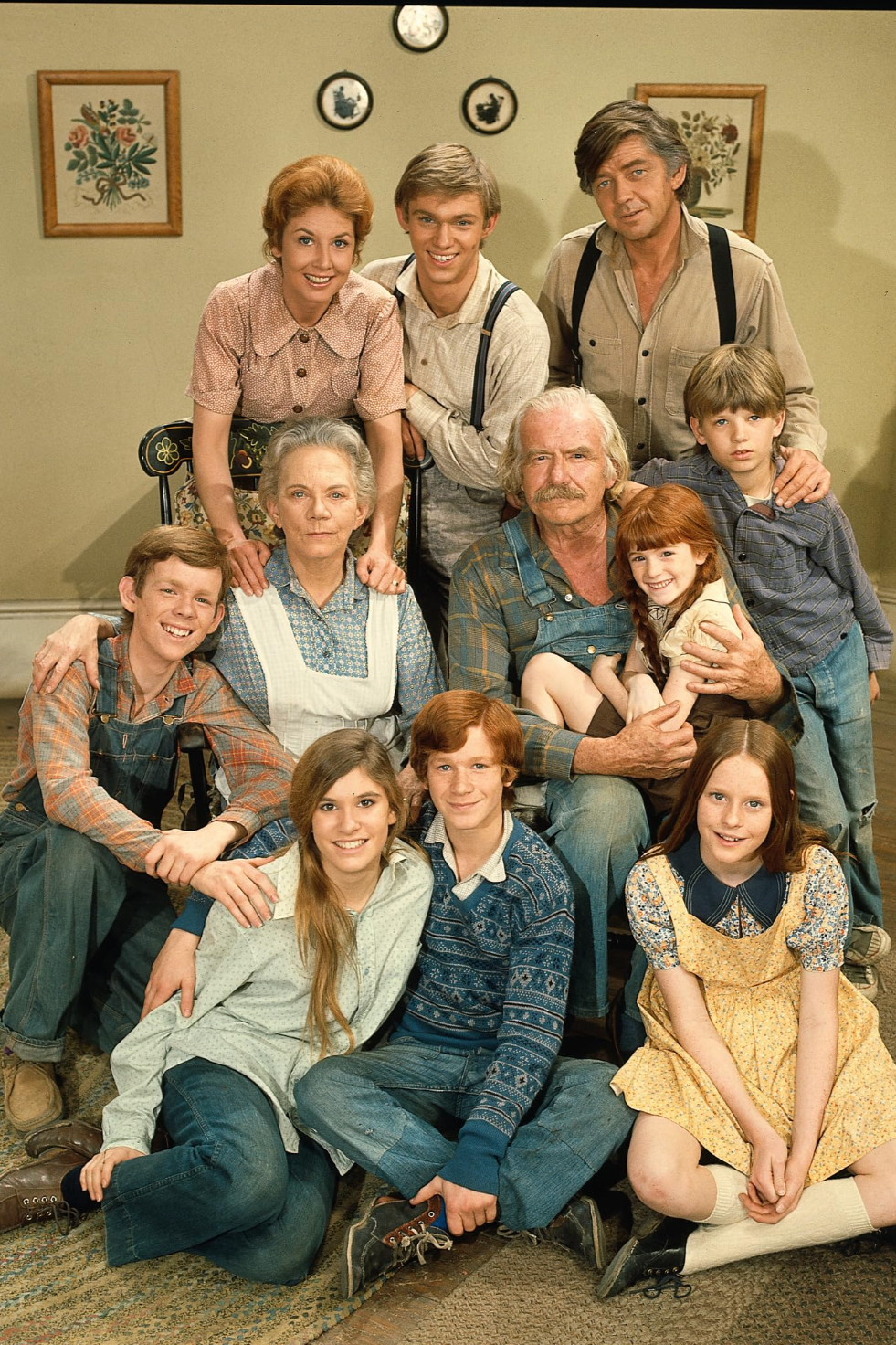
Context:
Still in Rory’s bed on the night of her birthday, Lorelai and Rory are talking about life and their mother-daughter relationship. Lorelai is sharing the story of her labor, and Rory says, “I wonder if the Waltons ever did this.”
Explanation:
The Waltons were the family at the center of the 1970s TV show The Waltons, known for their wholesome, idealized family life. Rory’s line playfully compares her own family experience to the squeaky-clean, scripted lives of the Waltons, highlighting the humor and chaos of her own upbringing in contrast.
14. “I think Edith Wharton would've been proud. And busy taking notes.”
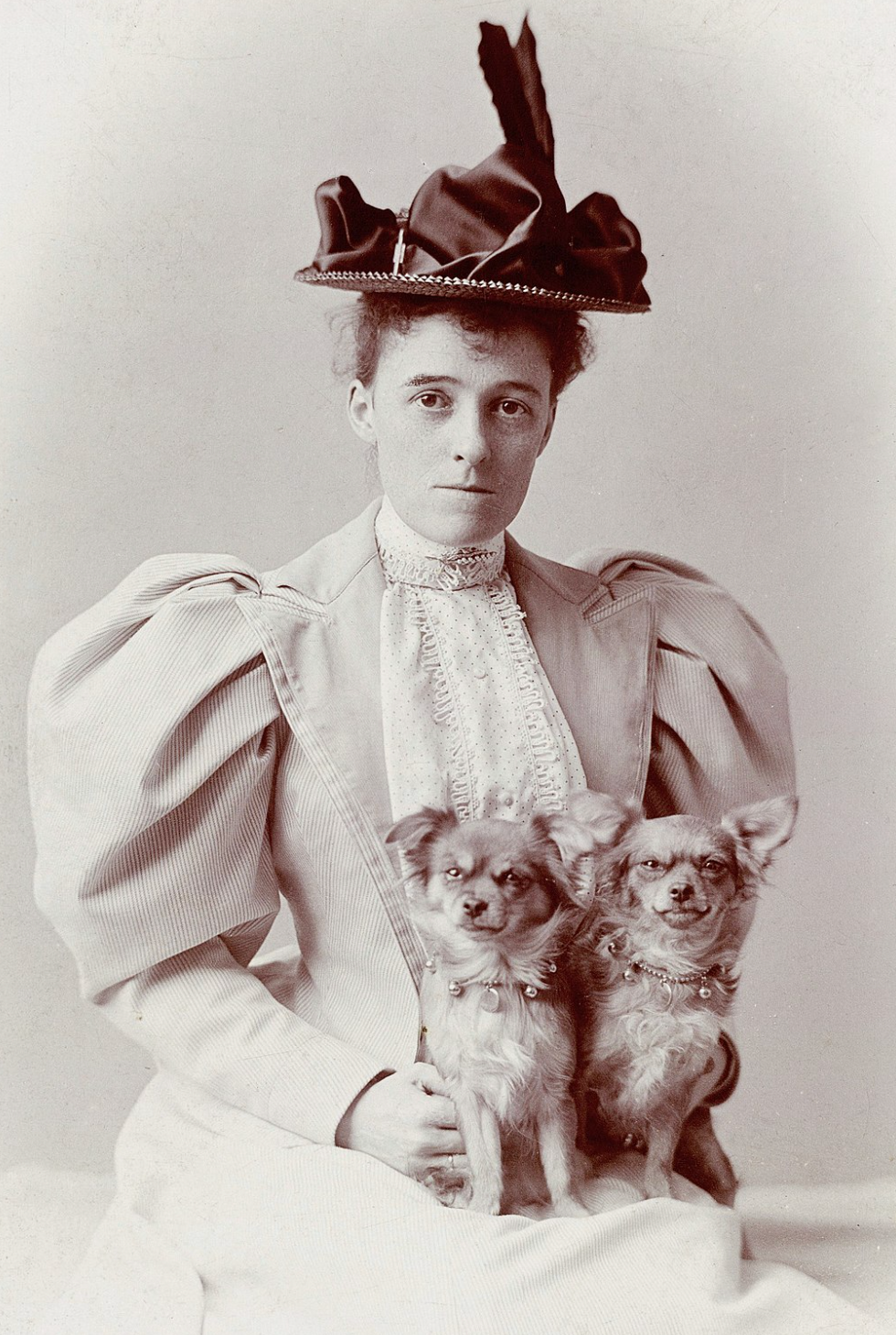
Context:
Rory and Lorelai arrive at Rory’s birthday party, and Emily is fussing over the setup. Lorelai comments, “You really went all out, didn’t you?” Emily says she wanted everything perfect. Lorelai replies, “I think Edith Wharton would've been proud. And busy taking notes,” while handing Rory her dress bag.
Explanation:
Edith Wharton was an early 20th-century American author known for writing about high-society life, manners, and etiquette. Lorelai’s line is a nod to Wharton’s attention to societal detail, joking that Emily’s over-the-top planning is so meticulous that Wharton herself would approve.
15. “I got your good ship lollipop right here, mister.”
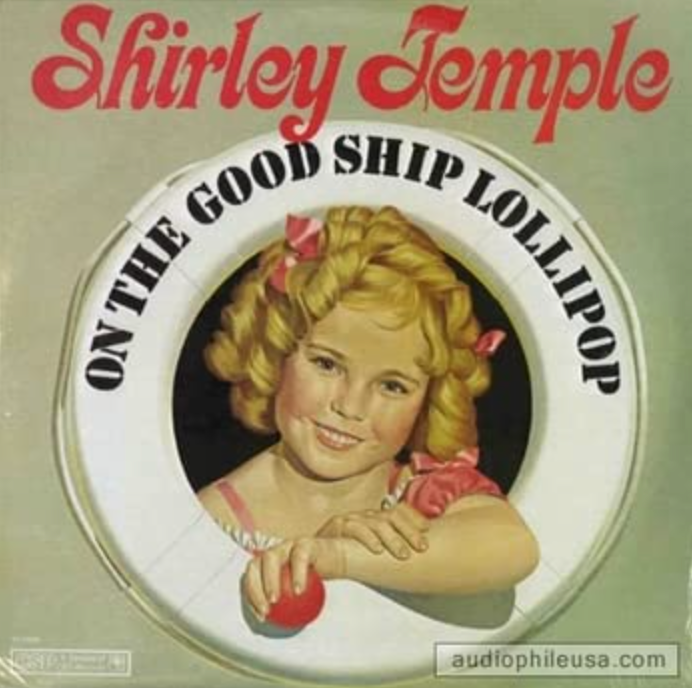
Context:
At Rory’s birthday party, Rory asks Lorelai what she’s drinking. Lorelai replies that she’s having a “Shirley Temple Black” and then playfully adds, “I got your Good Ship Lollipop right here, mister,” while handing Rory her Shirley Temple.
Explanation:
A Shirley Temple is a famous non-alcoholic cocktail (mocktail) named after the child star. A Shirley Temple Black is an adult twist on the classic, made with ginger ale, a splash of grenadine, and a bit of dark rum or bourbon. “Good Ship Lollipop” is a classic 1934 song Shirley Temple sang in her films. Lorelai’s line is a nod to the classic song while connecting it to their Shirley Temple drinks.
16. “That was a pretty Freaky Friday moment we had back there.”
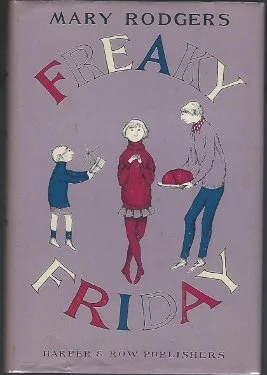
Context:
At Rory’s birthday party, Rory gets upset because Emily invited all the Chilton kids without consulting her. Rory insists she’s not the hostess and refuses to address the guests, then storms off. Lorelai finds her in her old room and comments, “That was a pretty Freaky Friday moment we had back there.”
Explanation:
Lorelai’s line points out that Rory’s reaction to Emily—getting mad and frustrated at her—is more like something Lorelai herself would do, highlighting a role reversal between mother and daughter in how they normally interact with Emily. Freaky Friday is a story about a mother and daughter swapping bodies. It was originally a 1976 novel, and later adapted into several movies. Today, it’s mostly known as the 2003 film with Jamie Lee Curtis and Lindsay Lohan (which recently even got a sequel, Freakier Friday). However, when this episode aired in 2000, that movie hadn’t been made yet,
Honorable Mentions In This Episode:
Religious Figures:
Pope
Music:
Barbra Streisand
Elvis
Jim Morrison
I hope this was helpful in understanding some of the references from Gilmore girls and that we are one step closer to decoding our ultimate comfort show.
If I missed something or you have another interpretation of a reference, let me know—I’d be happy to add it!
More posts about Gilmore girls
← All Gilmore Girls