Gilmore girls: Season 1 Episode 17 References Explained
Gilmore girls is famous for its quick dialogue, witty banter, and the endless pop culture references that make every rewatch just as entertaining as the first. That’s what inspired me to start this series: breaking down every reference, episode by episode, and seeing just how many I’d missed after all these years.
Episode 17, “The Breakup: Part 2,” deals with the aftermath of Rory and Dean’s breakup, and it’s one of those episodes where the emotional tone sneaks up on you. We pick up right where things left off, but instead of big dramatic speeches, the focus is on what comes after: denial, distraction, and the strange ways people try to avoid feeling sad.
What I really like about this episode is how clearly it parallels Rory and Lorelai. Lorelai tells Rory that she needs to wallow, to give herself a day to be miserable and let it out. But as the episode goes on, it becomes obvious that Lorelai hasn’t exactly mastered that skill either. Rory insists she’s completely fine and throws herself into doing anything that might keep her mind off Dean, while Lorelai finds herself pulled back toward Max, almost as a distraction of her own.
What really connects everything in this episode is emotional avoidance. Everyone is dealing with relationships in their own way, but almost no one is facing things head-on. Rory keeps insisting she’s fine and fills her day with distractions so she doesn’t have to sit with what happened. Lorelai tells Rory to wallow, but she’s avoiding her own feelings too, slipping back into Max’s orbit instead of slowing down long enough to reflect.
Even Tristin, who was so smug about being “young and in love” just one episode ago, suddenly isn’t so carefree. He’s clearly not happy with Summer, but instead of addressing it directly, he deflects in his usual way. And while Luke and Rachel seem steady on the surface, there’s a quieter kind of avoidance there as well. Luke knows Rachel will probably leave again, but they’re both pretending that conversation doesn’t need to happen yet.
Because of all this, the episode is packed with pop-culture references. Rory’s breakup coping strategy is basically distraction, while Lorelai keeps trying to push her toward the classic “crying movie” version of heartbreak, whether Rory wants it or not.
In this series, I go through each reference I can find, explaining what it means, where it comes from, and how it fits into the story, along with a full list of the books, music, movies, and cultural mentions from the episode so you can keep track as you rewatch.
Gilmore girls is available to stream in most countries on Netflix and Disney+, so whether you’re rewatching or discovering it for the first time, you can easily follow along with every reference.

Looking for the perfect gift this season?
Discover my Gilmore girls inspired gift guide!
Looking for another episode? You got it:
Season 1, Episode 1 “Pilot”
Season 1, Episode 2 “The Lorelais’ First Day at Chilton
Season 1, Episode 3 “Kill Me Now”
Season 1, Episode 4 “The Deer Hunters”
Season 1, Episode 5 “Cinnamon’s Wake”
Season 1, Episode 6 “Rory’s Birthday Parties”
Season 1, Episode 7 “Kiss and Tell”
Season 1, Episode 8 “Love and War and Snow”
Season 1, Episode 9 “Rory’s Dance”
Season 1, Episode 10 “Forgiveness and Stuff”
Season 1, Episode 11 “Paris is Burning”
Season 1, Episode 12 “Double Date”
Season 1, Episode 13 “Concert Interruptus”
Season 1, Episode 14 “That Damn Donna Reed”
Season 1, Episode 15 “Christopher Returns”
Season 1, Episode 16 “Star-Crossed Lovers and Other Strangers”
Season 1, Episode 17 “The Breakup: Part 2”
Season 1, Episode 18 “The Third Lorelai”
Season 1, Episode 19 “Emily in Wonderland”
Season 1, Episode 20 “P.S. I Lo…”
Season 1, Episode 21 “Love, Daisies and Troubadours”
Okay, let’s get into it! Here are all the references explained from Gilmore girls Season 1 Episode 17 “The Breakup: Part 2”
1. “Because I have read every Nancy Drew mystery ever written. The one about the Amish country, twice. I know there's more to the story than what you're telling me.”

Context:
Rory comes home after Dean breaks up with her at the end of their three-month anniversary date. She tells Lorelai that he “just broke up with her,” but it’s obvious she’s leaving out part of what happened. Lorelai can tell there’s more to the story, even though Rory doesn’t want to talk about it. When Rory asks how Lorelai knows, Lorelai replies: “Because I have read every Nancy Drew mystery ever written. The one about the Amish country, twice. I know there's more to the story than what you're telling me.”
Explanation:
Lorelai is referencing Nancy Drew, the long-running detective book series that began in 1930, featuring teenage sleuth Nancy Drew solving mysteries with sharp instincts and attention to detail. By comparing herself to Nancy Drew, Lorelai jokingly frames the breakup like a mystery Rory is trying to cover up.
Her mention of rereading a case “about the Amish country” adds an extra layer. Amish country often carries associations of simplicity, innocence, and old-fashioned wholesomeness, which fits Rory and Dean’s young relationship.
Fun fact:
Nancy Drew was also adapted into a movie in 2007, starring Emma Roberts as the teen detective.
2. “Hey, it sleeps with the fishes.”
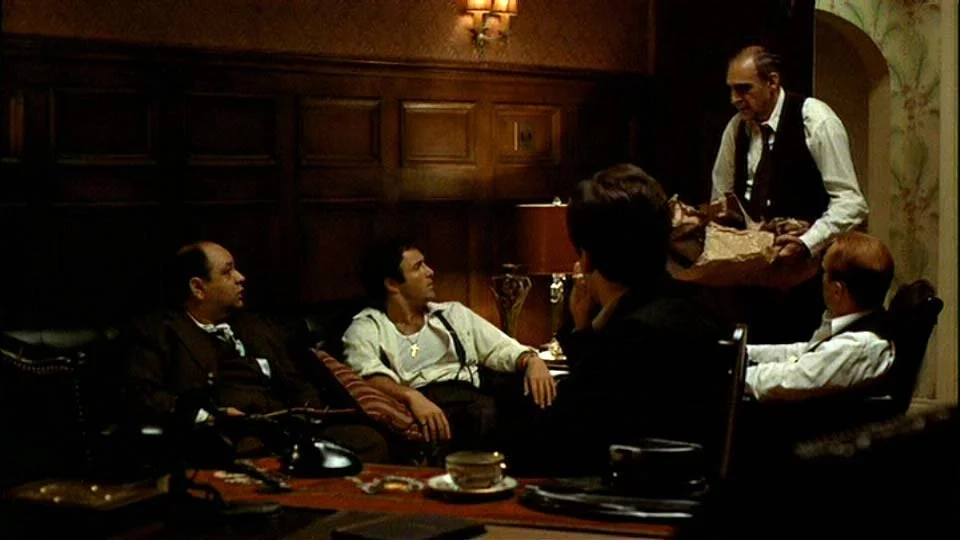
Context:
After the breakup, Rory goes to her room and starts gathering everything that reminds her of Dean — gifts, clothes he liked, anything connected to the relationship. She fills an entire box and tells Lorelai to throw it in a dumpster. Lorelai gently points out that Rory might want some of these things someday. Rory agrees, but insists it needs to be far away from the house. Lorelai replies: “Hey, it sleeps with the fishes.”
Explanation:
Lorelai is referencing a famous line from The Godfather, released in 1972, where “sleeping with the fishes” is Mafia slang meaning someone has been taken care of permanently and disposed of. Lorelai uses the phrase to treat Rory’s box of Dean memories like something that needs to be eliminated and buried forever.
3. “The kind of girl that watches Ishtar?”

Context:
Lorelai is trying hard to convince Rory that she needs to wallow after the breakup. Rory insists she’s fine and doesn’t want to fall apart. Lorelai suggests a full breakup recovery day with pizza, pajamas, and sad movies, listing titles like Love Story, The Champ, An Affair to Remember, and even Ishtar. Rory protests that she doesn’t want to be “that kind of girl,” and Lorelai replies: “The kind of girl that watches Ishtar?”
Explanation:
Lorelai is referencing the 1987 movie Ishtar, which was a major critical and commercial flop. The joke is that the other films Lorelai lists — Love Story, The Champ, and An Affair to Remember — are famous emotional tearjerkers, perfect for a breakup wallow. But Ishtar doesn’t belong in that category at all, which makes it stick out as a deliberate joke, and more of an attempt to lighten the mood and cheer Rory up.
4. “So should we rent Old Yeller too or is that just a guy's crying movie.”
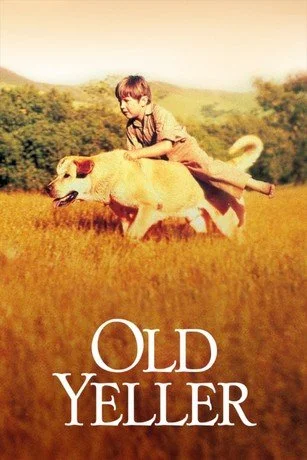
Context:
Still in the kitchen, Rory explains to Lorelai why she doesn’t feel the need to wallow. She insists she wants to stay focused on Harvard and doesn’t understand why she let herself get distracted by having a boyfriend in the first place. Lorelai can tell Rory is overcorrecting and avoiding her feelings, so she continues joking about their breakup movie marathon and adds: “So should we rent Old Yeller too or is that just a guy’s crying movie?”
Explanation:
Lorelai is referencing Old Yeller, a 1957 Disney movie that is famously emotional and about a boy and his beloved dog. The movie is well known for making audiences cry, often cited as one of the ultimate tearjerkers.
By bringing it up, Lorelai keeps leaning into the idea of dramatic “crying movies,” but she also adds humor by calling it a “guy’s crying movie,” poking fun at stereotypes about what kinds of stories are socially acceptable for men to cry over.
5. “Ha! Jumpback! Kevin Bacon, Footloose, reaction to the no dancing in town rule is revealed to him by Chris Penn, brother to Sean, sage to all.”
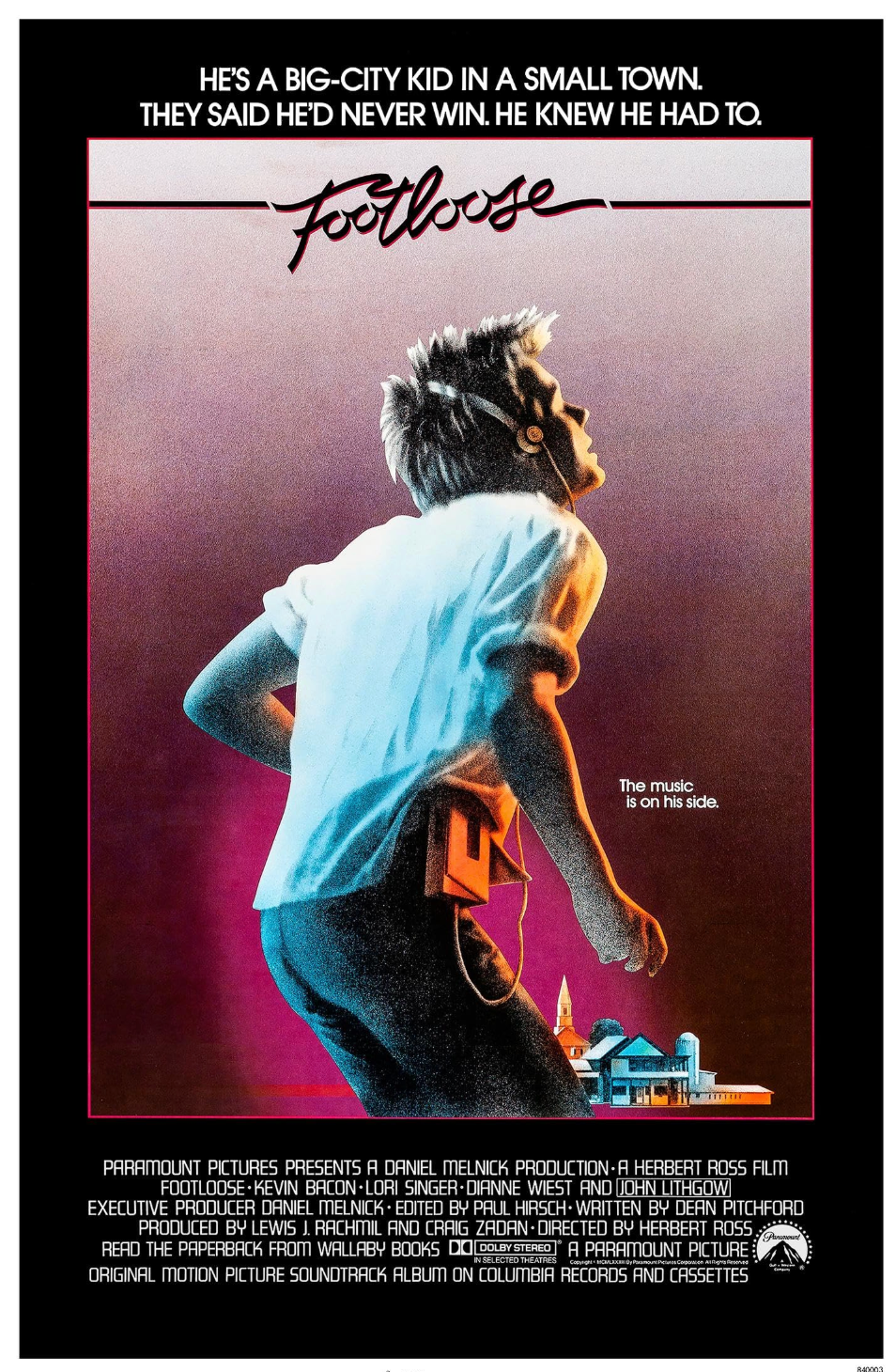
Context:
Rory and Lorelai are walking through town early on a Saturday morning, which is unusual for them since they normally sleep in. Lorelai is confused about why everyone is up so early. Rory shrugs and says some people just like being awake in the morning. Lorelai reacts dramatically and launches into: “Ha! Jump back! Kevin Bacon, Footloose, reaction to the no dancing in town rule is revealed to him by Chris Penn, brother to Sean, sage to all.”
Explanation:
Lorelai is referencing Footloose, released in 1984, starring Kevin Bacon as a teenager who moves to a small town where dancing is banned. In the movie, his character is shocked by the rule and rebels against the town’s strict traditions.
Lorelai compares Rory’s casual comment to the way Kevin Bacon reacts in Footloose, exaggerating as if Rory had just revealed some dramatic, life-changing truth. She also mentions Chris Penn, who played a key supporting role in the movie and was the brother of actor Sean Penn. Lorelai’s “sage to all” is a playful exaggeration that treats Chris Penn’s character as a wise mentor who reveals an important town rule.
6. “It’s like G.I. Jane, but we get to keep our hair.”
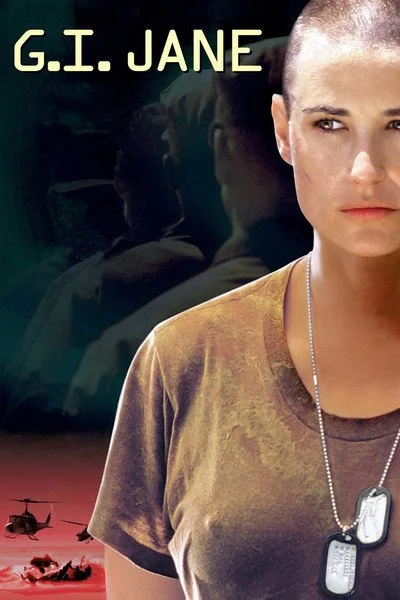
Context:
Rory and Lorelai are still walking through town early Saturday morning on their way to Luke’s. Rory suddenly realizes she can’t go that way because she might run into Dean near Doose’s Market. But she can’t take the other route either, because Dean lives on that street. Lorelai points out that Rory has basically cut them off from Luke’s entirely, so they come up with an alternative path. As they climb through a messy alley and scramble over trash, Lorelai jokes: “It’s like G.I. Jane, but we get to keep our hair.”
Explanation:
Lorelai is referencing G.I. Jane, released in 1997, starring Demi Moore as a woman undergoing intense military training. In the movie, her character shaves her head as part of the harsh transformation and discipline of the experience.
By comparing their awkward dumpster obstacle course to G.I. Jane, Lorelai exaggerates their minor struggle into a dramatic military-style mission.
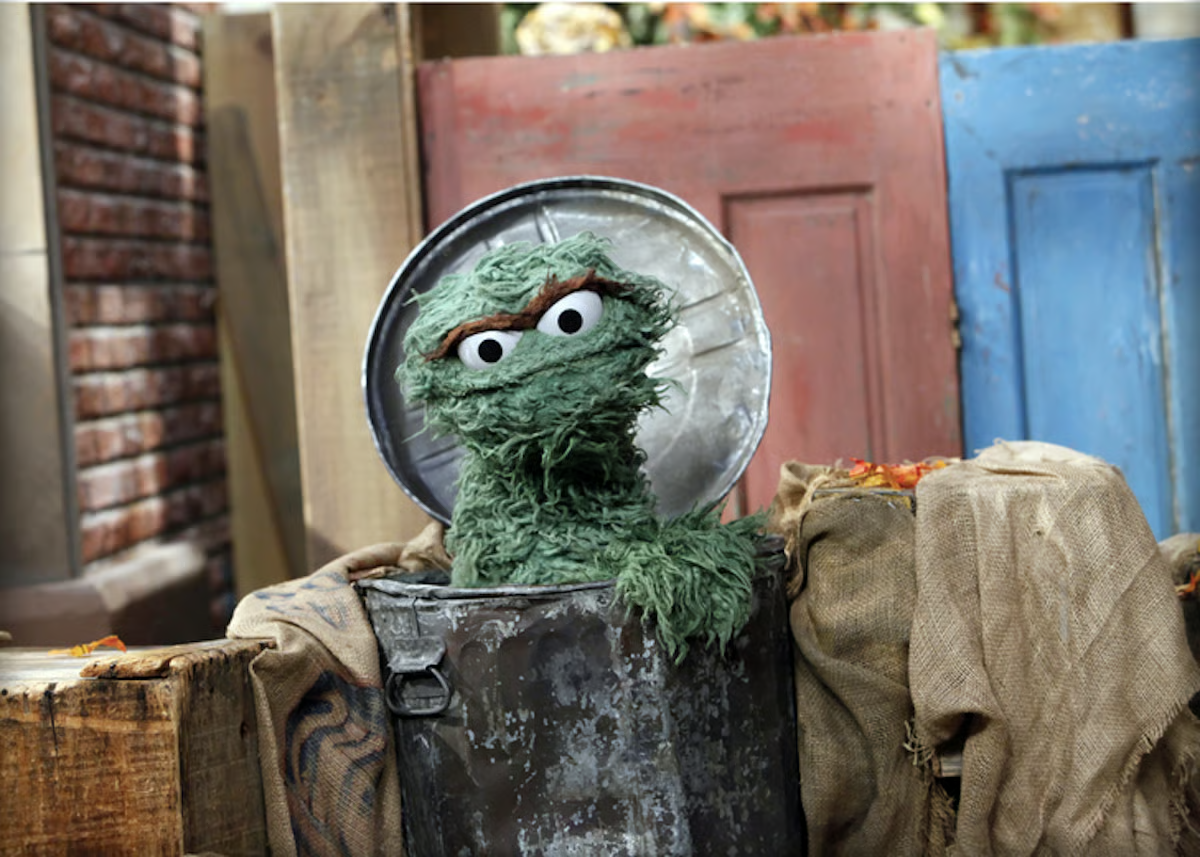
7. “Yeah, you do know honey, that garbage doesn't actually talk at all unless it's on Sesame Street.”
Context:
Still navigating their way through the back alley, Rory starts philosophizing about trash. She suggests you can learn a lot about people from what they throw away, since garbage reflects habits, interests, and daily life. Lorelai listens for a moment, then cuts in with a dry reality check: “Yeah, you do know honey, that garbage doesn't actually talk at all unless it's on Sesame Street.”
Explanation:
Lorelai is referencing Sesame Street, which first premiered in 1969. The show famously includes Oscar the Grouch, a character who lives in a trash can and is literally a piece of “talking garbage” in a kid-friendly way. By saying this line, Lorelai is simply teasing Rory for getting overly deep about something that well… isn’t.
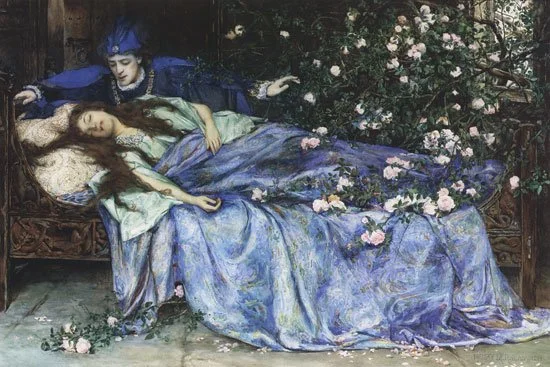
8. “Oh well, uh, good morning Sleeping Beauty.”
Context:
Lorelai and Rory finally arrive at Luke’s, only to find the diner packed with unfamiliar faces from the early “6 a.m. crowd.” Luke isn’t there yet, but Rachel is, and she pours them coffee while explaining that she told Luke to sleep in. A little later, Luke finally comes downstairs and walks into the diner. Lorelai greets him with: “Oh well, uh, good morning Sleeping Beauty.”
Explanation:
Lorelai is referencing Sleeping Beauty, the story of a princess who sleeps for years before being awakened. The most famous Disney version, Sleeping Beauty, was released in 1959. Lorelai uses the nickname sarcastically, teasing Luke for sleeping later than usual.
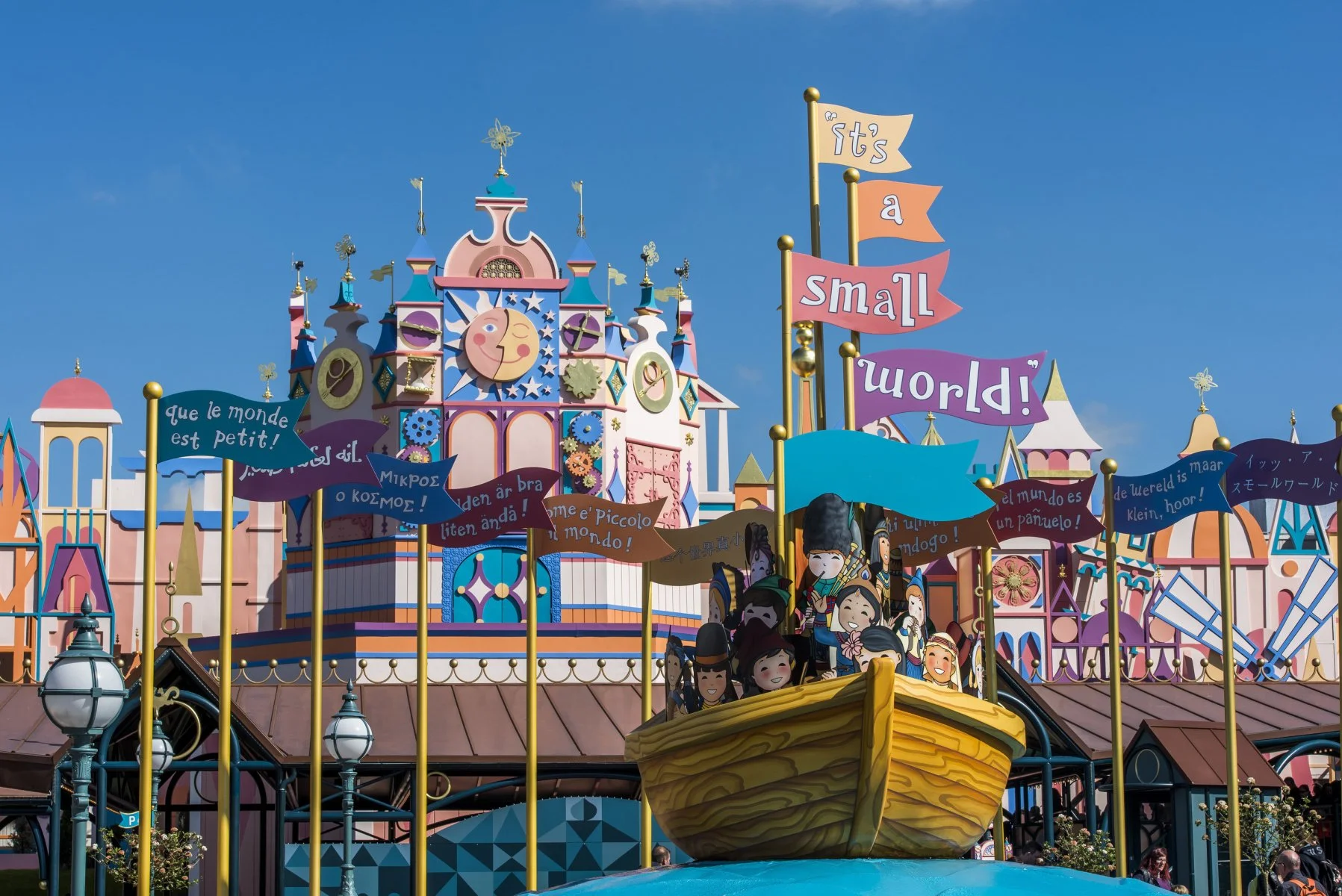
9. “Could we get off the Small World ride and start cooking please?”
Context:
Lorelai asks Luke if he can make extra chocolatey chocolate chip pancakes, and Luke wonders if there’s a special occasion. Lorelai explains that Dean broke up with Rory. Luke immediately gets worked up, saying he never liked Dean anyway and that it’s “good riddance.” He then spirals into a string of dramatic goodbye phrases in Spanish— “adios, bienvenidos, hasta la vista” — as if Rory is better off without him. Lorelai cuts him off with: “Could we get off the Small World ride and start cooking, please?”
Explanation:
Lorelai is referencing It's a Small World, the famous Disney attraction where animatronic dolls sing the same song repeatedly in multiple languages. The ride is known for its endless, looping chorus of international greetings and phrases.
Lorelai compares Luke’s rapid-fire “adios, hasta la vista…” rant to being stuck on the Small World ride. It’s her way of saying: okay, enough with the multilingual farewell tour, let’s focus on feeding Rory.
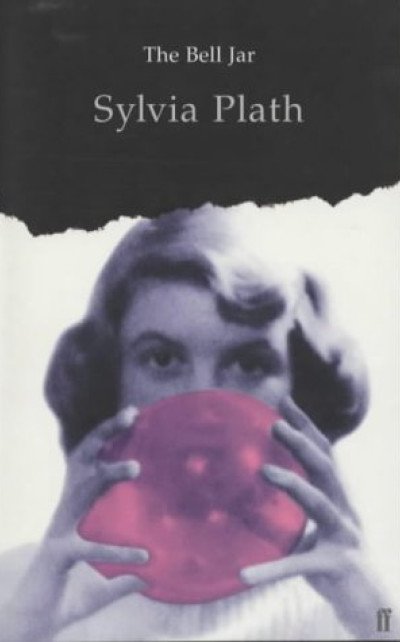
10. “Honey, why don't you just stay home and read The bell jar? Same effect.”
Context:
Rory starts realizing she might not be as fine about the breakup as she’s pretending to be. In her room, she finds an invitation to Madeline’s party and decides she wants to go as a distraction. She shows Lorelai the invite, and Lorelai responds, “Honey, why don’t you just stay home and read The Bell Jar? Same effect.”
Explanation:
Lorelai is referencing The Bell Jar, published in 1963. The book, written by Sylvia Plath, is a famous novel about depression, emotional isolation, and feeling trapped inside your own thoughts.
With this line, Lorelai jokes that going to a Chilton party might be just as miserable as staying home and reading one of the most emotionally heavy books ever written. It’s her sarcastic way of pointing out that Rory’s plan to distract herself may not actually make her feel better.
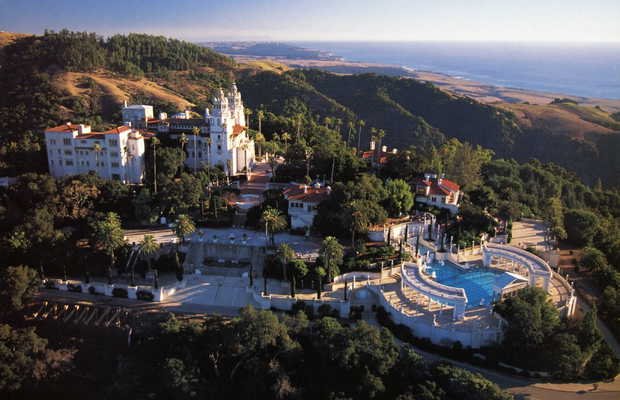
11. “No. I mean it's big but it's not this Hearst castlely.”
Context:
Rory and Lane arrive at Madeline’s party and quickly realize her house is enormous. Lane asks Rory if her grandparents’ house is this big. Rory responds: “No. I mean it’s big but it’s not this Hearst castlely.”
Explanation:
Rory is referencing Hearst Castle, the famous California mansion built by newspaper magnate William Randolph Hearst. The estate is known for its extreme size, luxury, and almost unreal level of wealth.
By calling the house “Hearst castlely,” Rory suggests that Madeline’s home feels like a massive palace rather than a normal family house.
Side note:
William Randolph Hearst’s company later became Hearst Communications, which still owns major magazines today, including Cosmopolitan, Elle, and Harper’s Bazaar.
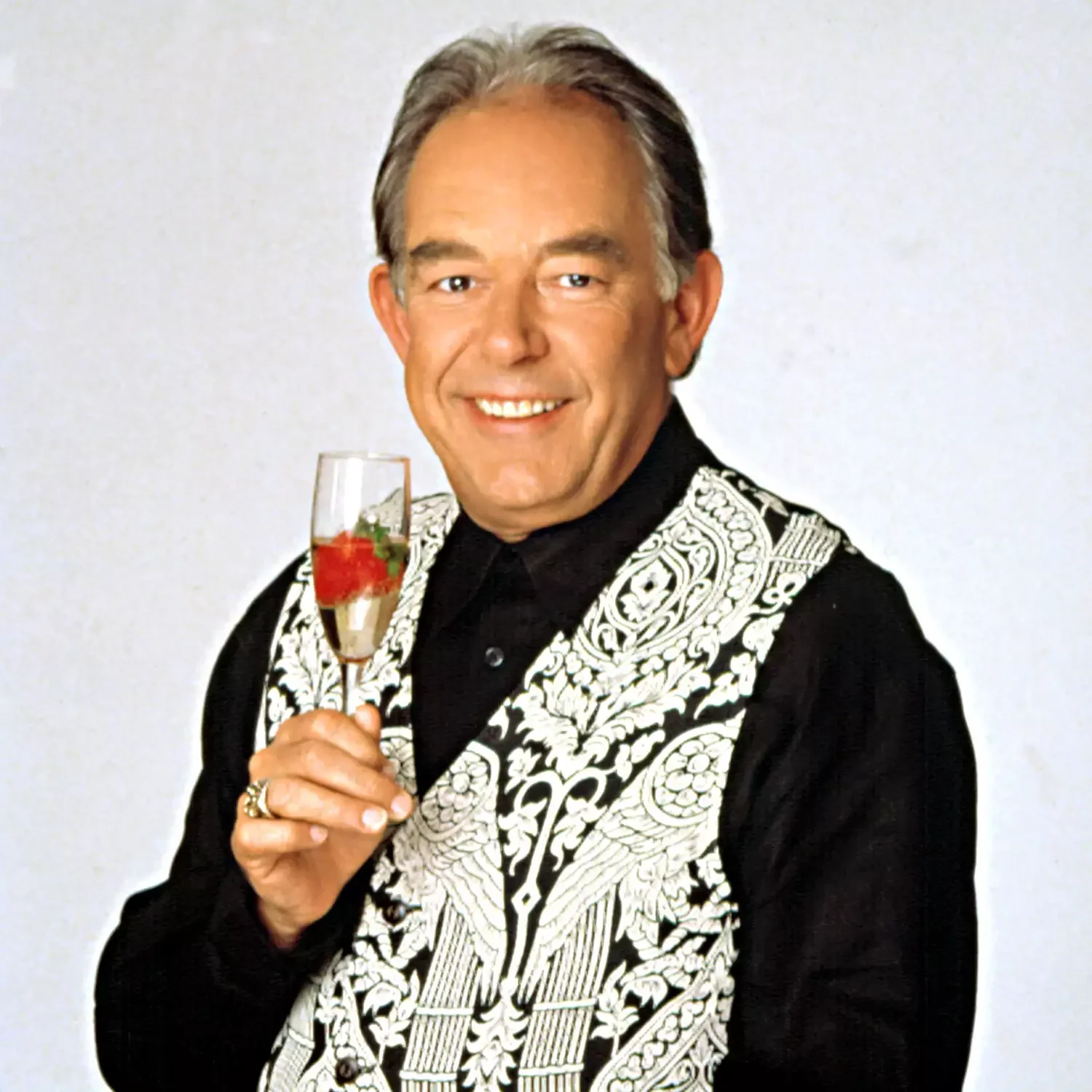
12. “I mean there should be a map or a tour guide or Robin Leech or something.”
Context:
Rory and Lane continue their conversation about Madeline’s house. Overwhelmed by how large and fancy it is, Lane jokes, “I mean, there should be a map or a tour guide or Robin Leach or something.”
Explanation:
Lane is referencing Robin Leach, the host of the television show Lifestyles of the Rich and Famous, which premiered in 1984. The show featured extravagant mansions, luxury vacations, and over-the-top wealthy lifestyles.
By mentioning Robin Leach, Lane humorously suggests that Madeline’s house is so huge and glamorous, it feels like something from a TV special about rich people.
13. “It's like a teenage Sodom and Gommarah.”

Context:
Rory and Dean are at their anniversary dinner, and Rory is happily listing all the things that feel perfect about the evening, including how good the tiramisu is. Dean tells her she looks cute while she’s eating, and Rory immediately rejects the idea. She insists that no one can “eat cute,” adding: “Bambi maybe, but he’s a cartoon.”
Explanation:
Lane is referencing Sodom and Gomorrah, two cities from the Bible that are famously associated with sin and moral excess. In the Book of Genesis, the cities are destroyed as punishment for their corruption. By calling the party a “teenage Sodom and Gomorrah,” Lane is comparing the party to a place of extreme wild behavior, like a teenage “paradise” … or teenage chaos… depending on how you look at.
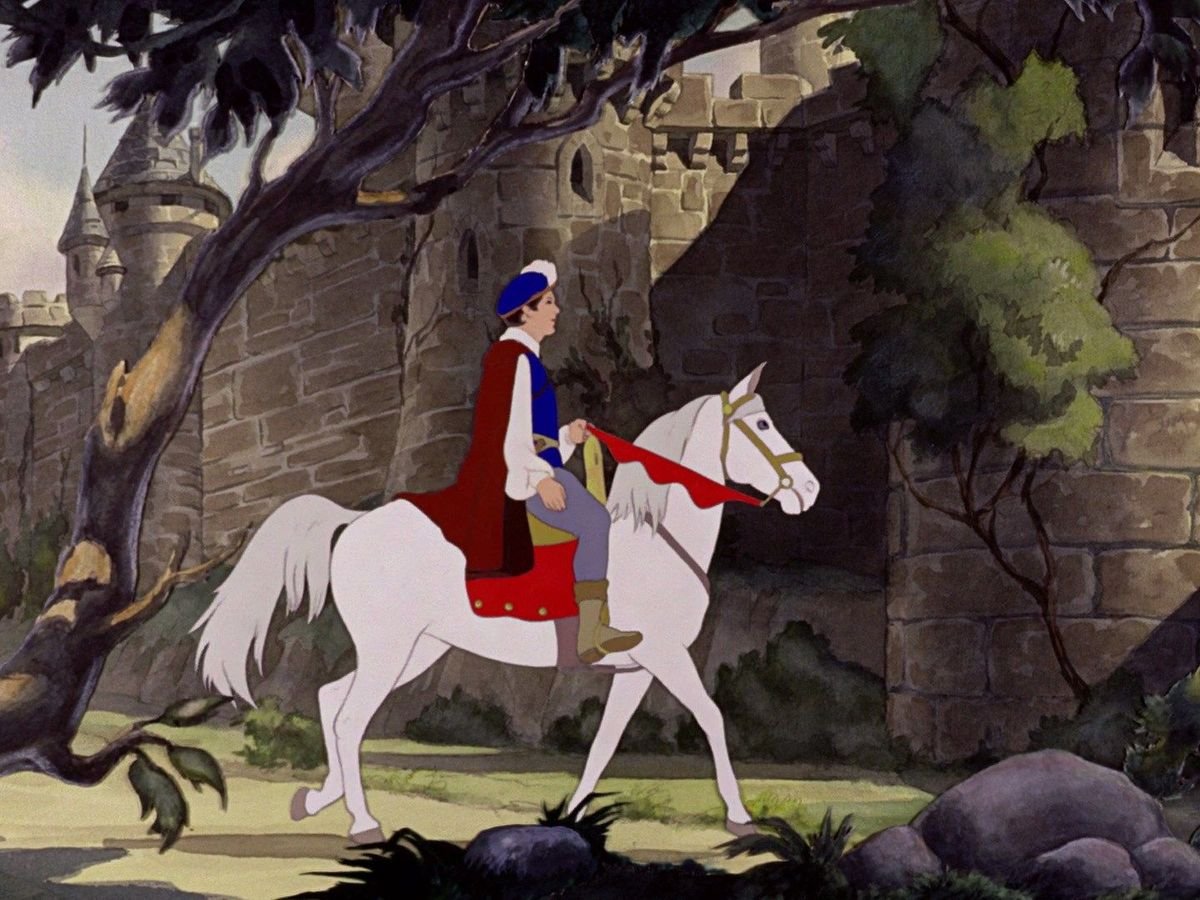
14. “His white horse was in the shop.”
Context:
Madeline and Louise spot Rory and Lane at the party and come over. Louise immediately asks where “Prince Charming” is, referring to Dean, since they met him at the Chilton dance. Rory doesn’t want to explain the breakup, so she dodges the question with a joke, saying that Prince Charming’s “white horse was in the shop.”
Explanation:
Rory is playing on the classic fairy tale image of Prince Charming arriving on a white horse to rescue the princess. By saying the horse is “in the shop,” she modernizes the story, treating the fairytale romance like a broken-down car.
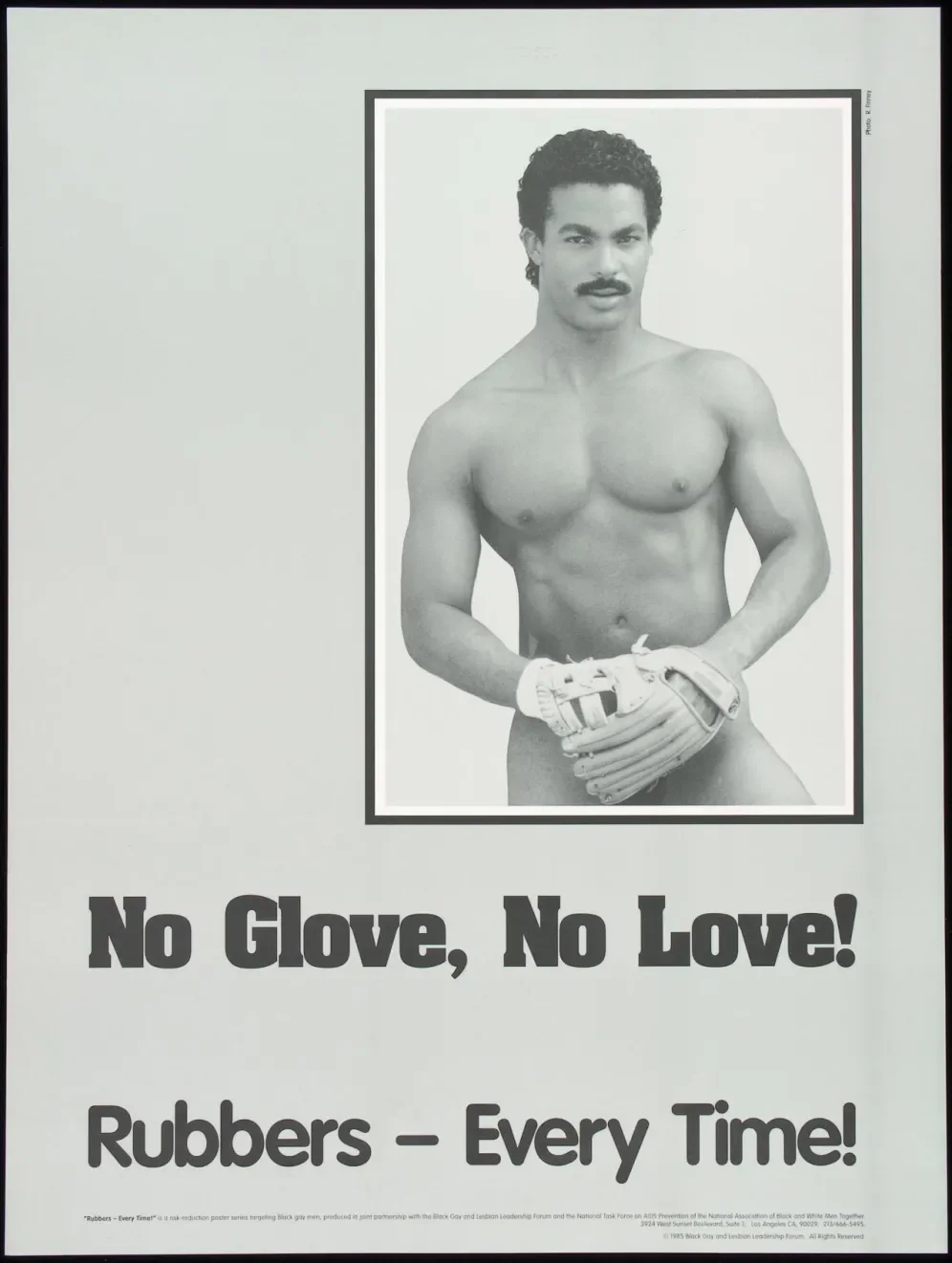
15. “No glove no love.”
Context:
At Madeline’s party, two boys come over and ask Madeline and Louise if they can get a “tour of the pool house,” which Louise clearly understands as a not-so-innocent invitation. As they walk away with the boys, Louise casually says, “Later, Paris.” Paris replies sarcastically: “No glove, no love.”
Explanation:
“No glove, no love” is a slang phrase about using protection and being responsible during s**x. The slogan became especially well known through HIV/AIDS safe-s**x awareness campaigns in the 1980s and 1990s, which is why it would have been a familiar phrase at the time.
She’s basically pointing out that Louise’s “pool house tour” wasn’t subtle at all, and she’s not impressed. Rather than reacting with shock, Paris mocks the whole situation with a blunt, slightly judgmental remark.
16. “I doubt highly that Madam Curie was voted most likely to dress like Jennifer Lopez.”
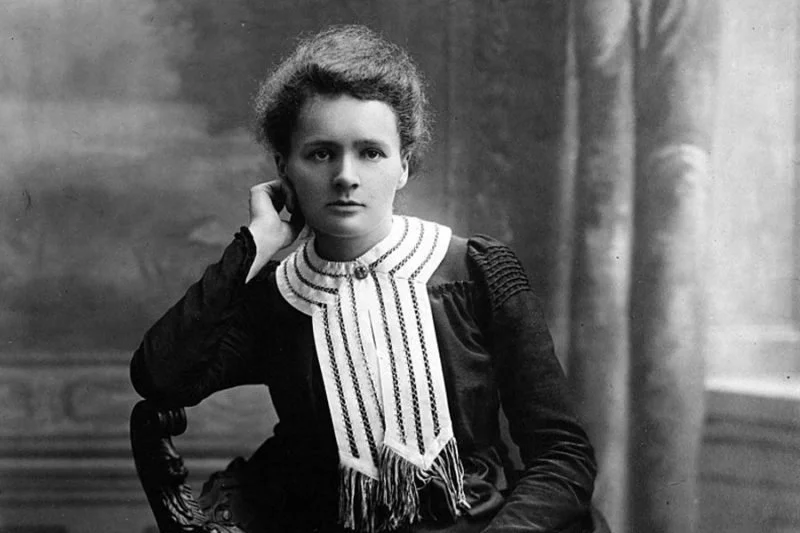
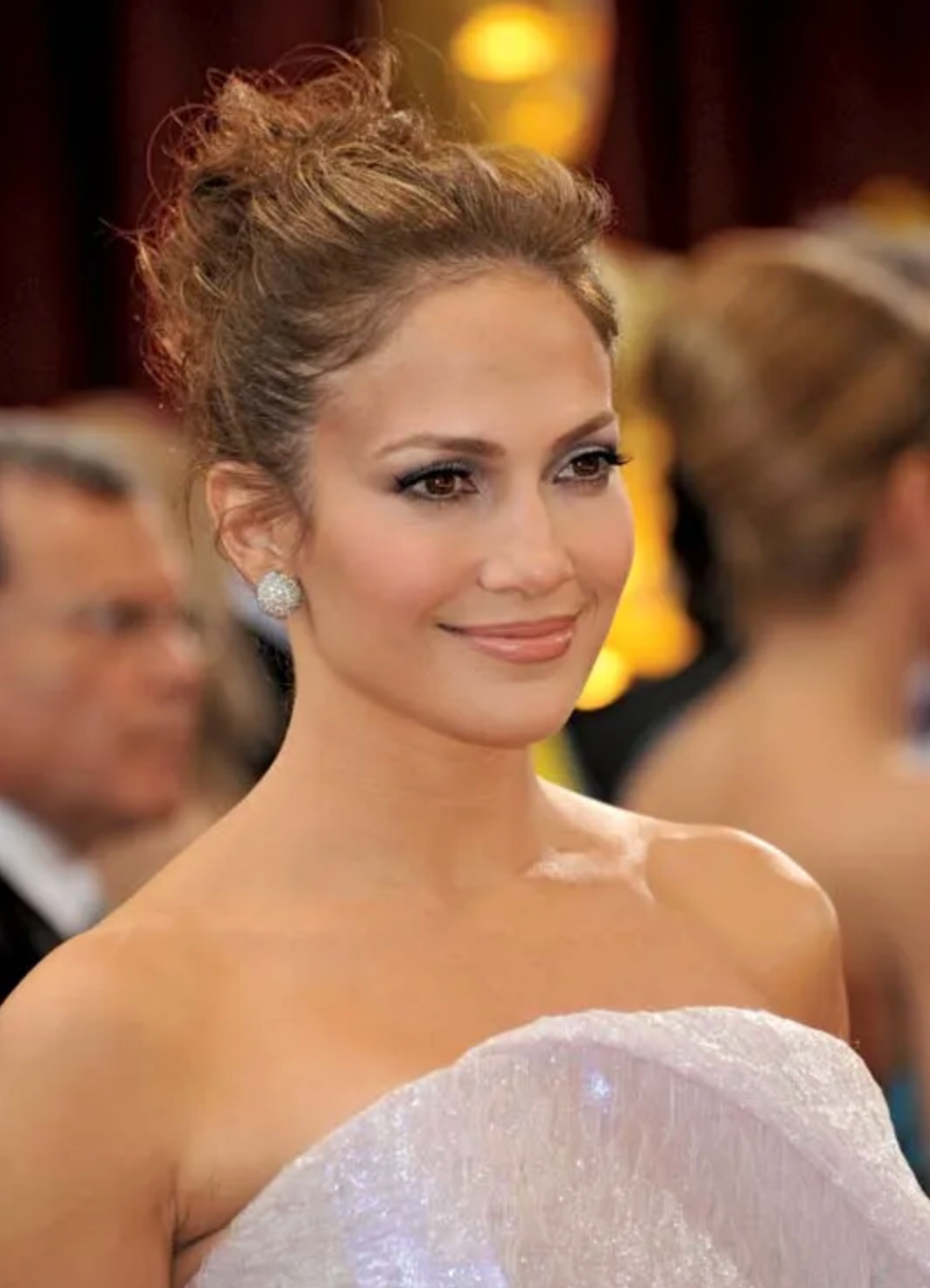
Context:
At Madeline’s party, Rory and Lane run into Paris near the drinks table. Paris keeps checking her watch, and Rory asks why. Paris explains that her mother forced her to stay until 10:30 because she thinks Paris isn’t a “people person.” Paris defends herself by saying, “I doubt highly that Madame Curie was voted most likely to dress like Jennifer Lopez.”
Explanation:
Paris is referencing Marie Curie (born Maria Skłodowska), the Polish-born physicist and chemist known for her groundbreaking work on radioactivity and for being the first woman to win a Nobel Prize. Paris contrasts her with Jennifer Lopez, who was famous at the time for her glamorous celebrity image and red carpet style.
Paris’s point is that serious, intellectual women like Marie Curie probably weren’t celebrated for being fashionable or socially popular. The joke is a very Paris way of saying she doesn’t fit in at parties, and she doesn’t see why she should have to.
17. “Ding-dong Avon lady.”
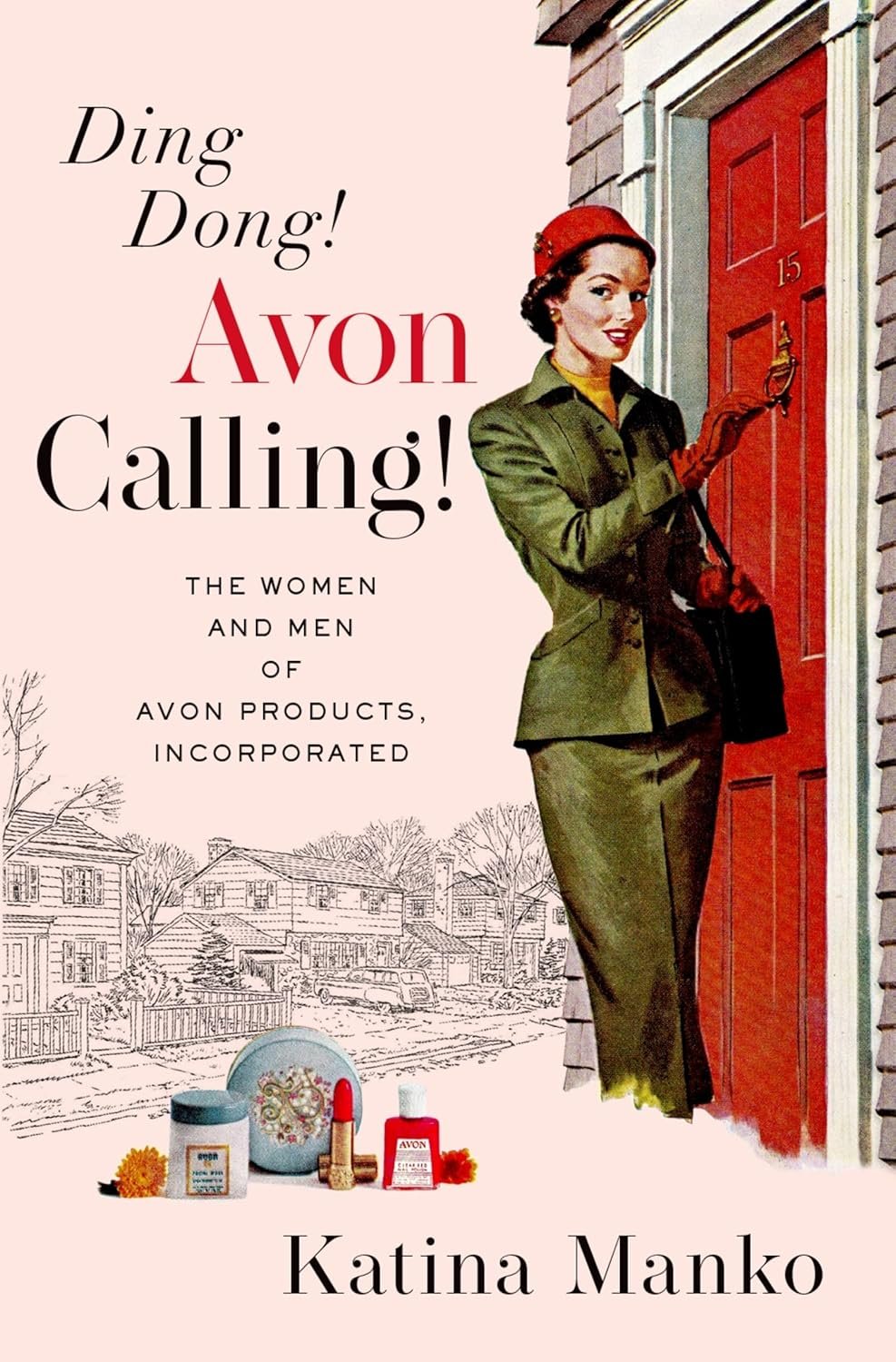
Context:
Lorelai shows up at Max’s house, and the two end up in bed together. Lorelai quickly insists that she didn’t come over for that reason. Max pulls back, overwhelmed, and points out how sudden it feels, saying he hasn’t seen Lorelai for months, and then all of a sudden she appears. Lorelai jokes in response: “Ding-dong Avon lady.”
Explanation:
Lorelai is referring to the “Avon Lady,” a well-known cultural figure in the United States. Avon is a cosmetics and beauty company that became especially popular in the mid-20th century because it sold its products through door-to-door representatives. These “Avon Ladies” would literally ring your doorbell, show up with catalogues, and sell makeup and perfume directly to customers.
By saying “ding-dong Avon lady,” Lorelai compares herself to someone suddenly appearing at the door out of nowhere. It’s her way of acknowledging how abruptly she has re-entered Max’s life after being absent for months,
Honorable Mentions In This Episode:
Movies/TV-shows/Plays:
Who's Afraid of Virginia Woolf? (The play is about a relationship imploding through arguments and emotional games, so it’s a fitting show to mention in an episode centered on heartbreak and the aftermath of a breakup.)
Love Story
The Champ
An Affair to Remember
Ishtar
I hope this was helpful in understanding some of the references from Gilmore girls and that we are one step closer to decoding our ultimate comfort show.
If I missed something or you have another interpretation of a reference, let me know—I’d be happy to add it!
More posts about Gilmore girls