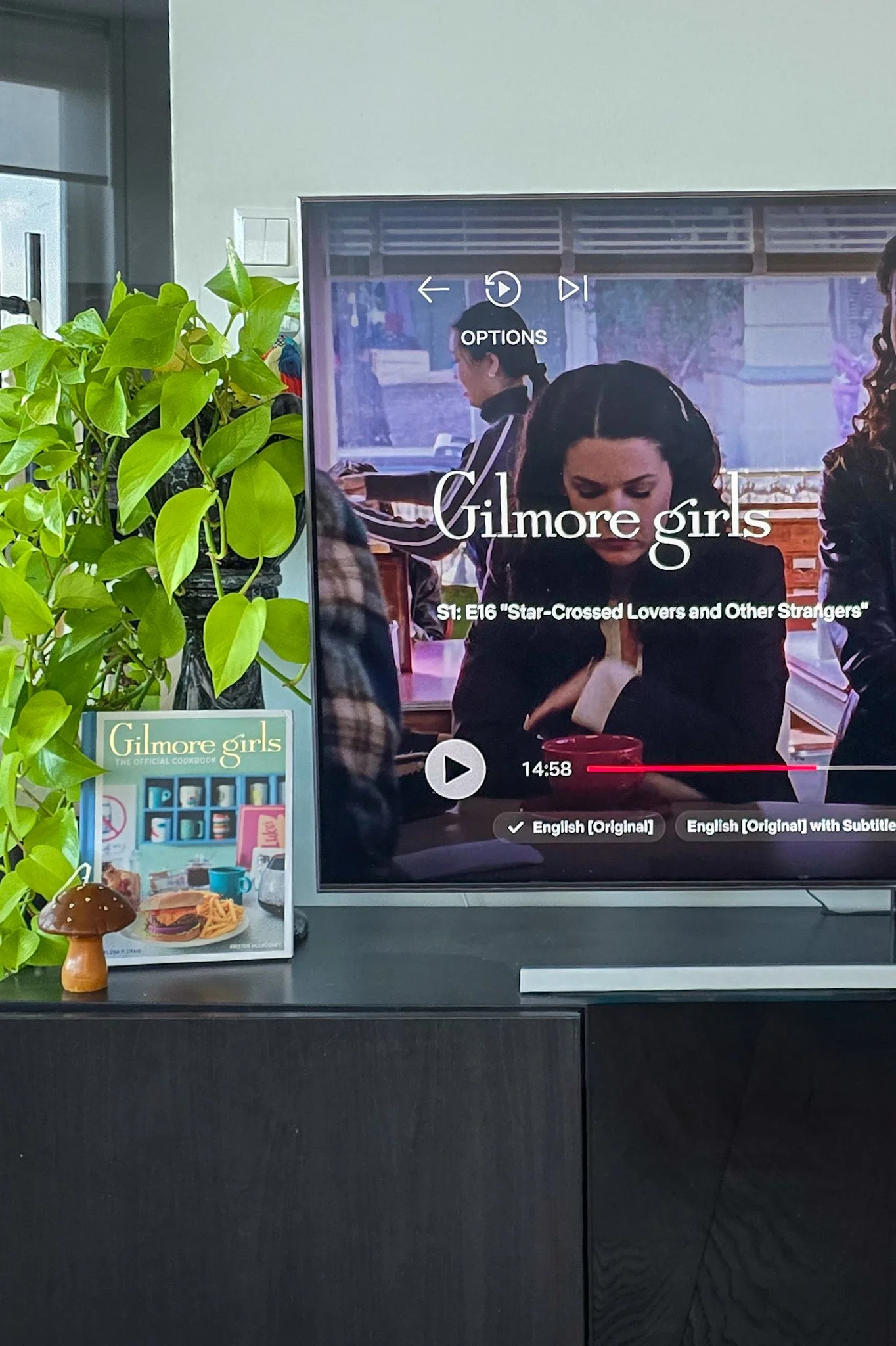
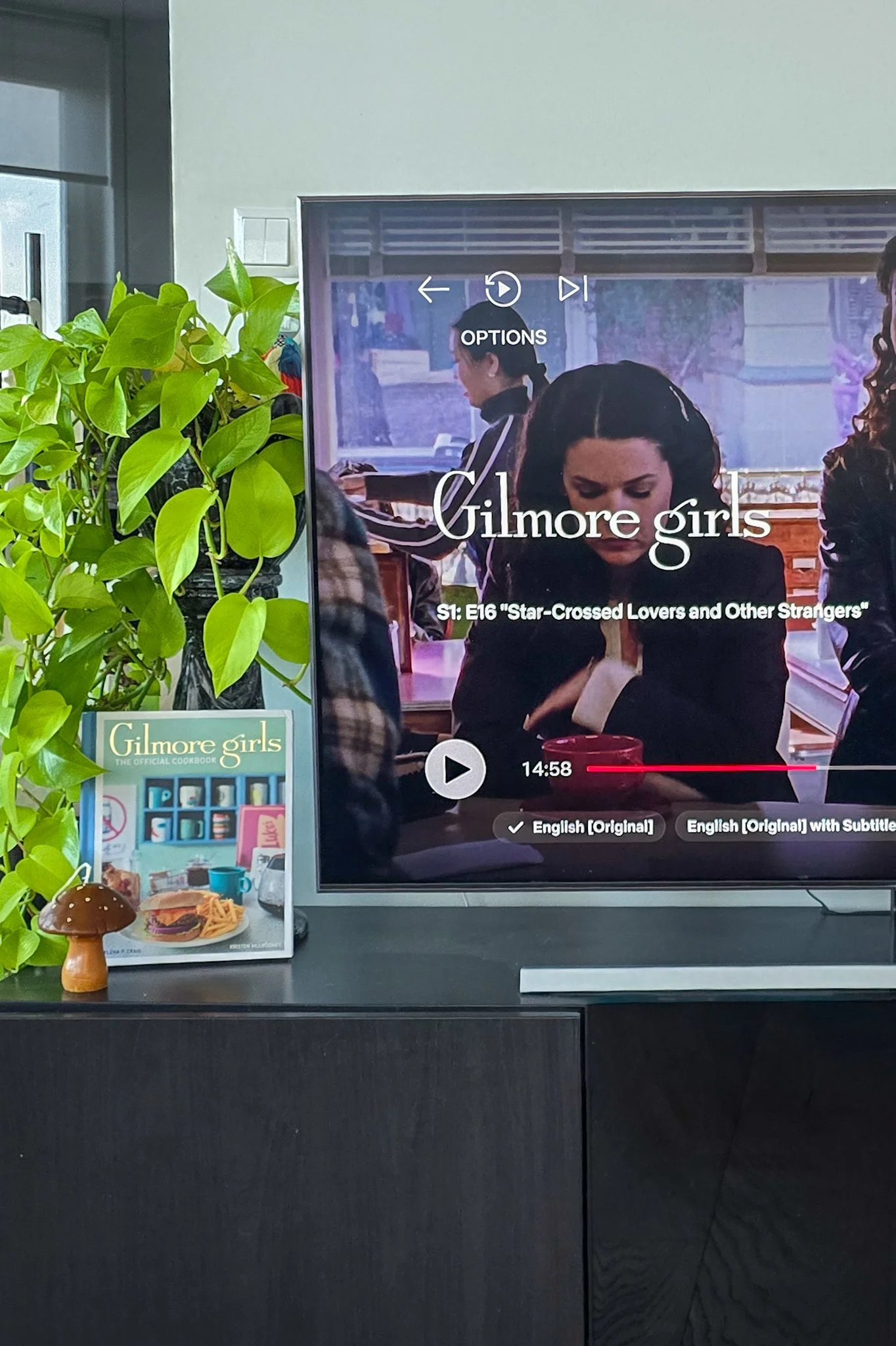
Gilmore girls: Season 1 Episode 16 References Explained
Gilmore girls is famous for its quick dialogue, witty banter, and the endless pop culture references that make every rewatch just as entertaining as the first. That’s what inspired me to start this series: breaking down every reference, episode by episode, and seeing just how many I’d missed after all these years.
Episode 16, “Star-Crossed Lovers and Other Strangers,” is one of the most romance-driven episodes of season one. With the town’s Founders Firelight Festival approaching, Stars Hollow is fully in its love-story era, and it feels like almost everyone is dealing with relationships in one way or another.
The episode’s title itself is a pop culture reference. The phrase “star-crossed lovers” comes from William Shakespeare’s Romeo and Juliet, where the couple is described in the prologue as “a pair of star-cross’d lovers.” The second half of the title points to the 1969 play ** Lovers and Other Strangers**, later adapted into a movie in 1970. Both are fitting choices for an episode so focused on romance, mismatched expectations, and the complications that come with them.
This week, Lorelai finds herself caught in Emily’s matchmaking efforts just as she’s starting to feel a little lonely and realizing she might miss Max more than she expected. Luke, meanwhile, is thrown off when his ex-girlfriend Rachel suddenly returns to town, reopening a chapter he clearly wasn’t planning to revisit. Rory and Dean’s three-month anniversary adds another layer to the episode’s romance theme, hinting that even the most well-intentioned relationships can come with mismatched expectations, especially when two people aren’t quite in the same place emotionally.
What I love about this episode is that it’s not just about love in the abstract. It’s about timing, being on the same page, and what happens when the person in front of you doesn’t quite match the story you thought you were living.
After the emotional disaster of the previous episode, it’s also interesting to see Lorelai and Richard in a completely different light here. For once, they’re oddly aligned, both clearly realizing that Emily’s matchmaking attempt is… not exactly a success. Watching Lorelai and Richard silently agree on just how awful her “date” is makes for some of the funniest moments in season one. If I’m not mistaken, it’s even one of the first times we hear Lorelai call her father “daddy,” which adds a surprisingly soft note after all the chaos of the episode before.
In this series, I go through each reference I can find, explaining what it means, where it comes from, and how it fits into the story, along with a full list of the books, music, movies, and cultural mentions from the episode so you can keep track as you rewatch.
Gilmore girls is available to stream in most countries on Netflix and Disney+, so whether you’re rewatching or discovering it for the first time, you can easily follow along with every reference.
Looking for the perfect gift this season?
Discover my Gilmore girls inspired gift guide!
Looking for another episode? You got it:
Season 1, Episode 1 “Pilot”
Season 1, Episode 2 “The Lorelais’ First Day at Chilton
Season 1, Episode 3 “Kill Me Now”
Season 1, Episode 4 “The Deer Hunters”
Season 1, Episode 5 “Cinnamon’s Wake”
Season 1, Episode 6 “Rory’s Birthday Parties”
Season 1, Episode 7 “Kiss and Tell”
Season 1, Episode 8 “Love and War and Snow”
Season 1, Episode 9 “Rory’s Dance”
Season 1, Episode 10 “Forgiveness and Stuff”
Season 1, Episode 11 “Paris is Burning”
Season 1, Episode 12 “Double Date”
Season 1, Episode 13 “Concert Interruptus”
Season 1, Episode 14 “That Damn Donna Reed”
Season 1, Episode 15 “Christopher Returns”
Season 1, Episode 16 “Star-Crossed Lovers and Other Strangers”
Season 1, Episode 17 “The Breakup: Part 2”
Season 1, Episode 18 “The Third Lorelai”
Season 1, Episode 19 “Emily in Wonderland”
Season 1, Episode 20 “P.S. I Lo…”
Season 1, Episode 21 “Love, Daisies and Troubadours”
Okay, let’s get into it! Here are all the references explained from Gilmore girls Season 1 Episode 16 “Star-Crossed Lovers and Other Strangers”
1. “Well, that special occasion better include me being relocated to a plastic bubble if my grandmother's gonna let me out of dinner.”
Context:
Rory and Dean are walking through town when Dean asks if Rory can get out of Friday night dinner for a special occasion, hinting at their three-month anniversary. Rory, knowing well that this would never be ok, immediately responds, “Well, that special occasion better include me being relocated to a plastic bubble if my grandmother’s gonna let me out of dinner.”
Explanation:
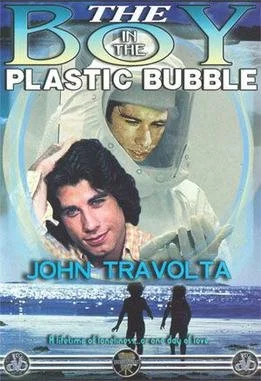
Rory is exaggerating to show how non-negotiable Friday night dinners are in her life. The “plastic bubble” image is a reference to The Boy in the Plastic Bubble, a movie released in 1976, starring John Travolta, about a boy who has to live inside a protective bubble because of a serious immune disorder. By invoking that kind of extreme medical isolation, Rory jokes that only something truly dramatic would get her out of dinner with her grandmother.
Personal note:
Something that has always bothered me about this conversation is that Dean even admits their anniversary isn’t actually on Friday, but on Saturday. He just wants to celebrate early because he has to work, and he assumes Rory can simply get out of her existing commitment. What I don’t really understand is that if he planned this whole evening and it’s so important to him, why couldn’t he try to switch shifts instead? Dean already knows Friday night dinner isn’t optional for Rory, and that she can’t easily cancel. But he keeps pushing her to make it work anyway, which starts to feel less romantic and more like guilt-tripping her into choosing his plans over her own.
2. “I wanna sauté things and chop things and do the BAM, and I wanna arrange things on a plate so they look like a pretty little hat. I wanna be the Iron Chef!”
Context:
Rory comes home to find Lorelai sitting at the kitchen table reading a box of Hamburger Helper. Rory immediately shuts it down because she knows Lorelai can’t really cook and that her attempts in the kitchen rarely end well. Lorelai insists that she wants to try “real” cooking like she’s seen on TV, saying, “I wanna sauté things and chop things and do the BAM, and I wanna arrange things on a plate so they look like a pretty little hat. I wanna be the Iron Chef!”
Explanation:
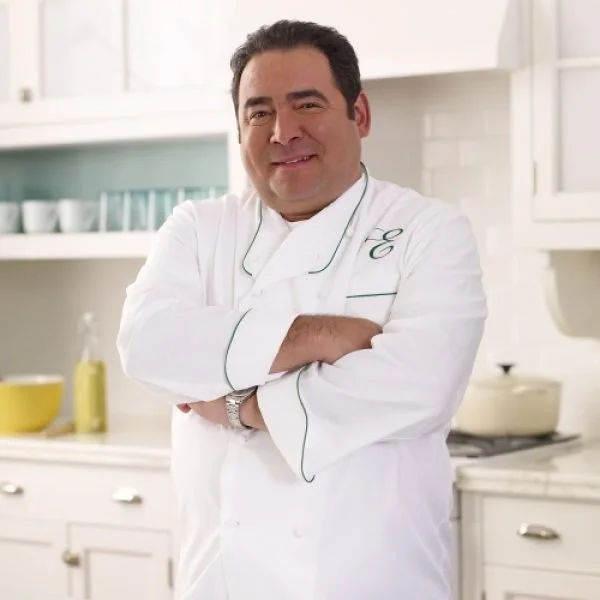
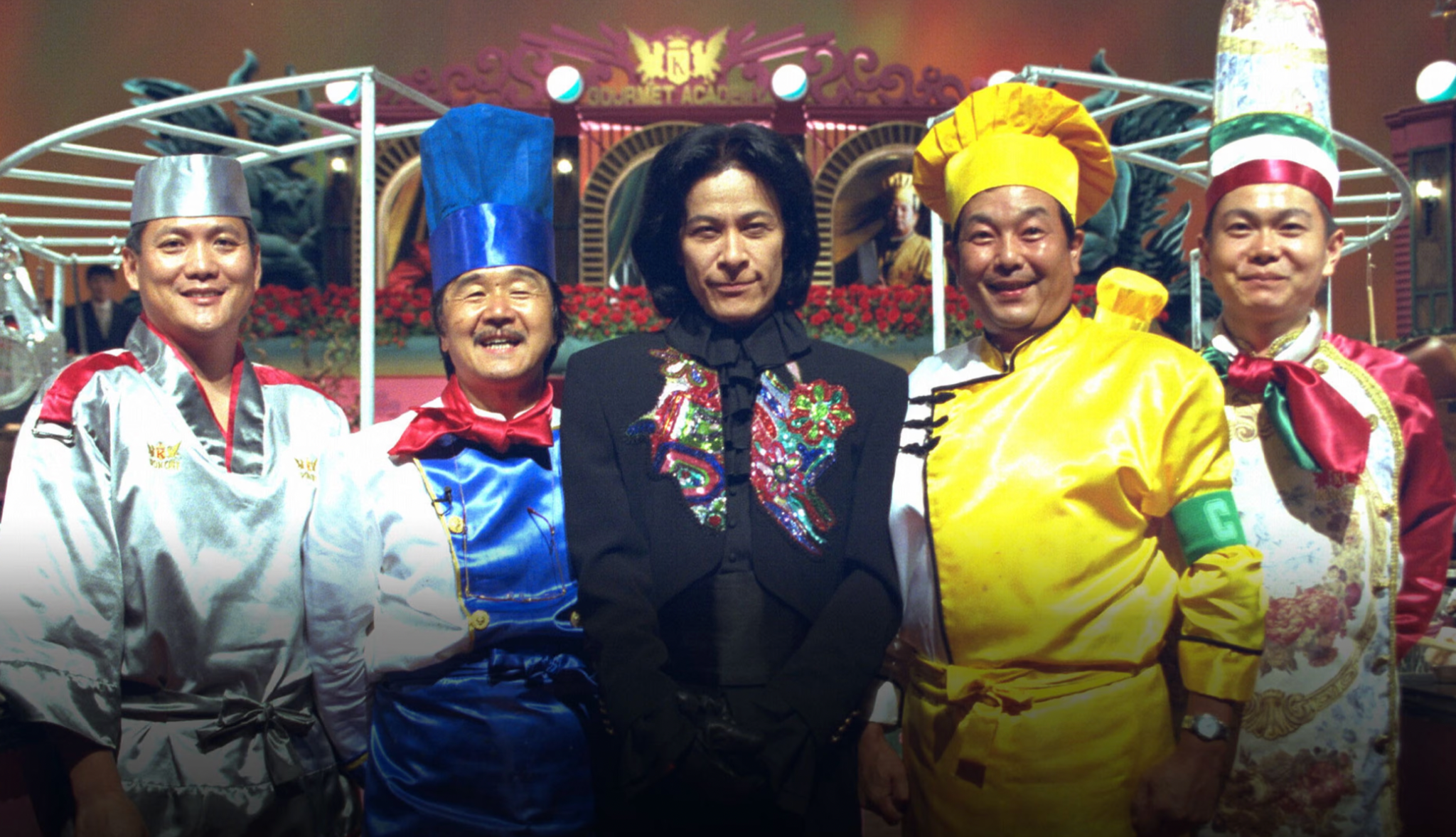
Lorelai is referencing Iron Chef, a popular cooking competition where chefs create elaborate dishes under pressure. Her mention of “the BAM” is also a nod to celebrity chef Emeril Lagasse, famous for shouting “Bam!” while cooking on TV in the 1990s and early 2000s.
Fun fact:
When this episode aired in 2001, Lorelai would have been referencing the original Japanese version of Iron Chef, which had already become a cult favorite on American TV through reruns. The American adaptation, Iron Chef America, didn’t premiere until a few years later.
3. “Cleopatra, queen of denial.”
Context:
Still in the same conversation in the kitchen, Rory asks Lorelai why she suddenly feels the need to be domestic. Lorelai admits that all the romance in Stars Hollow is putting her in a weird mood and making her a little cranky. Rory then asks if she’s heard from Max, and points out that if Lorelai wants to talk to him, she could always pick up the phone and call him herself. Lorelai immediately tries to change the subject, and Rory calls her out with: “Cleopatra, queen of denial.”
Explanation:
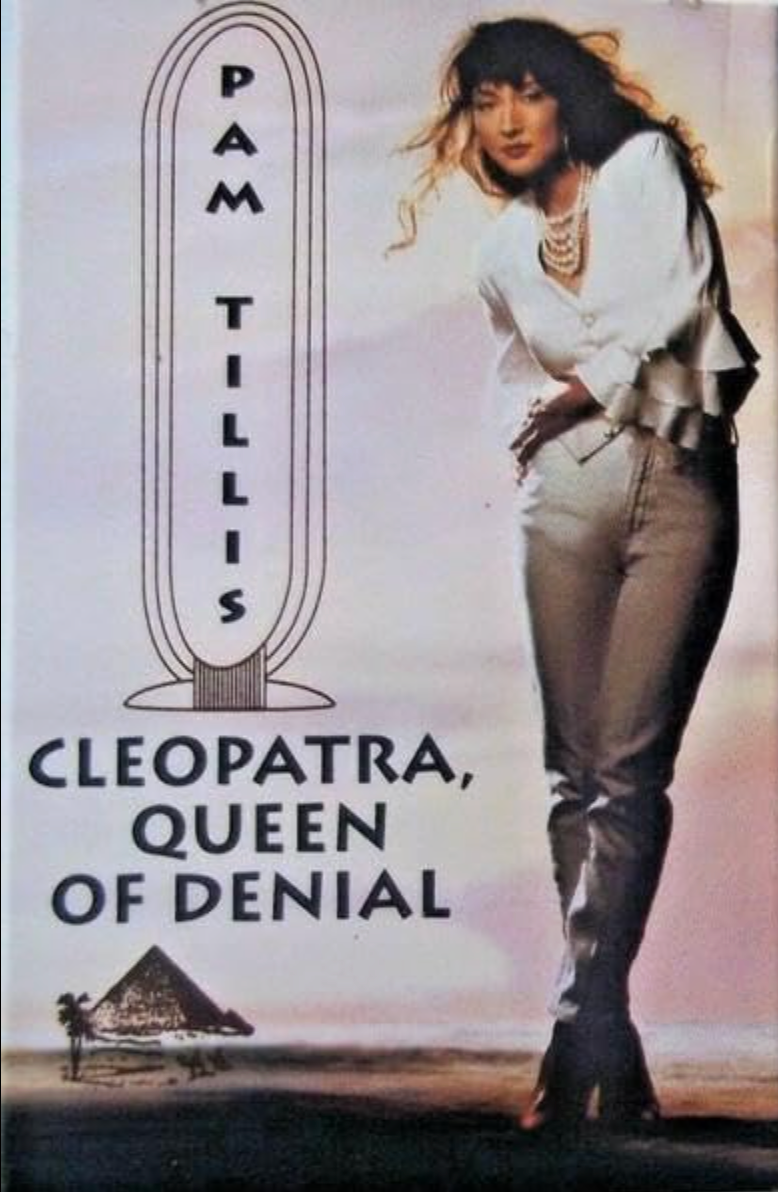
The line plays on the pun “Queen of the Nile” (Cleopatra’s famous title), sounding like “Queen of Denial” (and yes, it immediately makes me think of “the Nile is a river in Egypt…your husband is….”). It echoes the 1992 country song “Cleopatra, Queen of Denial” by Pam Tillis, where the narrator calls herself that because she keeps making excuses and refusing to face the truth in a relationship. Rory uses it the same way here, teasing Lorelai for avoiding the obvious: she misses Max, but she’d rather change the subject than admit it.
4. “The pan, Chucky. Please.”
Context:
After Rory calls Lorelai “Cleopatra, queen of denial,” Lorelai clearly wants to drop the Max conversation immediately. Trying to change the subject back to cooking, she briskly asks Rory for help in the kitchen by saying, “The pan, Chucky. Please.”
Explanation:
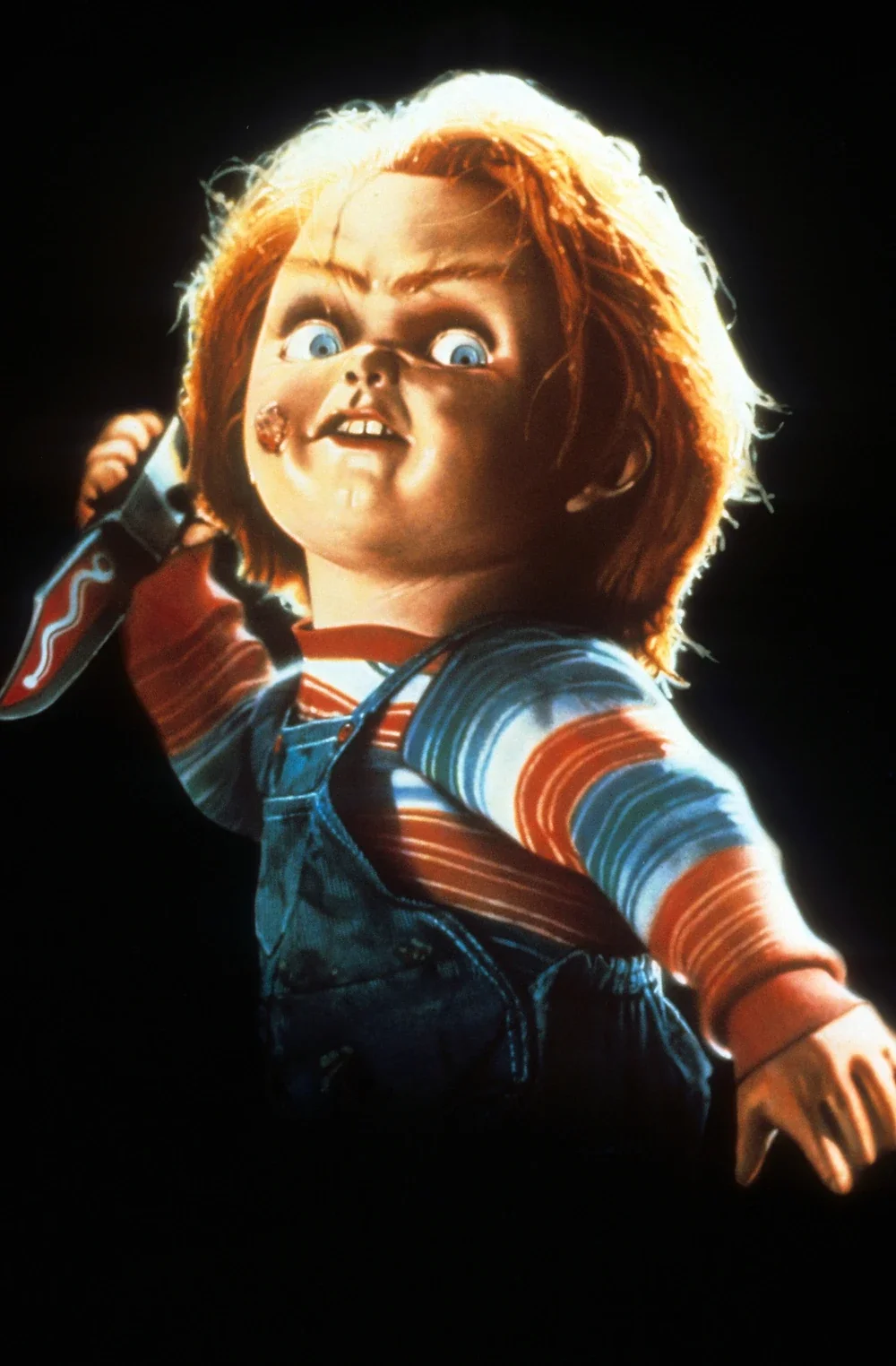
Chucky is the murderous doll from the 1988 horror movie Child's Play. In the movie, Chucky looks like a harmless children’s toy, but he actually causes chaos everywhere he goes. The movie became popular enough to spawn several sequels and later remakes. Lorelai calls Rory “Chucky” because Rory seems sweet and innocent, but in this moment, she’s causing “chaos” by refusing to drop the subject of Max.
4. “Hell hath no fury.”
Context:
The romance theme continues at Chilton, where Tristin is all over his girlfriend in the hallway, making out directly in front of Paris’s locker. Paris is visibly furious because she can’t even get to her books, and she snaps at Madeline and Louise. Watching Paris’s anger build, Louise comments: “Hell hath no fury.”
Explanation:
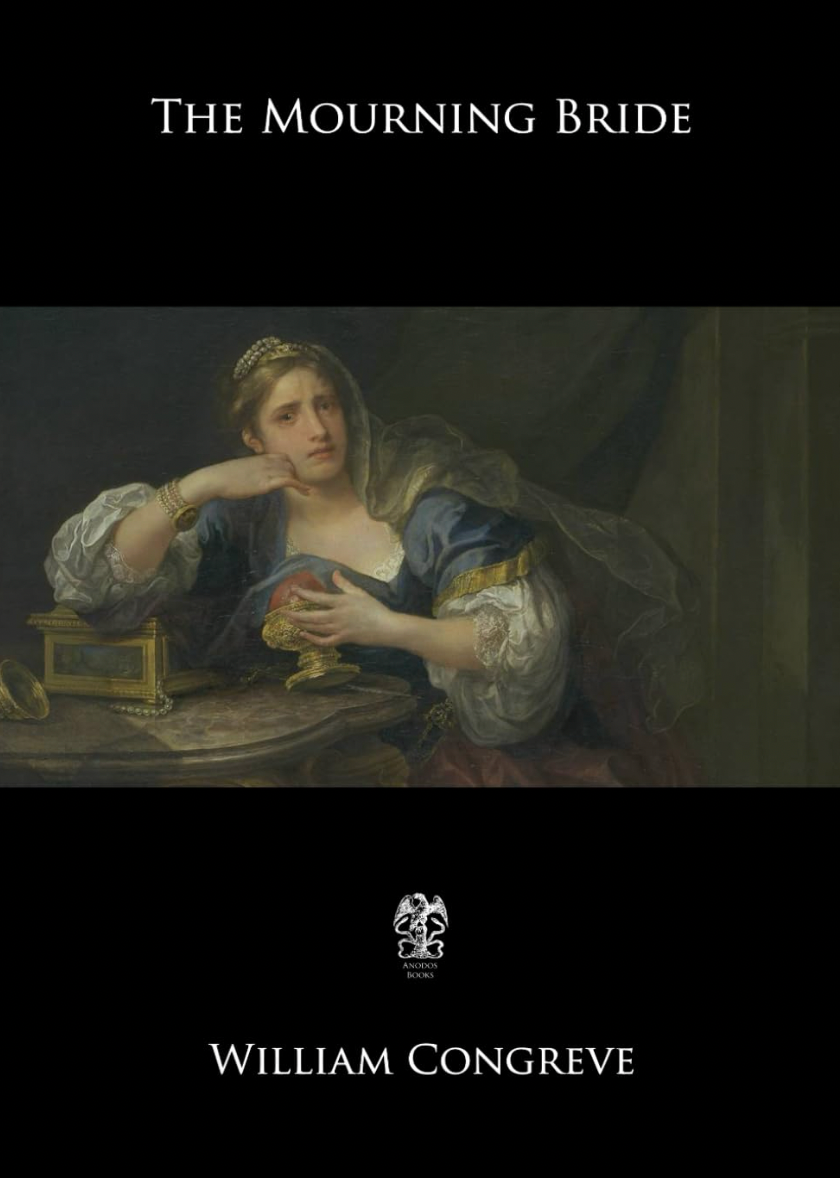
Louise is referencing the famous line “Hell hath no fury like a woman scorned,” from William Congreve's 1697 play The Mourning Bride. The phrase is often used to describe anger that’s intensified by romantic feelings or wounded pride.
In this moment, Louise is simply making a sharp observation: Paris is clearly overreacting, and it’s probably not just because her locker is blocked. Since Paris has feelings for Tristin, seeing him openly making out with someone else pushes her irritation into something much bigger. Louise’s comment dryly points out what everyone can see, even if Paris would never say it out loud.
5. “Right behind Belle Watling.”
Context:
Still in the Chilton hallway, Rory joins the conversation and points out that her locker is blocked too. She asks Paris if her locker is behind Tristan and his girlfriend as well. Paris responds bitterly: “Right behind Belle Watling.”
Explanation:
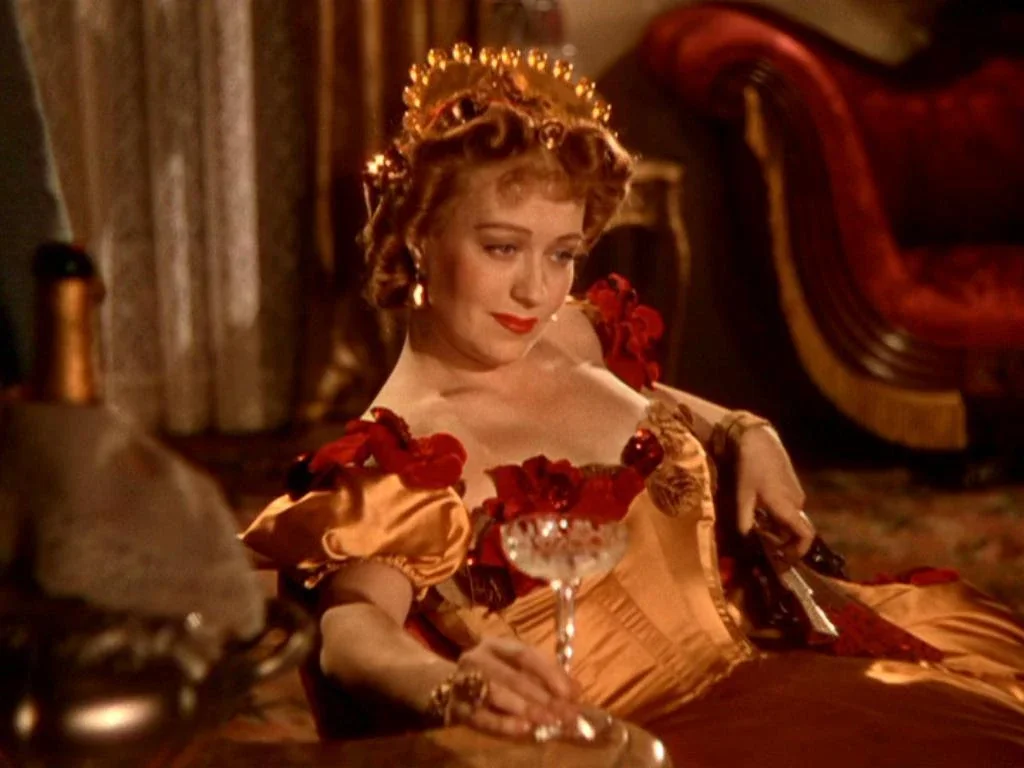
Paris is referencing Belle Watling, a character in Gone with the Wind and its famous 1939 movie adaptation. Belle Watling is a “lady of the night” and a social outsider, often looked down on by “respectable” Southern society.
6. “What a shame Elizabeth Barrett Browning wasn't here to witness this. She'd put her head through a wall.”
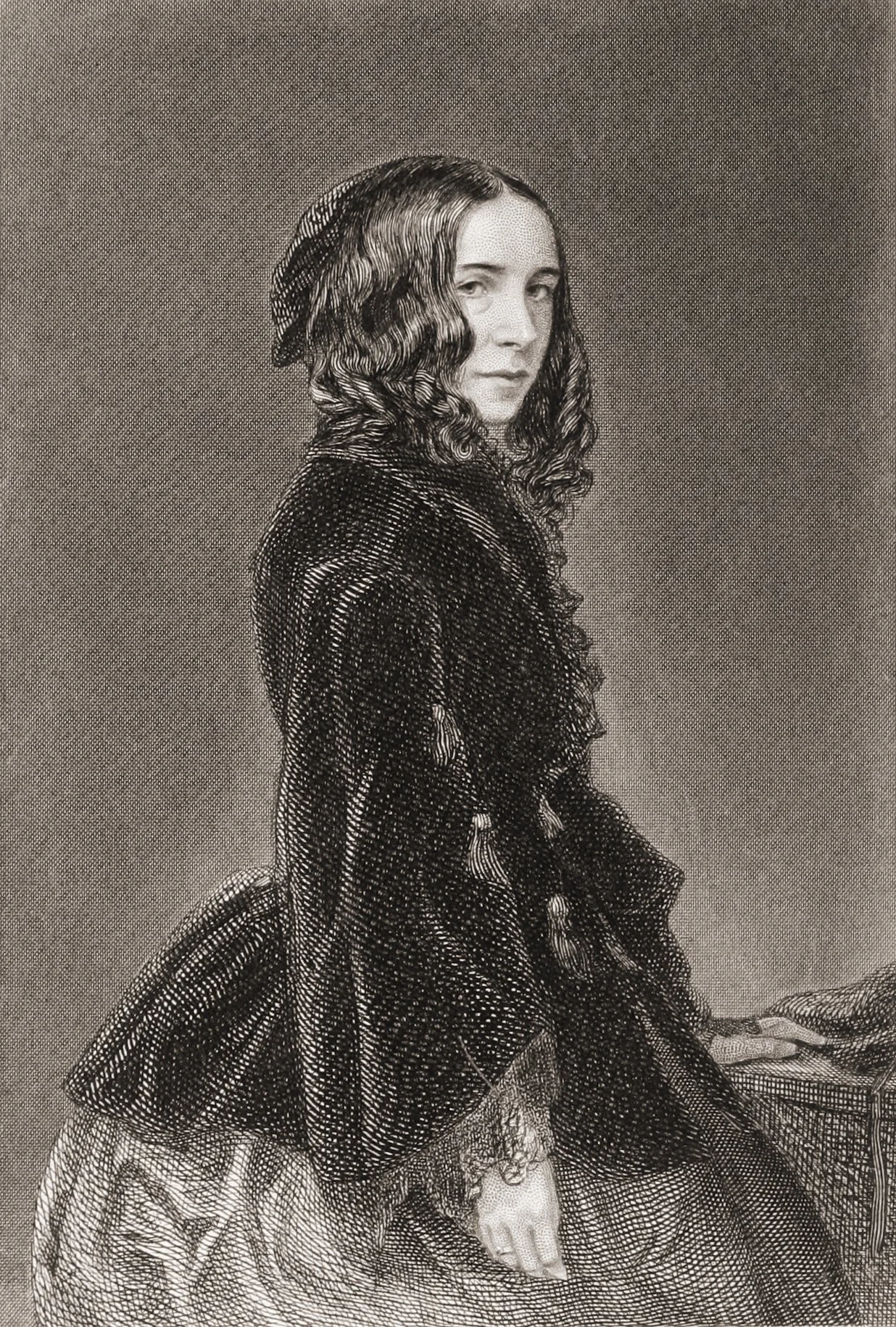
Context:
In the Chilton hallway, Rory and Paris finally get Tristin’s attention so they can reach their lockers. The bell rings, and Tristin and his girlfriend plan to meet up after biology. Before walking away, Tristin remarks, “Oh, to be young and in love.” Paris, thoroughly unimpressed, responds with: “What a shame Elizabeth Barrett Browning wasn’t here to witness this. She’d put her head through a wall.”
Explanation:
Paris is referencing Elizabeth Barrett Browning, a famous 19th-century poet known for her deeply romantic writing, especially her love poems to her husband, Robert Browning. She is often associated with intense, idealized love.
Paris is being sarcastic by implying that Tristin’s dramatic comment about being “young and in love” is so ridiculous and performative that even someone as famously romantic as Elizabeth Barrett Browning would be horrified by it.
7. “And he's staring at her like she's Miss September and she's looking at him like he's Johnny Depp.”
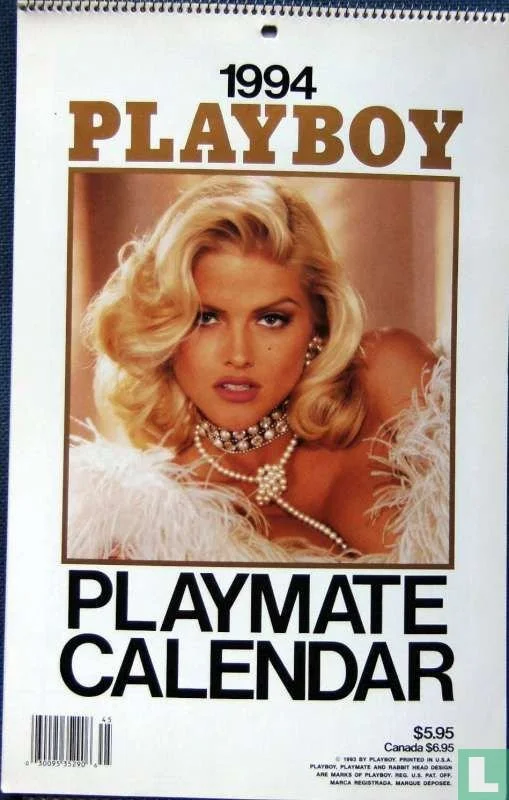
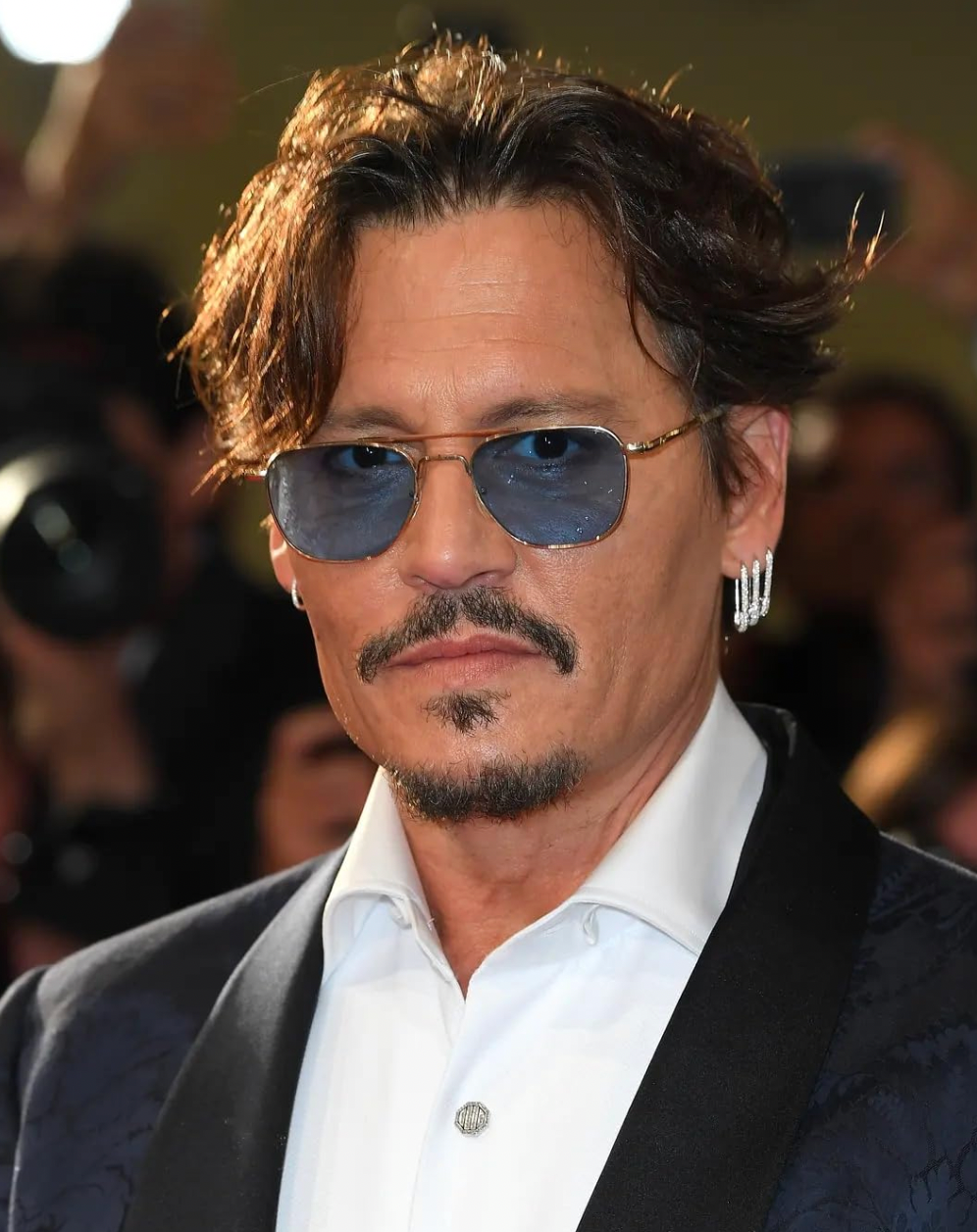
Context:
Rory is getting ready for her anniversary dinner with Dean while Lorelai helps her. At the same time, Lorelai tells Rory about the awkward situation at Luke’s, where Luke’s ex-girlfriend Rachel suddenly walked into the diner. Describing the tension between them, Lorelai says: “And he’s staring at her like she’s Miss September and she’s looking at him like he’s Johnny Depp.”
Explanation:
Lorelai uses two pop culture references to describe very obvious physical attraction. “Miss September” refers to Playboy’s “Playmate of the Month,” suggesting Luke is looking at Rachel in a very admiring, not-subtle way. Johnny Depp was also extremely popular at the time and widely seen as very attractive. He was even later named People magazine’s Sexiest Man Alive in 2003. The line is Lorelai’s way of saying the chemistry between Luke and Rachel is immediate and impossible to miss.
8. “Wow, it's gonna be just like Lady and the Tramp. You'll share a plate of spaghetti, but it'll just be one long strand, but you won't realize it until you accidentally meet in the middle.”
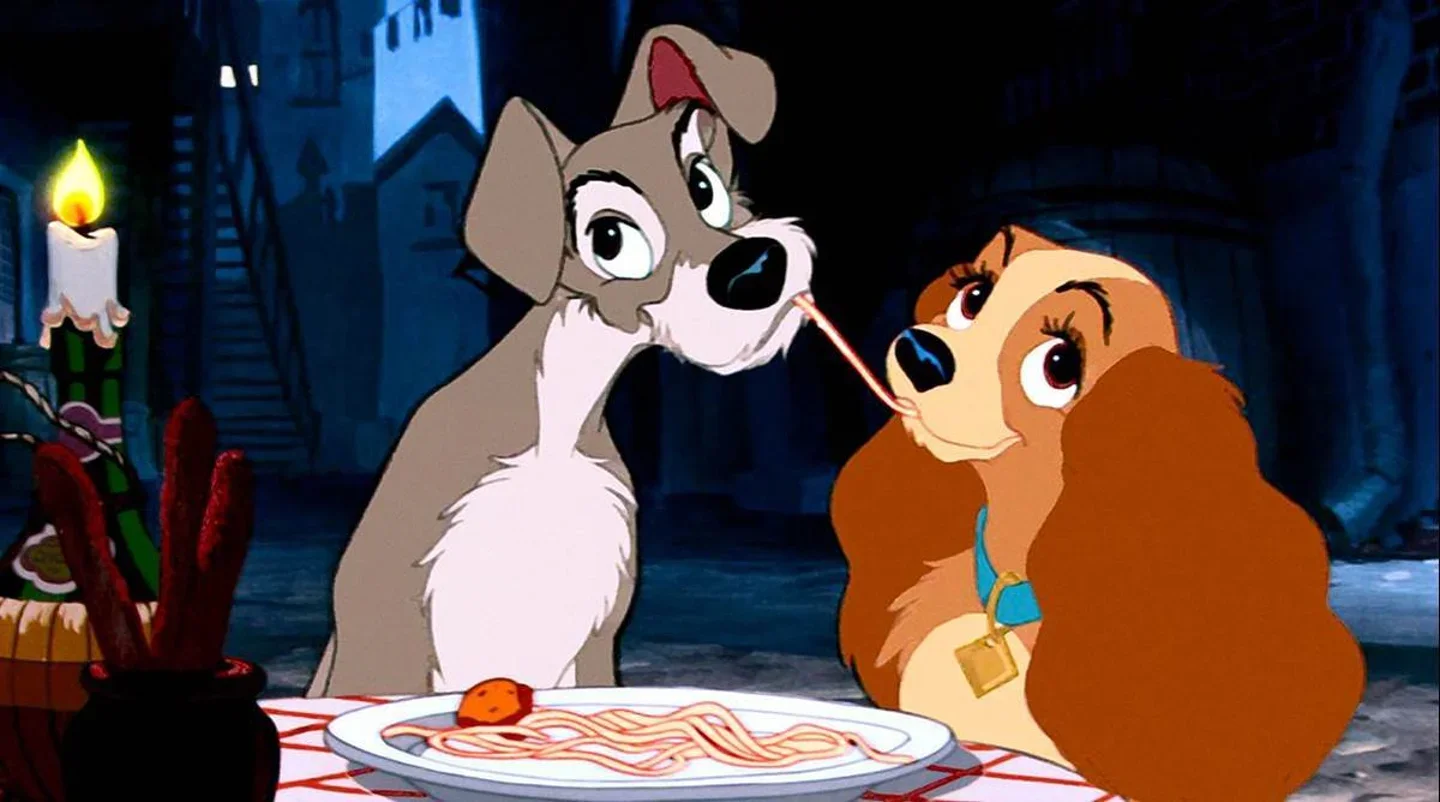
Context:
Lorelai and Rory are talking about Rory’s anniversary date with Dean. Lorelai keeps asking where Dean is taking her, and Rory finally gives in and admits he’s taking her to “Andoloro’s.” Lorelai immediately starts imagining an overly romantic restaurant scene, joking: “Wow, it’s gonna be just like Lady and the Tramp. You'll share a plate of spaghetti, but it'll just be one long strand, but you won't realize it until you accidentally meet in the middle.”
Explanation:
Lorelai is referencing Lady and the Tramp, a classic Disney animated movie released in 1955. One of its most famous scenes shows the two dogs sharing a plate of spaghetti and accidentally meeting in the middle of one long noodle, leading to a romantic kiss.
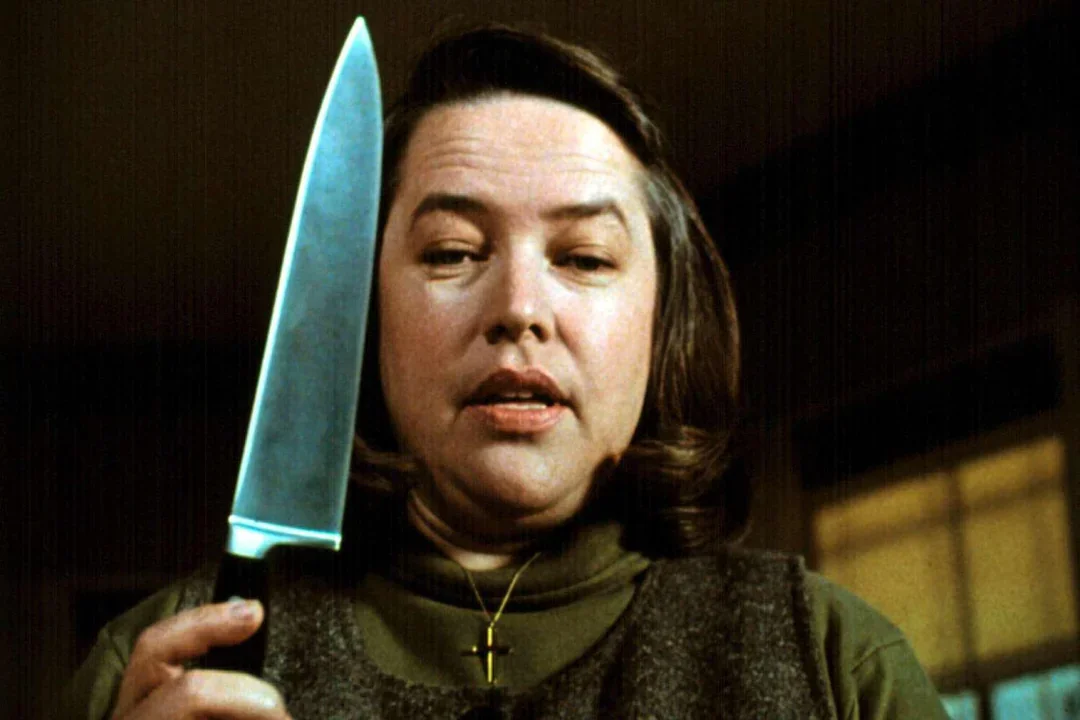
9. “Oh God. Mom has gone a little crazy with the figurines here, huh? A little Kathy Bates.”
Context:
Lorelai arrives at Friday night dinner without Rory, which already makes the evening feel unusual and awkward. She joins Richard in the living room while he’s reading the paper, and she tries to make small talk. Noticing Emily’s many decorative figurines, Lorelai says, “Oh God. Mom has gone a little crazy with the figurines here, huh? A little Kathy Bates.”
Explanation:
Lorelai is referring to Kathy Bates, who is famous for playing intense, unsettling characters, especially in the 1990 movie Misery. In Misery, Bates plays a woman who becomes dangerously obsessed with a writer and keeps him trapped in her house, which is why her name is often used as shorthand for someone taking something a little too far. With this line, Lorelai is implying that Emily’s obsession with arranging figurines feels slightly excessive.
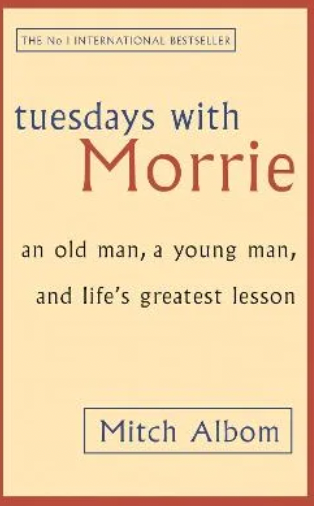
10. “Yeah, we're having a great conversation, me and Morrie.”
Context:
Still at Friday night dinner, Lorelai keeps trying to make small talk with her father, but Richard is focused on reading the paper and tells her to be quiet and not break anything. When Emily walks in and asks if they’re having a nice chat, Lorelai replies sarcastically: “Yeah, we’re having a great conversation, me and Morrie.”
Explanation:
Lorelai is referencing Morrie Schwartz, the teacher from Tuesdays with Morrie, a best-selling book about long, meaningful conversations between a student and his former professor. By joking that she and Richard are having a great conversation, “me and Morrie,” Lorelai sarcastically compares their awkward silence to the deep emotional talks in the book.
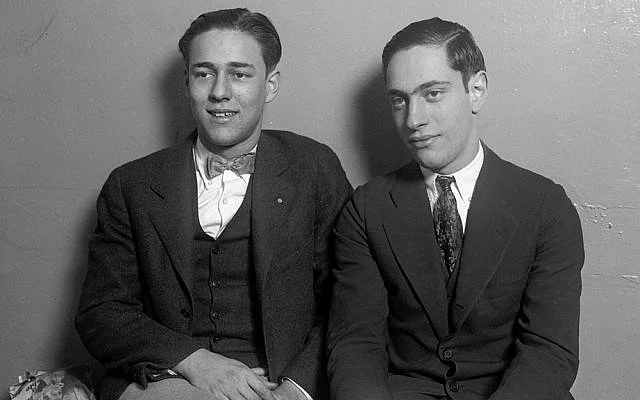
11. “That's right. Leopold and Loeb. Though I'm afraid they passed on quite a few years ago.”
Context:
At Friday night dinner, Emily has invited a guest, and it quickly becomes clear she is trying to set Lorelai up with him. The man, Chase, mentions that he used to live down the street in the stone house on the corner. Lorelai responds, “Oh, the house with the Dobermans.” Chase replies: “That’s right. Leopold and Loeb. Though I’m afraid they passed on quite a few years ago.”
Explanation:
Nathan Leopold and Richard Loeb became infamous in the 1920s for committing a shocking m*rder. Their names have since become cultural shorthand for something dark, unsettling, or overly intellectual in a creepy way. Chase mentioning that the dogs were named after them only reinforces Lorelai’s point that he’s a little… well, let’s just say creepy.
Note:
In the series Riverdale, Archie is incarcerated in the "Leopold & Loeb Institute for Delinquent Youth”. This is where he says the iconic line, “the epic highs and lows of high school football.”
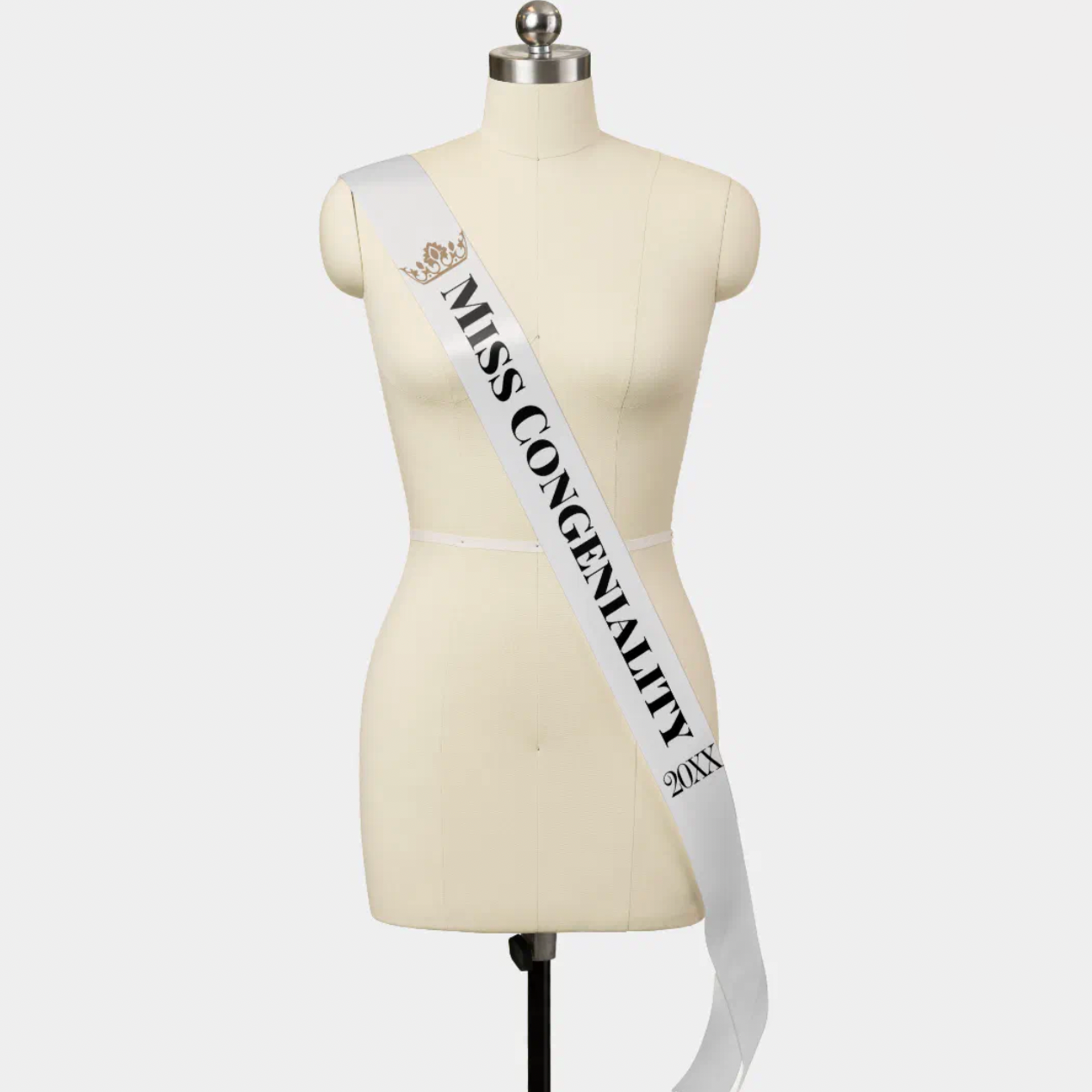
12. “Ah, this is why the Miss Congeniality act when Rory wanted to beg out of dinner.”
Context:
During Friday night dinner, Lorelai and Emily end up in the kitchen, and Lorelai quickly realizes that Emily has invited Chase to set them up. Suddenly, Emily’s unusually pleasant behavior earlier in the evening makes sense. Lorelai puts the pieces together and says, “Ah, this is why the Miss Congeniality act when Rory wanted to beg out of dinner.”
Explanation:
“Miss Congeniality” is traditionally a title or award in beauty pageants given to the contestant deemed the most friendly and likable. The phrase also became widely popular through Miss Congeniality, a 2000 comedy starring Sandra Bullock as an undercover FBI agent competing in a pageant.
By calling Emily’s behavior a “Miss Congeniality act,” Lorelai points out that her mother is putting on an unusually sweet, pleasant performance to make her matchmaking plans work.
Side Note:
One small detail that has always stood out to me in this episode is the Glenfiddich. Gilmore girls doesn’t often drop specific alcohol brands, and later in the series Richard usually talks more generally about his whisky collection or wanting to “break something special in,” which feels much more like him. Here, though, he offers Chase Glenfiddich — and while it’s definitely not a bad Scotch, it feels like the kind of Scotch you pour when you don’t care enough to reach higher, especially for someone like Richard Gilmore.
And Chase’s response, a quick “fine,” only reinforces that he’s more interested in sounding polished than actually knowing what he’s drinking. To me, it’s a small but telling moment that reinforces the impression that even Richard doesn’t take this “date” seriously.
13. “I do not eat cute. No one eats cute. Bambi maybe, but he’s a cartoon”
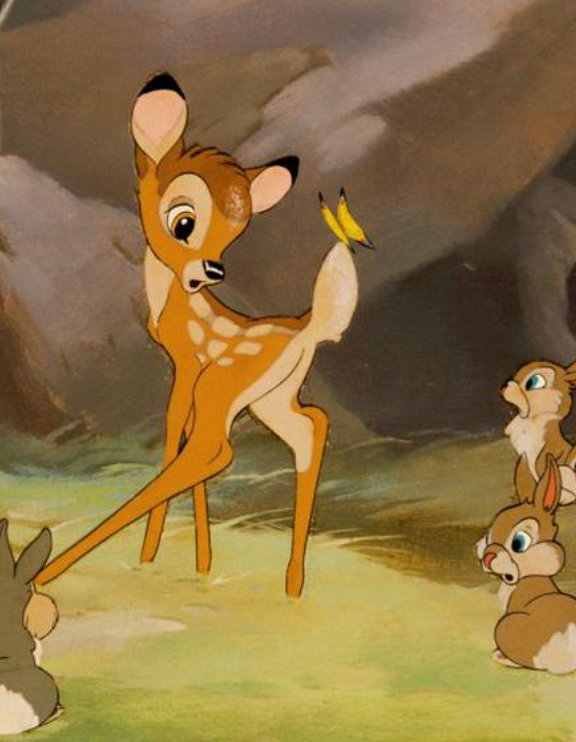
Context:
Rory and Dean are at their anniversary dinner, and Rory is happily listing all the things that feel perfect about the evening, including how good the tiramisu is. Dean tells her she looks cute while she’s eating, and Rory immediately rejects the idea. She insists that no one can “eat cute,” adding: “Bambi maybe, but he’s a cartoon.”
Explanation:
Rory is referencing Bambi, a classic Disney animated movie released in 1942 about a young deer. Bambi is often associated with sweetness, innocence, and wide-eyed cuteness. Rory’s saying that “eating cute” isn’t a real thing for actual people. Only an animated baby deer could somehow look adorable while chewing.
14. “Phase 2. Sounds very official, are there space suits involved?”

Context:
During Rory and Dean’s anniversary dinner, Dean reveals that the dinner is only the first part of the evening. He tells Rory they can now move on to “phase two.” Rory immediately jokes: “Phase 2. Sounds very official, are there space suits involved?”
Explanation:
Rory is poking fun at Dean’s wording. Calling the evening “phase two” makes it sound like a formal mission or a government project. Rory takes the exaggeration further by bringing up space suits, implying something NASA-like or astronaut-related.
15. “I'd have to feed the information into a computer to get the answer. I'm no Kreskin!”

Context:
At Friday night dinner, Richard, Emily, Lorelai, and Emily’s invited guest, Chase, are sitting at the table. Chase talks about his work in life insurance and claims that, with enough data, it’s possible to predict life expectancy. Lorelai jokingly challenges him and dares him to try it on Emily. Chase quickly backs off and replies, “I’d have to feed the information into a computer to get the answer. I’m no Kreskin!”
Explanation:
Chase is referencing The Amazing Kreskin, an American mentalist and performer known for mind-reading-style stage acts in the 1970s and beyond. Kreskin was associated with the idea of having mysterious psychic abilities.
By saying “I’m no Kreskin,” Chase means he isn’t psychic and can’t just guess someone’s future on the spot. He would need real data and computer calculations.
16. “Okay. Uh, did you ever see Christine?”

Context:
Rory and Dean arrive at “phase two” of their anniversary date, and it turns out Dean has brought her to a salvage yard. Rory is confused and asks what this place is. Trying to reassure her, Dean asks: “Okay. Uh, did you ever see Christine?” and quickly adds that it’s nothing like that.
Explanation:
Dean is referencing Christine, a 1983 horror movie based on Stephen King’s novel about a possessed car that becomes dangerous and violent. The movie is closely linked to eerie junkyards, wrecked cars, and creepy automotive imagery.
By mentioning Christine, Dean is joking that the salvage yard might look like the setting for a horror movie, but that nothing scary will happen.
17. “You brought me to Beirut?”
”It’s a salvage yard.”
Ah. And yet it looks so much like Beirut.”
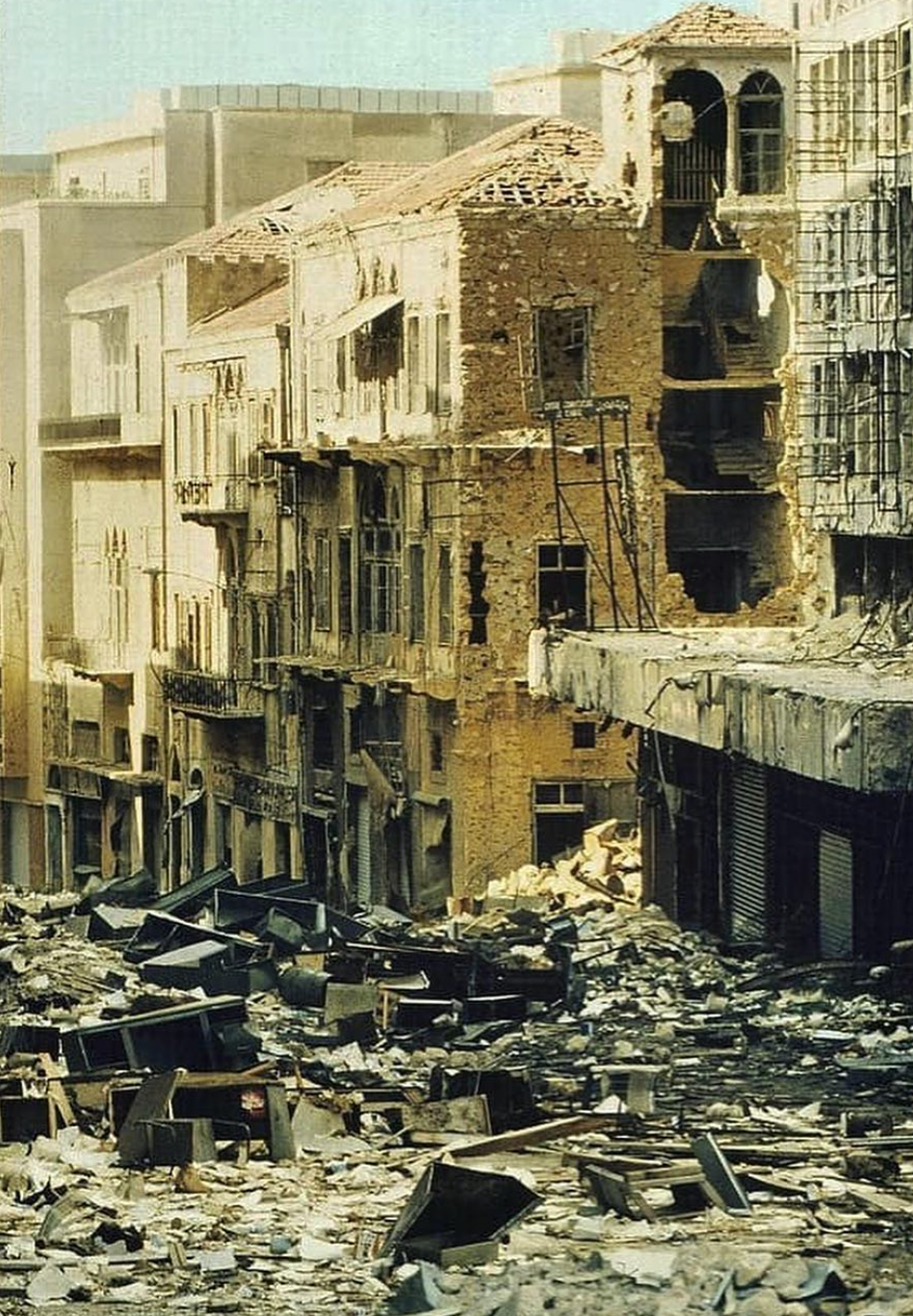
Context:
Rory and Dean continue into “phase two” of their anniversary date, and Rory is still confused about where they are. Looking around at the wrecked cars and scrap metal, she jokes, “You brought me to Beirut?” Dean explains that it’s a salvage yard. Rory replies dryly: “Ah. And yet it looks so much like Beirut.”
Explanation:
Rory is referencing Beirut, the capital of Lebanon. Beirut was often shown in Western news coverage as a war-torn place during the Lebanese Civil War (1975–1990). For many Americans in the 1980s and 1990s, “Beirut” became a shorthand reference for destruction, rubble, and chaos. By comparing the salvage yard to Beirut, Rory is suggesting that the piles of wreckage look like a disaster zone.
Note:
Note
While writing these posts, I’ve started noticing how rarely Gilmore girls uses very prominent licensed songs in the early episodes, aside from the town troubadours and the familiar “la-las.” That’s why it really stood out to me that during the scene where Dean tells Rory he loves her for the first time, we hear “Oh My Love” (1971) by John Lennon and Yoko Ono.
Curious about the choice, I ended up reading an interview with Amy Sherman-Palladino quoted in a 2002 New York Daily News article, where she explains that music is never interchangeable for her. She says there’s always a specific reason she wants a certain song for a moment, and that she would rather spend money on the perfect track than on an extra set.
It also makes me wonder if the real-life love story of John Lennon and Yoko Ono played into the decision here, adding another emotional layer beneath what’s happening between Rory and Dean.
Honorable Mentions In This Episode:
Authors/Books/Magazines:
Leo Tolstoy (Dean is reading Anna Karenina early in the episode. Rory mentions this is one of her favorite books)
The New Yorker
Movies/TV-shows/Plays:
Misery
Lovers and Other Strangers
Romeo and Juliet
Musicians:
Tito Puente
I hope this was helpful in understanding some of the references from Gilmore girls and that we are one step closer to decoding our ultimate comfort show.
If I missed something or you have another interpretation of a reference, let me know—I’d be happy to add it!
More posts about Gilmore girls