Gilmore girls: Season 1 Episode 18 References Explained
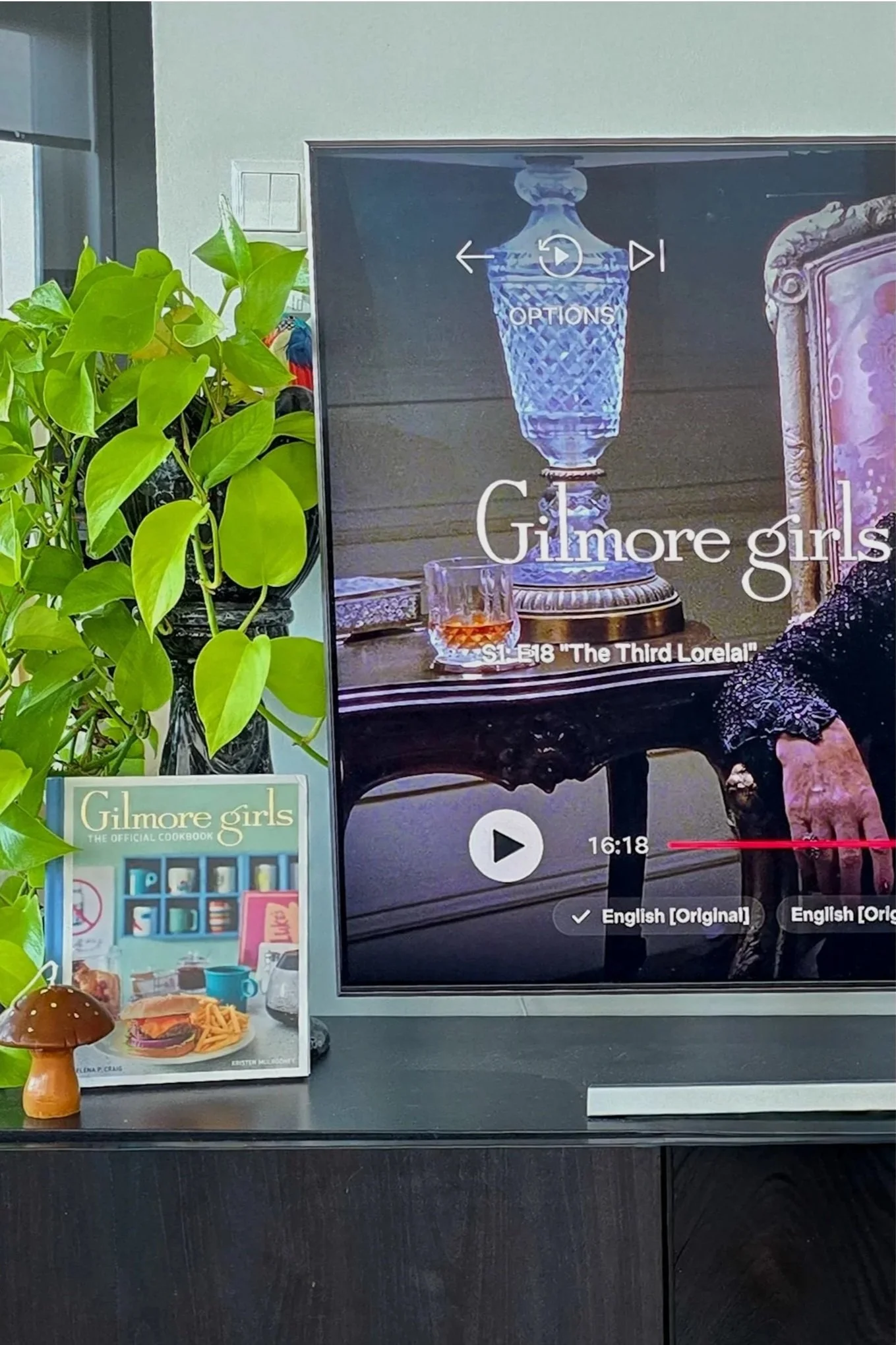
Gilmore girls is famous for its quick dialogue, witty banter, and the endless pop culture references that make every rewatch just as entertaining as the first. That’s what inspired me to start this series: breaking down every reference, episode by episode, and seeing just how many I’d missed after all these years.
Episode 18, “The Third Lorelai,” introduces a whole new layer to the Gilmore family dynamic when Richard’s mother, Lorelai (Trix), comes to visit. And almost immediately, the balance shifts. Emily completely loses it at the news, and for once, Lorelai isn’t the main target at Friday night dinner.
What I really like about this episode is how much it reveals through that generational contrast. Lorelai and Emily’s usual roles start to blur. Emily is the one in the hot seat now—being criticised, dismissed, and made to feel like she’s never quite doing enough. It’s the exact position Lorelai so often occupies, and watching Emily become the daughter in that dynamic is strangely revealing.
Things get even more complicated when Trix offers Rory money for school. On paper, it’s generous. But emotionally, it touches a nerve Lorelai didn’t expect. Emily insinuates that if Rory has that kind of financial independence, she might not stay as close to Lorelai anymore—that maybe Rory won’t “need” her in the same way. And even if Lorelai doesn’t truly believe that, it’s enough to unsettle her. The idea that her relationship with Rory could change, or that she and Emily might be more alike than she wants to admit, freaks her out more than the money itself.
Meanwhile, Rory is dealing with the messy aftermath of her breakup with Dean and the fact that she kissed Tristin at Madeline’s party. She doesn’t actually want Tristin, but she’s clearly trying to redirect all that emotional fallout into something more manageable, even attempting to steer him toward Paris, who still has feelings for him.
What ties it all together is how much of this episode is about unspoken insecurities bubbling up in sideways ways. Emily isn’t just reacting to Trix’s visit—she’s reacting to years of feeling judged and diminished in her own home. Lorelai isn’t only stressed about money—she’s unsettled by what it might change between her and Rory, and by the uncomfortable possibility that she and Emily might be more alike than she wants to admit. And Rory, still raw from the breakup, keeps trying to manage the social chaos around her instead of sitting with what she feels.
As I was going through the references in this episode, one thing really stood out to me. So many of them revolve around old institutions and power structures—Queen Elizabeth, Henry VIII, kings and queens, Marie Antoinette, Sarah Ferguson, the Tower of London, even the Spanish Inquisition. It’s almost like the episode is quietly filled with the language of courts, hierarchy, and judgment. And that fits perfectly, because “The Third Lorelai” is all about what happens when authority enters the room, roles start to shift, and everyone feels a little less secure than they thought.
Because of all this, the episode is packed with pop-culture references, but the emotional stakes underneath them feel heavier than usual. “The Third Lorelai” is one of those episodes that looks like a family-dinner story on the surface but ends up delving into something much deeper.
In this series, I go through each reference I can find, explaining what it means, where it comes from, and how it fits into the story, along with a full list of the books, music, movies, and cultural mentions from the episode so you can keep track as you rewatch.
Gilmore girls is available to stream in most countries on Netflix and Disney+, so whether you’re rewatching or discovering it for the first time, you can easily follow along with every reference.

Looking for the perfect gift this season?
Discover my Gilmore girls inspired gift guide!
Looking for another episode? You got it:
Season 1, Episode 1 “Pilot”
Season 1, Episode 2 “The Lorelais’ First Day at Chilton
Season 1, Episode 3 “Kill Me Now”
Season 1, Episode 4 “The Deer Hunters”
Season 1, Episode 5 “Cinnamon’s Wake”
Season 1, Episode 6 “Rory’s Birthday Parties”
Season 1, Episode 7 “Kiss and Tell”
Season 1, Episode 8 “Love and War and Snow”
Season 1, Episode 9 “Rory’s Dance”
Season 1, Episode 10 “Forgiveness and Stuff”
Season 1, Episode 11 “Paris is Burning”
Season 1, Episode 12 “Double Date”
Season 1, Episode 13 “Concert Interruptus”
Season 1, Episode 14 “That Damn Donna Reed”
Season 1, Episode 15 “Christopher Returns”
Season 1, Episode 16 “Star-Crossed Lovers and Other Strangers”
Season 1, Episode 17 “The Breakup: Part 2”
Season 1, Episode 18 “The Third Lorelai”
Season 1, Episode 19 “Emily in Wonderland”
Season 1, Episode 20 “P.S. I Lo…”
Season 1, Episode 21 “Love, Daisies and Troubadours”
Okay, let’s get into it! Here are all the references explained from Gilmore girls Season 1 Episode 18 “The Third Lorelai”
1.
“Peace out Humphrey.”
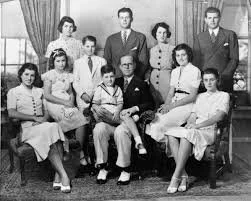
“Do you know that every night at dinner, the Kennedy clan would sit around the table having lively debates about everything under the sun?
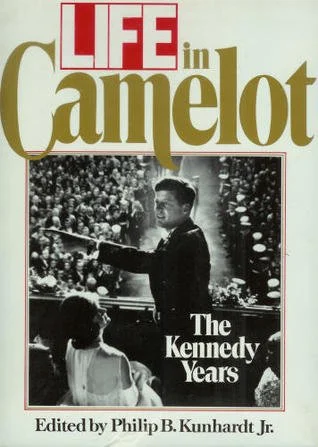
“Camelot is truly dead.”

Context:
This is the opening scene at Friday night dinner. Emily points out that everyone is being awfully quiet, but Rory and Lorelai explain that they’re simply tired.
Instead of making real conversation, they fall into their usual shorthand:
“School. Work. Life.”
“Dig it, man.”
“Peace out, Humphrey.”
Emily, unimpressed, insists that dinner should involve lively discussion and intellectual debate. She compares the Gilmore family to the Kennedys, imagining dinner as something far more refined. Lorelai immediately derails the conversation with a fact about b*tt models, to which Emily responds: “Camelot is truly dead.”
Explanation:
“Dig it, man”
Lorelai uses slang linked to 1960s counterculture. “Dig it” means something like I like it or I’m into it. She frames their tired “school, work, life” exchange in an exaggerated, laid-back style.
“Peace out, Humphrey”
Rory continues the same counterculture tone. “Peace out” is a casual goodbye linked to “peace and love” language from that era. “Humphrey” likely refers to Hubert Humphrey, an American political figure of the 1960s and Vice President under Lyndon B. Johnson. He was also connected to early ideas behind the Peace Corps, which fits the “peace” theme of Rory’s line.
“The Kennedy clan”
Emily mentions the Kennedy family, one of the most famous political dynasties in the United States, often associated with wealth, education, and East Coast prestige. She describes their dinners as full of serious discussion (debates, quizzes, and intellectual conversation), using them as an example of how family dinners should look.
(Fun fact: In Season 3, Episode 3 (“Application Anxiety”), Rory experiences a similar Kennedy-esque dinner atmosphere where people are expected to discuss current events.
“Camelot is truly dead”
“Camelot” is the name of King Arthur’s castle and court in Arthurian legend. In American culture, the term is also used to describe the presidency of John F. Kennedy, often seen as an idealised “golden age.” This meaning became famous after Kennedy’s assassination in 1963, when Jacqueline Kennedy referenced the 1960 musical Camelot. She quoted the line:
“Don’t let it be forgot, that once there was a spot, for one brief, shining moment, that was known as Camelot.”
She explained that Kennedy loved those lyrics, and she added: “There will be great presidents again, but there’ll never be another Camelot again.” So when Emily says “Camelot is truly dead,” she is responding to the collapse of the elegant, intellectual dinner atmosphere she had just described.
2. “What did David Mamet just stop by.”
Context:
Richard announces that his mother, Lorelai (Trix), will soon be visiting from London. Emily immediately panics and rushes to the basement to pull out all the gifts Trix has sent over the years. Lorelai goes with her, watching her mother spiral as she digs through decades of strange, overly decorative items. Emily starts listing everything Trix has given them—fish lamps, dog statues, lion tables, and “stupid naked angels with their… butts!”
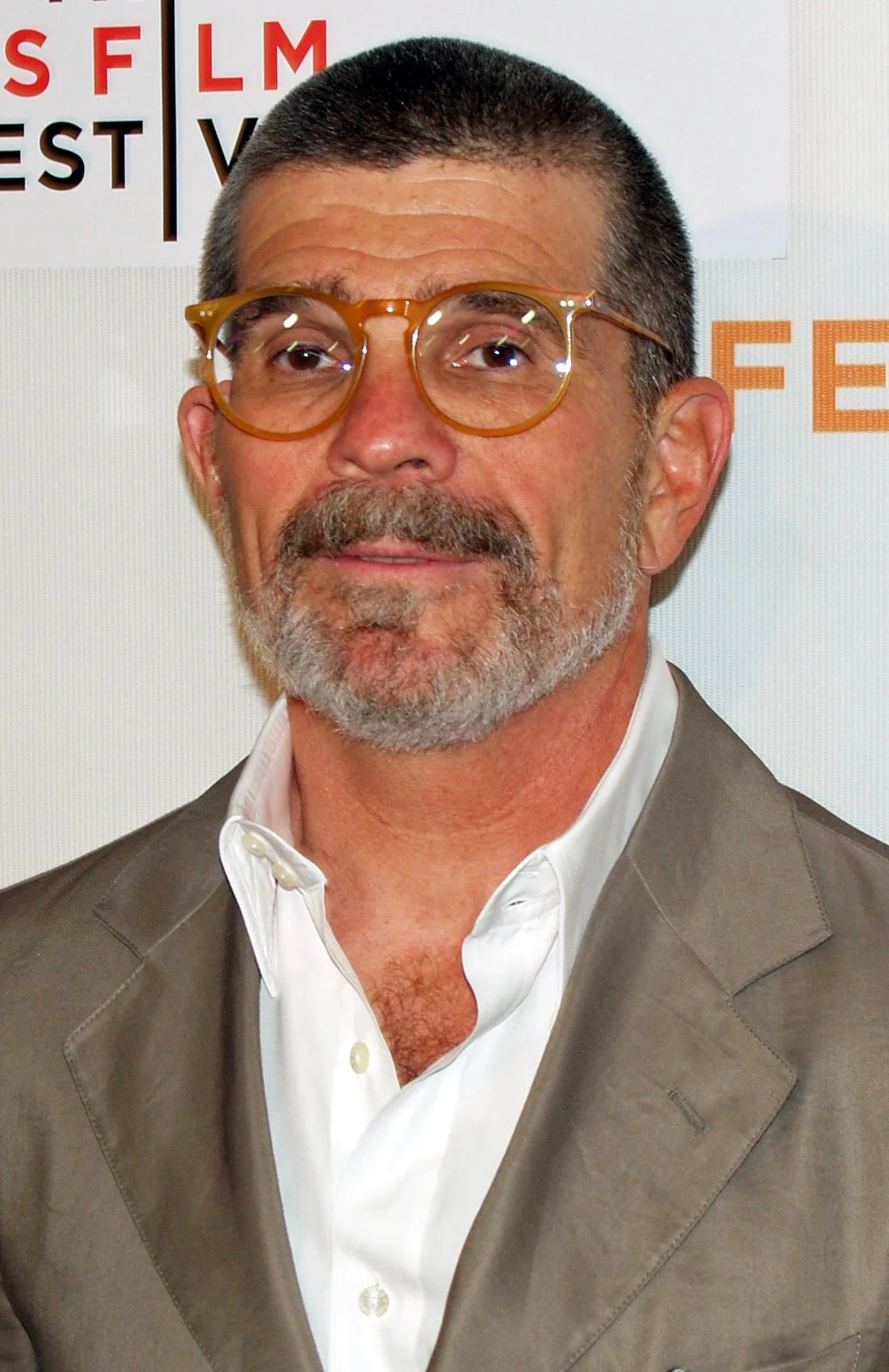
Lorelai jumps in with: “Whoa! Stupid n*ked angel b*tts? What, did David Mamet just stop by?”
Explanation:
David Mamet is an American playwright and screenwriter, best known for his 1983 play Glengarry Glen Ross. The story follows real estate agents who will do almost anything to make a sale. The play won the Pulitzer Prize in 1984 and was later turned into a movie in 1992. Mamet’s writing is famous for its sharp, fast dialogue and profane language.
Lorelai teases Emily for using the word “b*tts,” which feels unusually blunt for her. She sarcastically suggests that David Mamet must have stopped by, as if Emily has suddenly started talking like a character from one of his gritty, profanity-filled plays.
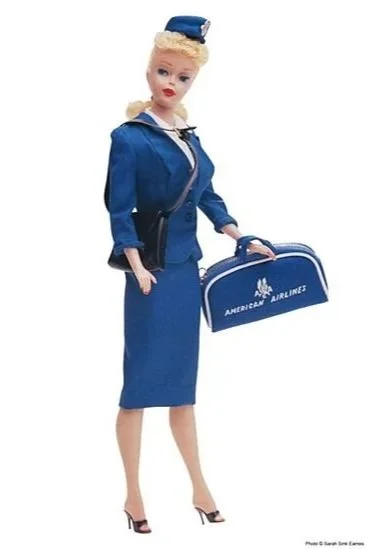
3. “You know, not all girls want to be queen Paris. Even Barbie ended up being a stewardess.”
Context:
In the hallway at Chilton, Paris notices that something feels off between Rory and Tristin, since they are acting strangely around each other. Paris doesn’t know about the kiss at Madeline’s party, so she’s trying to figure out what’s going on. They are discussing their school project about the Elizabethan government, where Paris wants Rory to play Queen Elizabeth and Tristin to play the King.
Rory tries to avoid the whole situation, and when Paris questions why Rory doesn’t want the “queen” role, Rory responds: “You know, not all girls want to be queen, Paris. Even Barbie ended up being a stewardess.”
Explanation:
Rory is referencing Barbie, the famous doll created by Mattel in 1959. Barbie was designed as a symbol of possibility, showing young girls that they could imagine themselves in many different roles and futures. Barbie being a stewardess was also one of her earlier career versions, and at the time, it was seen as a glamorous, high-status job for young women.
Rory’s comment isn’t really meant to be a strong or logical argument, though. She’s feeling awkward because of what happened with Tristin, and she doesn’t want to explain herself to Paris. So she grabs a random comparison and throws it out quickly. Mentioning Barbie is part of that deflection—Rory is trying to steer the conversation away from Tristin rather than genuinely debating who should play queen.
4.
“First thought - lose the word manifesto.”
“Too cabin-in-the-woods?”
“Don't open your mail”

Context:
Still in the hallway at Chilton, Paris quickly moves on from questioning Rory about Tristin and starts talking about the written statement she has prepared for their class project. She calls it her “manifesto.” Rory immediately reacts and tells her she should probably not use that word. Paris asks, “Too cabin-in-the-woods?” and Rory replies, “Don’t open your mail.”
Explanation:
This exchange is a reference to Ted Kaczynski, an American domestic terrorist, known as the Unabomber, who became notorious in the 1980s and 1990s. Kaczynski lived alone in a remote cabin and wrote a long document titled Industrial Society and Its Future, often referred to as the “Unabomber Manifesto.” In it, he argued against modern industrial society and technology, believing that they controlled people’s lives and removed personal freedom. He promoted a return to a more self-sufficient way of living, away from large systems and institutions.
He also carried out a series of attacks by sending bombs through the mail, mainly targeting people connected to universities, airlines, and modern technology.
So Rory’s comments mean:
“Lose the word manifesto” suggests that calling something a manifesto sounds extreme
“Too cabin-in-the-woods?” connects to his isolated lifestyle
“Don’t open your mail” refers to his mail bombs
5. “Well, that could have been a potential Marx Brothers moment.”
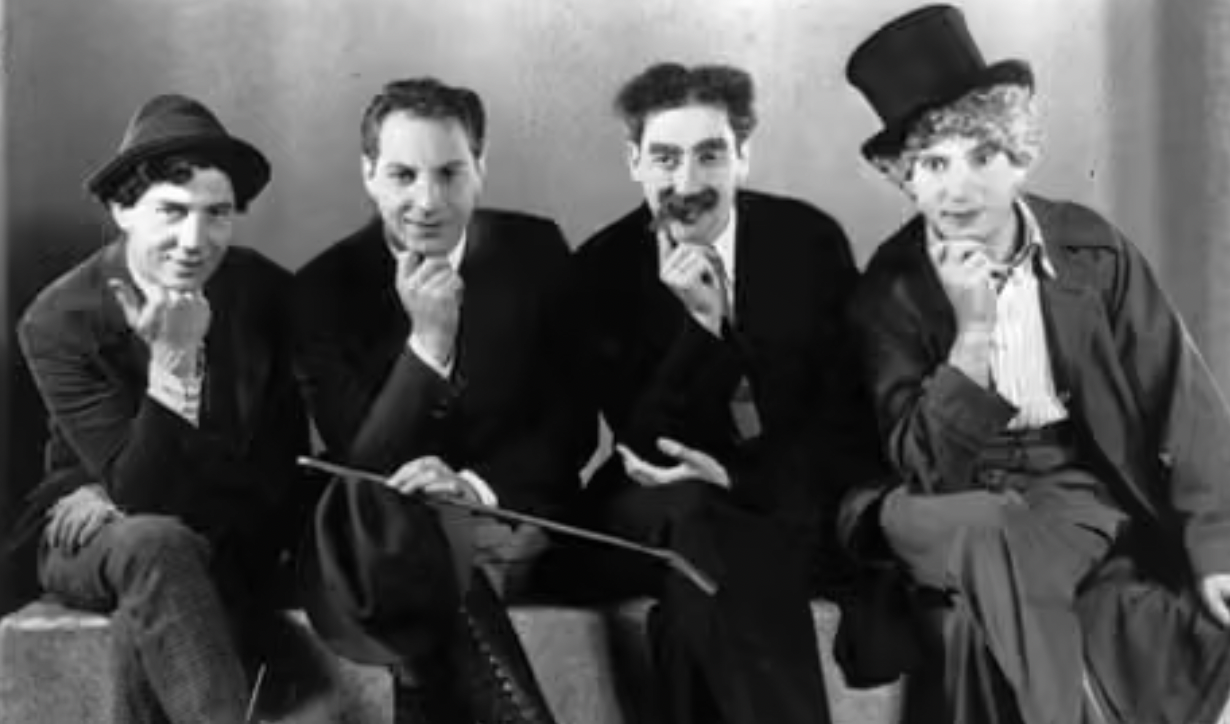
Context:
In the hallway at Chilton, Paris walks away, and Tristin comes up to Rory to return the notebook she forgot. The interaction is already awkward because of their kiss. They both try to walk through the doorway at the same time and back up. Rory comments: “Well, that could have been a potential Marx Brothers moment.”
Explanation:
The Marx Brothers were a famous American comedy group, popular in the 1930s, known for fast-paced slapstick humor and chaotic physical comedy. Their movies often included exaggerated moments of confusion, like people bumping into each other, getting stuck in doorways, or turning simple situations into ridiculous scenes.
6. “The fish flies at night.”
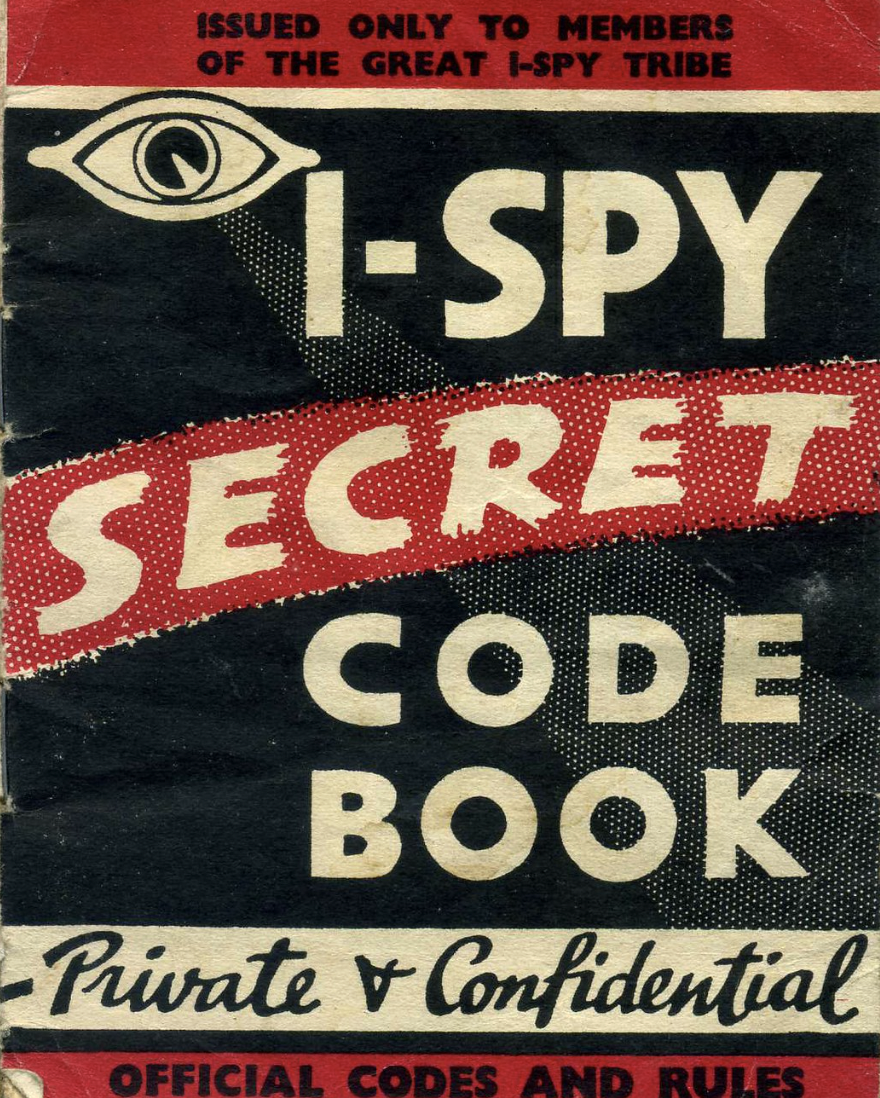
Context:
At the Independence Inn, Lorelai gets a phone call from Emily. When she answers, Emily immediately says, “I need the hat rack,” without any greeting or explanation. Lorelai is completely confused and replies, “The fish flies at night.”
Explanation:
Lorelai is improvising a random phrase to make the conversation sound like a spy movie. Emily’s sudden, unexplained request (“I need the hat rack”) sounds like a secret code, so Lorelai responds with her own nonsense “code phrase,” as if they’re exchanging passwords in an undercover operation.
7. “What would Miss Manners say about this?”
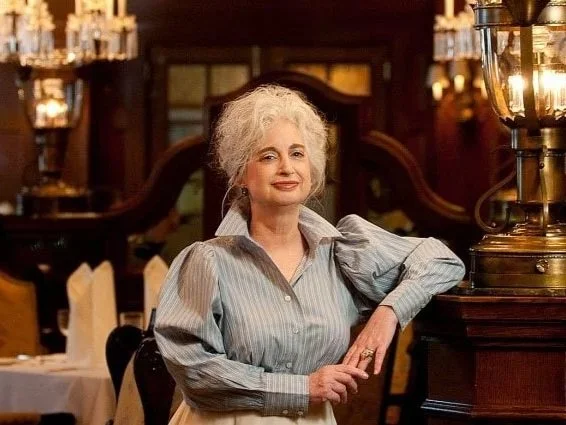
Context:
Still on the phone at the Independence Inn, Emily explains what she means by the hat rack. It turns out Richard’s mother, Lorelai (Trix), originally gave the hat rack to Emily. Emily then re-gifted it to Lorelai (her daughter). Lorelai reacts dramatically, shocked that Emily gave her a “second-hand” gift, and asks, “What would Miss Manners say about this?”
Explanation:
Miss Manners is the pen name of Judith Martin, an American etiquette writer and advice columnist. She is known for her strict opinions on proper behavior, good manners, and social rules, especially around things like dinner parties, thank-you notes, and gift-giving.
Lorelai brings her up a bit sarcastically because re-gifting can be seen as a breach of etiquette, especially in Emily’s very formal world. Lorelai exaggerates the situation by acting as if this is a major social scandal that needs an etiquette expert’s judgment.
8. “It'd probably involve some kind of lock up facility, one of those Hannibal Lector masks.”

Context:
Back at Chilton, Rory and Tristin keep awkwardly running into each other after their kiss at Madeline’s party. Eventually, they start talking about it directly. Tristin says he’s going to “swear off girls for a while.” Rory laughs, and when he asks why, she replies, “It’d probably involve some kind of lock-up facility, one of those Hannibal Lecter masks.”
Explanation:
Rory is referencing Hannibal Lecter, the famous fictional serial killer from Thomas Harris’s novels, most famously portrayed in the movie The Silence of the Lambs (1991). In the film, Lecter is sometimes shown wearing a muzzle-like restraint mask while being transported, because he is considered extremely dangerous. Rory exaggerates Tristin’s comment by suggesting that avoiding girls would be so difficult for him that he’d need to be physically restrained in a locked facility.
9. “Louis, I think this is the beginning of a wonderful friendship.”
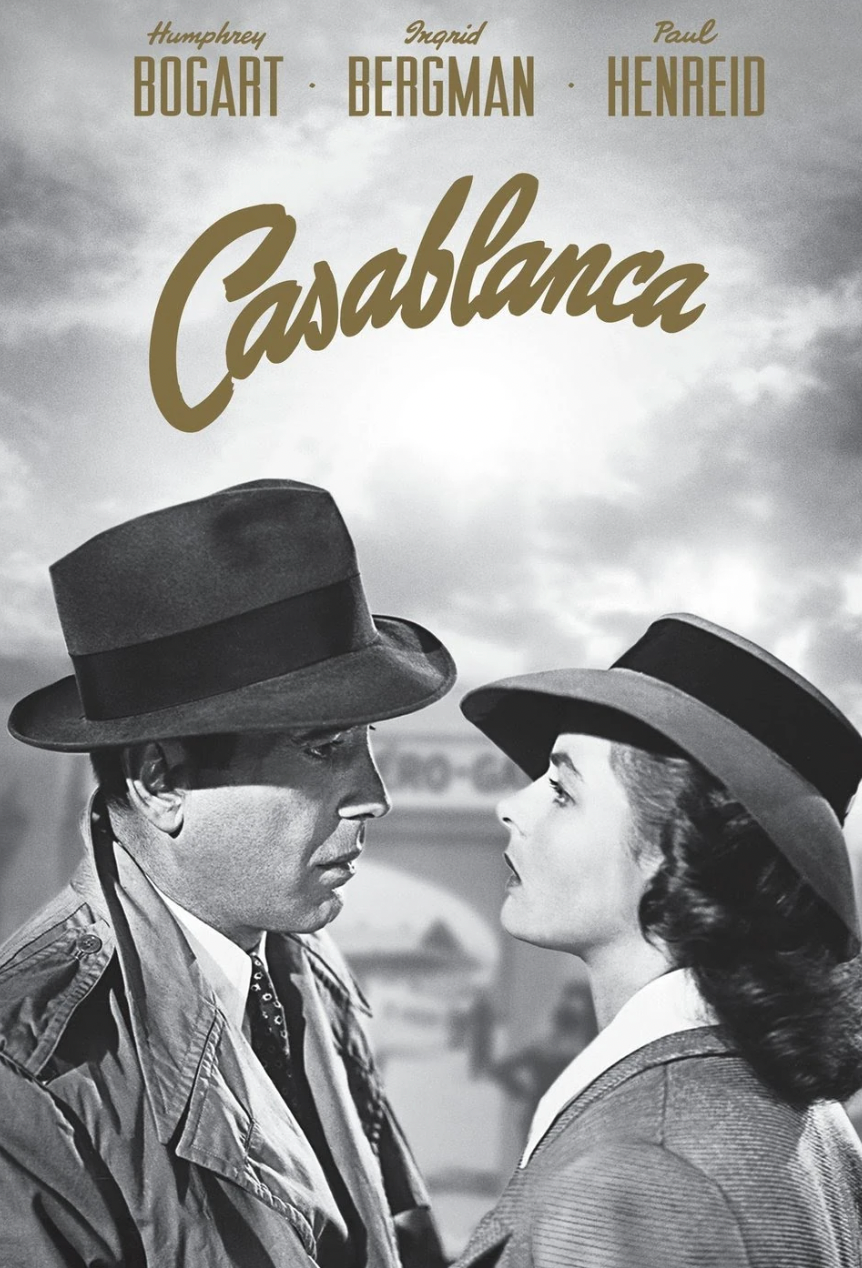
Context:
Still talking at Chilton, Rory suggests that Tristin should consider dating someone like Paris. Tristin agrees to think about it. After the surprisingly calm conversation, Rory comments on how it went and says, “Louis, I think this is the beginning of a wonderful friendship.”
Explanation:
This line is a reference to the classic movie Casablanca. At the end of the film, the character Rick says, “Louis, I think this is the beginning of a beautiful friendship.” Rory is quoting (slightly misquoting) that famous line to say they have moved forward a little and their relationship has shifted into something more calm and amicable.
Note:
Casablanca is referenced throughout Gilmore girls in many different episodes. If you’ve never seen it, I really recommend watching it; it’s genuinely a great movie.
10.
“Those who simply wait for information to find them, spend a lot of time sitting by the phone. Those who go out and find it themselves, have something to say when it rings.”
“Nietzsche?”
“Dawson.”
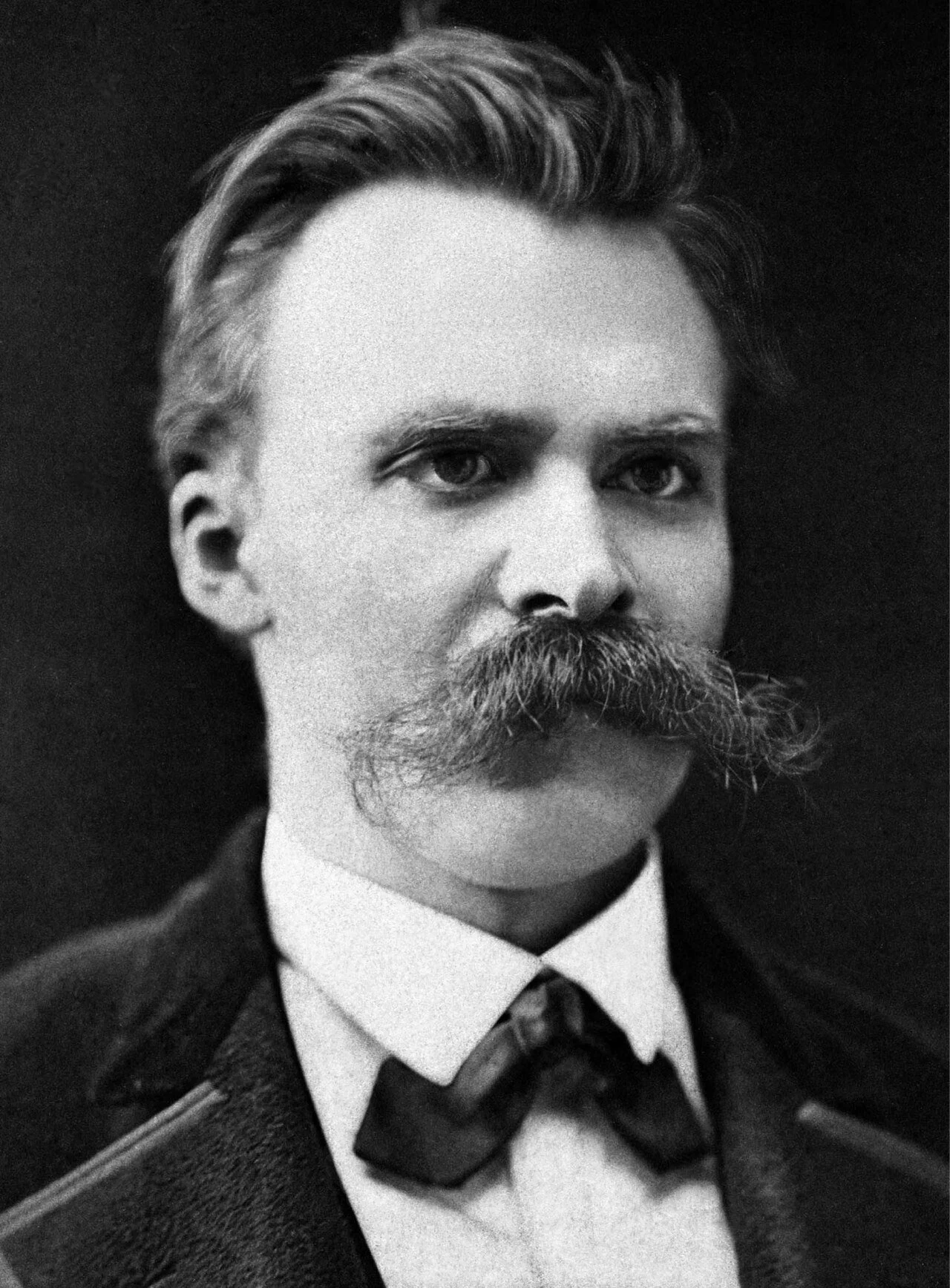
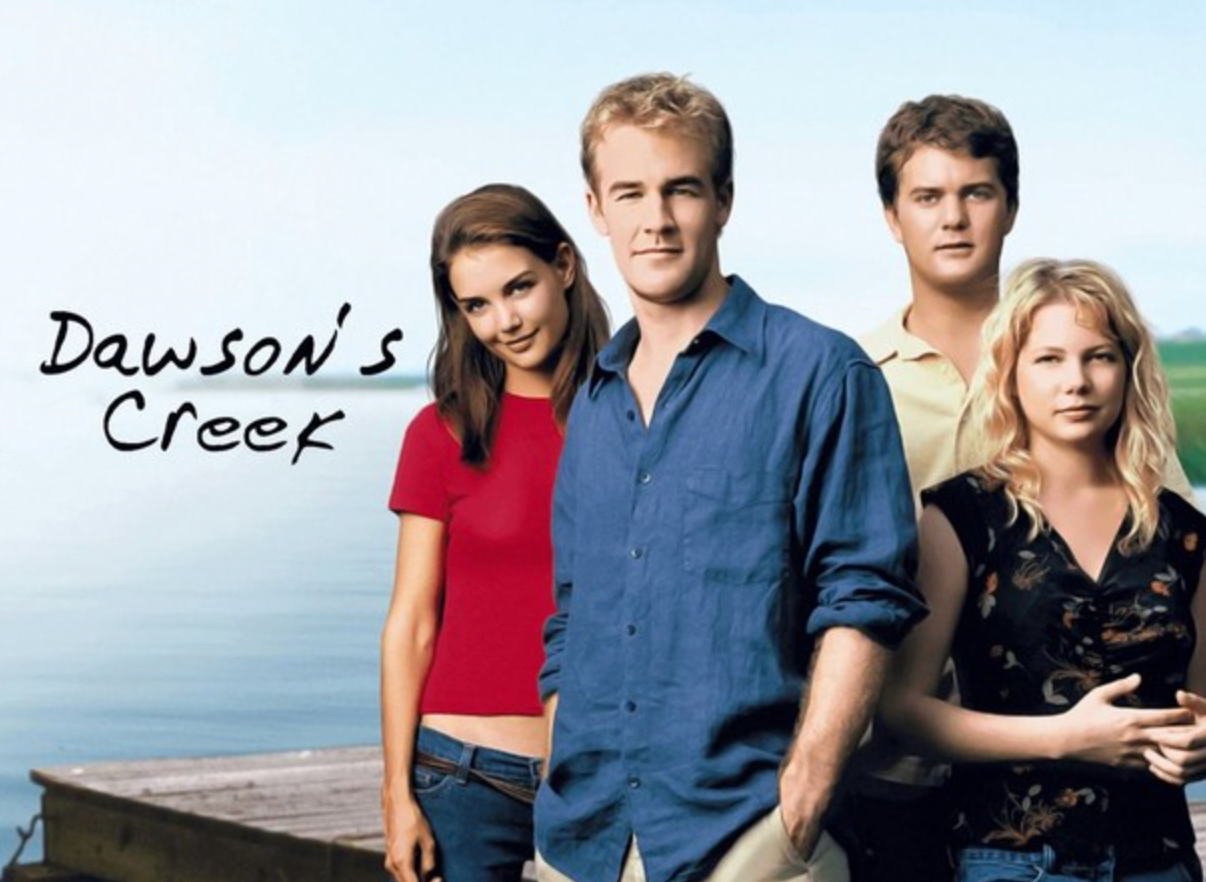
Context:
In the classroom at Chilton, Tristin arrives and asks Paris if he can talk to her privately. As soon as they leave, Madeline and Louise start speculating about what it could mean. Rory suggests they just wait for Paris to come back and ask her directly. Louise disagrees and delivers a very serious-sounding line:
“Those who simply wait for information to find them, spend a lot of time sitting by the phone. Those who go out and find it themselves, have something to say when it rings.”
Rory dryly asks if that quote is by Nietzsche, to which Louise replies, “Dawson”.
Explanation:
Louise’s quote sounds like something philosophical and deep, which is why Rory sarcastically asks if it’s from Friedrich Nietzsche (1844–1900), the famous German philosopher. But Louise answers “Dawson,” referring to Dawson’s Creek, a popular teen drama from 1998.
The joke is that Louise is quoting (or imitating) the kind of emotional, pseudo-philosophical lines that characters on Dawson’s Creek often say—making it sound like Nietzsche when it’s really just a teen TV show.
Note:
Dawson’s Creek was airing at the same time as Gilmore girls, so this reference adds a nice layer of realism as Louise is exactly the kind of person who would be watching the show at the time.
11.
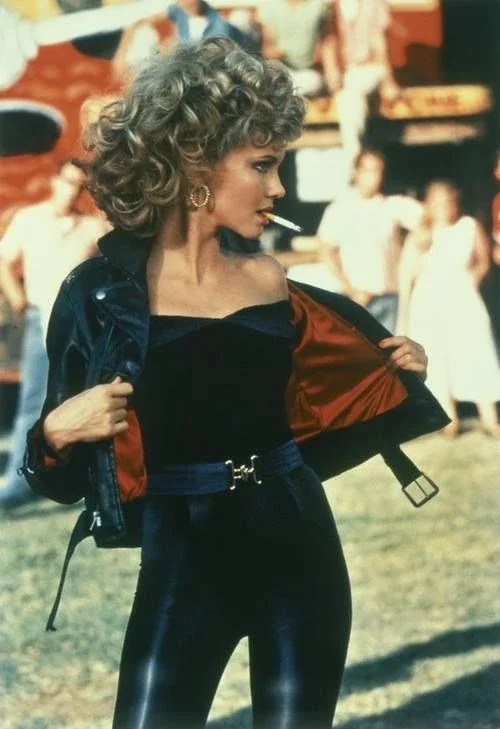
“Looks like we're going to have to do the Pink Ladies makeover on you.”
“We'll turn you from a sweet Sandy to a sluty Sandy. Dancing at the school fair with high heels, black spandex and permed hair.”
Context:
Still in the classroom, Paris returns after speaking privately with Tristin. She tells the girls that he asked her out on a date. Madeline and Louise are immediately intrigued, since Paris doesn’t fit the usual type of girl Tristin dates. They suggest that Paris needs a makeover and say, “Looks like we're going to have to do the Pink Ladies makeover on you.” “We'll turn you from a sweet Sandy to a slutty Sandy…”
Explanation:
This is a reference to the movie musical Grease. In the film, Sandy starts out as sweet and innocent. Near the end, she changes her look completely—wearing black clothes, high heels, and big hair—partly so she can fit in better with the guy she likes, Danny. The Pink Ladies are the popular girl group at school, and Sandy becomes friends with them over the course of the movie.
Madeline and Louise are comparing Paris to “sweet Sandy” and suggesting she needs a similar makeover if she’s going to date someone like Tristin.
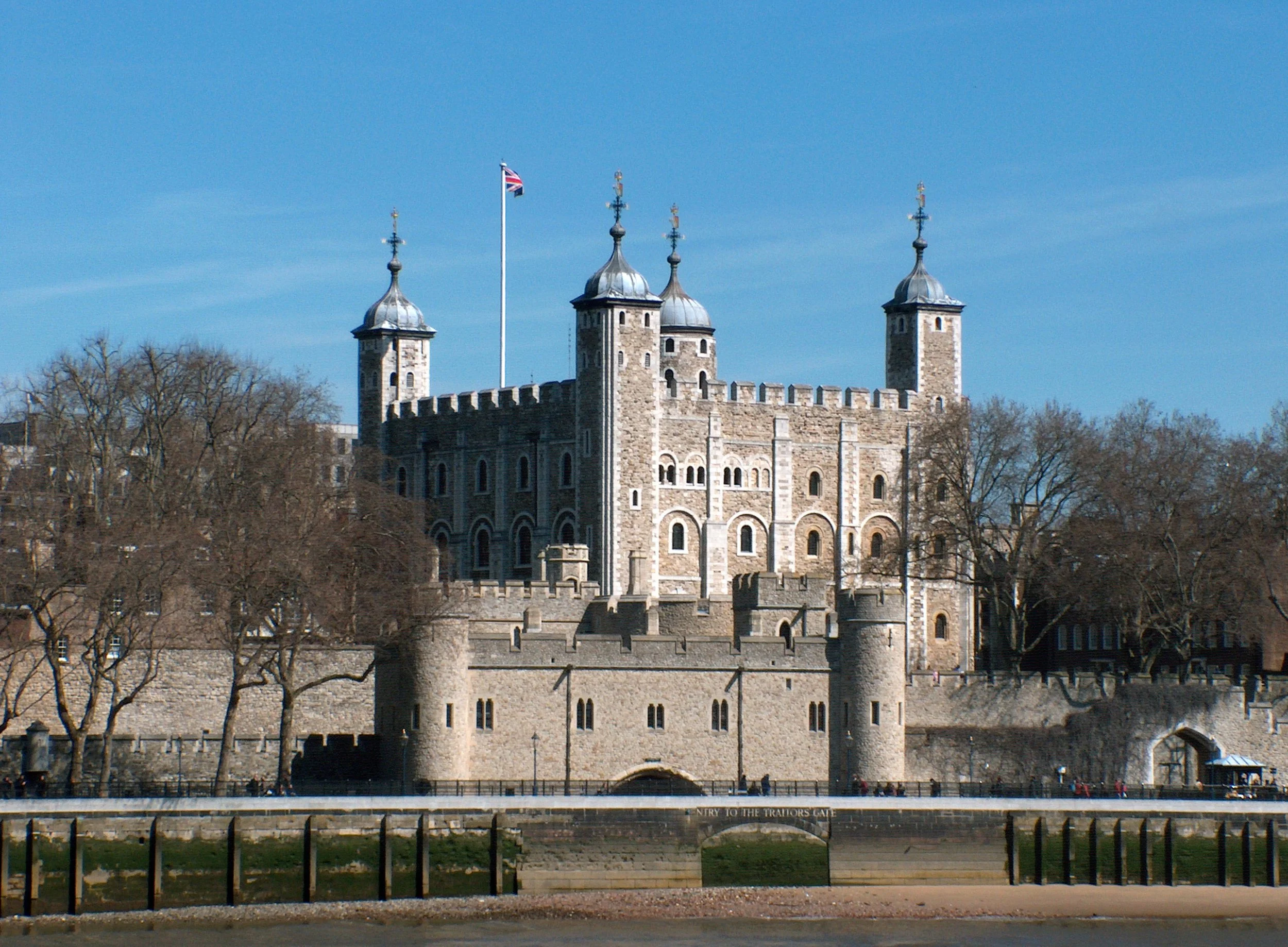
12. “Yeah I’m sure. If I’m not prepared tomorrow, Paris is gonna have me sent to The Tower.”
Context:
At Rory and Lorelai’s house, Lorelai is running late for Friday night dinner. She asks Rory if she’s sure she can’t come along. Rory says she needs to stay home and prepare for school, adding: “Yeah, I’m sure. If I’m not prepared tomorrow, Paris is gonna have me sent to The Tower.”
Explanation:
Rory is referencing the Tower of London, a famous historic fortress in England. The Tower is strongly associated with imprisonment and executions, especially during the reign of English monarchs like Henry VIII and Elizabeth I.
Since Rory and Paris are working on an Elizabethan government project, Rory exaggerates Paris’s strictness by comparing her to a powerful ruler who would punish people by sending them to the Tower. It’s Rory’s way of saying: Paris will completely destroy me if I’m not prepared.
13. “Lucy, how many times have I told you not to b*tt into other people’s business?”
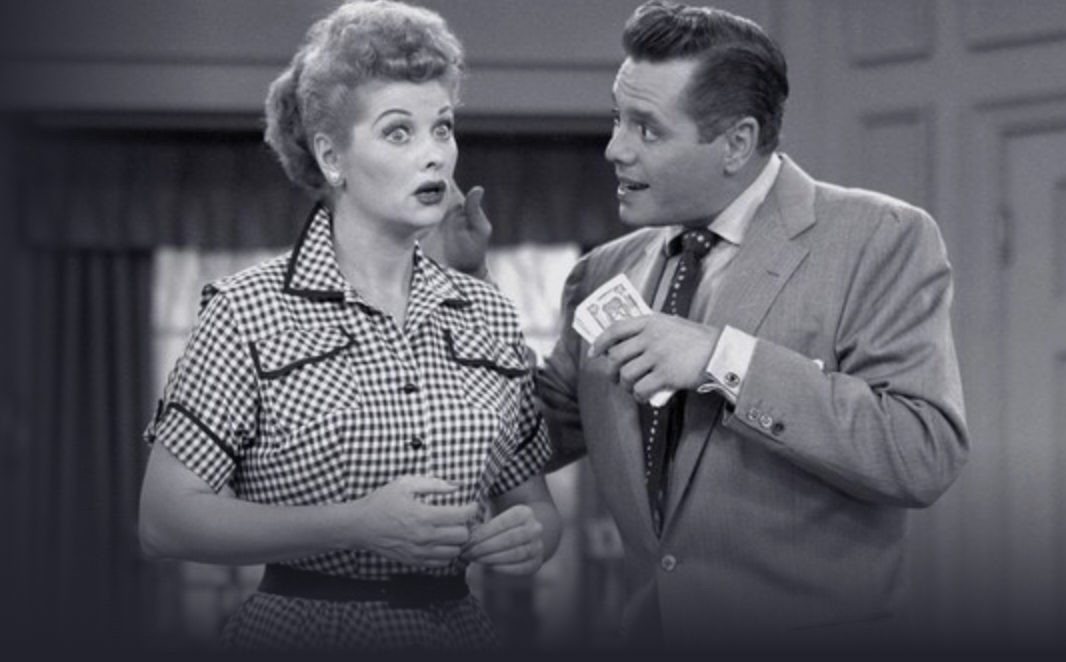
Context:
Still at Rory and Lorelai’s house, Rory tells Lorelai that Paris is coming over before her date with Tristin. Lorelai is surprised, since she didn’t know Paris and Tristin were a possibility. Rory explains that they didn’t like each other at first, but she did a bit of matchmaking. Lorelai reacts with: “Lucy, how many times have I told you not to butt into other people’s business?”
Explanation:
This is a reference to I Love Lucy, the classic American sitcom starring Lucille Ball as Lucy Ricardo. Lucy is famous for constantly getting involved in other people’s affairs, creating chaos through misunderstandings, schemes, and “helpful” interference.
Lorelai calls Rory “Lucy” to tease her for meddling and matchmaking, comparing her to Lucy Ricardo’s habit of inserting herself into situations where she probably shouldn’t.
14. “Well can I suggest that you leave this one about the Spanish Inquisition out?”

Context:
Paris comes over to Rory’s house so Rory can help her pick an outfit for her date with Tristin. While Paris is getting ready in the bathroom, Rory finds note cards in Paris’ pocket. Paris explains that they are conversation starters—topics to bring up in case the date becomes awkward or the conversation slows down.
Rory looks through them and says, “Well, can I suggest that you leave this one about the Spanish Inquisition out?”
Explanation:
The Spanish Inquisition was a period in Spanish history, beginning in 1478, when the Catholic monarchy created a religious court to investigate and punish people accused of heresy.
It is strongly associated with harsh interrogations, fear, and extreme religious control. Rory’s comment highlights how intense Paris is. Most teenagers would not bring up something like the Spanish Inquisition on a first date, so Rory gently points out that Paris’ “conversation starters” might be a little too heavy.
15. “Call her now. Ooh, page her, or page her and have her call my cell phone and we can sing the money song from Cabaret. You be Liza, I’ll be Joel.”
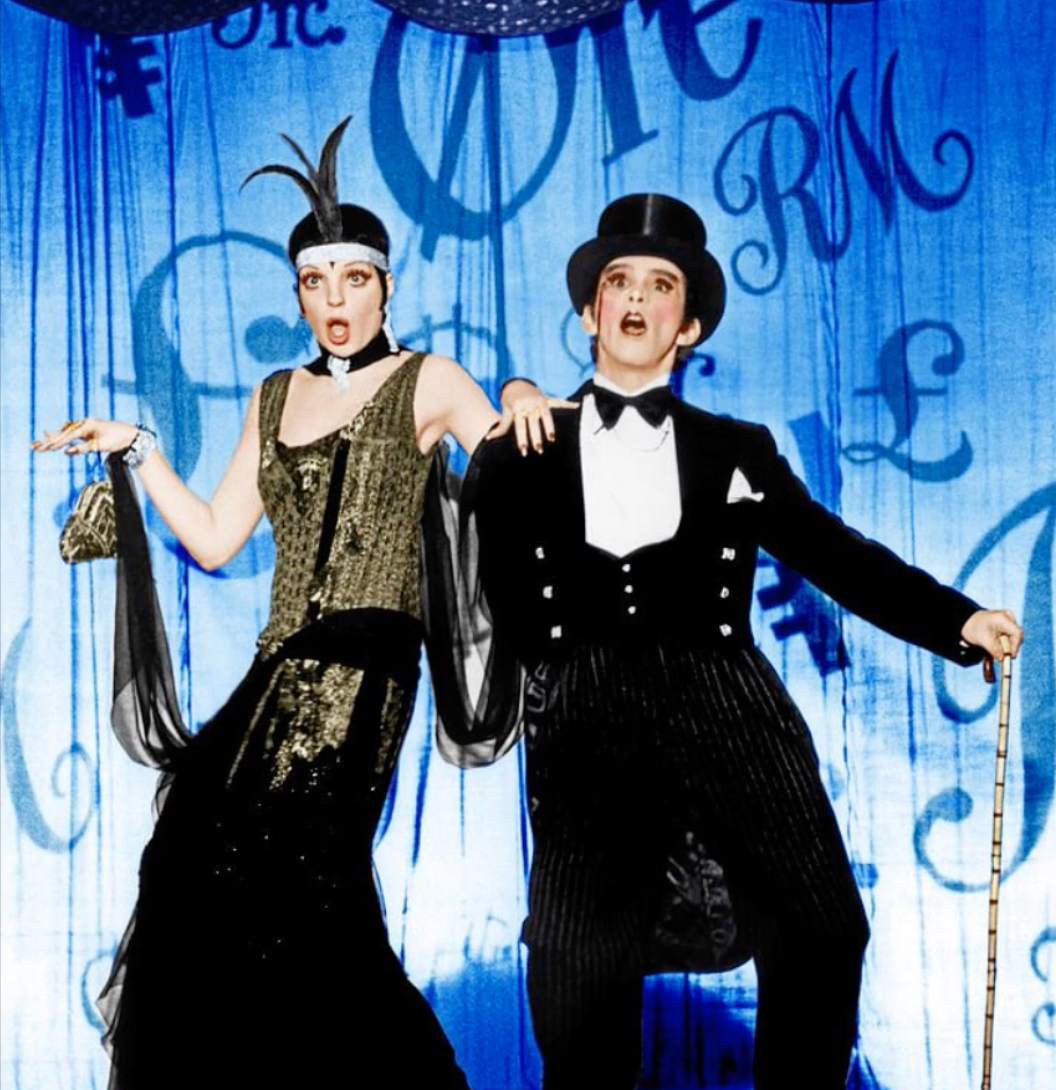
Context:
Lorelai and Sookie are at a flower shop discussing the fact that Trix has offered Rory money for her education. Lorelai admits that she hasn’t told Rory yet. Sookie is amazed and insists this is life-changing money, telling Lorelai she needs to tell Rory immediately. She says, “Call her now. Ooh, page her… and we can sing the money song from Cabaret. You be Liza, I’ll be Joel.”
Explanation:
Sookie is referencing the musical Cabaret and its famous number “Money, Money.” The show is set in Berlin in the early 1930s, and the song is a playful, over-the-top performance about how much people love money and what it can do. Sookie then mentions Liza, referring to Liza Minnelli, who starred in the famous movie version of Cabaret as Sally Bowles. When she says “I’ll be Joel,” she is referring to Joel Grey, who played the Master of Ceremonies in the film and performed “Money, Money” alongside Minnelli.
Sookie’s point is that this offer is such a big deal that it deserves a dramatic musical celebration
16. “I don’t care if she buys a house or a boat or the Elephant Man’s bones.”
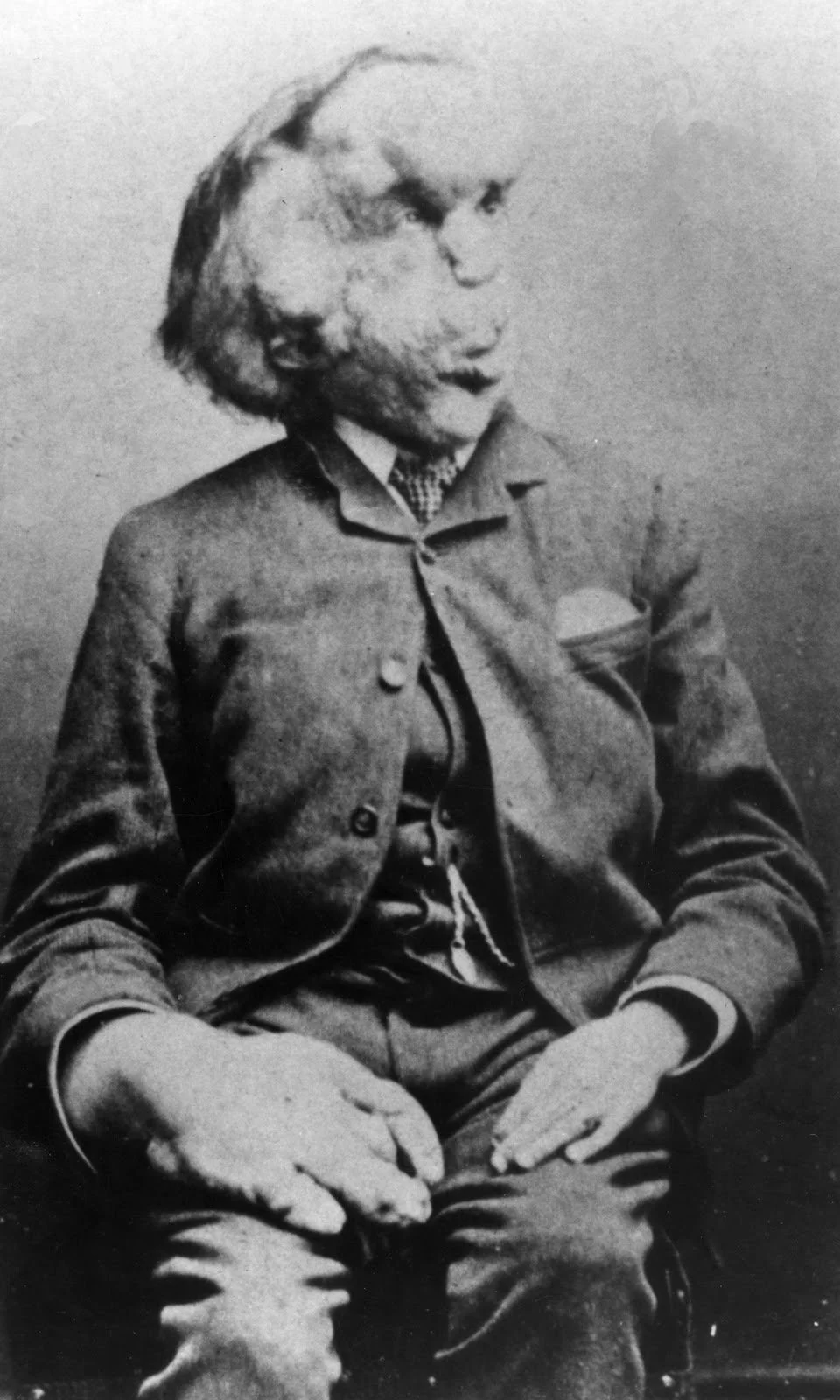
Context:
Still talking in the flower shop, Sookie realises that Lorelai is avoiding telling Rory about Trix’s money. She asks why, and it becomes clear that Lorelai is unsettled by the idea that the money could change her relationship with Rory. Sookie points out that Rory isn’t materialistic. Lorelai replies that it’s not about what Rory would buy, saying: “I don’t care if she buys a house or a boat or the Elephant Man’s bones.”
Explanation:
Lorelai is referencing the Elephant Man, the nickname of Joseph Merrick, a severely disfigured English man who became famous in Victorian London. His life was later portrayed in books and in the movie The Elephant Man. Lorelai’s line is not literal. She’s exaggerating with an absurd example, something strange and impossible to buy, to show that her anxiety isn’t about Rory becoming greedy or spending money on luxury items.
What really worries Lorelai is the emotional side: what the money might represent, and whether it could change the closeness between her and Rory.
17. “I have my mother’s voice stuck in my head. It’s like that annoying Cranberries song. I hate that I let her do this! I hate that I let her get to me!”
Context:
Still in the flower shop, Sookie keeps trying to reassure Lorelai that the money won’t change Rory or their relationship. Lorelai knows it sounds crazy, but she can’t shake what Emily implied. She says, “I have my mother’s voice stuck in my head. It’s like that annoying Cranberries song. I hate that I let her do this! I hate that I let her get to me!”
Explanation:
Lorelai is referring to The Cranberries, an Irish rock band that was very popular in the 1990s. She doesn’t name a specific song, but the line is probably referring to their hit “Zombie”, which famously repeats “in your head” in the chorus. Lorelai compares Emily’s voice to a song stuck on a loop—something she can’t get rid of even though she wants to.
18. “I have to change and go to tea with Gran and the cast of Gaslight.”
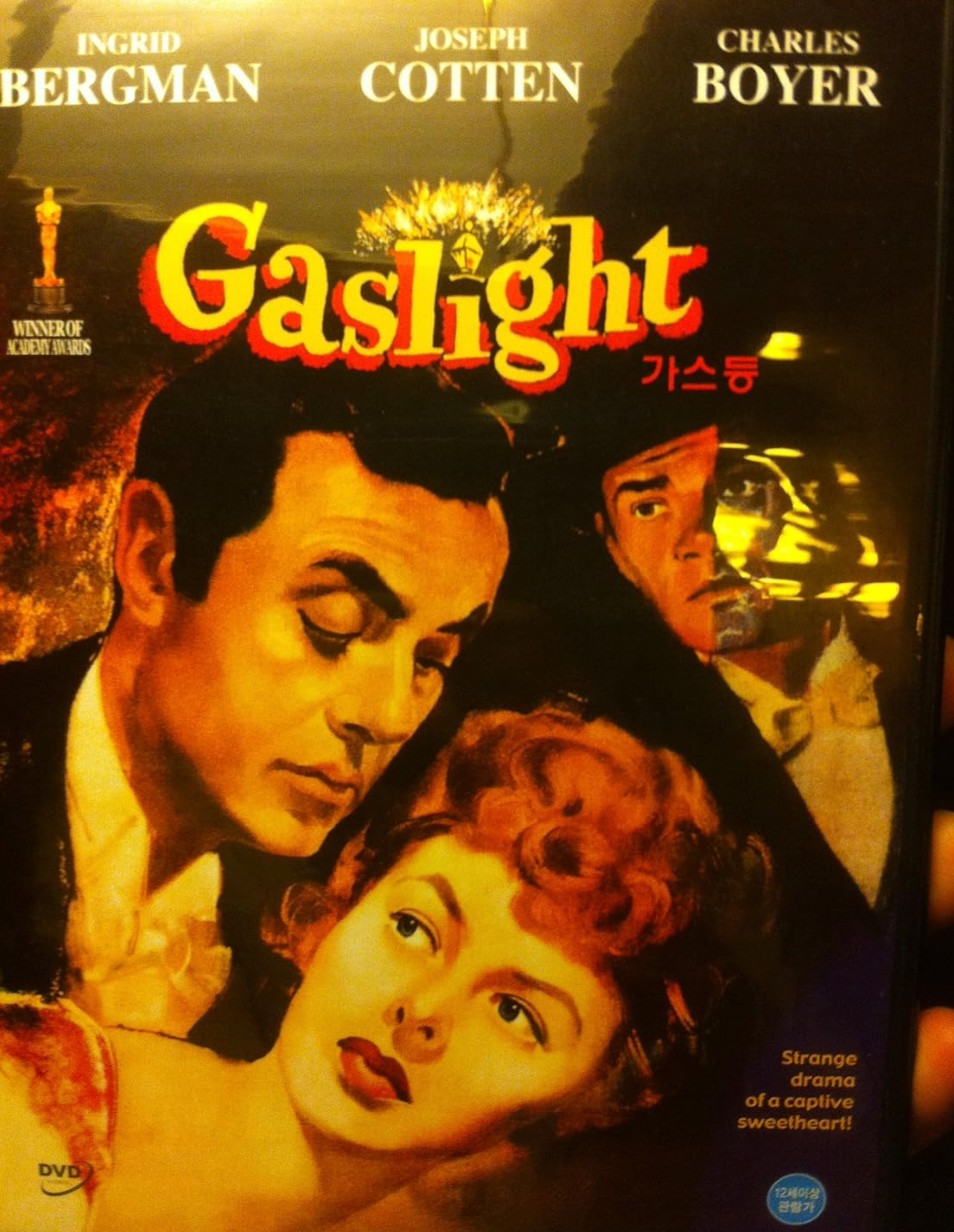
Context:
Still at the flower shop, Lorelai tells Sookie she has to leave as she’s expected to join Emily and Trix for tea. Lorelai describes it dramatically, saying: “I have to change and go to tea with Gran and the cast of Gaslight.”
Explanation:
Lorelai is referring to the 1944 film Gaslight, a psychological thriller starring Ingrid Bergman. In the film, a husband manipulates his wife into doubting her own reality, which is where the modern term “gaslighting” comes from.
By saying “the cast of Gaslight,” Lorelai suggests that tea with Gran will feel tense, emotionally manipulative, and filled with subtle judgment
19. “I don’t care if she thinks I’m the Wh*re of Babylon.”
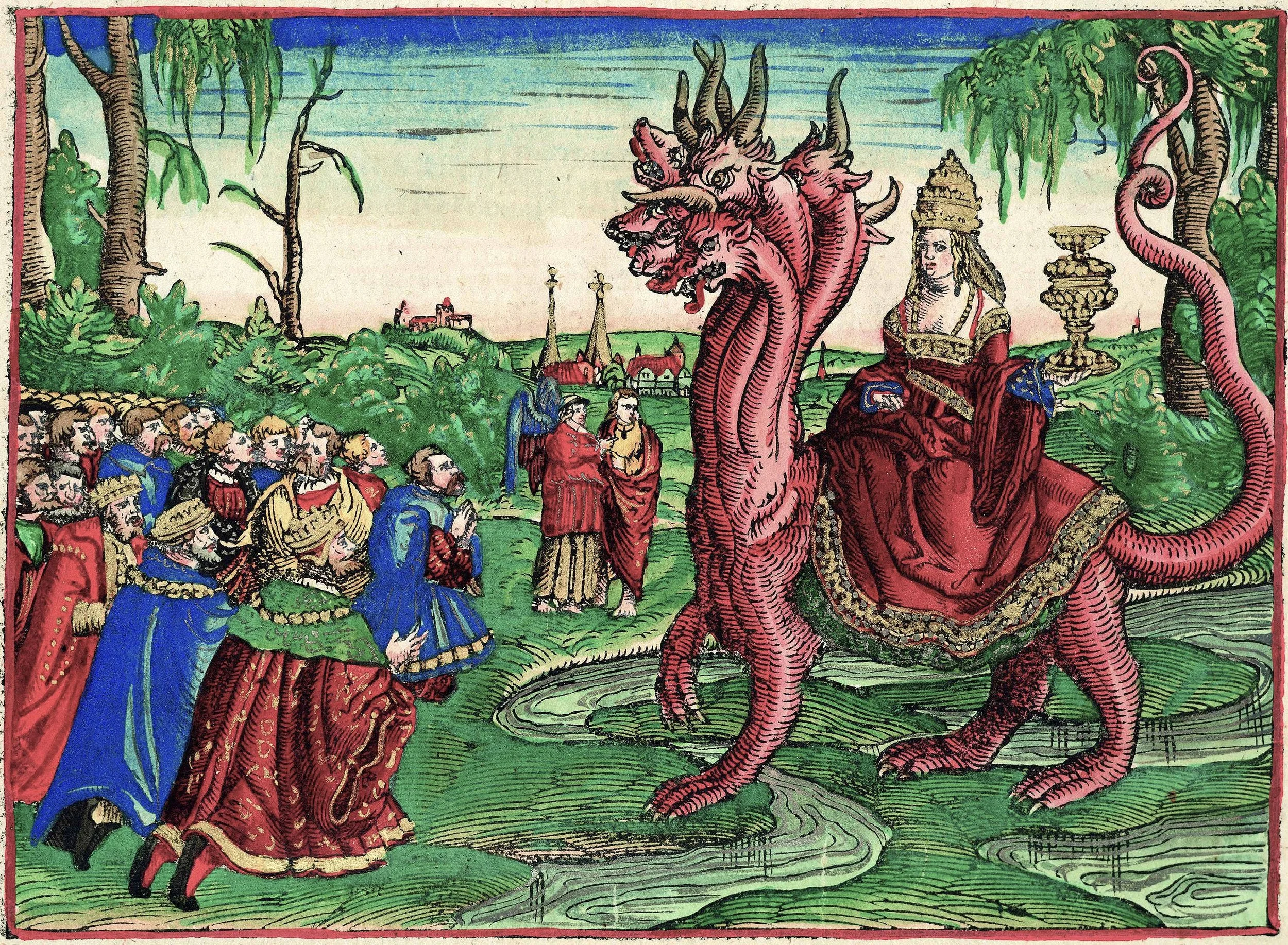
Context:
At the Gilmore house, Emily is spiralling after finding out that Trix has offered Rory money. Emily is terrified that if Rory takes it, she won’t have to come back for Friday night dinners anymore. Emily tells Richard that she has put up with years of criticism from his mother, but this feels like crossing a line. In her frustration, she says, “I don't care if she demeans me and looks down on me. I don't care if she thinks I've tarnished the Gilmore name. I don't care if she thinks I'm the whοre of Babylon.”
Explanation:
The Whore of Babylon is a biblical figure from the Book of Revelation, symbolising corruption, moral downfall, and disgrace. The phrase has often been used historically as an extreme insult, implying someone is sinful, scandalous, or a threat to society’s moral order.
Emily uses it hyperbolically to show how harsh and humiliating Trix’s judgment has always felt. She is saying that she has endured being demeaned and looked down on, but this situation with Rory’s money feels especially personal and threatening. It’s another moment where Emily’s anger reveals something deeper: her fear of losing control, respect, and her place in the family.
20. “Oh, let them eat cake.”
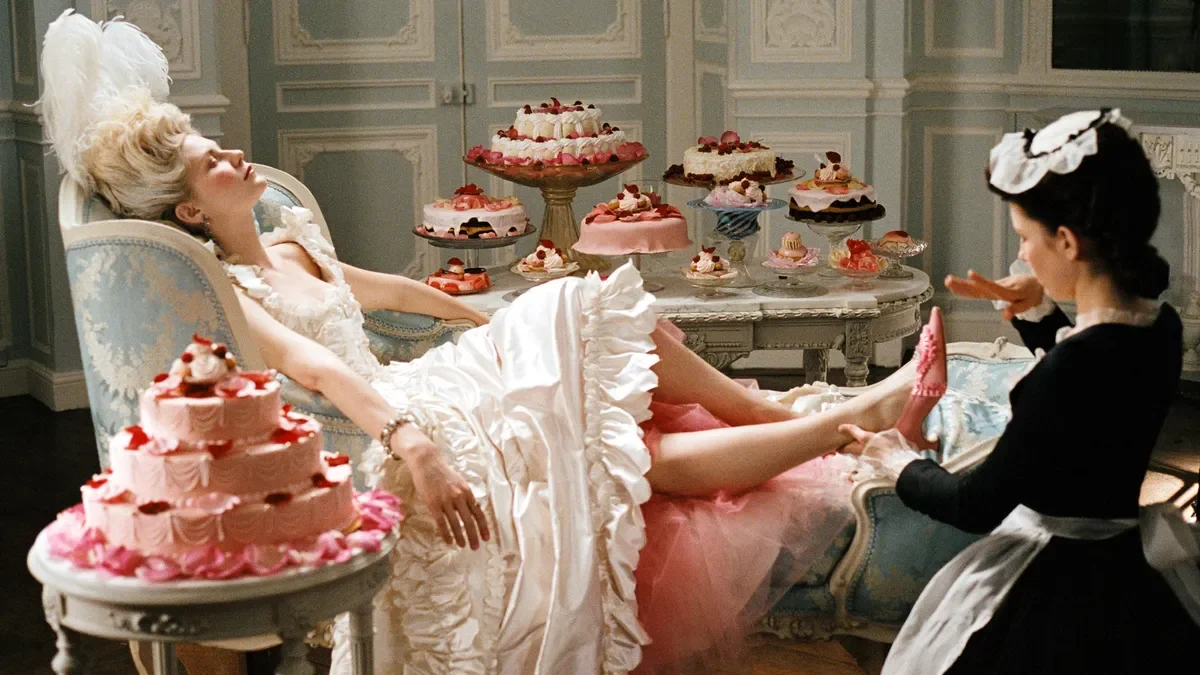
Context:
In the hallway at Chilton, Rory asks Paris how her date with Tristin went. Paris is clearly happy and says that it went well, and that he even kissed her goodnight. Rory then steers the conversation back to their school project about Elizabethan government and says, “Good, then it's a good time to talk about our overtaxed peasants.” Paris replies: “Oh, let them eat cake.”
Explanation:
“Let them eat cake” is a famous phrase commonly associated with Marie Antoinette, the Queen of France, during the French Revolution (1789 to 1799). The quote is often used to represent the attitude of the wealthy and powerful being completely out of touch with ordinary people’s struggles, especially hunger and poverty. Historians generally agree that Marie Antoinette probably never actually said it, but the phrase became a lasting symbol of royal indifference.
Paris uses it in a light, playful way, staying in the queens-and-peasants mindset of their project. And because she’s so happy after her date, the line also feels like a little joke about how carefree she suddenly is, as if she’s in such a good mood that she can momentarily brush off the “peasants” like an amused queen.
21. “Raising your voice during high tea, who ever heard of such a thing? It’s like Fergie all over again.”
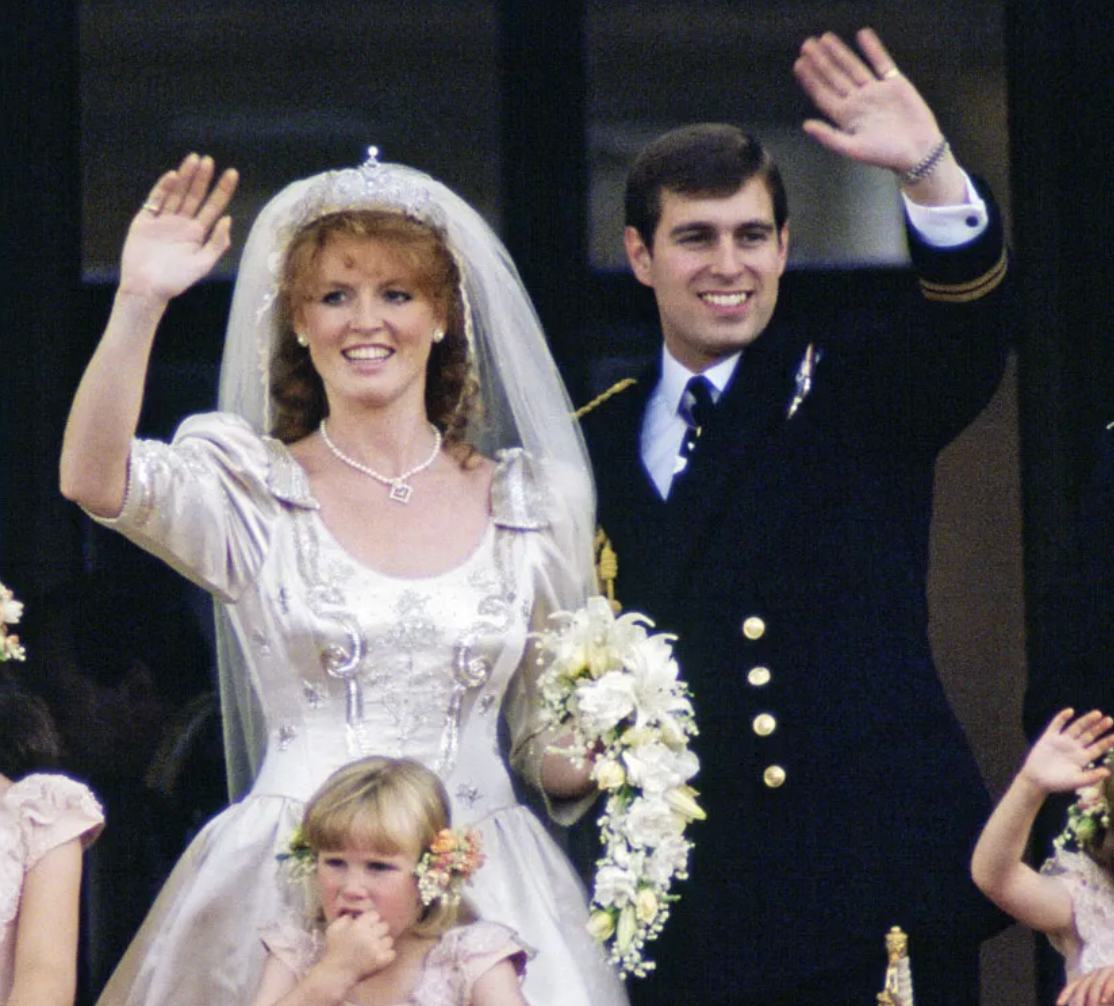
Context:
During tea, Trix steps away briefly. When she returns, she finds Emily and Lorelai arguing about the money she offered Rory. Trix is disappointed by the raised voices and the tension. She announces that she won’t be giving them the money after all and says, “Raising your voice during high tea, who ever heard of such a thing? It’s like Fergie all over again.”
Explanation:
“Fergie” here refers to Sarah Ferguson, the Duchess of York, a member of the British royal family and former wife of Prince Andrew. In the 1990s, Ferguson became a frequent tabloid figure and was often portrayed as embarrassing or improper by royal standards. She was associated with public scandals and a lack of the strict formality expected in aristocratic circles.
Trix uses “Fergie” as shorthand for someone who disrupted upper-class decorum. By comparing Emily and Lorelai’s argument to “Fergie all over again,” she’s suggesting that raising your voice at tea is the kind of social impropriety that belongs in a royal scandal, not in a proper Gilmore household.
Honorable Mentions In This Episode:
Music/Artists:
Madonna
Historical Figures:
Queen Elizabeth
Henry VIII
Shakespeare
I hope this was helpful in understanding some of the references from Gilmore girls and that we are one step closer to decoding our ultimate comfort show.
If I missed something or you have another interpretation of a reference, let me know—I’d be happy to add it!
More posts about Gilmore girls